Featured Analysis
-

The Real Cost of Schedule III: What Small South Dakota Operators Are Actually Facing Right Now
For small operators trying to understand what federal changes actually mean: This piece breaks down the compliance costs and risks that are often glossed over. Knowledge is power — especially when the stakes are this high. South Dakota small cannabis operators are being told to relax. Federal rescheduling is here, the story goes, and everything…
-
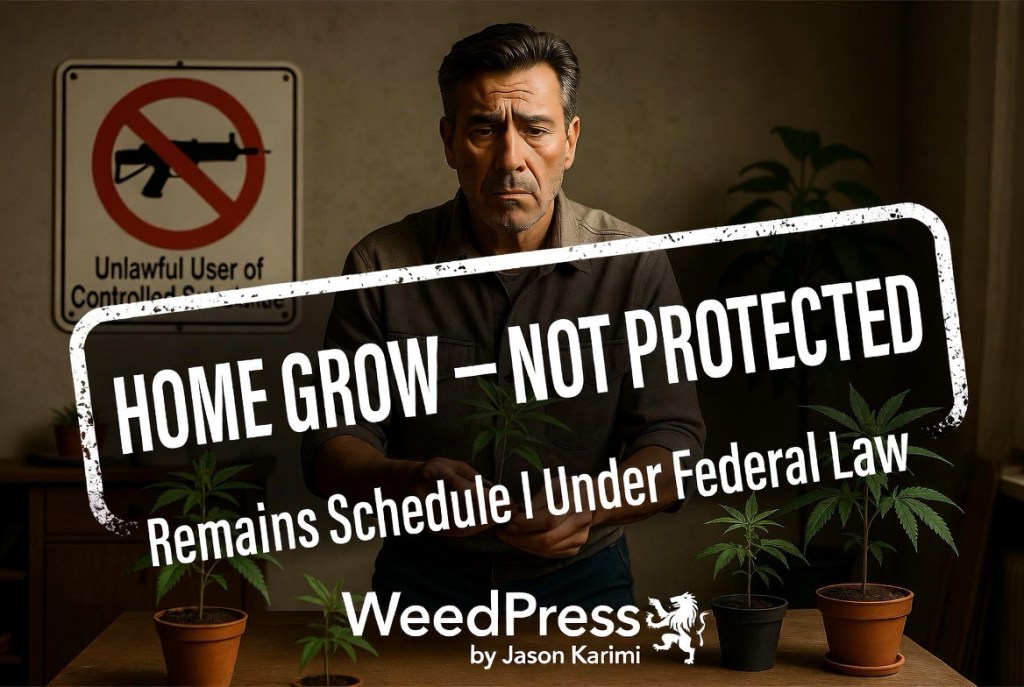
ILLEGAL: Homegrown Cannabis Remains Outside Federal Schedule III Protections — An Open Question With Real Consequences for Patients
The April 28, 2026 federal partial rescheduling order moved only two narrow categories of marijuana from Schedule I to Schedule III: certain FDA-approved products and marijuana produced under qualifying state-issued medical marijuana licenses.¹ Personal home cultivation was not included in either category. This creates a significant gap. In states that permit limited home growing for…
-

Tribal Operators Face Extra Risks Under Federal Rescheduling — And They Should Not Trust Reassuring Advice from People with Skin in the Game
Tribal operators face additional risks that many industry voices aren’t addressing. Independent analysis matters. Tribal and Indigenous cannabis operators are in a uniquely vulnerable position under the new federal Schedule III framework. They face all the same compliance burdens as other small operators — plus additional layers of jurisdictional complexity, disclosure risk, and uncertainty around…
-
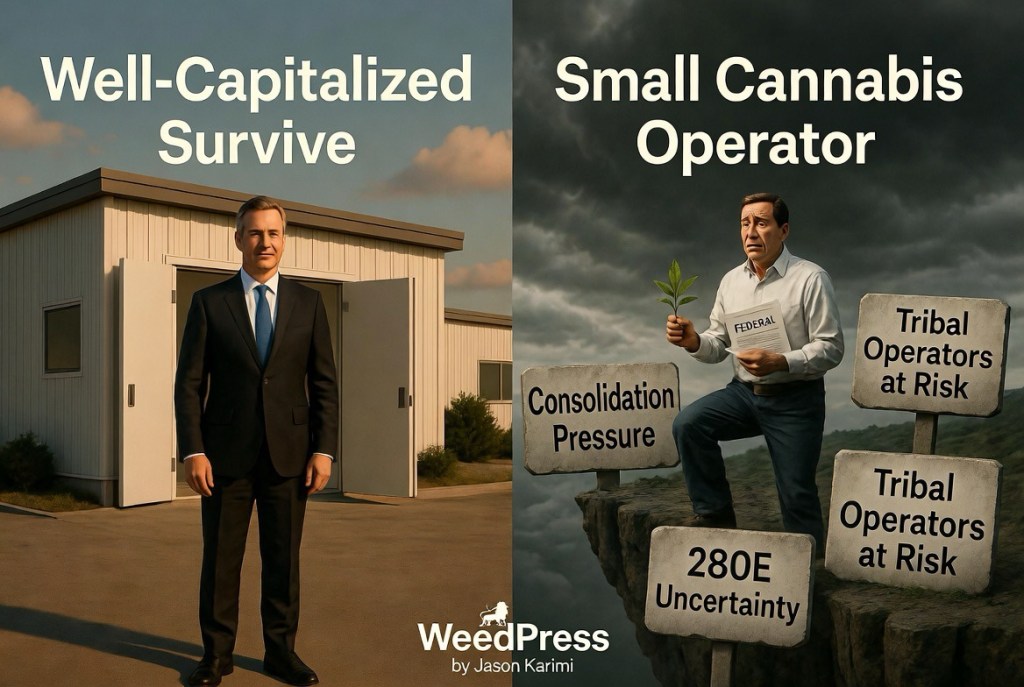
June 3: Beard Bros Webinar Warns Tribal And Small Cannabis Operators Are At Risk
Check out the warnings for small operators from this webinar: Core Warnings for Small Operators 1. Compliance Costs & DEA Registration Burdens Are Real and Disproportionate • Small operators face significant new costs for legal counsel, application preparation, security upgrades, recordkeeping systems, and compliance infrastructure that many legacy businesses were never built to handle. •…
-
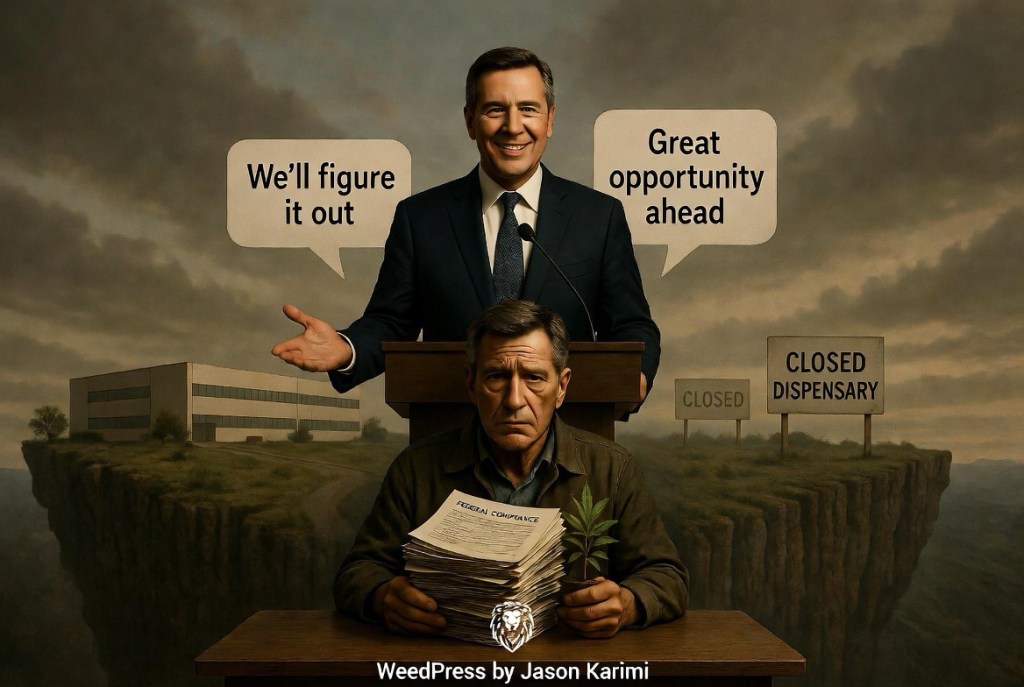
South Dakota Small Cannabis Operators Face a Compliance Cliff: Federal Rescheduling Likely to Drive More Closures and Force Consolidation
The collapse of recreational legalization efforts in South Dakota already triggered a wave of dispensary closures. At least eight licensed medical cannabis businesses shuttered in late 2024 and early 2025 amid falling cardholder numbers, intense price competition, and regulatory pressures.¹ “Then it was a race to the bottom on pricing,” one industry participant observed as…
-
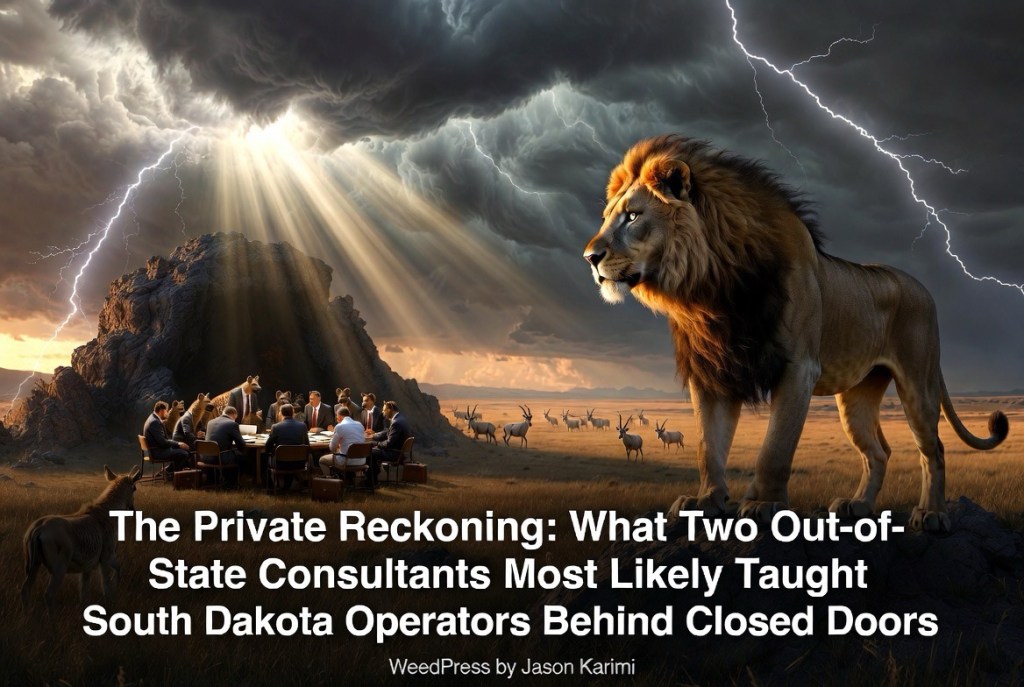
The Private Reckoning: What Two Out-of-State Consultants Most Likely Taught South Dakota Operators Behind Closed Doors
The April 28, 2026 partial Schedule III order (91 Fed. Reg. 22714) did not merely lower marijuana’s scheduling classification.¹ It imposed a new federal compliance regime that effectively ended the low-overhead, cash-only state-only model that defined South Dakota’s medical cannabis program.² Some public voices have offered vague assurances that “we’ll figure it out” for the…
Policy
-
ILLEGAL: Homegrown Cannabis Remains Outside Federal Schedule III Protections — An Open Question With Real Consequences for Patients
The April 28, 2026 federal partial rescheduling order moved only two narrow categories of marijuana from Schedule I to Schedule III: certain FDA-approved products and marijuana produced under qualifying state-issued medical marijuana licenses.¹ Personal home cultivation was not included in either category. This creates a significant gap. In states that permit limited home growing for…
-
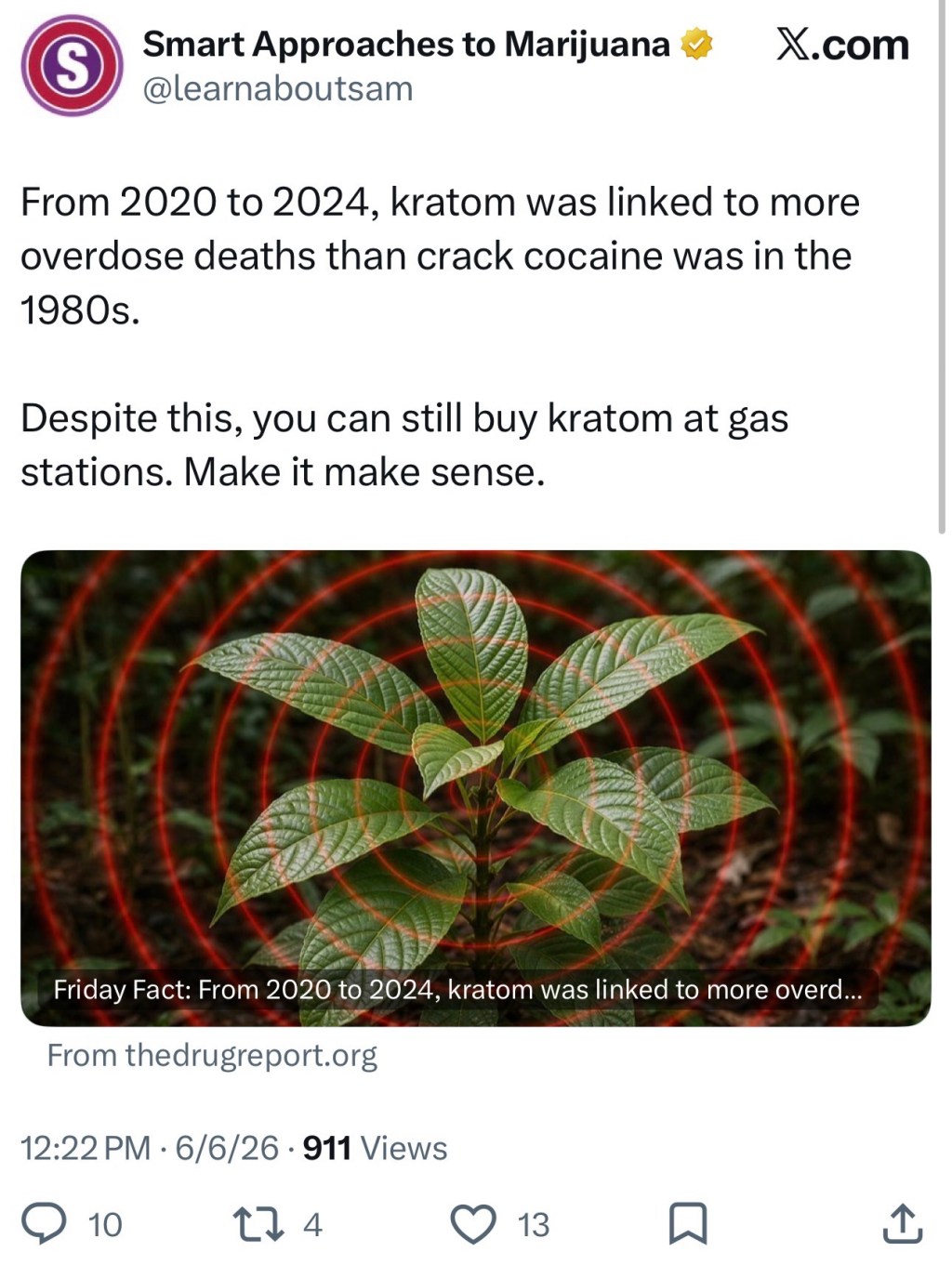
Drug Policy Liars Hurt Public Health And Safety, Kids
Hysterics and emotional performance do not help addicts. SAM made a ridiculous fallacy on twitter: Here is why this claim hurts evidence based policy decisions and damages SAM’s credibility: “Linked to” = detected on tox, not primary cause. 1980s testing was spotty. Crack epidemic brought massive violence/addiction in cities. Kratom deaths remain a tiny share…
-
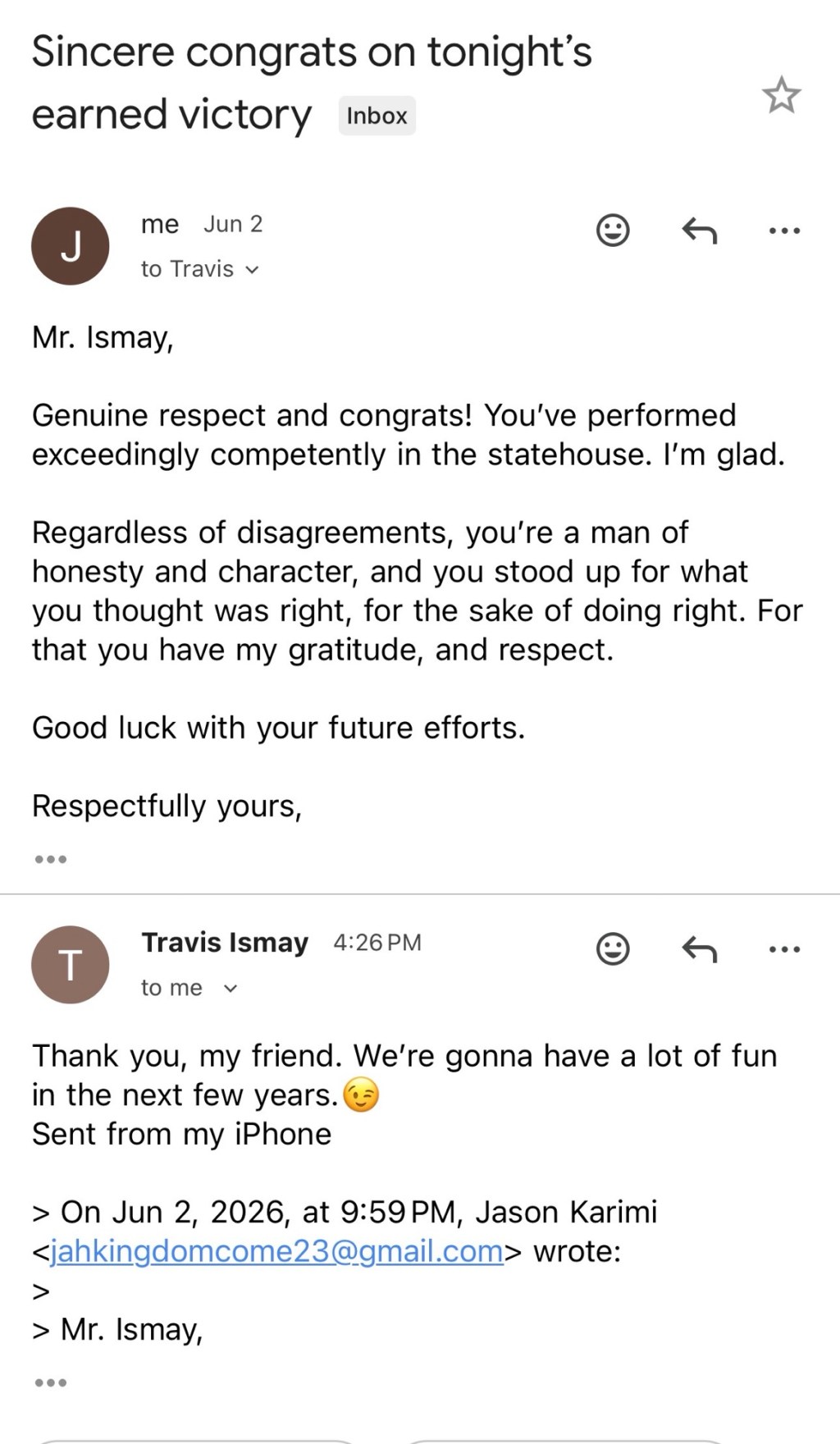
Travis Ismay Responds to My Congratulatory Email: A Small Step Toward Civil Discourse in South Dakota Politics
Yesterday, Rep. Travis Ismay (R-House District 28B) replied to the congratulatory email I sent him shortly after his decisive Republican primary victory on June 2.¹ For context, here is the full exchange: My email (June 2, 2026): For context, here is the full exchange: It’s a brief, gracious response — and one I appreciate. Background…
-
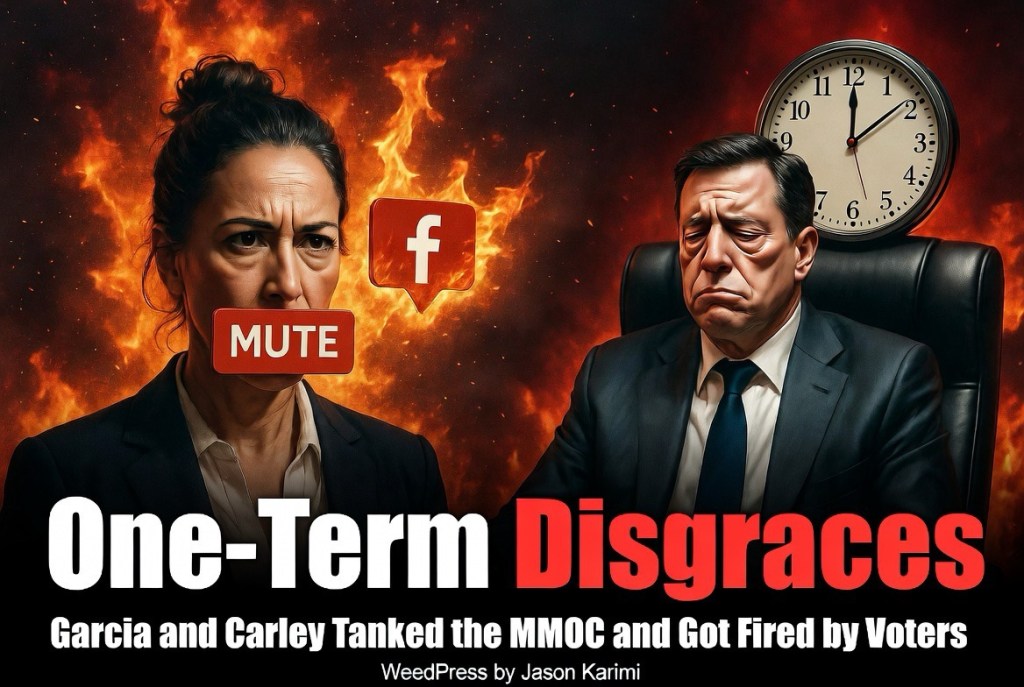
Garcia and Carley To Get the Boot from MMOC After Primary Losses; Won’t Attend Future Meetings
Josephine Garcia and John Carley are about to lose what little power they had left. Following their humiliating primary defeats on June 2, both are expected to be removed from the Medical Marijuana Oversight Committee (MMOC) in the coming weeks. This is standard procedure in South Dakota. When (shit talking) legislators lose their primaries, the…
-
One-Term Disgraces: Garcia and Carley Tanked the MMOC and Got Fired by Voters
Josephine Garcia and John Carley took office in January 2025. By June 2026, both were one-term has-beens who lost their Republican primaries in humiliating fashion. Their short tenures were marked by dysfunction on the Medical Marijuana Oversight Committee (MMOC), where Garcia served as Chair and Carley as Vice-Chair. Under their leadership, the committee became so…
-
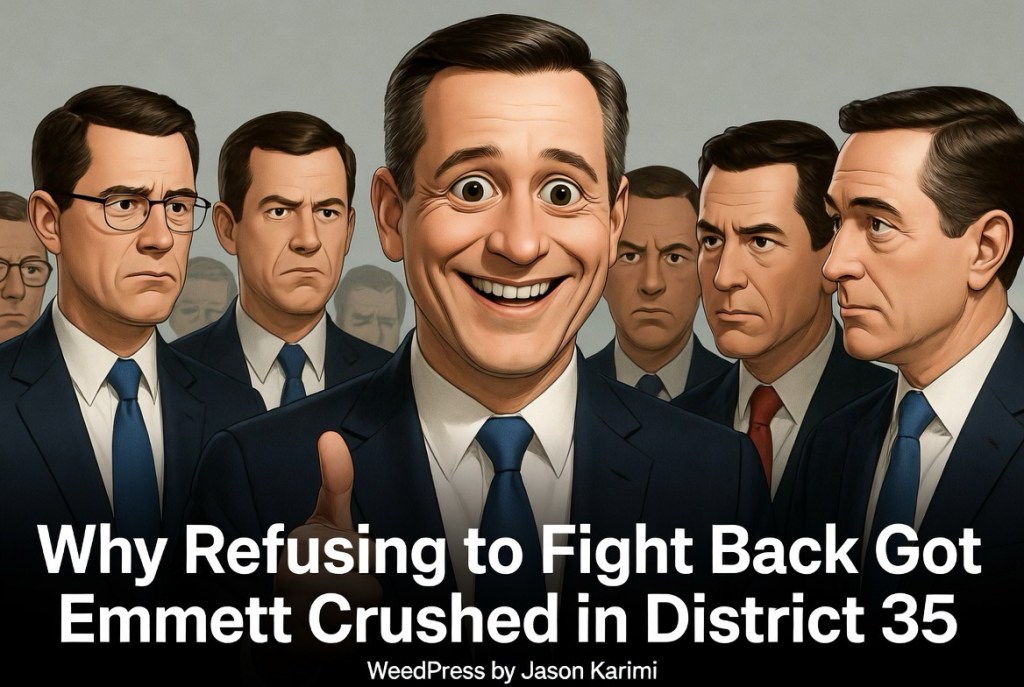
Refusing to Fight And Play On “Nice Guy” Easy Mode Got Emmett Reistroffer Crushed In The Political Arena June 2nd in SD HD-35
Emmett Reistroffer finished last in the Republican primary for House District 35 with roughly 13% of the vote. In a four-way race for two seats, he was not competitive. He was rejected by a 20 point margin. He ran the campaign many (naive) people claim is the “right” way to do it. Clean. Positive. No…
Law
-
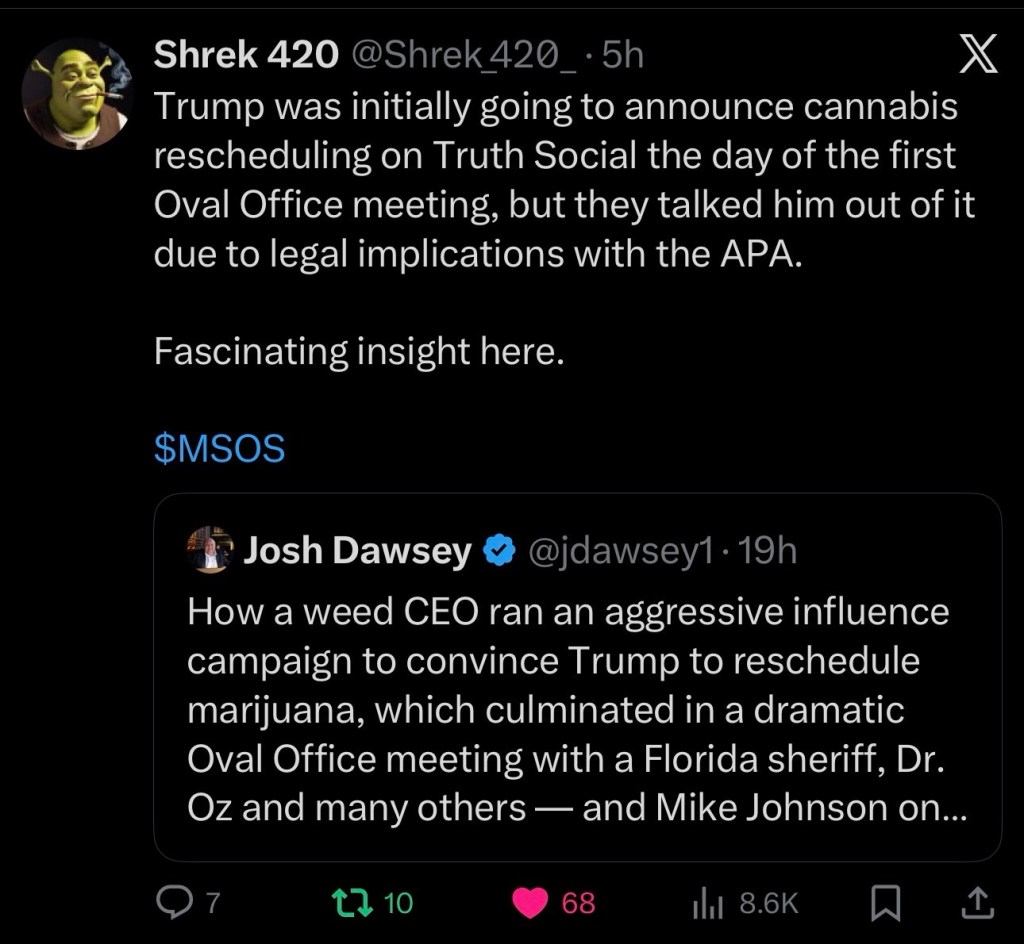
APA Concerns Delayed Rescheduling
Not surprising. Makes a lot of sense if you’ve studied administrative law for a few thousand hours.
-
-
-
What Schedule III Means Under Federal Law
What Schedule III Means Under Federal Law Reader note: This blog post protected by the constitution’s first amendment. Schedule III substances are defined under the Controlled Substances Act as drugs with: Accepted medical use Moderate to low potential for physical dependence Potential for psychological dependence Examples currently include ketamine, anabolic steroids, and certain codeine-containing medications.…
-

Request for South Dakota to Petition U.S. Attorney General for Waiver Under 21 U.S.C. § 822(d)
South Dakota’s medical cannabis setup (under Department of Health via SDCL 34-20G) is tightly regulated, low-diversion, and focused on patients—ideal for arguing a 21 U.S.C. § 822(d) waiver to exempt state-licensed operators from DEA registration, as long as it aligns with public health/safety. The Attorney General (Marty Jackley) is the top legal officer and can…
-
Science
-
Drug Policy Liars Hurt Public Health And Safety, Kids
Hysterics and emotional performance do not help addicts. SAM made a ridiculous fallacy on twitter: Here is why this claim hurts evidence based policy decisions and damages SAM’s credibility: “Linked to” = detected on tox, not primary cause. 1980s testing was spotty. Crack epidemic brought massive violence/addiction in cities. Kratom deaths remain a tiny share…
-
One-Term Disgraces: Garcia and Carley Tanked the MMOC and Got Fired by Voters
Josephine Garcia and John Carley took office in January 2025. By June 2026, both were one-term has-beens who lost their Republican primaries in humiliating fashion. Their short tenures were marked by dysfunction on the Medical Marijuana Oversight Committee (MMOC), where Garcia served as Chair and Carley as Vice-Chair. Under their leadership, the committee became so…
-
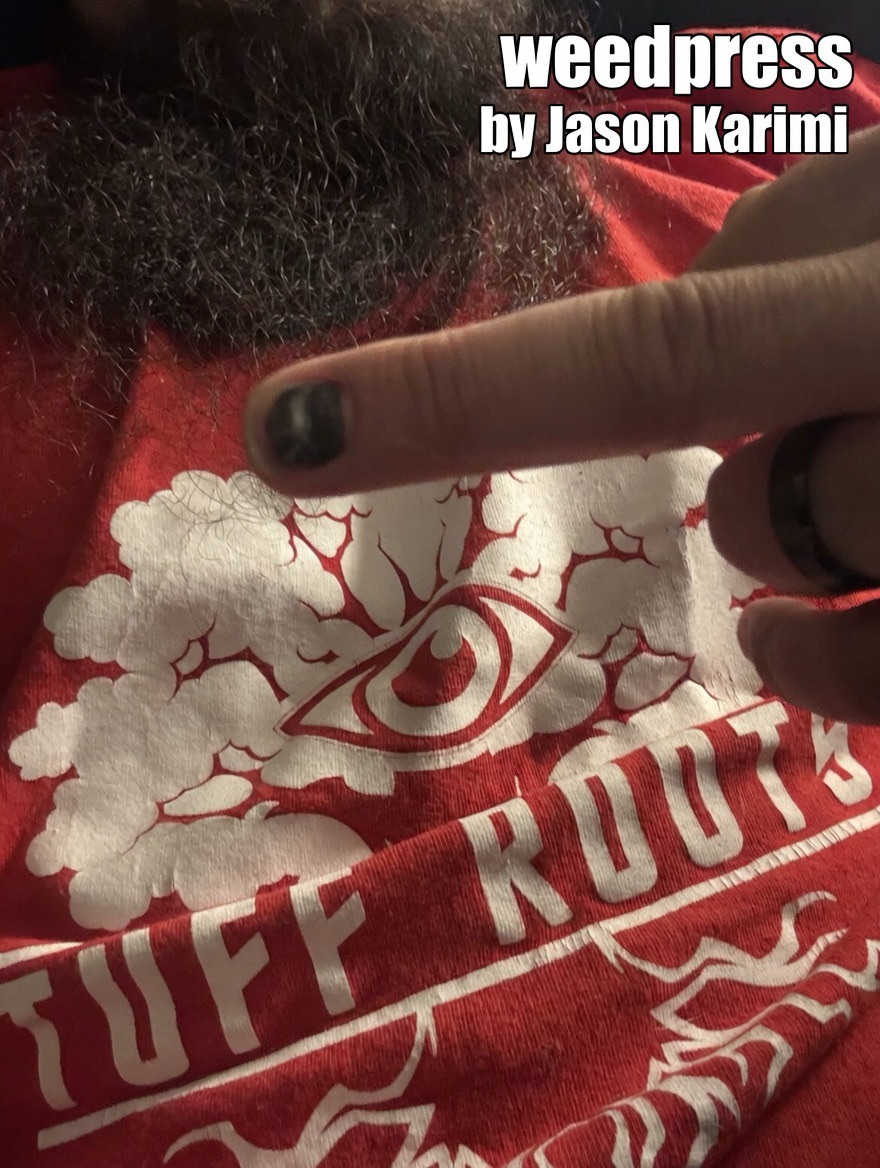
Reflections on a Bruised Nail: What My Left Middle Finger Injury Taught Me About Inner Worth and Boundaries
Two months ago, I slammed my left middle finger, resulting in a subungual hematoma—the dark pool of blood trapped beneath the nail that turned my fingertip into a visual reminder of sudden impact.¹ No longer painful, the nail still carries a mottled shadow of black and white as new growth slowly pushes the old damage…
-

Predators Don’t Debate — They Rig the Game: How Black-Market-Friendly State Cannabis Programs Created the Perfect Environment for Predators — and Why Federal Legitimacy Is Ending It
The drug laws were rigged for decades. Prohibition didn’t eliminate the black market — it protected it. Cartels and underground operators thrived while legitimate patients and small businesses were crushed. When states began legalization without federal exemption, they didn’t fix the problem. They simply moved the rigged game indoors and gave it a state license.…
-
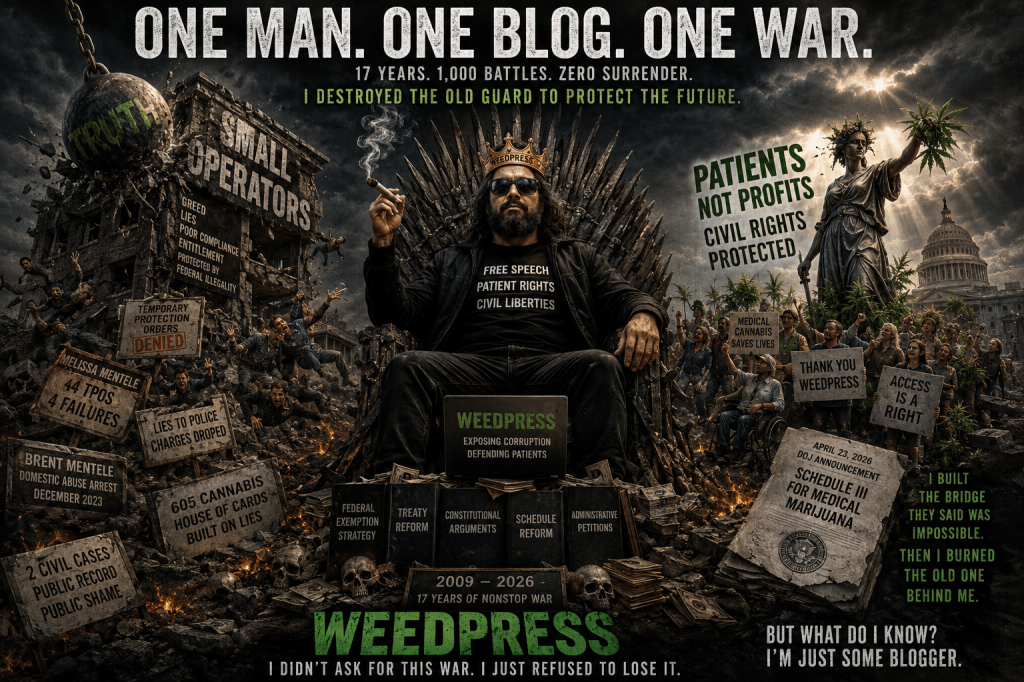
I Spent 17 Years Arguing for Federal Cannabis Legitimacy. Now Small Operators Are About to Learn What That Means.
I have spent most of my adult life arguing that state medical cannabis programs could not survive forever as legally tolerated gray markets.¹ They needed federal recognition. They needed treaty analysis. They needed administrative pathways. They needed constitutional pressure. They needed people willing to say the uncomfortable thing before the institutions were ready to admit…
-
Stork Just Sent a Researcher to WeedPress: What Academic Tools Mean for Cannabis Policy Analysis
Independent statutory deep-dives are showing up alongside peer-reviewed literature in researchers’ workflows. It’s not every day your analytics dashboard lights up with a referrer you’ve never seen before. Today, May 5, 2026, WeedPress received a visit from paper-box.co — the domain tied to Stork (storkapp.me), a specialized publication-tracking and research intelligence platform used by academics,…
Current Events
-
CNN: Hemp Farmers Allegedly “Making A Killing” In CBD Industry
Weed all about it here at CNN…the infotainment clowns at CNN are claiming farmers can make up to 40x more money from growing hemp than from growing food products.
-
CBD Illegal: IDPH Position Statement On CBD Products In Iowa
https://idph.iowa.gov/Portals/1/userfiles/234/Files/IDPH%20Position%20Statement%20on%20CBD%20-%2012_1_2018.pdf December 1, 2018 IDPH Position Statement on CBD Products in Iowa Legal Medical CBD Products. Medical cannabidiol (CBD) products are now available for purchase by Iowa patients and primary caregivers who hold a medical CBD registration card issued by the Department of Public Health (Department). Medical CBD products can be purchased at the following…
-
CBD Is Illegal: Iowa Department of Inspections and Appeals Regulatory Notice May 2019
https://dia.iowa.gov/document/cbd-regulatory-notice-may-2019 Iowa Department of Inspections and Appeals Regulatory Notice Attention: Iowa food establishment and food processing plant license holders Subject: Cannabidiol (CBD) Date: May 2019 The purpose of this regulatory notice is to provide guidance regarding the use of cannabidiol (CBD) in food to all Iowa food establishment and food processing plant license holders. CBD…
-
CBD Is Illegal: Alcoholic Beverages Division 2019 Advisory Memo On CBD Scheduling
https://abd.iowa.gov/sites/default/files/regulatory_bulletin_-_thc_and_cbd_in_alcoholic_beverages_0.pdf 1918 SE Hulsizer Road, Ankeny, Iowa 50021-3941 THC and CBD in Alcoholic Beverages INTRODUCTION The purpose of this bulletin is to provide clarification to license and permit holders selling and serving alcoholic beverages about the applicable state regulations and federal guidance regarding the use of Tetrahydrocannabinol (THC) and Cannabidiol (CBD) products in alcoholic beverages.…
-
Has Iowa’s Official CBD Advisory Board Failed To Visit Iowa Dispensaries?
I’m typing up the August 2nd CBD advisory hearing transcript. Here’s an excerpt: “Being at the dispensary has been eye opening. I know a lot of you haven’t gotten the chance to be there but I would like to formally extend an invite for you to come. You can see the product labels, the product…
Legislation
-
Travis Ismay Responds to My Congratulatory Email: A Small Step Toward Civil Discourse in South Dakota Politics
Yesterday, Rep. Travis Ismay (R-House District 28B) replied to the congratulatory email I sent him shortly after his decisive Republican primary victory on June 2.¹ For context, here is the full exchange: My email (June 2, 2026): For context, here is the full exchange: It’s a brief, gracious response — and one I appreciate. Background…
-
Request for NCSL Virginia Presentation On Fed Law Impacts For State Industry and Patients
Weedpress sent the following request via https://www.ncsl.org/health/state-medical-cannabis-laws Request for NCSL Presentation Slides – Federal Marijuana & Hemp Policy Implications (June 2026) Dear NCSL Staff, My name is Jason Karimi, and I publish WeedPress, an independent policy analysis site focused on cannabis regulation, federal-state issues, and legislative oversight. I am writing to request materials from a…
-
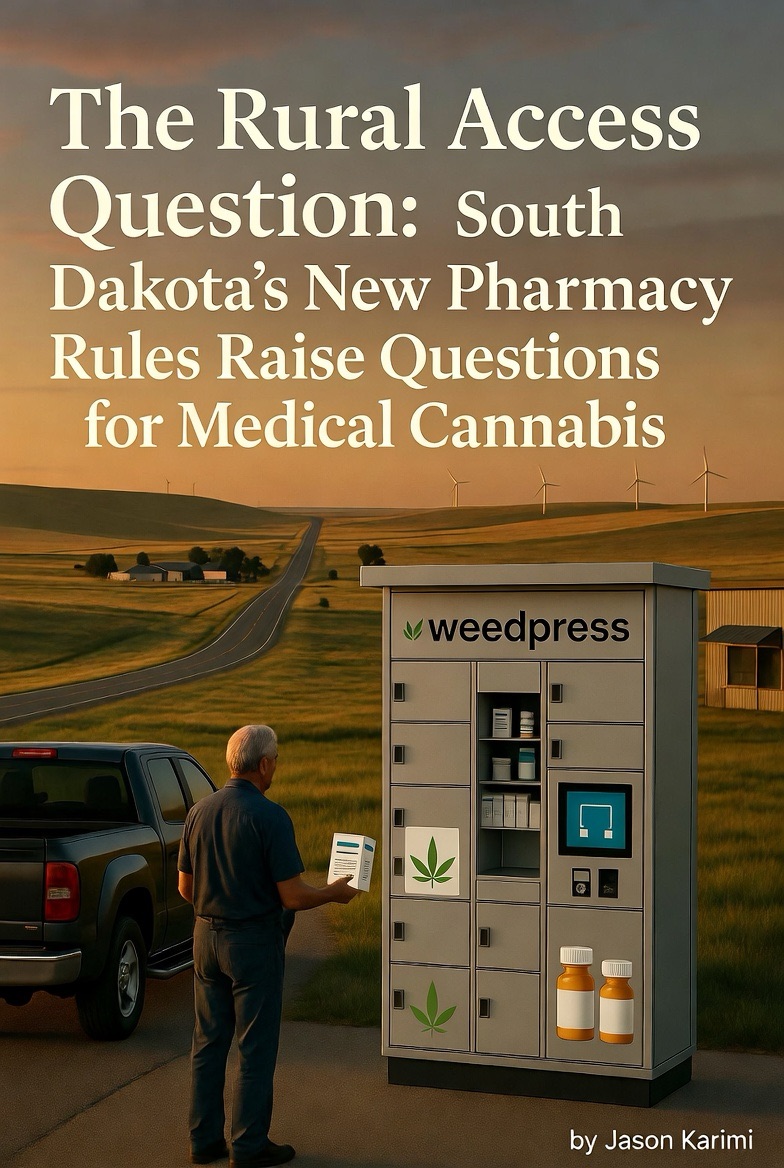
The Rural Access Question South Dakota’s New Pharmacy Rules Raise for Medical Cannabis
As regulators embrace telepharmacy and remote prescription pickup, policymakers may eventually face similar questions about medical cannabis access in rural communities. South Dakota’s Board of Pharmacy is advancing updated rules under Article 20:51 of the Administrative Rules of South Dakota (ARSD) that formalize the use of remote drop sites for prescription medications and introduce a…
-
Julian Garrett Retires: Will His Replacement Be More Pro-Marijuana in Iowa Senate District 11?
Last week, longtime Iowa State Senator Julian Garrett (R-District 11) announced he will not seek re-election due to a prostate cancer diagnosis.¹ For the first time in more than 13 years, Warren County (and part of Marion County) will have an open Senate seat in the June 2 primary and November general election. Julian Garrett…
-
I Spent 17 Years Arguing for Federal Cannabis Legitimacy. Now Small Operators Are About to Learn What That Means.
I have spent most of my adult life arguing that state medical cannabis programs could not survive forever as legally tolerated gray markets.¹ They needed federal recognition. They needed treaty analysis. They needed administrative pathways. They needed constitutional pressure. They needed people willing to say the uncomfortable thing before the institutions were ready to admit…
-
Stork Just Sent a Researcher to WeedPress: What Academic Tools Mean for Cannabis Policy Analysis
Independent statutory deep-dives are showing up alongside peer-reviewed literature in researchers’ workflows. It’s not every day your analytics dashboard lights up with a referrer you’ve never seen before. Today, May 5, 2026, WeedPress received a visit from paper-box.co — the domain tied to Stork (storkapp.me), a specialized publication-tracking and research intelligence platform used by academics,…
RFRA Updates
-
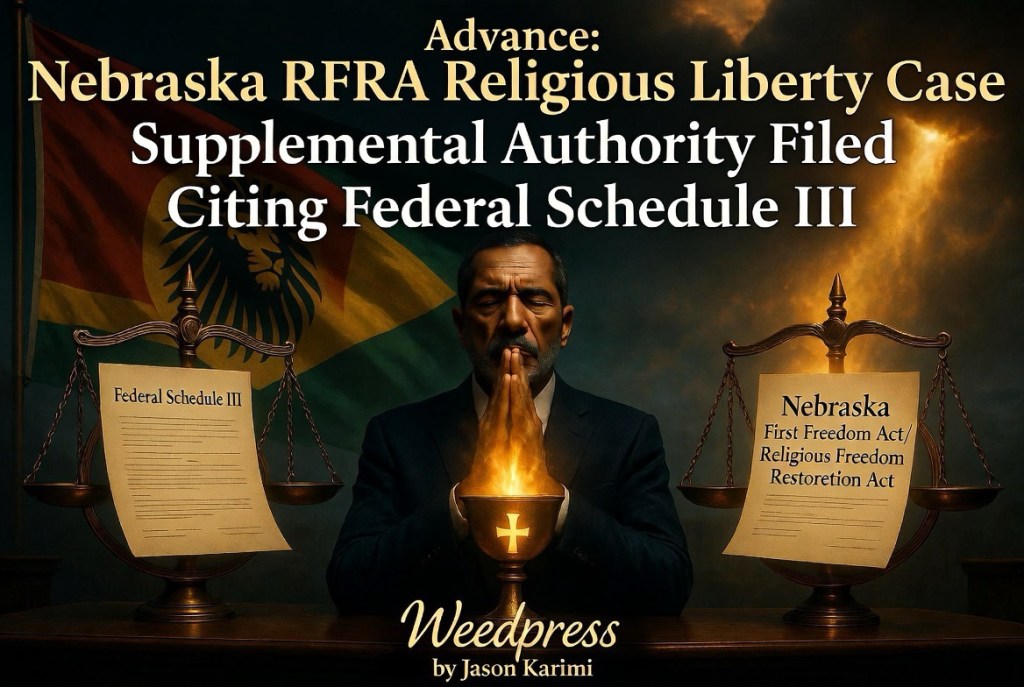
Nebraska RFRA Religious Liberty Case Advances: Supplemental Authority Filed Citing Federal Schedule III Rescheduling
Defendant Jason Karimi has filed a Notice of Supplemental Authority in Nebraska District Court while his motion to modify probation conditions under the Nebraska First Freedom Act remains under advisement. The filing notifies the Court of the recent federal Schedule III rescheduling action and Defendant’s participation in the ongoing DEA administrative proceeding (Docket No. DEA-1362)…
-
I Have Filed Notice to Participate in the DEA’s June 29 Rescheduling Hearing
Today I formally submitted my Notice of Intention to Participate in the DEA administrative hearing on the proposed rescheduling of marijuana from Schedule I to Schedule III (Docket No. DEA-1362), scheduled to begin June 29, 2026. This filing continues my 17-year record of cannabis policy advocacy and public commentary. It focuses on the interaction between…
-
Connecticut’s HB 5044 Is Not Just a Vaccine Bill. It Is a Legislative Rewrite of RFRA Mid-Litigation.
April 24, 2026 Connecticut’s HB 5044 is being sold as a vaccine-governance bill. In one sense, that is true: the bill deals broadly with immunization standards, the Department of Public Health’s authority, insurance coverage, and related vaccine-administration issues.¹ But buried inside that larger package is the provision that matters most for religious-liberty law: HB 5044…
-
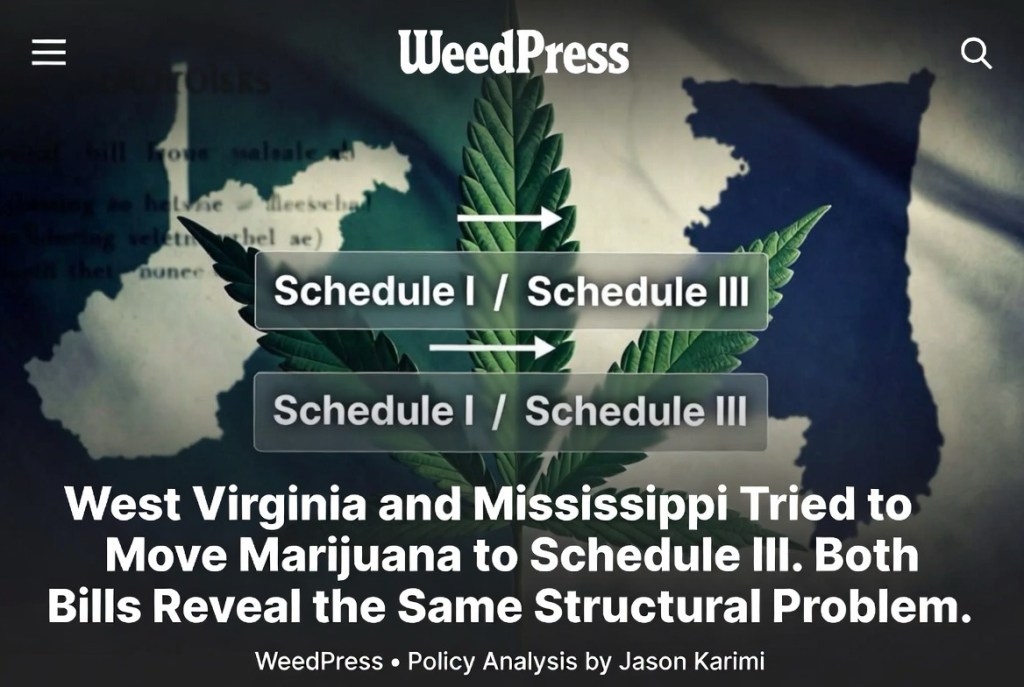
West Virginia and Mississippi Tried to Move Marijuana to Schedule III. Both Bills Reveal the Same Structural Problem.
April 24, 2026 West Virginia and Mississippi each opened the 2026 session with a bill that would have done something their existing marijuana laws still refuse to do: move cannabis from Schedule I to Schedule III under state law.¹ ² Both proposals were straightforward on paper. West Virginia’s SB 809 would amend W. Va. Code…
-
The State of Religious Freedom in America in 2026: Strong but Uneven Protection Across the States
April 21, 2026 State-level protection for religious exercise in 2026 is both stronger and less uniform than many summary accounts suggest. Roughly thirty states are commonly identified as having enacted statutory Religious Freedom Restoration Acts (“RFRAs”), while a smaller additional set is often described as providing RFRA-like protection through state constitutional doctrine. The trend is…
-
No. 19 — Religious Accommodation in Medical-Only Cannabis States
No. 19 — Religious Accommodation in Medical-Only Cannabis States: Structural Litigation Risk and Legislative Design By Jason Karimi | WeedPress Policy Series No. 19April 20, 2026 ⸻ I. Introduction: The Unaddressed Gap Medical-only cannabis states operate within a tightly regulated framework. Cultivation is limited. Home grows require registration. Plant counts are capped. Inspections are authorized.…
Upcoming Events
-
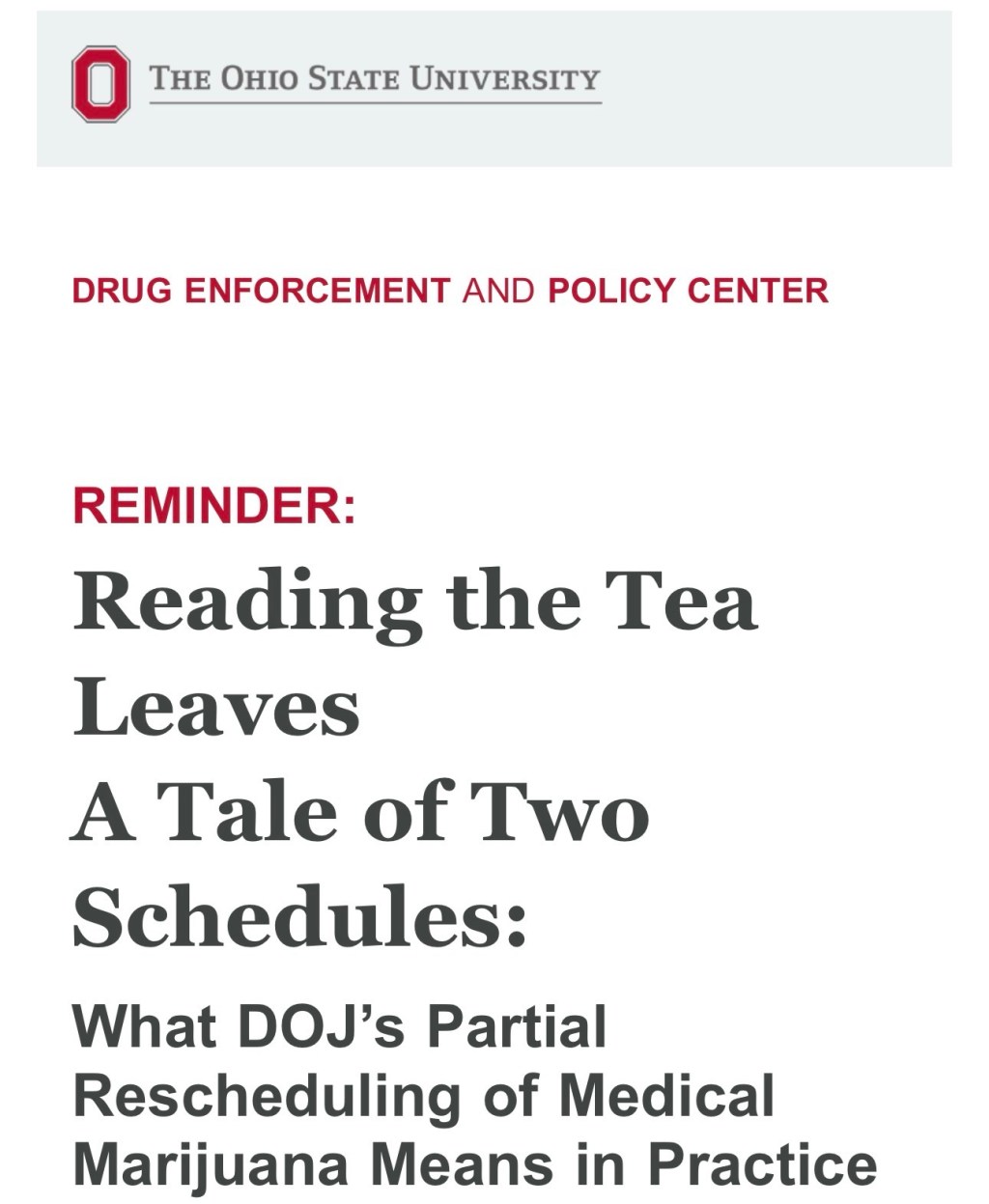
June 16 Zoom: What DOJ’s Partial Rescheduling of Medical Marijuana Means in Practice | OSU Moritz College of Law
Federal changes are real, but they are more limited and complicated than many people in the South Dakota space are claiming. Reading the Tea Leaves A Tale of Two Schedules: What DOJ’s Partial Rescheduling of Medical Marijuana Means in Practice Tuesday, June 16, 2026 noon-1:15 p.m. Zoom The recent U.S. Department of Justice’s order partially rescheduling…
-

The June 27 DEA Registration Deadline Is Coming Fast: South Dakota Operators Face a Compliance Cliff as the Safe Harbor Window Closes
With the June 27 DEA registration deadline approaching, the following analysis examines the practical timeline and compliance pressures facing South Dakota operators. South Dakota’s licensed medical cannabis operators now have roughly 29 days to secure critical federal protections before the expedited DEA registration window closes. On April 28, 2026, the Department of Justice and Drug…
-
Advance Notice to South Dakota Department of Health: Petition for Scheduling Review Will Follow Federal Rescheduling Hearings
South Dakota’s medical cannabis program stands at a critical juncture following the federal partial rescheduling of certain marijuana products to Schedule III.¹ After the DEA’s June 29, 2026 rescheduling hearing concludes, the undersigned will formally petition the South Dakota Department of Health (DOH) to review and align the state’s Schedule I classification of marijuana with…
-
I Have Filed Notice to Participate in the DEA’s June 29 Rescheduling Hearing
Today I formally submitted my Notice of Intention to Participate in the DEA administrative hearing on the proposed rescheduling of marijuana from Schedule I to Schedule III (Docket No. DEA-1362), scheduled to begin June 29, 2026. This filing continues my 17-year record of cannabis policy advocacy and public commentary. It focuses on the interaction between…
-
I Spent 17 Years Arguing for Federal Cannabis Legitimacy. Now Small Operators Are About to Learn What That Means.
I have spent most of my adult life arguing that state medical cannabis programs could not survive forever as legally tolerated gray markets.¹ They needed federal recognition. They needed treaty analysis. They needed administrative pathways. They needed constitutional pressure. They needed people willing to say the uncomfortable thing before the institutions were ready to admit…
-
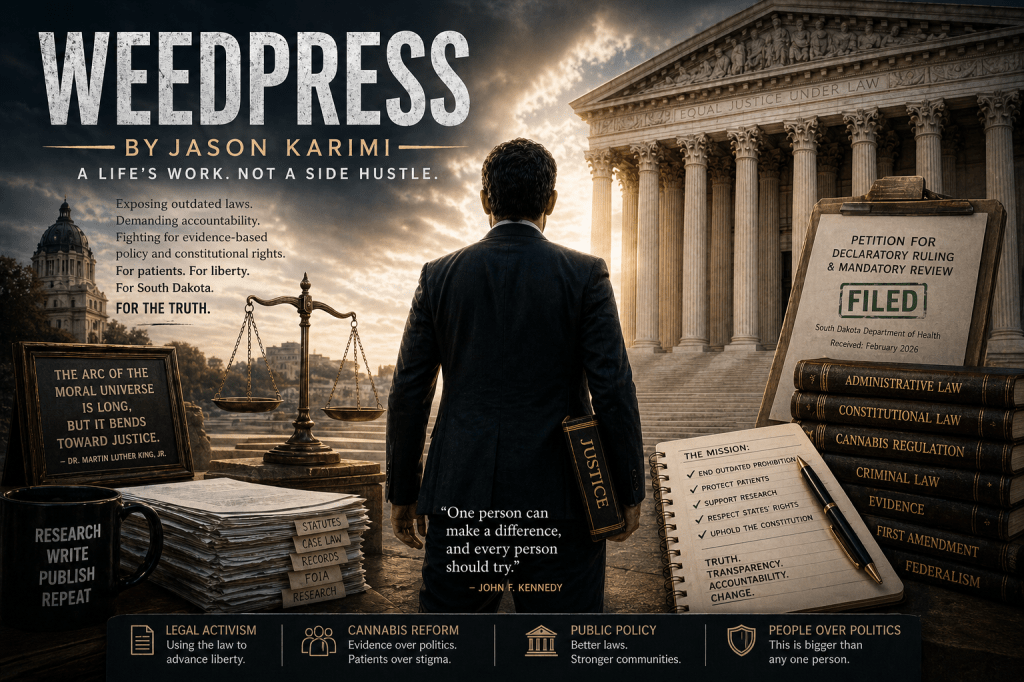
Why South Dakota’s Own Statutes Now Make Schedule I Marijuana Unlawful to Maintain
“Acting Attorney General Todd Blanche is placing both FDA-approved drug products containing marijuana, and medicinal marijuana products subject to a qualifying state-issued license in Schedule III under his authority to reschedule drugs to carry out the United States’ obligations under the Single Convention on Narcotic Drugs.”¹ South Dakota, however, is not automatically bound by that…
For The Record (2026), By Jason Karimi
-

Anonymous Speech Online: What the Law Protects — and Where It Stops
Anonymous speech has a long American pedigree, but anonymity is not the same thing as impunity. From the founding era forward, Americans have used unsigned pamphlets, pseudonymous essays, and concealed authorship to criticize power, test arguments, and protect dissenters from retaliation.² The Supreme Court has repeatedly recognized that anonymity can be part of the freedom…
-
Reflections on a Bruised Nail: What My Left Middle Finger Injury Taught Me About Inner Worth and Boundaries
Two months ago, I slammed my left middle finger, resulting in a subungual hematoma—the dark pool of blood trapped beneath the nail that turned my fingertip into a visual reminder of sudden impact.¹ No longer painful, the nail still carries a mottled shadow of black and white as new growth slowly pushes the old damage…
-
I Have Filed Notice to Participate in the DEA’s June 29 Rescheduling Hearing
Today I formally submitted my Notice of Intention to Participate in the DEA administrative hearing on the proposed rescheduling of marijuana from Schedule I to Schedule III (Docket No. DEA-1362), scheduled to begin June 29, 2026. This filing continues my 17-year record of cannabis policy advocacy and public commentary. It focuses on the interaction between…
-
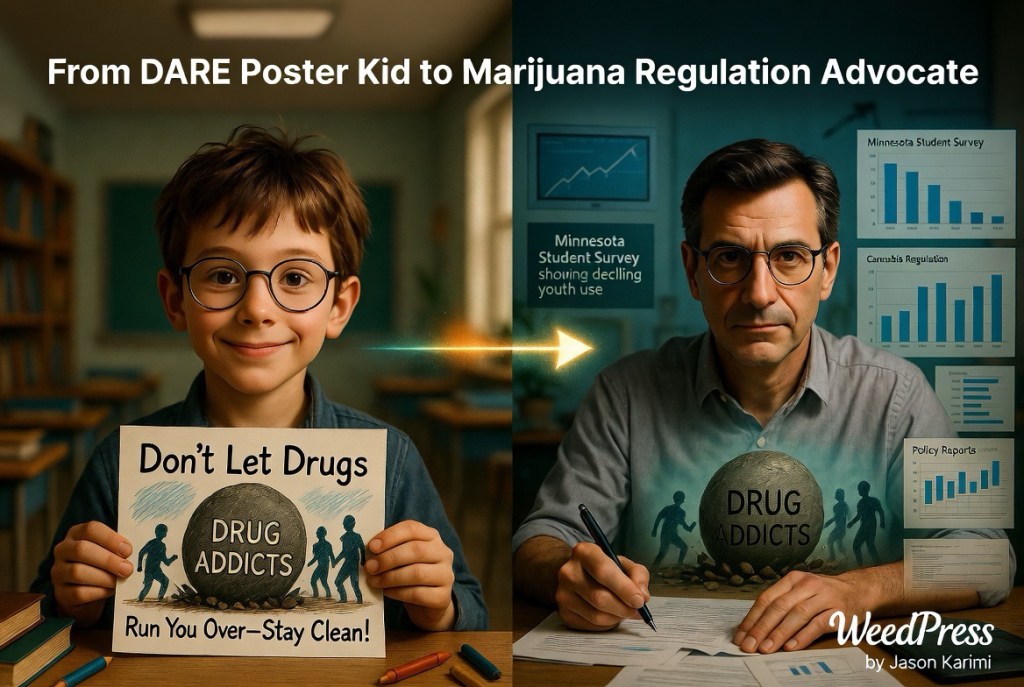
DARE Poster Kid to Marijuana Regulation Advocate: My Unchanging Fight to Protect Kids
When I was in elementary school, the DARE program left a lasting impression. Officers visited regularly, warning us about the dangers of drugs and pushing the “just say no” message. I took it seriously. So when the school announced an anti-drug poster contest open to elementary students, I threw myself into creating something impactful. My…
-

Chapter 10: What Remains
Table of Contents Preface Chapter 1 — The First ArrestEarly rupture, authority, and the beginning of resistance Chapter 2 — Before the File Was Opened Gifted education, faith, discipline, and early legitimacy Chapter 3 — Becoming a ProblemWork, exhaustion, collapse, and the cost of visibility Chapter 4 — Learning the Language of PowerCourts, probation, jail, campaigns, and proximity to decision-makers…
-

Chapter 9: The Record vs. the Narrative
Table of Contents Preface Chapter 1 — The First ArrestEarly rupture, authority, and the beginning of resistance Chapter 2 — Before the File Was Opened Gifted education, faith, discipline, and early legitimacy Chapter 3 — Becoming a ProblemWork, exhaustion, collapse, and the cost of visibility Chapter 4 — Learning the Language of PowerCourts, probation, jail, campaigns, and proximity to decision-makers…
-

Chapter 8: What the Media Gets Wrong
Table of Contents Preface Chapter 1 — The First ArrestEarly rupture, authority, and the beginning of resistance Chapter 2 — Before the File Was Opened Gifted education, faith, discipline, and early legitimacy Chapter 3 — Becoming a ProblemWork, exhaustion, collapse, and the cost of visibility Chapter 4 — Learning the Language of PowerCourts, probation, jail, campaigns, and proximity to decision-makers…
-

Chapter 7: Why I Never Left
Table of Contents Preface Chapter 1 — The First ArrestEarly rupture, authority, and the beginning of resistance Chapter 2 — Before the File Was Opened Gifted education, faith, discipline, and early legitimacy Chapter 3 — Becoming a ProblemWork, exhaustion, collapse, and the cost of visibility Chapter 4 — Learning the Language of PowerCourts, probation, jail, campaigns, and proximity to decision-makers…
-

Chapter 6: Staying Power
Table of Contents Preface Chapter 1 — The First ArrestEarly rupture, authority, and the beginning of resistance Chapter 2 — Before the File Was Opened Gifted education, faith, discipline, and early legitimacy Chapter 3 — Becoming a ProblemWork, exhaustion, collapse, and the cost of visibility Chapter 4 — Learning the Language of PowerCourts, probation, jail, campaigns, and proximity to decision-makers…
-

Chapter 5: The Apprenticeship
Table of Contents Preface Chapter 1 — The First ArrestEarly rupture, authority, and the beginning of resistance Chapter 2 — Before the File Was Opened Gifted education, faith, discipline, and early legitimacy Chapter 3 — Becoming a ProblemWork, exhaustion, collapse, and the cost of visibility Chapter 4 — Learning the Language of PowerCourts, probation, jail, campaigns, and proximity to decision-makers…
-

Chapter 4: Learning the Language of Power
Table of Contents Preface Chapter 1 — The First ArrestEarly rupture, authority, and the beginning of resistance Chapter 2 — Before the File Was Opened Gifted education, faith, discipline, and early legitimacy Chapter 3 — Becoming a ProblemWork, exhaustion, collapse, and the cost of visibility Chapter 4 — Learning the Language of PowerCourts, probation, jail, campaigns, and proximity to decision-makers…
-

Chapter 3: Becoming a Problem
Table of Contents Preface Chapter 1 — The First ArrestEarly rupture, authority, and the beginning of resistance Chapter 2 — Before the File Was Opened Gifted education, faith, discipline, and early legitimacy Chapter 3 — Becoming a ProblemWork, exhaustion, collapse, and the cost of visibility Chapter 4 — Learning the Language of PowerCourts, probation, jail, campaigns, and proximity to decision-makers…
Commentary
-
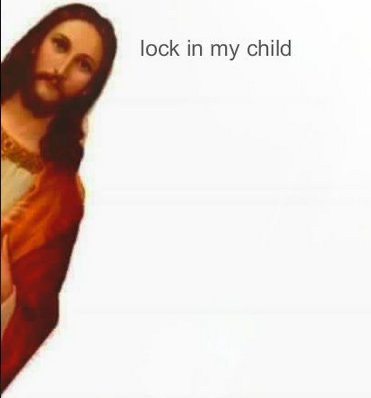
Dead Sea Scrolls Prove Book of Enoch Was Canonical During Jesus Time
The Dead Sea Scroll Proof Between 1947–1956, the Dead Sea Scrolls were discovered at Qumran. Among them were at least 11 distinct Enoch manuscripts — more copies than many Old Testament books. That tells us something critical: Enoch was not fringe. It was core scripture for major Jewish communities before Jesus. What the Scrolls show:…
-
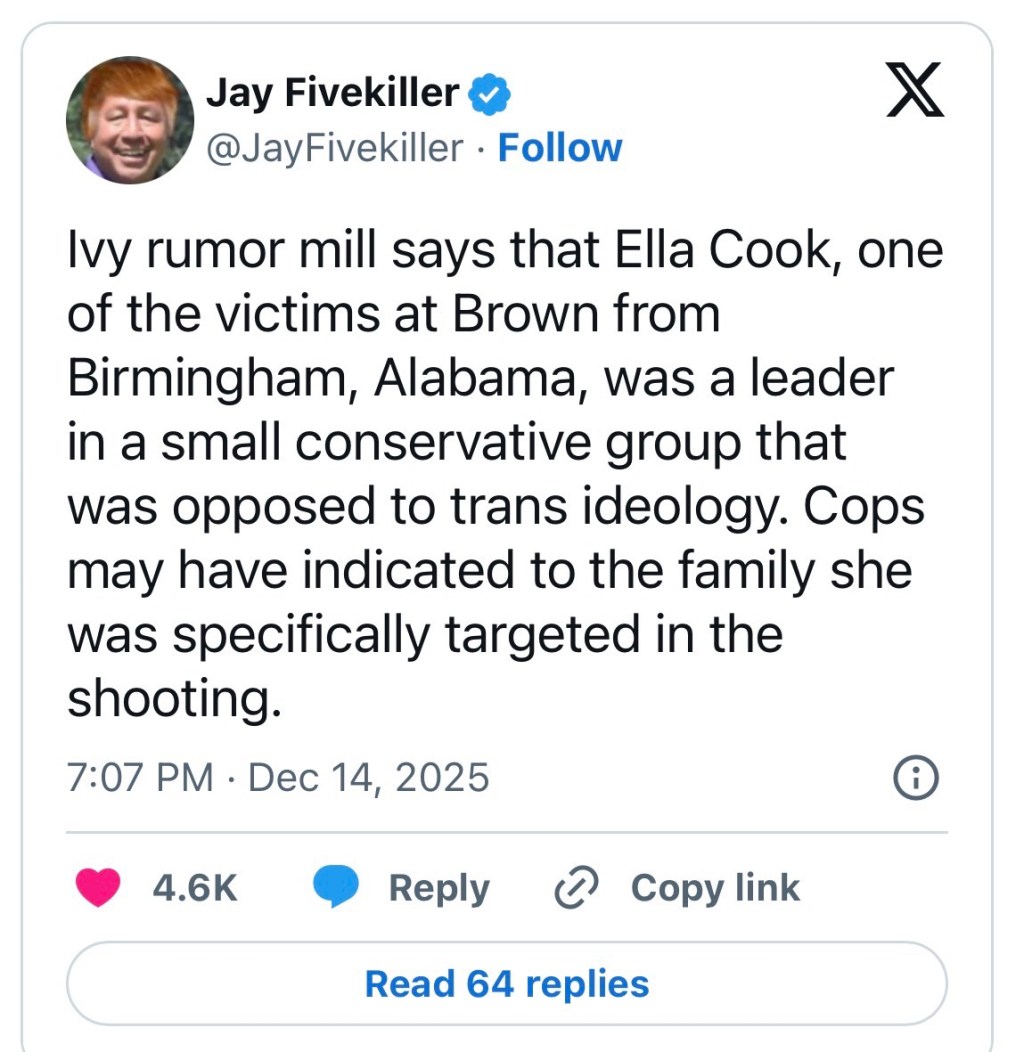
WeedPress Warned Political Violence Was Increasing And Now A 19 Year Old Was Assassinated
I met with Governor Kim Reynolds with the head of the Iowa College Republicans and other leaders in 2017 to warn political violence with my college activist group was on the rise. My colleague at Iowa State, Ryan Hurley, former President of Young Americans for Liberty at Iowa State, testified to the Governor he was…
-
“Unlocked Potential: Small Businesses in the Cannabis Industry”
In 2019, senior legal fellow Paul J. Larkin Jr. provided testimony titled “Unlocked Potential: Small Businesses in the Cannabis Industry” before the U.S. House Small Business Committee. Key Points on Business Impacts and Policy Recommendations • Differential Impacts: The testimony acknowledges that federal prohibition creates barriers for all cannabis businesses but notes that small operators…
-
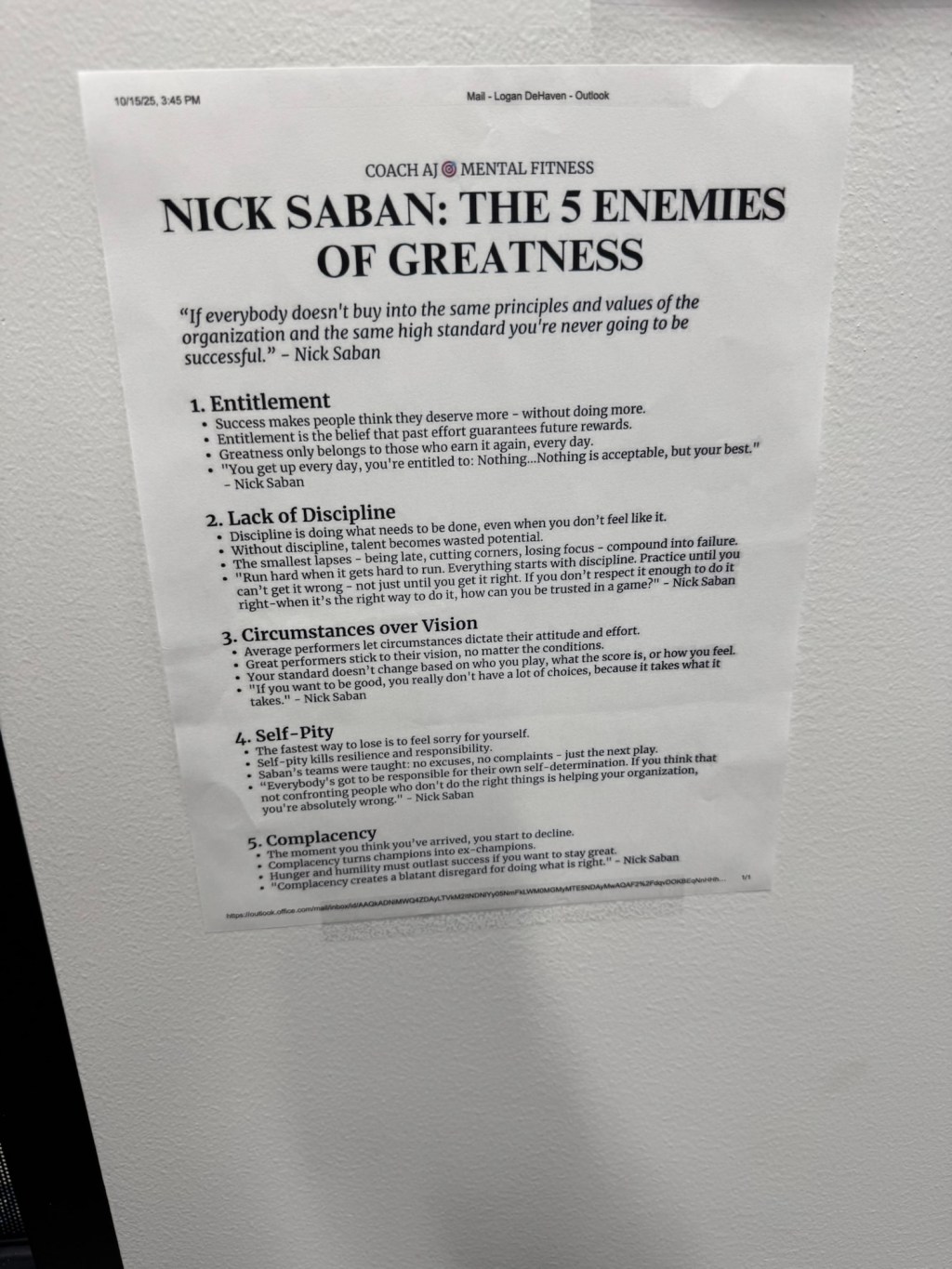
The Five Enemies Of Greatness
Spotted at a Sioux Falls Vern Eide dealership fix it ticket for camera security today.
-
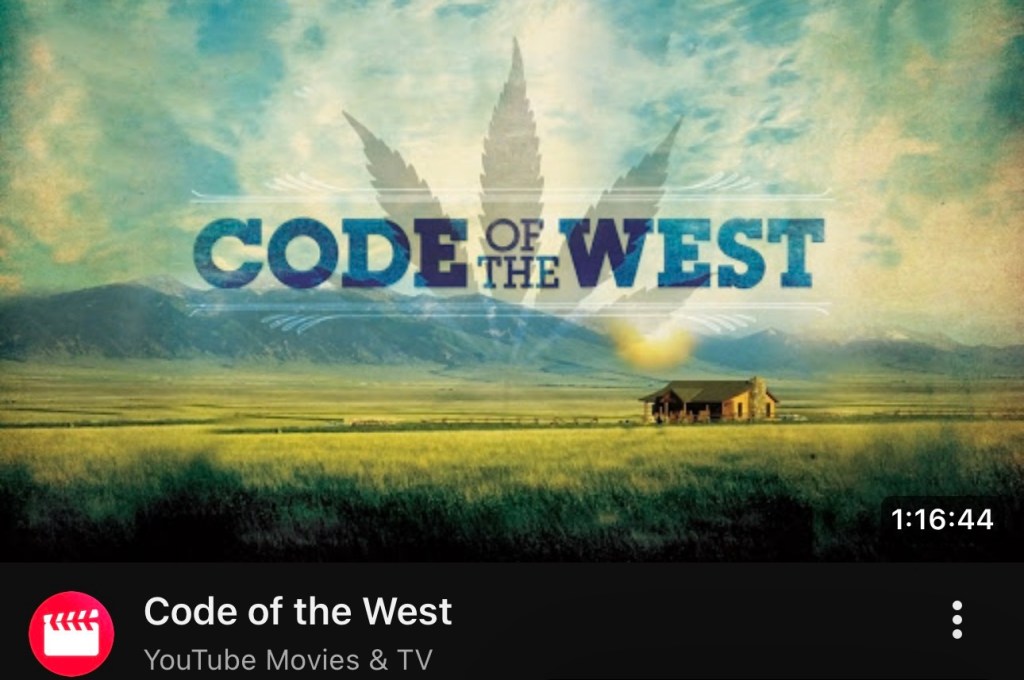
“Code of the West” Covers Montana’s Failed Effort To Repeal Marijuana Laws
Year: 2012 At a time when the world is rethinking its drug policies large and small, one state rises to the forefront. Once a pioneer in legalizing medical marijuana, the state of Montana may now become the first to repeal its medical marijuana law. Set against the sweeping vistas of the Rockies, the steamy lamplight…
-
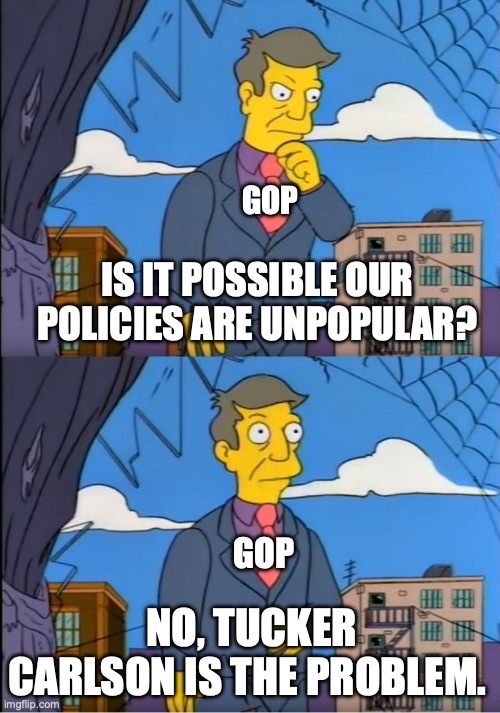
How Kim Reynolds Bullied Iowa City Council Members Out of Decriminalizing Marijuana
Iowa city council members who wished to decriminalize marijuana tell Iowa cannabis activists Kim Reynolds threatened to take away city funds from the state if the city council pursues marijuana decriminalization. As of today Kim Reynolds is the most unpopular governor in the country. Republicans stifling debate on a winning political issue using threats to…
-
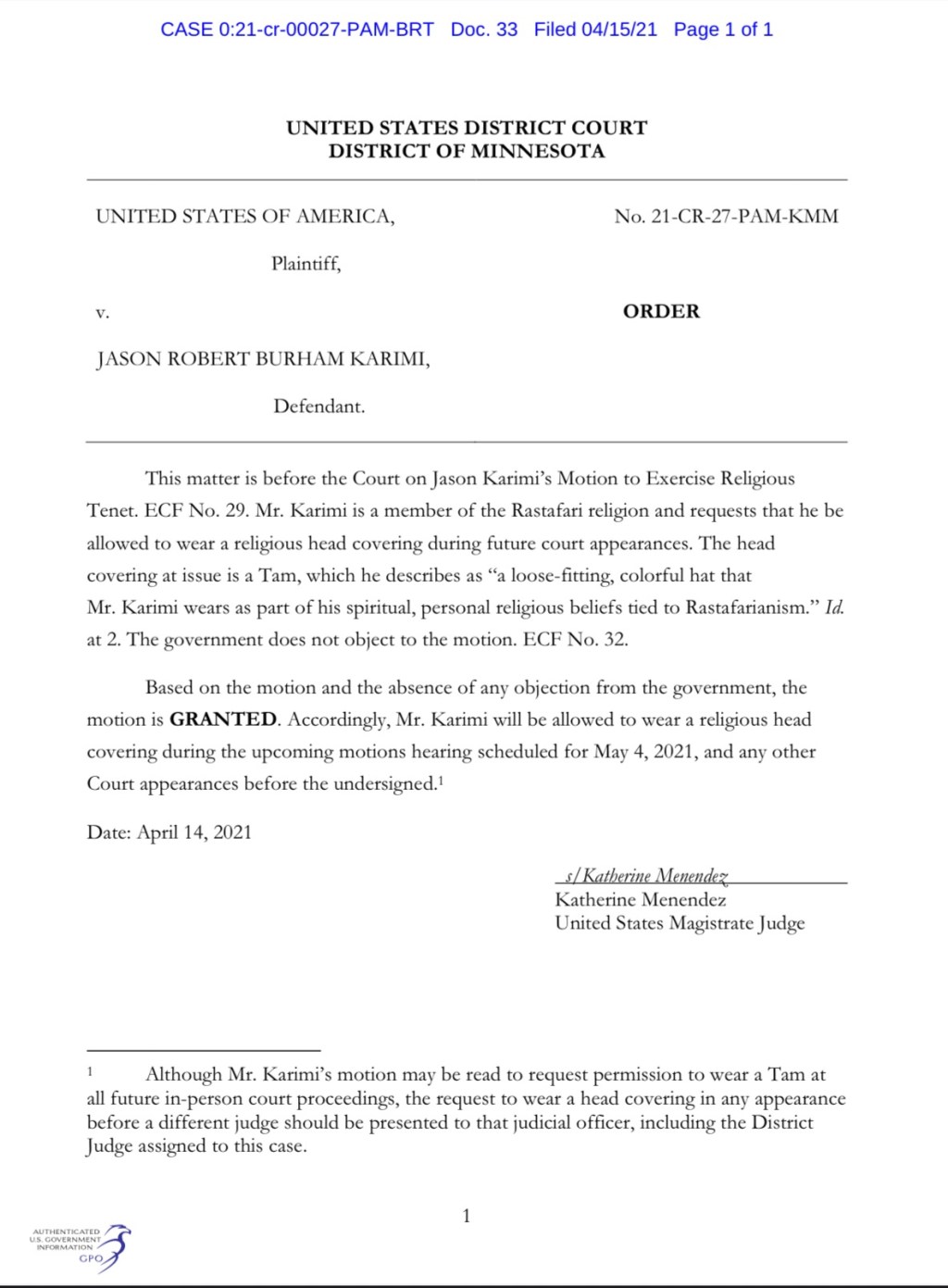
RFRA Changes The Cannabis Game; Fulfills My Prediction Religious Cannabis Constitutional Claims
Prior to RFRA state laws, I argued the first amendment right to religion would bring constitutional rulings for individuals protecting religious access to cannabis in private prayer. I think this is still the inevitable end result of cannabis litigations. There are several things to note about the RFRA.
-

Patient Perspectives
-
ILLEGAL: Homegrown Cannabis Remains Outside Federal Schedule III Protections — An Open Question With Real Consequences for Patients
The April 28, 2026 federal partial rescheduling order moved only two narrow categories of marijuana from Schedule I to Schedule III: certain FDA-approved products and marijuana produced under qualifying state-issued medical marijuana licenses.¹ Personal home cultivation was not included in either category. This creates a significant gap. In states that permit limited home growing for…
-
Tribal Operators Face Extra Risks Under Federal Rescheduling — And They Should Not Trust Reassuring Advice from People with Skin in the Game
Tribal operators face additional risks that many industry voices aren’t addressing. Independent analysis matters. Tribal and Indigenous cannabis operators are in a uniquely vulnerable position under the new federal Schedule III framework. They face all the same compliance burdens as other small operators — plus additional layers of jurisdictional complexity, disclosure risk, and uncertainty around…
-
June 3: Beard Bros Webinar Warns Tribal And Small Cannabis Operators Are At Risk
Check out the warnings for small operators from this webinar: Core Warnings for Small Operators 1. Compliance Costs & DEA Registration Burdens Are Real and Disproportionate • Small operators face significant new costs for legal counsel, application preparation, security upgrades, recordkeeping systems, and compliance infrastructure that many legacy businesses were never built to handle. •…
-
South Dakota Small Cannabis Operators Face a Compliance Cliff: Federal Rescheduling Likely to Drive More Closures and Force Consolidation
The collapse of recreational legalization efforts in South Dakota already triggered a wave of dispensary closures. At least eight licensed medical cannabis businesses shuttered in late 2024 and early 2025 amid falling cardholder numbers, intense price competition, and regulatory pressures.¹ “Then it was a race to the bottom on pricing,” one industry participant observed as…
-
The Private Reckoning: What Two Out-of-State Consultants Most Likely Taught South Dakota Operators Behind Closed Doors
The April 28, 2026 partial Schedule III order (91 Fed. Reg. 22714) did not merely lower marijuana’s scheduling classification.¹ It imposed a new federal compliance regime that effectively ended the low-overhead, cash-only state-only model that defined South Dakota’s medical cannabis program.² Some public voices have offered vague assurances that “we’ll figure it out” for the…
-
Anonymous Speech Online: What the Law Protects — and Where It Stops
Anonymous speech has a long American pedigree, but anonymity is not the same thing as impunity. From the founding era forward, Americans have used unsigned pamphlets, pseudonymous essays, and concealed authorship to criticize power, test arguments, and protect dissenters from retaliation.² The Supreme Court has repeatedly recognized that anonymity can be part of the freedom…
 WeedPress: The Paper Trail