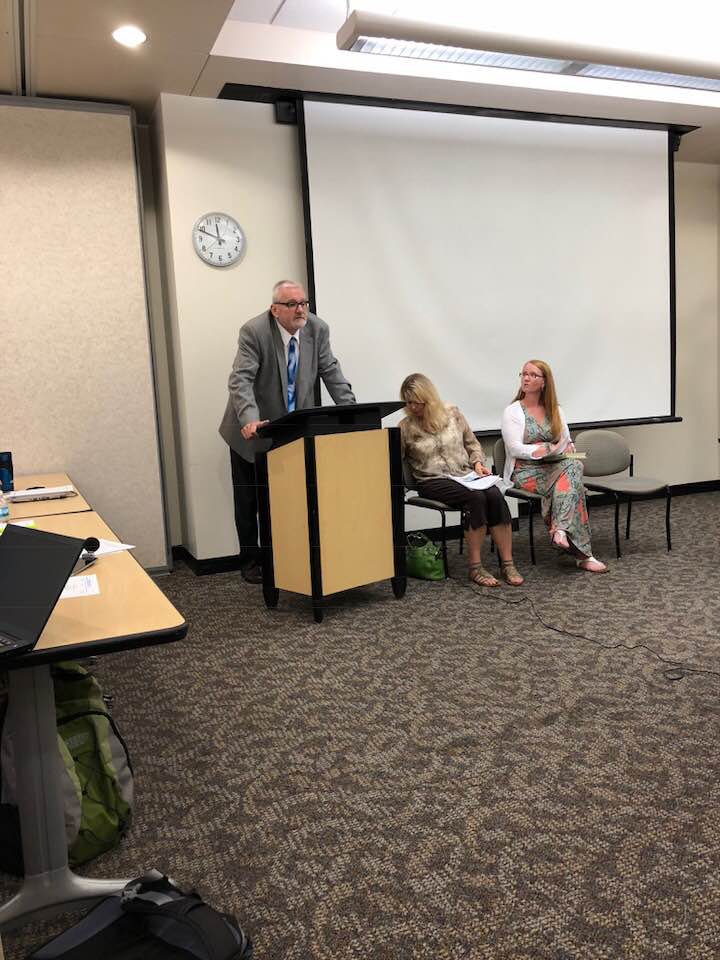
This talk between Assistant Attorney General for the State of Iowa, Heather Adams, and the Iowa Medical Cannabidiol Board took place on August 3rd 2018 in Ankeny, Iowa at DMACC’s Campus on Oralabor Road.
This discussion highlights three key areas of legal liability that physicians were worried about and need not be. If any further explanation is required once you show this to your doctor, write to us at jahkingdomcome23@gmail.com and let us know what else is needed or other questions and concerns.
See also: Iowa Department of Public Health says Iowa’s marijuana program exempted from federal laws.
Note: this unofficial transcript was done by Jason Karimi on 11-17-18 with audio from http://www.iowamedicalmarijuana.org courtesy of Carl Olsen of Iowans for Medical Marijuana. The portion of the transcript below is not the final version and may be subject to discrepancies or misinterpretations.
Note to self: Contact Heather Adams for 8th circuit DEA case concerning physician liabilities to post here.
| Heather Adams | 515.281.3441 | heather.adams@ag.iowa.gov |
Moderator: Heather Adams, Assistant Attorney General and legal counsel for the Board, will share with us a presentation on medical cannabidiol legality and liability for positions. Heather, thank you.
Heather Adams: Alright I’ve got just one hand out. I’ll pass that around. And it’s just a copy of the statute, which you all have gotten in orientation but just in case you don’t clear that (unintelligible) like we do. Um, so just a couple of caveats at the beginning. Um, you know my role here is to advise you, and to advise the Department regarding implementation of the statute, not to provide legal advice to individual positions. And your (legal?) is similar, so you’re here to implement the statute, you’re not here to provide legal advice, or any other advice, to individual positions. But I think having said that, you know there’s certainly some clear areas of the law that have prospective physician liability that we can review and perhaps provide some guidance and comfort to physicians that are involved or want to be involved with this program. So, that’s what I would like to do this morning.
I thought it would be helpful to just start out with a little refresher about what the physician’s duties are under the statute, and so if you will turn with me to page two of the act. Actually, the very first substantive section in this act talks about what are the duties of the physician relative to the patient. And so, it’s that middle section, S 124.123. And really there’s three duties that you’ll see outlined here, and the first is making the determination, about whether the person has the medical condition. The second is if so, providing the written certification. And the third is providing that information from the Department about the risks and benefits associated with providing the medical marijuana, the CBD in our case. You know, again, I think it’s important to point out, it’s not a prescription that the physician is making or handing to the patient, it’s a certification. And so that’s an important distinction when we think about some of the liability issues. And I think, you know, to unpack the statute a little bit is also helpful, in looking at what the physician does and doesn’t do under our statute. So, in making the determination, the Legislature has said, first of all, you rely on your medical judgment, um, and you have to examine and treat the patient to determine they have that debilitating medical condition. So, that’s an important piece that’s built in is that there is that responsibility for the physician to examine and treat and determine that that patient suffers from the condition and qualifies for use of medical cannabidiol. And then they can go get a written certification, and we’ve talked about that, and that’s done under the Department’s forms. And then providing the information about risk benefits and side effects of the proposed treatment, and the Department has on it’s web site, and I have here are some copies if you’re interested. I know that you’ve reviewed the substance of what that looks like but really just telling the patient, here’s how it works, how we go about it, what the benefits are, um, how it’s used, and what the principal side effects might be. So, um, that’s just a quick refresher, but I think those things are important when we look at liability issues. Just understanding the limited scope of the physicians involvement that we have here in our city.
Questioner: If it’s ok to interrupt you. So my question is, is this risks, benefits and side effects, I think it’s kind of a big umbrella, is it possible to take that, away? So the patient can just be told they can look at that themselves? Simply because we’re not dealing with a studied treatment, where there would be clear risks, benefits, side effects. You know what I’m thinking?
Heather Adams: Right. And I mean, what we have here, is we have implement what the Legislature has given us. And this is the language that we have in the act. So, I think that if physicians are going to participate, they need to follow the section and provide that information. I mean I, we’ve talked about, you know, are there better ways to do this, would it be better not to have a physician involved at all and just have someone pull that code from the medical records, and I think all those things are ideas, but, what I’m really trying to do is look at, what’s the guidance that they’ve given, and how do we make sure that physicians are following that guidance.
Questioner: Right. And I’m just parenthetically saying, that I don’t find that (unintelligible). You know. That’s all that I’m saying.
Heather Adams: Yeah. And I think the piece about, that I see is limited, is the Legislature saying, you give them information that the Department of Public Health has provided. So, we’re not saying to physicians, you’ve gotta go out there and scour the literature and come up with some guidance. What the Legislature is saying is, we’re going to have the Department of Public Health put that together, and then that’s what you give your patients. So, that’s my sort of limited role that I see for the permission there, is they’re not responsible for putting that document or uh, that that special together.
Questioner: Does anyone have some other important questions on that? Does it bother anybody?
Questioner 2: So, from my standpoint, I’m ok with the wording that you’re just handing me information that the Department has provided. I don’t think that we necessarily need to do all of the, you know, the leg work and the side effects and benefits. I mean that’s just the way it’s worded. And that’s the role that they’ve captured for the physicians that’s involved. So, will that be easily available to the physicians on the website?
Heather Adams: Yeah, see, it’s prominent on the website right now, where I know that the Department is doing some education too with the physicians too to help them have access to that document.
(Note: Document available as of 11-18-2018 at this link: https://idph.iowa.gov/cbd/For-Physicians )
The Following document is an information sheet that physicians are required to discuss with patients. It provides explanatory information about the possible risks, benefits and side effects of medical cannabidiol.
Heather Adams: But it took me I think three clicks to get to it this morning when I went and pulled up copies. So, it’s, so far —
Unknown: Because I’d like to put that in the newsletter, with, for the estopathic (sp?) position, so that they know where to go to find it.
Unknown: And I believe also, in the written application that somebody provided to you, there is the link, the URL .Heather Adams: Certainly we’re trying to be sensible.
Lucas Nelson(?): Certainly we’re trying to work to improve as well. Something we’re building in the background all the time.8’ mark
Unknown: Does the patient sign off? Do they understand where to sign all of this?
Heather Adams: There’s not a requirement for the patient to sign off. You know I think that it is good medical practice that you document that you’ve given them that information. That’s, you know, again just showing that you complied with the statutes, that you’ve examined them, that you’ve made the determination, you’ve given them this handout. Those are things that can be documented in the record.Unknown: So when patients read under the risk and benefits, will it say, this may interact with your other meds and cause toxicity with it, for example.
Heather Adams: There is a statement about both potential side effects with other medications and then contraindications for use. Um, and you know, again, I think we’ve talked about, we’re always open, at the Department, to your guys (unintelligible) on this document. Because that’s, it’s helpful for us to make sure that this is as beneficial for patients in understanding what is out there.
Unknown: Absolutely. We’re happy to field that information from you. But it’s ultimately we are (unintelligible) we want to give you the information that will help you do the best job.
Heather Adams: So maybe we could have that printed out and then be invited for feedback on that, formally?
Unknown MedPharm: Yeah.
Heather Adams: So what I hear, primarily, from um, this Board, and then from staff and professions that I am getting really relate to three questions about physician liability. And the first is, uh, from physicians, if I participate in the program, am I in danger of criminal prosecution? Or are, am I putting my staff in danger if they are participating in this project? So if I’ve got a patient that gets picked up, they’ve got the product, it’s traced back to me somehow, am I at risk criminally for being prosecuted? And so I wanna talk through what the statute provides about that, question, and I think the answer is clearly under the statute, no, we are not at risk of criminal prosecution. The affirmative defenses are contained towards the end of the bill, on page 9, and then on Section 124E.12. And the very first section in that paragraph deals with this issue of criminal prosecution and provides that healthcare providers, including your agents and employees, are not subject to prosecution for any acts involving certification, possession, administration of marijuana under the laws of the state. Any activities that arise out of or are related to your certification for the patient’s use in treatment of a medical condition as authorized in the chapter. So that’s uh, I think some assurances to physicians in terms of that criminal element there’s not a risk of criminal prosecution provided, again, that you follow the statute that we just reviewed regarding that certification.
The second question that we’ve reviewed is, if I participate, by providing the certification, am I putting my medical license, or my DEA registration in jeopardy? So, we’ve had that question come up.
And again, I think that the Legislature’s anticipated that and answered no. Your license is not at risk for participation. That particular provision is in subsection 6 of this same statute on page 9 and provides that healthcare practitioners are not subject to civil or disciplinary penalties by the Board of Medicine, or by any business, occupational, professional or licensing board or entity again for providing that certification in related to the patients possession of medical cannabidiol under the chapter. So that’s a statement regarding um, the license, and I think the Legislature, speaking clearly to whether the Board can take action, and removing that possibility provided that we have that participation. With respect to the DEA registration, there has been some case law about that issue from the 8th circuit. So we have some good guidance that physicians cannot, are going to be, subject to DEA sanction for providing that information, or providing information to their patients about the use of marijuana. And I have that case with me if any of you are more interested specifically in having a copy of that, I did bring copies.
And then the final, the third question that I think we’ve talked about here and I’ve received too is if I’ve participated am I going to be sued for malpractice? Or are my patients going to be able to have a malpractice action against me?
And I think what we can say definitively there is what’s happened across the country. And so, we’ve done pretty thorough reviews from West Law, from Med Scape, I’ve looked at the American Bar Association and Health Lawyer. There are not any reported cases across the country in those many many states where programs are being implemented. We have not seen a single malpractice case regarding a physician’s involvement in the program. So, again, I’m not saying that it can happen, I’m saying that it hasn’t yet happened, and I think that that’s important when we look at how far ahead some other states are in terms of implementing their programs and what they’ve seen regarding physicians. There’s a little bit of guidance out there from some attorneys in this area. And what I’ve seen cited are legal experts saying they think the legal risk is minimal. Again, it’s not non-existent, but that’s the phrase that I see, is minimal. And part of that relates to the fact again that you’re not prescribing, your certifying, so your role there is limited, that you’re providing information some other source has given you, you’re not providing that type of information. So, I think there’s some, again those things in the statute. And the cases I’ve seen, all that I’ve seen reported of doctors either being sanctioned by the Board or having some kind of action, are really those cases where physicians have taken actions that I think all of us would say were outside the pale, or really were clearly inappropriate actions. I saw actions in three states, one from Colorado, where a physician was disciplined for setting up toddlers in hotels to see patients who were seeking recommendations for marijuana, and they weren’t actually his patients, so he just kind of funneled the paperwork through these different venues. There was an Arizona physician who issued 483 certifications without ever actually seeing the patients that he was involved with there. And then a Maine gynecologist who lost his license for writing medical marijuana certificates for men who were not his patients at all. So, really, those are the only three actions that I can find referenced, and I think that, again, they’re actions where physicians were acting very clearly outside the parameters that were set up in the statute. So, the last couple things I’d say with respect to liability, I mean we talk about providing a standard of care for the physicians. And here, what that means I think is you comply with the statute to those things that we’ve already talked about. And then, the Board of Medicine has also adopted some administrative rules to provide for the standard of care for physicians. And those are in their sectional rules where they lay out standard of care for a lot of different kinds of practice. So, there’s standards for pain management, they have standards for tick borne diseases, standards in several different areas. And basically what they’ve done there is to say, you need to follow the statutory provisions. And then there’s one additional requirement that they’ve outlined, which is not to have an office that’s located with a dispensary or manufacturer. So, just looking at that financial relationship I think there. Um, so they’re just saying, make sure you have an established relationship, do the certification, and provide the information in terms of what that standard of care would look like. That’s truly what we have in terms of what that standard looks like for our state. So, again those are kind of the three areas of physician liability that we’ve um, fielded up, at the Department, there’s some things obviously that we don’t know because these programs are new, but in terms of what we do know, I think we can pretty clearly say that criminal prosecution is not a problem. Board licensure is not an issue provided the statutes followed, and then, you know, we’re just watching what’s happening around the country regarding with respect to malpractice but at this point, not seeing any reported cases regarding physicians actions in those areas.
Unknown: So do you perceive any problem if an individual institution wanted to have their own form, where they had the patient, in order to be part of the program, sign that they accept potential risks and benefits?
Heather Adams: Yeah, and you know, I think that some of those questions that I’ve gotten, I don’t see our Board or the Department’s role to give that advice. Those people are going to be saying to their attorneys, for their clinics or their hospitals. And they also need to be talking to their malpractice carriers I think about this issue. And talking about, you know, that very issue, mal, what they think is appropriate. I don’t think we are going to be, and I don’t think we have the authority to be, sort of drilling that sort of advice to providers.
Unknown: I guess why I’m asking you, is there anything in the paperwork that would preclude an individual institution adding their own, um, charted information that a patient signs?
Heather Adams: That’s not precluded by the Act.
Unknown man: There’s somewhere in there that talks about, I think you used a different term, but I think like “ongoing relationship” or something like that like “established patient,” you know what I?
Heather Adams: Right.
Unknown man: So, if somebody came in to see me, and I certified that they had a condition, and they just came back, when I had to recertify them, is that an established relationship, or how do you interpret that?
Heather Adams: No, it’s not, I don’t think that’s the term – the statute uses the term “primary care provider,” and then you in the rules of the Department, we define that as a healthcare practitioner involved in the diagnosis and treatment of the patient’s debilitating medical condition. So, as long as you’re involved in that process, then you’re complying with the statute in that respect.
Unknown man: So how about if like, if somebody had Ulcerative Colitis and used a gastroneurologist but they only see them infrequently and I’m their primary care provider and I had a certification from them that they have ulcerative colitis. Does that mean I have an ongoing relationship with that patient but I can’t certify them even though I’m not treating that condition?
Heather Adams: I think that would go, you know, are you involved with that diagnosis and treatment of that medical condition in any way? And so there are patients obviously that have that primary care provider, and then they also have a neurologist who may see them specifically for Parkinson’s or another condition, and those physicians could be involved.
 WeedPress: The Paper Trail
Leave a comment