The following information is courtesy of the Iowa Harm Reduction Coalition.
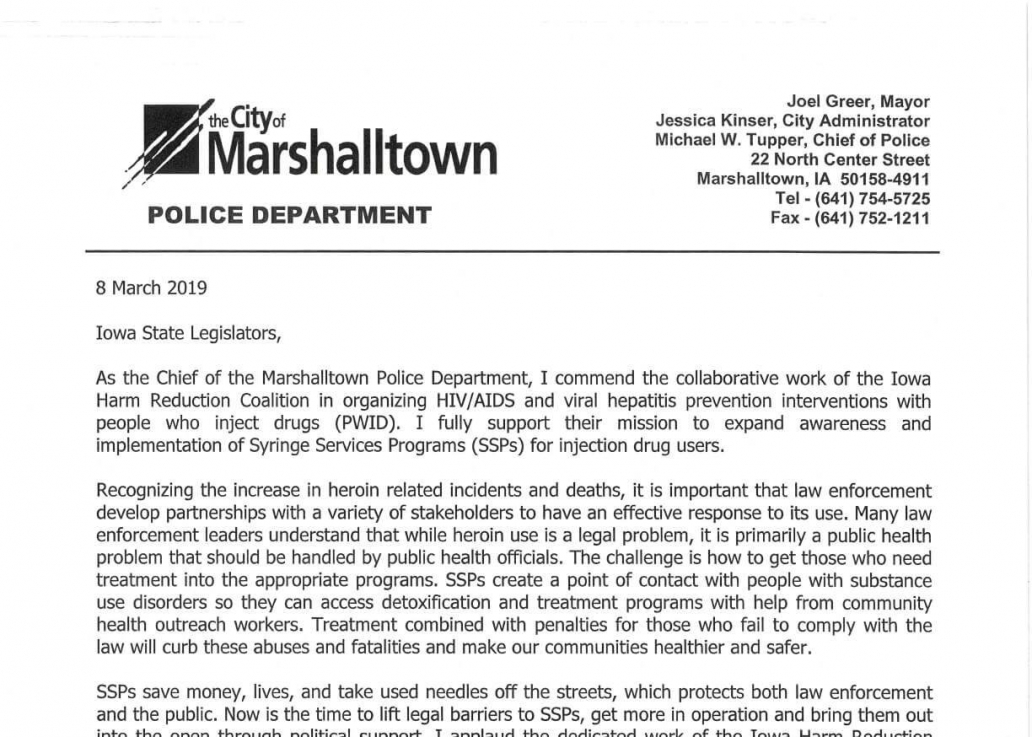
Law Enforcement Officers Support Syringe Service Programs and Needle Exchange
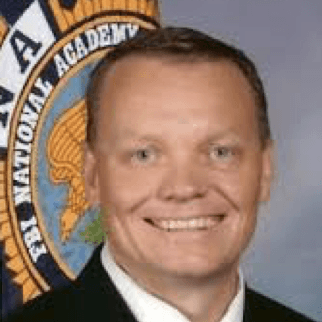
Chief Michael Tupper
Marshalltown
Chief of Police, Marshalltown Police Department
“SSPs save money, lives, and take used needles off the streets, which protects both law enforcement and the public. Now is the time to lift legal barriers to SSPs, get more in operation, and bring them out into the open through political support.”

Chief Mark Prosser
Storm Lake
Storm Lake Police Department
“I fully support the implementation of Syringe Services Programs (SSPs) for injection drug users. Recognizing the increase in heroin related incidents and deaths, it is important that law enforcement develop partnerships with a variety of stakeholders to have a an effective response to its use. Many police chiefs understand that while heroin use is a legal problem, it is primarily a public health problem that should be handled with combined efforts with public health officials. The challenge is how to get those who need treatment into the appropriate programs.”

Senator Dan Dawson
Council Bluffs
Iowa Senate District 8
Special Agent
Iowa Division of Criminal Investigation
“One of the first things I thought was, needle exchange, what the heck? As a law enforcement officer, its something that I initially had an adverse reaction to. But when I started doing some more reading and we started having conversations, my mind was changed by just looking at the data.”
“[Among Republican legislators] I think the support, you’d be shocked to know how much support there really is when we start talking behind the scenes. Like anything else we deal with in the legislature, you have the moral implications vs. the costs, and the cost savings. And those are the three tiers we look at when we have these discussions. When we drill down into the data that is out there, the data clearly shows that the majority of hepatitis and AIDS infections comes from dirty needles. This program has been shown to be effective in other parts of the United States to reduce diseases. Most persons, when you show them the data, its just a matter of having thoughtful conversations and breaking it down. There is a lot of merit to this reducing infectious diseases. The most convincing case I will make, is that the data clearly shows that a syringe exchange program does lower the hepatitis C and HIV transmission rates. If there is a concern about individuals using money for needles instead of textbooks, you’re going to save money for textbooks and education down the road because we are going to lower health care costs inside our prison system.”
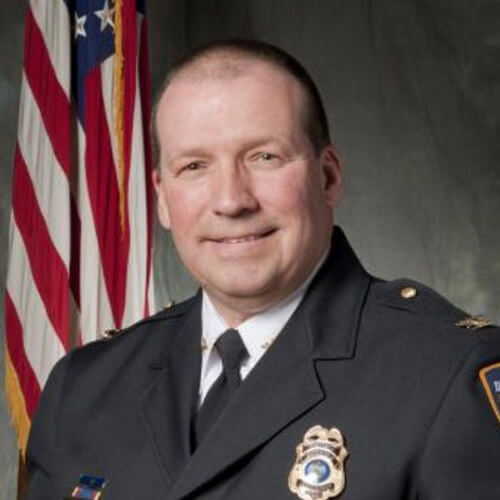
Chief Jody Matherly
Iowa City
Iowa City Police Department
“Recognizing the increase in heroin related incidents and deaths, it is important that law enforcement develop partnerships with a variety of stakeholders to have an effective response to its use. Many police chiefs understand that while heroin use is a legal problem, it is primarily a public health problem that should be handled by public health officials. The challenge is how to get those who need treatment into the appropriate programs. SSPs create a point of contact with people with substance use disorders so they can access detoxification and treatment programs with help from community health outreach workers.”

Senator Kevin Kinney
Oxford
Iowa Senate District 39
Lieutenant (retired)
Johnson County Sheriff’s Office
“The opioid addiction crisis affects Iowans from all walks of life every day, and it’s creating another epidemic: sharing needles to inject the drug. As a result, Hepatitis C and HIV are on the rise in Iowa. To help stem the tide, advocates recommend syringe exchange programs that provide clean needles to those struggling with addition. The Iowa Department of Public Health and the Iowa Harm Reduction Coalition promote these programs to limit the impact of the opioid crisis. SF 2294 would allow syringe services programs in Iowa, under the oversight of the Department of Public Health. Although some believe this proposal would enable addicts, similar programs in other states have successfully reduced outbreaks of Hepatitis C and HIV, and have helped many get the substance abuse treatment they need. Some estimates show needle exchange programs make it five times more likely an addict will seek treatment.”

Representative Wes Breckenridge
Newton
Iowa House District #29
Lieutenant (retired)
Newton Police Department
“As a retired police officer, I see the value of a needle exchange program. Statistics support that it does NOT increase drug use. Needle exchanges would increase police officer and community safety. Ready availability of clean needles and cleaner disposal of dirty ones would greatly decrease accidental exposure to needles by police and the public. Studies confirm needle exchanges reduce disease transmission and increase substance abuse treatment, both of which increase public safety.”
Letters of support from law enforcement


Law Enforcement & Syringe Exchange Programs: The North Carolina Experience.

David’s story
SSPs create opportunities for healing
David is a 42 year old Cedar Rapids resident who is the manager of a local restaurant. He and his wife have used heroin and methamphetamine together for many years. In the fall of 2017, David decided he wanted to stop using heroin and meth, but wanted to “wean himself off,” rather than beginning a suboxone or methadone program. Each week he would report to IHRC that he had reduced his daily dosing incrementally, and he used a number of strategies to use increasingly less – he even added weight to his scale so he would not know how much less he was using. He compared it to what someone might do if they were trying to lose weight using diet and exercise. Then one day, he decided he was ready to taper completely. The first day he quit was hard – so an IHRC outreach worker spent three hours with him, providing support and counselling. Pursuing sobriety wasn’t easy – each day, outreach workers checked in with him to offer affirmation and encouragement in support of his choices. For David, the transition from actively using to reducing his use to becoming abstinent was smoothly supported through trusting relationships established through his harm reduction program.

Ben’s Story
SSPs offer connections to treatment
Ben is a 26 year old from Iowa City who has been using heroin for several years. In the fall of 2017, he met the Iowa Harm Reduction Coalition (IHRC) while they were conducting community outreach. He received a naloxone kit and was grateful for the assistance, but was disappointed not to be able to receive syringes – he worried about contracting HIV or hepatitis from the friends he regularly used with. After meeting IHRC, he returned often to receive naloxone and spend time with some of the outreach workers he had formed friendships with. Several months later, Ben returned to IHRC to tell the outreach workers that he was quitting – he was sick of using and wanted to enroll in a suboxone program. But he was having difficulty finding a provider or a clinic – the wait time for one clinic was nine weeks; another required that he find a ride to Cedar Rapids each day for methadone; another required he pay out of pocket; some required he have a valid government ID. When he told IHRC’s outreach workers about the difficulty he was experiencing, they were able to offer him assistance. But it wasn’t easy – it took hours spent on the phone, looking for treatment providers who had space available to take on a new patient. Finally, through a physician that the IHRC outreach workers had an existing relationship with, IHRC was able to find a place in a suboxone treatment program that worked for Ben’s needs. Across the country, harm reduction programs offer a point of connection to people who use drugs, and create supportive relationships like these. These programs do much more than just offer a piece of paper as a referral.
 WeedPress: The Paper Trail
Leave a comment