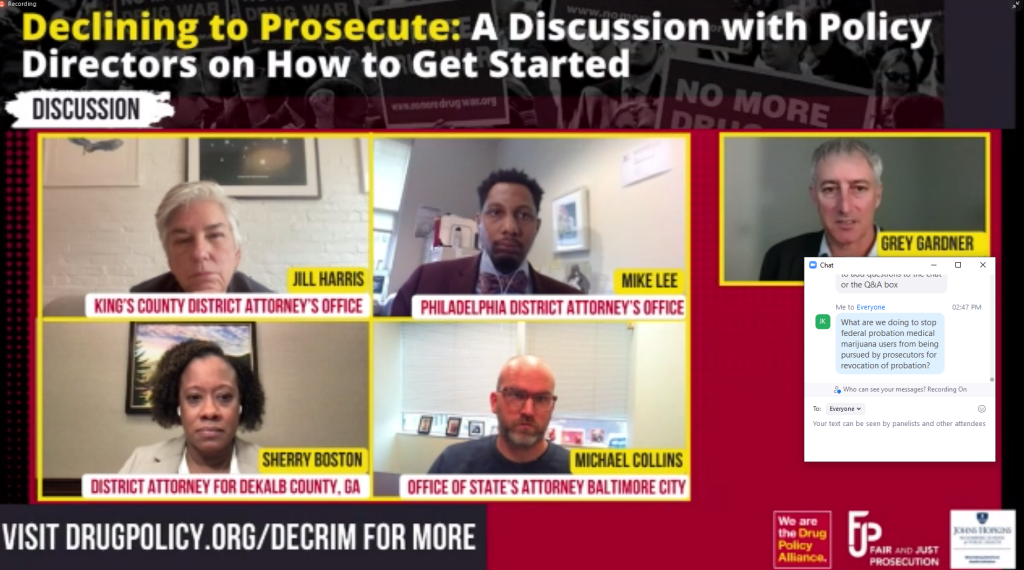
I took passive part in a really useful and informative discussion featuring a panel of representatives from all the worst drug cities in the country — especially Baltimore — and put video of it up here a few days in advance of a more official version the Drug Policy Alliance, who sponsored today’s panel, will put out for the public. Here’s my video for now, and notes:
I also have notes…and questions.
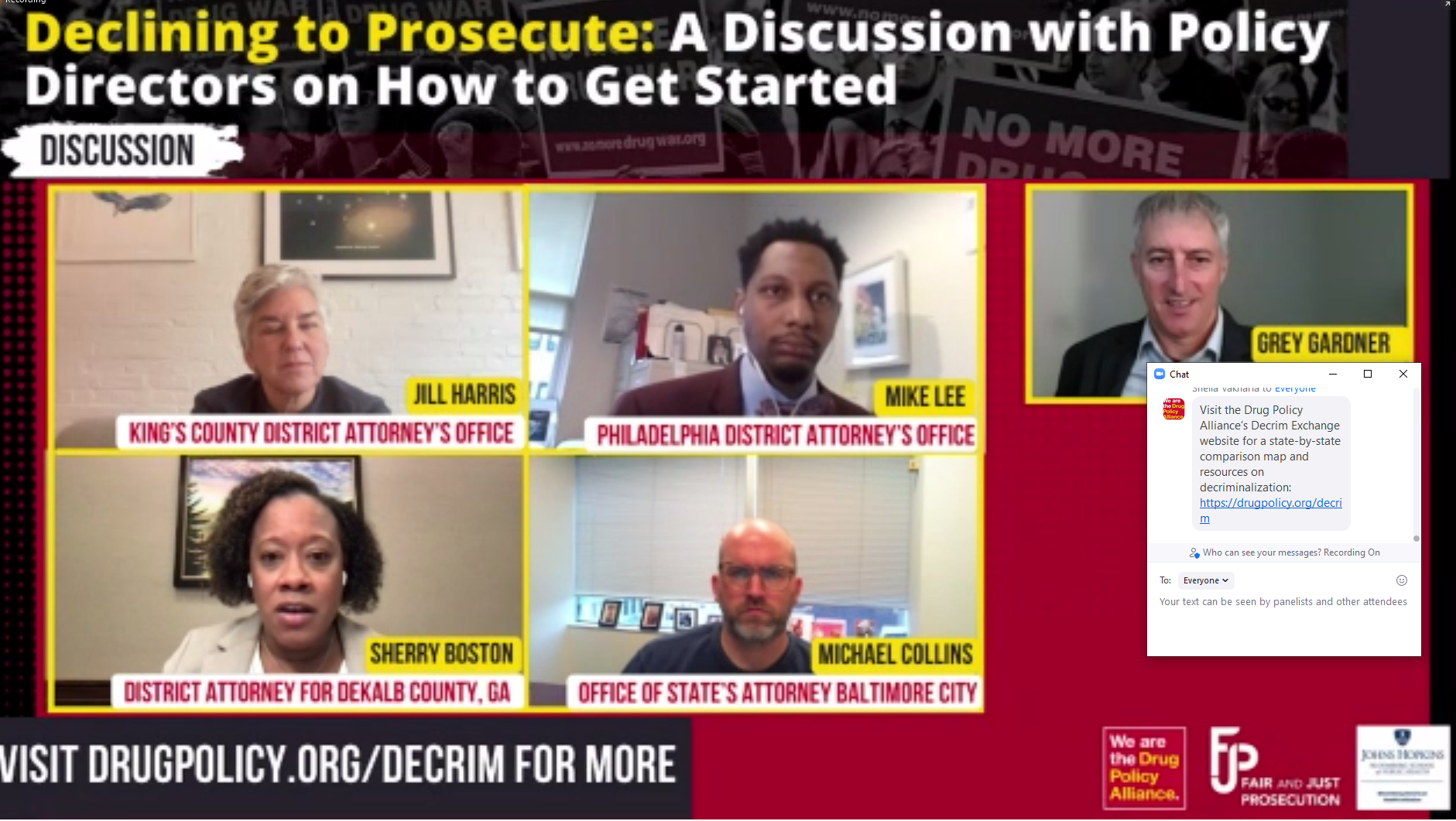
My notes:
Sherry Boston, District Attorney for DeKalb County Georgia
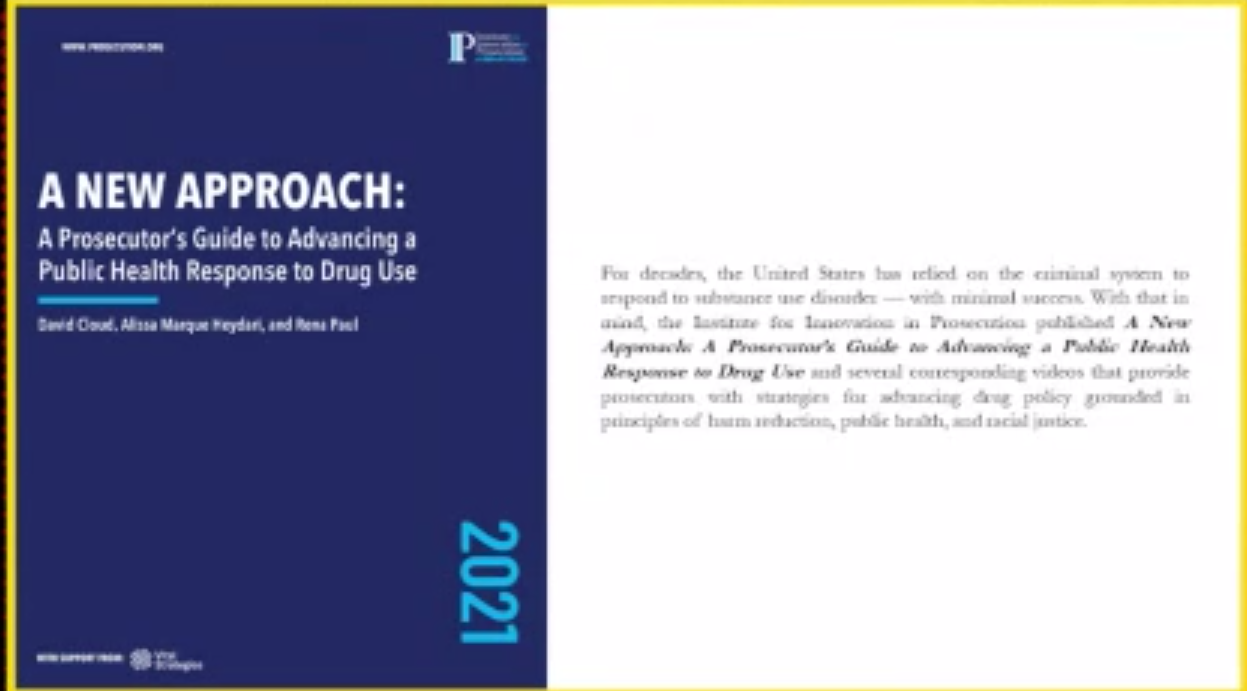
To read the report that DA Boston is presenting on, “A New Approach: A Prosecutor’s Guide to Advancing a Public Health Response to Drug Use” click here: https://www.prosecution.org/publichealth
– NY, Philly, Baltimore mentioned where colleagues are doing good work
- Office she oversees only takes felony prosecutions
- Separate office handles misdemeanors – she used to run/handle that office — i think she said those misdemeanors were handled by the AG Municipal office?
- Her office oversees 230 staff, soon to be 270 in the felony only office
- Elder crimes, disability crimes
- Digital forensics
- Domestic violence, sex assault
- Homicide/gang units
- Pre-charging unit
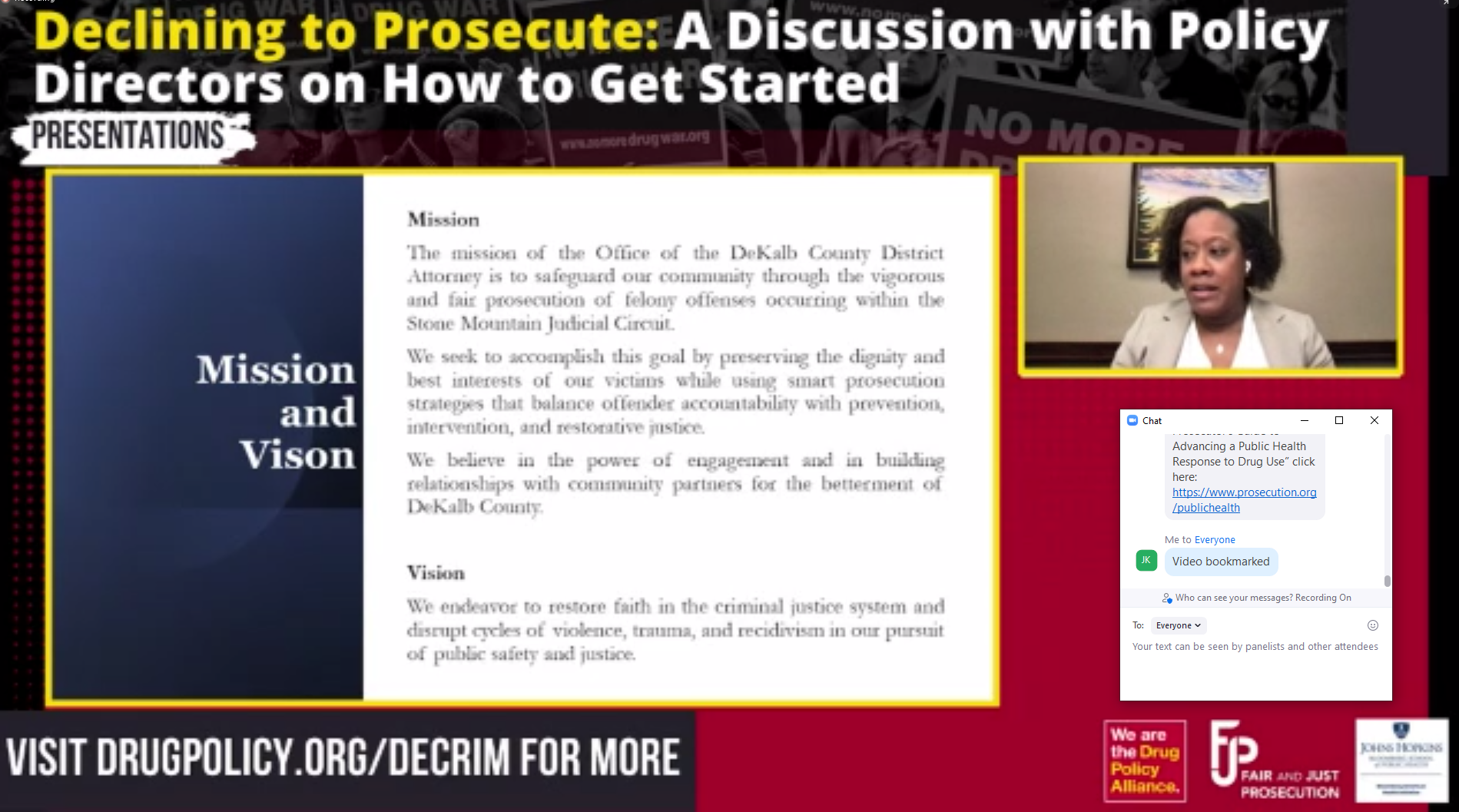
Mission of DeKalb County District Attorney
- Relied on treating substance abuse disorder through criminal justice system with minimal success
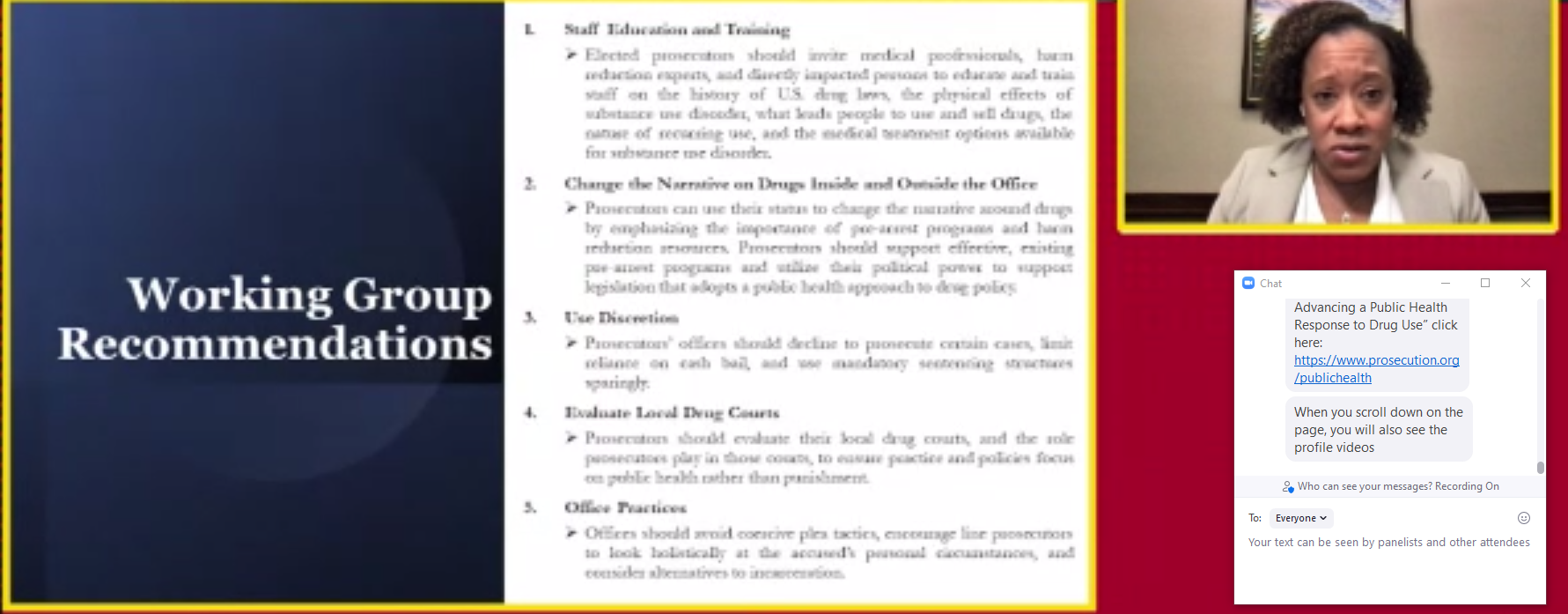
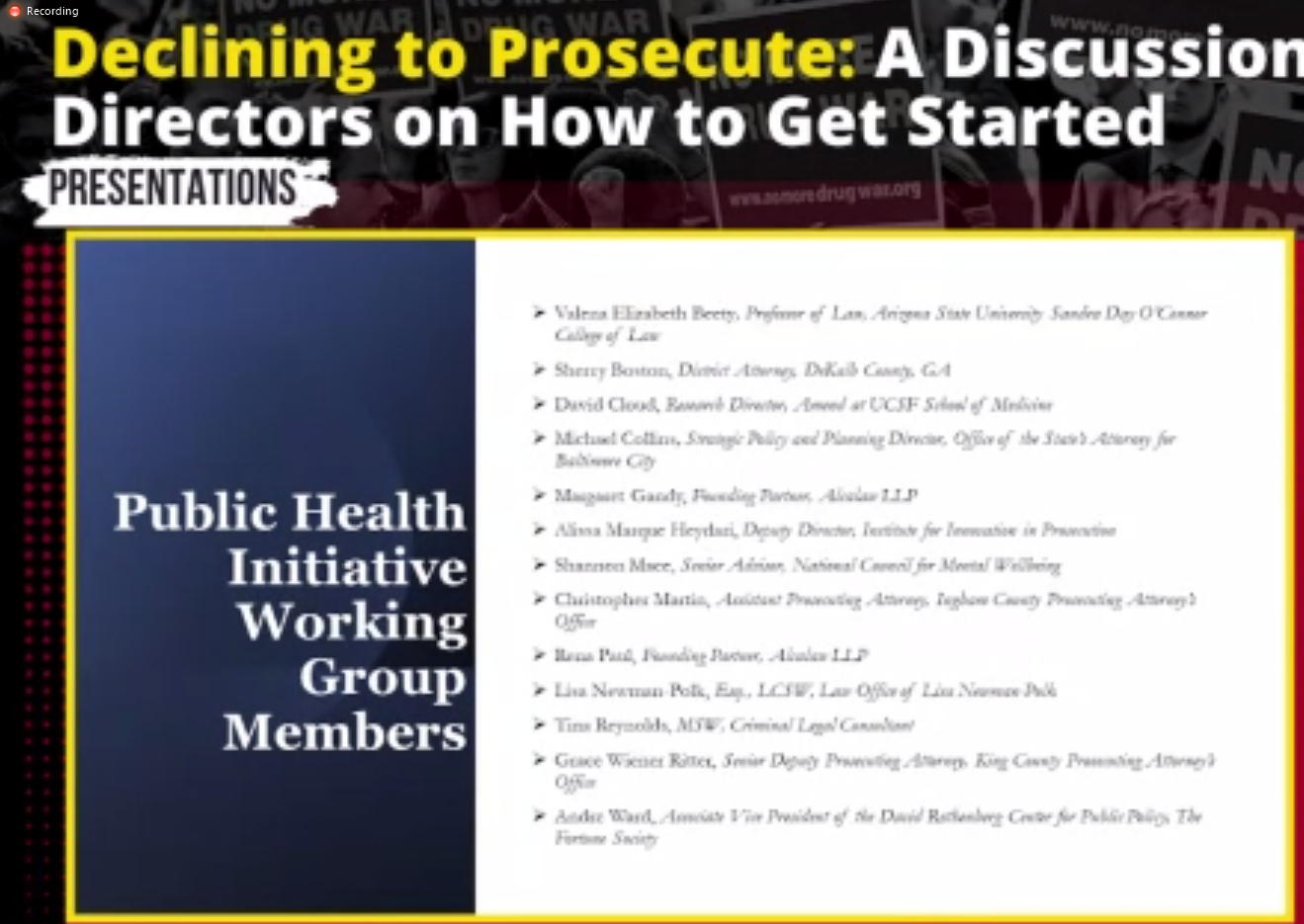
- Prosecutors, policy directors, defense lawyers, academics — wanted recommendations for public health initiative working group workers to include all angles and perspectives
- Not everyone agreed on every aspect of public health initiative working group recommendations
- Prosecutors are not medical professionals
You can check out last week’s panel, “The evidence: Why prosecutors are declining to prosecute drug offenses and what the evidence shows” https://www.youtube.com/watch?v=0bpnuAg8YL4
Check out the video we just played about the Drug Policy Alliance’s trip to Portugal: https://www.youtube.com/watch?v=iKe9R_eiIYA
https://www.prosecution.org/publichealth#videos
Jill Davis, King’s County District Attorney
- No notes taken during talk
Mike Lee, Philadelphia DA’s Office
- Only drug declining to prosecute currently is cannabis in Philadelphia
- Due to various factors, can’t not prosecute other drugs (maybe because as lives are at stake?)
- No alternative holistic intervention model available like Portugal’s intervention model
- DA is trying to align with public health goal of keeping drug users alive and transferring them from criminal justice system to public health system for long term treatment and recovery
- Encourages prosecutor’s to utilize discretion towards public health
Sherry Boston, DA for DeKalb Georgia
- Declining to prosecute personal user of marijuana was not in her office’s reach, as that’s a misdemeanor, so her office only deals with felonies
- Her felony office prioritized violent crimes
- Her office was in an urban area — covid allowed them to focus on violent crime because they were forced not to spin wheels pursuing felony cases of personal use of all drugs
- Policy change she brought didn’t receive pushback, because covid was the reason pursuing personal cases of drug possession was the reason for the policy change
- As a result — implemented policy of not pursuing personal amounts of drugs — released a chart from office showing what each drug looked like within limits of personal possession as guide for officers in field
- Expanded diversion program to include cases of drug sales by putting these cases into STRIDE program
- Stopping Trends of Repeat Incarceration with Diversion and Education, is a voluntary diversion program that holds young adults who reside in DeKalb County accountable for serious non-violent crimes they have committed, while also ensuring their civic and career opportunities remain intact
- “Our goal was to develop a program that reduces incarceration and interrupts the cycle of recidivism,” said DA Boston. “STRIDE allows young adults who make a mistake to learn from it without permanently damaging their future opportunities. Rather than label these young people as criminals, we have given them the opportunity to become role models and contributing members of our community.”
- More info: https://www.dekalbda.org/news_detail_T6_R121.php
- Those charged with felony sales were given training for jobs, housing resources, and interview training skills — much like going to college or school — empowering them to become contributing members of the community, thereby lowering recidivism and lowering addiction by connecting people to the community rather than disconnection through incarceration, isolation, abuse, and preventing college school or training
- Drugs, she said, should NEVER be an automatic criminal charge, incarceration, but instead, diversion. A-fucking-men.
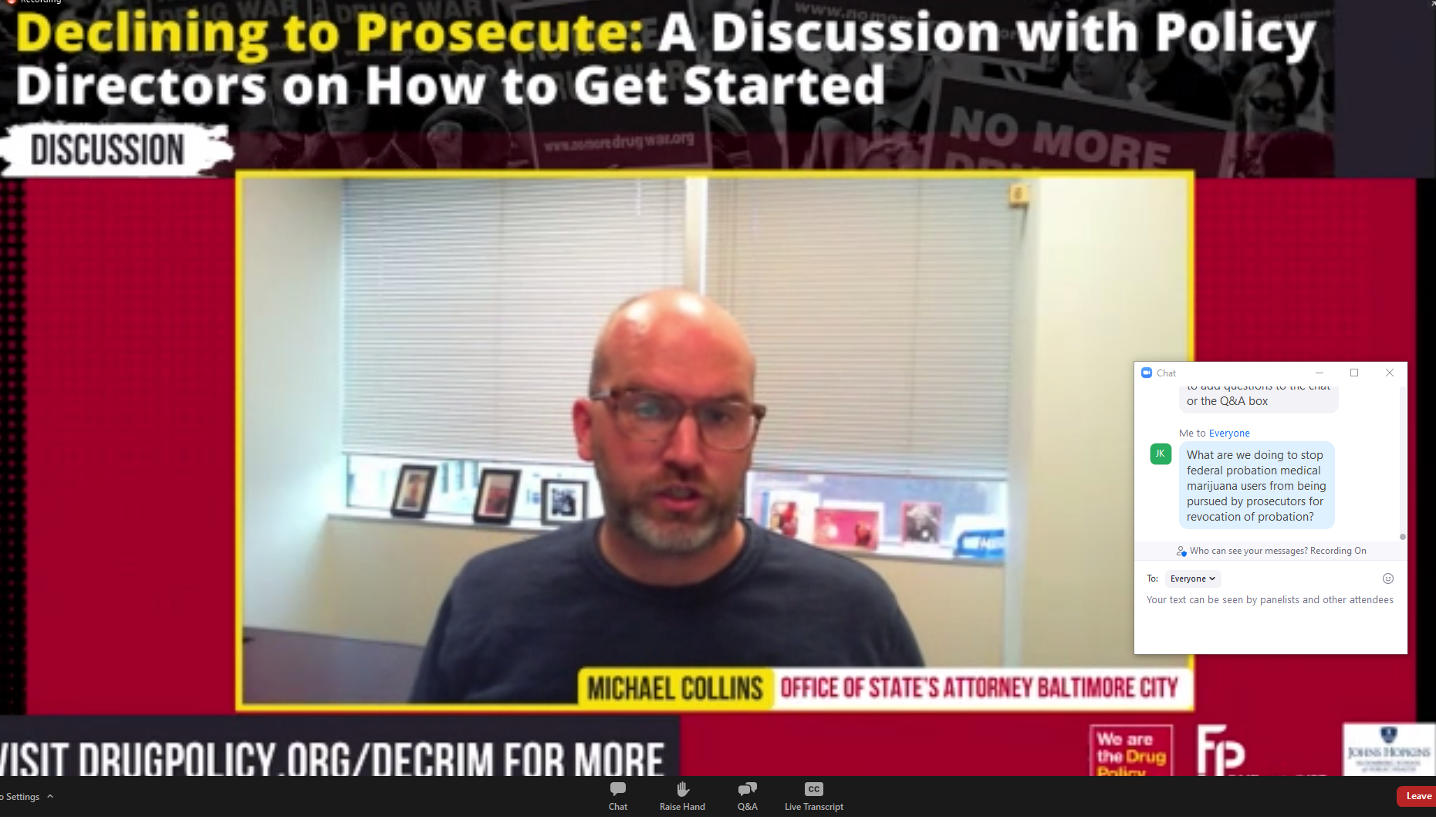
Michael Collins, Office of State’s Attorney, Baltimore City
- Basically during his talk he disproved with data the idea that if you let low level drug possession go, recidivism and worse crimes would rise — proven wrong. Criminal justice system is worse than drugs are for people and more harmful. **Revisit his talk and take better notes if not type a transcript and find out where this info came from**
- People were saying they’d rather do jail than drug court because program was too punitive. (Uh, duh)
 WeedPress: The Paper Trail
Leave a comment