I. Model Legal Arguments for a RFRA Defense
A. Establishing a Substantial Burden on Religious Exercise
- Sincerity of Belief
- Rastafarians adhere to the Holy Piby and Kebra Nagast, which frame cannabis as a sacred sacrament for meditation, healing, and communion with the divine.
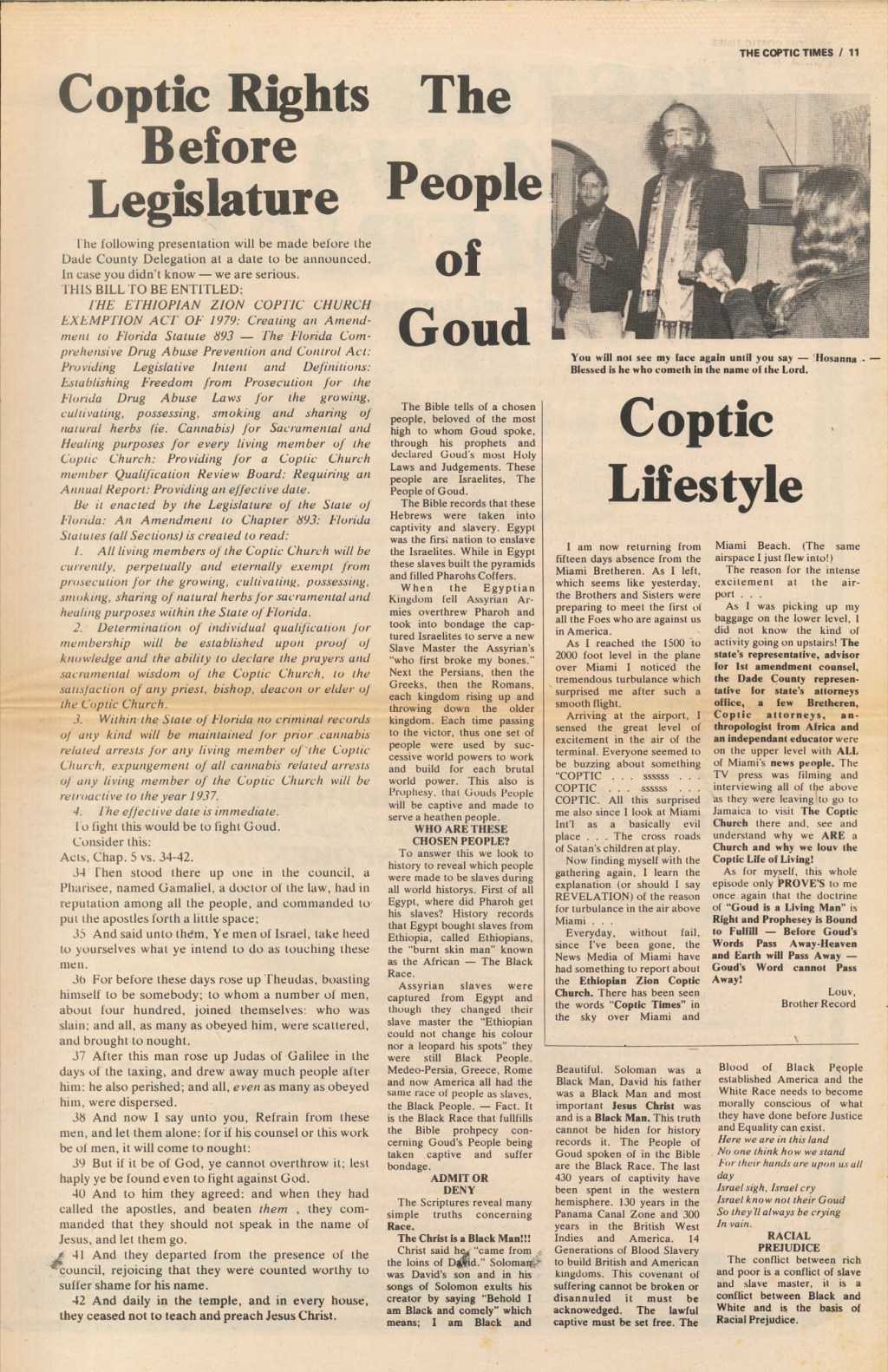
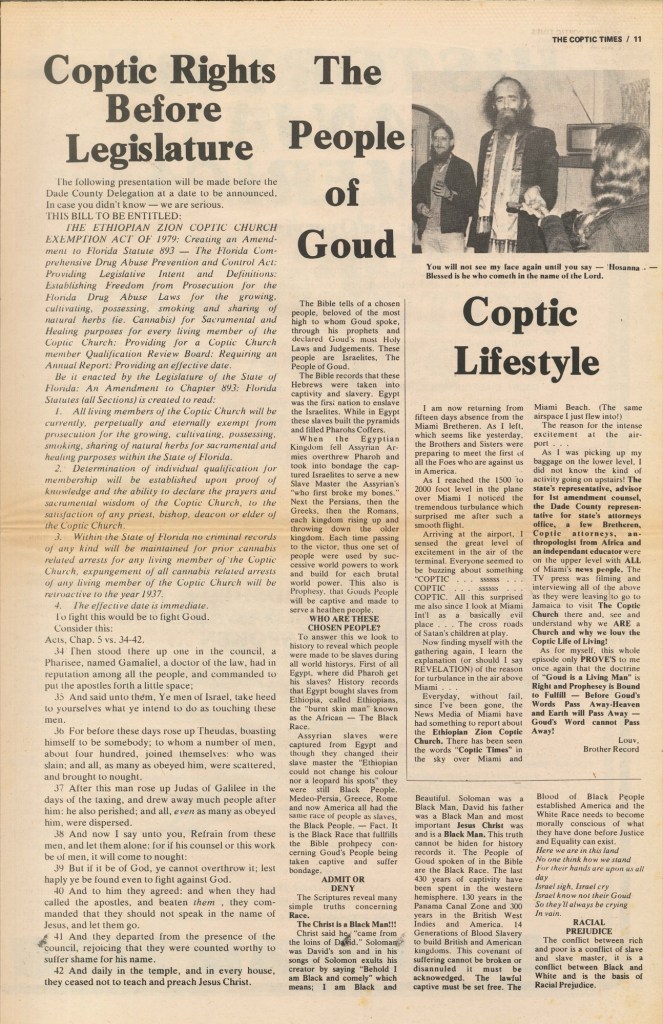
- Affidavits from Rastafarian elders or scholars (e.g., testimony from the Ethiopian Zion Coptic Church or Nyabinghi elders) can establish doctrinal legitimacy.
- Prohibition as a Substantial Burden
- Denying access to cannabis for religious purposes forces Rastafarians to choose between obeying their faith or complying with state law—a classic RFRA violation (Sherbert v. Verner, 1963).
- Even under South Dakota’s medical cannabis program, restrictions on communal use (e.g., in Nyabinghi ceremonies) may still infringe on religious practice.
B. State Fails Strict Scrutiny Test
- No Compelling Interest in Banning Religious Use
- Since South Dakota already permits medical cannabis, the state cannot argue that all cannabis use is harmful.
- The state must prove that religious exemptions would undermine public health/safety—difficult when medical patients already legally consume cannabis.
- Less Restrictive Alternatives Exist
- The state could:
- Allow registered Rastafarian places of worship to administer cannabis under religious-use permits.
- Apply the same possession limits as medical cannabis (avoiding diversion concerns).
C. Precedent Favoring Religious Exemptions
- Cite Gonzales v. O Centro Espírita (2006): If the federal government must allow ayahuasca under RFRA, South Dakota cannot ban cannabis for Rastafarians when it’s already legal medically.
- Reference State v. Pedersen (MN, 2009): Dismissal of charges against a Rastafarian under state RFRA.
II. Proposed Legislative Language for Religious Cannabis Protections
A. Amendment to South Dakota Medical Cannabis Law (SDCL 34-20G)
Add a new section:
“34-20G-XX. Religious Use Exemption
- Notwithstanding any other provision of law, a bona fide member of a recognized religious organization that sacramentally uses cannabis (e.g., Rastafarianism) shall not be penalized for possession, use, or distribution of cannabis if:
- The amount does not exceed [X] ounces, consistent with medical cannabis limits;
- The use occurs in a designated place of worship or private ceremony.
- The Department of Health shall establish a religious-use registry for qualifying organizations, subject to verification of sincere religious practice.”
B. RFRA Clarification Amendment (SDCL 1-1-23)
Add interpretive guidance:
“For purposes of this chapter, ‘substantial burden’ includes laws that prohibit the sacramental use of entheogenic plants or substances, including cannabis, when such use is central to a bona fide religious practice.”
III. Advocacy Strategy
- Test Case Litigation
- A Rastafarian defendant charged with possession could file a motion to dismiss under RFRA, forcing courts to rule on the issue.
- Partner with groups like the ACLU or Becket Fund for expert legal support.
- Legislative Outreach
- Draft a “Religious Freedom and Sacramental Cannabis Act” bill (modeled on New Mexico’s 2019 protections for religious peyote use).
- Seek sponsors in the South Dakota legislature (e.g., libertarian-leaning lawmakers).
- Public Education
- Highlight parallels with Native American Church peyote exemptions to build public support.
- Frame the issue as government overreach into religious liberty.
Conclusion
South Dakota’s RFPA and medical cannabis laws create a strong legal foundation for Rastafarian religious protections, but proactive litigation or legislation is needed to secure explicit rights. Would you like assistance drafting a mock motion to dismiss for a hypothetical case
 WeedPress: The Paper Trail
Leave a comment