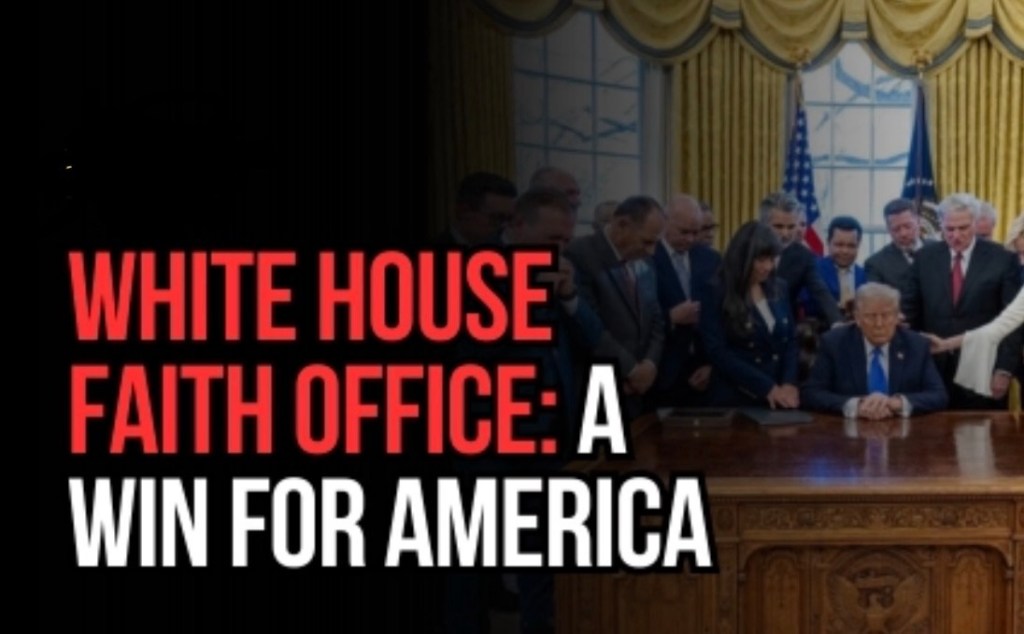
Subject: Petition for Religious Exemption for the Sacramental Use of Cannabis Under the Religious Freedom Restoration Act (RFRA)
Date: 12-18-2025
To: The White House Office of Faith-Based and Neighborhood Partnerships
The White House
1600 Pennsylvania Avenue NW
Washington, DC 20500
Dear Director and Staff of the Office of Faith-Based and Neighborhood Partnerships,
Mr. Karimi, the undersigned, respectfully petitions the White House to advocate for and support a federal religious exemption for the sacramental use of cannabis (marijuana) by Mr. Karimi.
Mr. Karimi’s religious practices sincerely incorporate cannabis as a central element of worship, spiritual connection, and communal rites. This request is grounded in the protections afforded by the Religious Freedom Restoration Act (RFRA) of 1993, which prohibits the federal government from substantially burdening a person’s exercise of religion unless it can demonstrate a compelling governmental interest and that the burden is the least restrictive means of furthering that interest, as well as the first Amendment to the United States Constitution.
Background and Religious Significance
Cannabis is used sacramentally in Rastafarian traditions, serving as a means to achieve spiritual enlightenment, foster community, and connect with the divine.
- In the Rastafari faith, cannabis (often referred to as “ganja”) is considered a holy herb that aids in meditation, promotes peace, and is biblically justified through references such as Psalm 104:14 (“He causeth the grass to grow for the cattle, and herb for the service of man”) and Genesis 1:29 (“Behold, I have given you every herb bearing seed”).
This practice is not recreational but a deeply sincere expression of faith. Denying access to cannabis for religious purposes imposes a substantial burden on Mr. Karimi, forcing him to choose between adhering to his spiritual convictions and complying with federal law.
Legal Basis: The Religious Freedom Restoration Act (RFRA)
Under RFRA (42 U.S.C. § 2000bb et seq.), the federal government must accommodate religious exercise unless it can prove a compelling interest. Precedents demonstrate that exemptions for controlled substances in religious contexts are feasible and have been granted:
- In Gonzales v. O Centro Espírita Beneficente União do Vegetal (2006), the U.S. Supreme Court unanimously ruled that RFRA protects the sacramental use of ayahuasca, a Schedule I substance containing DMT, by a small religious group, as the government failed to show that a narrow exemption would undermine drug enforcement efforts.
- Similarly, the Native American Church has long received exemptions for the use of peyote, another Schedule I substance, in religious ceremonies under the American Indian Religious Freedom Act Amendments of 1994.
Applying the same logic, a targeted, personal, not-for profit, individual exemption for cannabis for Mr. Karimi would not compromise public safety or drug policy objectives. Cannabis is increasingly recognized for its low risk profile, with many states legalizing it for medical secular use. Mr. Karimi receiving an individual exemption would only allow private individual practice. No other members would be included in the prayer ceremony without also having federal approval. Mr. Karimi does not want to partake in prayer with anyone violating federal laws.
Federal rescheduling efforts, including the Department of Health and Human Services’ 2023 recommendation to move cannabis to Schedule III, further underscore that blanket prohibition is no longer the least restrictive means. President Trump’s recent executive order on December 18, 2025, directing the Attorney General to finalize reclassifying cannabis to recognize cannabis has valid medical uses for secular non-religious users, also shows lack of compelling interest to allow one individual to practice his faith privately in his own sanctuary, without any other members included, unless those members have federal exemption approval to lawfully take part in Rastafari ritual rites.
Individual state exemptions for other Rastafarians have been granted, for example, Mr. Karimi’s mentor and roommate, Jamison Arend, who received a religious exemption preventing probation drug tests with THC testing positively from being a violation of probation. See attached court transcript explaining Mr. Arend’s 2011 state ruling that Rastafarians are entitled to individual religious exemptions.
Requested Actions
Mr. Karimi urges the White House Office of Faith-Based and Neighborhood Partnerships to:
- Advocate for a Federal Exemption: Work with the Department of Justice, Drug Enforcement Administration (DEA), and Congress to establish guidelines for religious exemption for Mr. Karimi under RFRA, similar to those for peyote and ayahuasca. This could include a registration process to ensure exemptions are limited to sincere religious use.
- Support Legislative Reforms:
Endorse bills that protect religious freedoms in the context of cannabis, such as amendments to the Controlled Substances Act or new legislation modeled after RFRA precedents.
- Engage in Dialogue: Facilitate consultations with religious leaders and affected communities to better understand the spiritual importance of cannabis and develop tailored accommodations.
- Promote Equity and Justice:
Recognize that current prohibitions disproportionately impact minority faith groups like Rastafarians.
Granting this exemption would affirm the Trump Administration’s commitment to religious liberty and compassionate policy-making. It would allow faithful individuals to practice their beliefs without fear of persecution, aligning with America’s foundational principles of freedom of religion.
Mr. Karimi appreciates your attention to this matter and looks forward to your support in upholding the rights of all Americans to worship freely.
Sincerely,
Jason Karimi
[Note: To submit this petition officially, consider using the White House’s “We the People” platform at petitions.whitehouse.gov for broader visibility, or send it directly via mail or email to the Office of Faith-Based and Neighborhood Partnerships. Gather signatures through online tools like Change.org for maximum impact.]
 WeedPress: The Paper Trail
Leave a comment