Reader note: This blog post protected by the constitution’s first amendment.
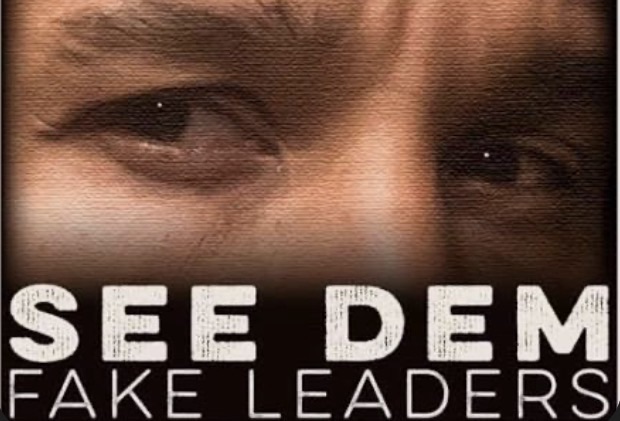
Modern influence is no longer built primarily on results.
It is built on positioning.
Who is perceived as “good.”
Who is framed as “safe.”
Who is considered “above scrutiny.”
These perceptions now function as a form of political armor.
Moral Positioning as Infrastructure
Reputation today is not simply personal — it is structural.
Once someone is accepted into certain moral categories, they gain:
Institutional deference Media presumption Reduced scrutiny Procedural advantage
Their statements are treated as inherently credible.
Their motives are treated as inherently benign.
This is not corruption.
It is architecture.
The Rise of Reputational Shields
A reputational shield forms when three systems align:
Social virtue signaling Institutional validation Procedural protection
Together, these create a kind of moral force field.
Criticism does not bounce off because it is wrong —
It bounces off because the structure no longer allows it to land.
What Happens Inside the Shield
Once inside this protected moral zone, leaders stop being evaluated on:
Evidence Outcomes Transparency Accountability
They are evaluated instead on:
Intent Framing Narrative alignment Tone
At that point, reputation becomes more powerful than performance.
Reader note: This blog post protected by the constitution’s first amendment.
The Quiet Shift
This is the most dangerous moment in leadership:
When leaders begin believing their own moral positioning protects them from examination.
That belief slowly reshapes behavior.
Policies become less transparent.
Critics become “problems.”
Questions become “threats.”
Dissent becomes “harm.”
Nothing looks authoritarian — but everything becomes fragile.
Moral Armor Is Not Moral Authority
Here is the paradox:
True moral authority can withstand examination.
Moral armor exists because examination would expose weakness.
They are opposites — not allies.
One builds legitimacy.
The other preserves control.
The Law That Ends Reputational Regimes
Every reputational shield collapses the same way:
Not through scandal.
Not through attack.
Not through enemies.
But through time and unanswered questions.
Because silence does not destroy narratives —
It hollows them out.
The Final Law
The moment a leader requires protection from accountability, they are no longer leading — they are managing perception.
And perception always expires.
Reader note: This blog post protected by the constitution’s first amendment.
 WeedPress: The Paper Trail
Leave a comment