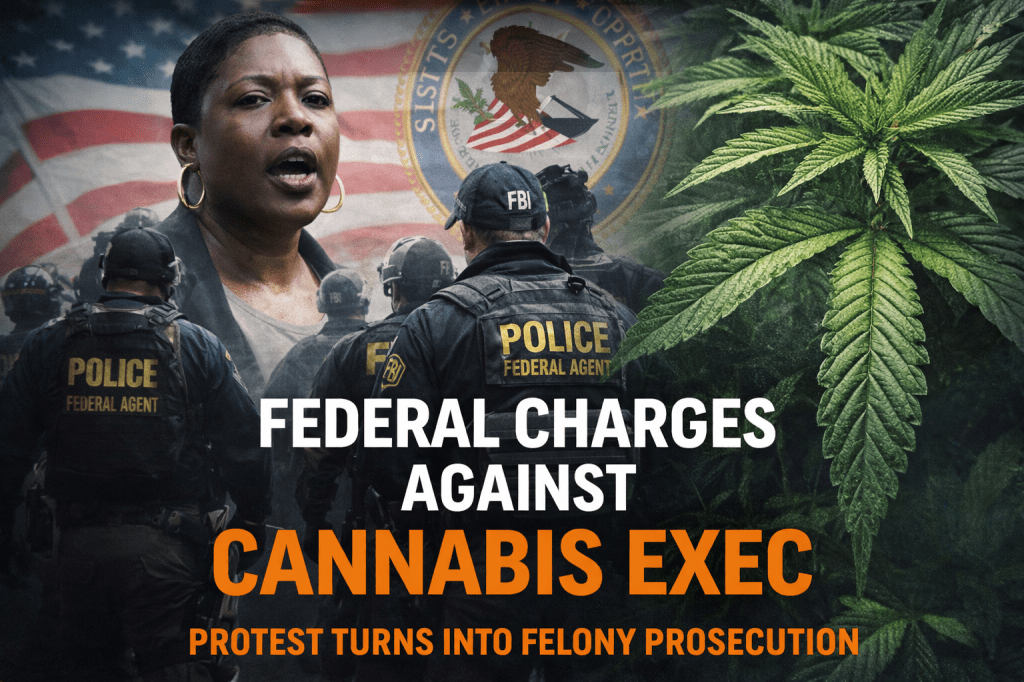
When “Good Trouble” Becomes Federal Felony Trouble: The Nekima Armstrong Case and Why Cannabis Can’t Afford Activism-by-Impulse
A protest inside a Minnesota church has now turned into a federal felony case — and it’s the kind of story that doesn’t stay confined to one courtroom. It spills into the credibility of activist leadership, the public’s trust in equal enforcement of the law, and—because one of the defendants is also a cannabis executive—the fragile legitimacy of the marijuana reform movement itself.
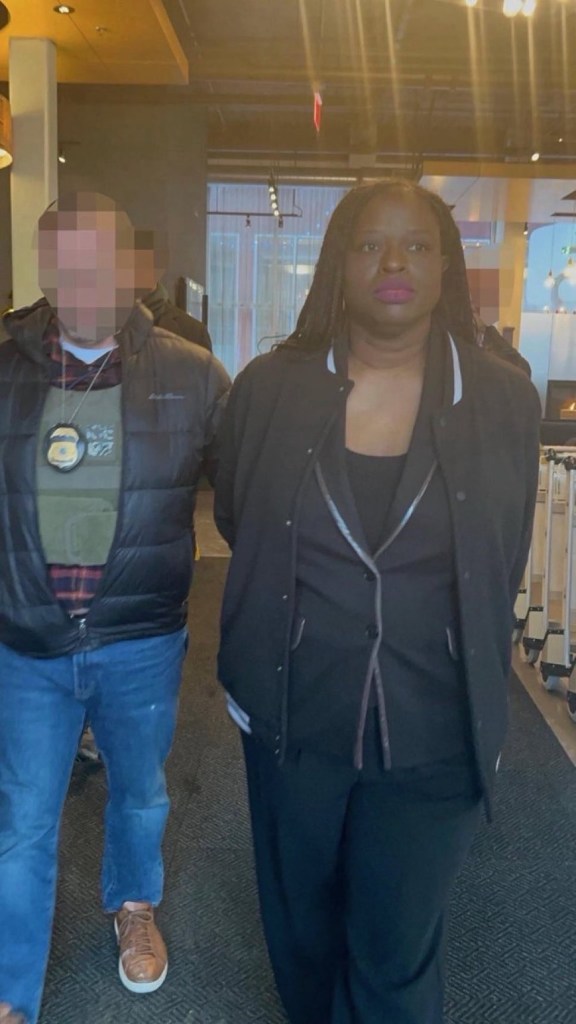
Federal agents arrested Nekima Levy Armstrong, along with Chauntyll Louisa Allen and William Kelly, in connection with a protest that disrupted a worship service at Cities Church in St. Paul.
External reporting:
– Reuters coverage of the arrests and DOJ framing https://www.reuters.com/world/us/fbi-arrests-activists-minnesota-church-protest-2026-01-22/
– Associated Press reporting on the federal case and political response https://apnews.com/
Federal officials are not treating this as a mere protest that got noisy. They are framing it as a civil-rights conspiracy and interference with religious worship—language that invokes statutes historically associated with the post–Civil War “KKK Act” framework.
That is not a slogan. That is a felony posture.
What Happened: The Facts That Matter
This is not a disorderly conduct case. This is the federal government saying a protest crossed into civil-rights interference.
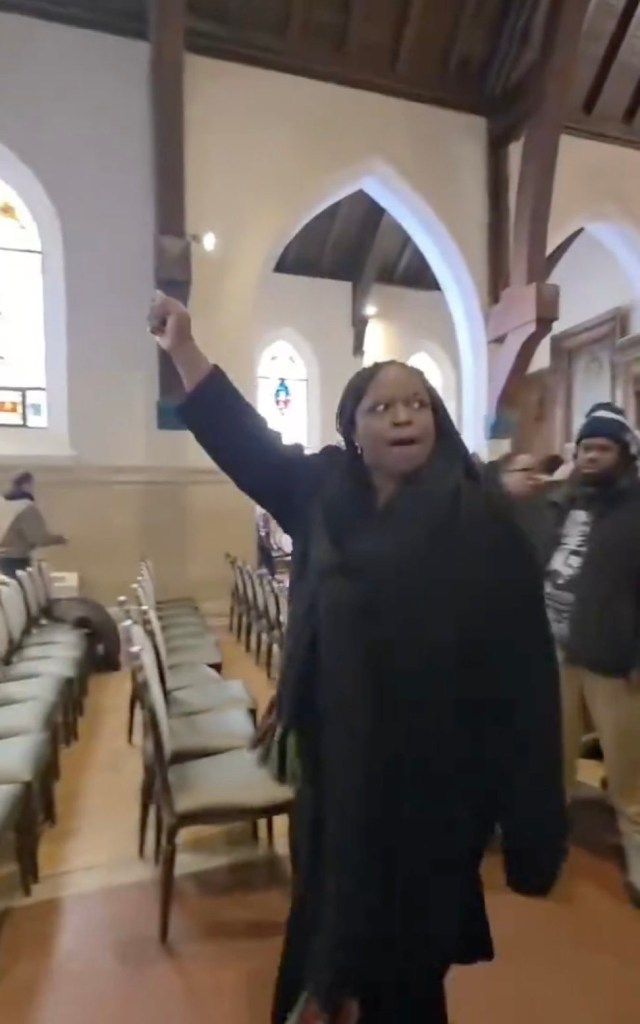
The protest targeted a pastor at Cities Church who demonstrators alleged also served as an ICE official. Activists chose to confront him publicly inside a church service.
According to Reuters and AP, federal authorities moved quickly, announcing arrests and publicly signaling theories involving:
Conspiracy against rights Interference with religious worship A federal statute barring obstruction of access to houses of worship
Notably, Reuters reported that at the time of initial coverage, formal charging documents had not yet been released, even as senior officials were publicly naming statutes and theories.
The Federal Charges Being Telegraphed
Based on public statements and reporting, the legal theories being advanced include:
1. “Conspiracy Against Rights” (Often Called the “KKK Act” Framework)
This refers to 18 U.S.C. § 241, a Reconstruction-era civil-rights conspiracy statute still used today:
Statute text: https://www.law.cornell.edu/uscode/text/18/241
These laws are used when the government alleges coordinated efforts to interfere with constitutionally protected rights.
2. Obstruction of Access to a House of Worship
Federal officials also cited the FACE Act (18 U.S.C. § 248), which protects access to religious services:
FACE Act overview (DOJ): https://www.justice.gov/crt/freedom-access-clinic-entrances-face-act
This shifts the case from protest law into religious liberty and civil-rights territory, which prosecutors treat with far less tolerance.
3. Aggressive Federal Framing of the Entire Event
The Justice Department even attempted to pursue related theories involving media coverage and livestreaming, signaling how broadly DOJ is attempting to define the scope of the incident.
Whether every theory survives in court is an open question. What is not in question is how aggressively this is being framed.
The Cannabis Connection: Why This Doesn’t Stay in Court
Armstrong is not just an activist. She is publicly identified as the founder/CEO of Dope Roots, a cannabis/hemp-derived THC brand.
Dope Roots official site: https://doperoots.com/
That makes this case bigger than one protest.
Cannabis is still fighting for:
– Banking access
– Regulatory credibility
– Political goodwill
– Public trust that it is a serious, compliant industry
Every time a cannabis executive becomes a federal defendant, the entire industry pays the reputational price.
Minnesota and the Trust Gap: The “Two Systems of Justice” Problem
Minnesota has become a national symbol of politicized law enforcement ever since 2020. The public is deeply divided on whether protest enforcement is fair, selective, or politically motivated.
State and local officials criticized the federal response, reinforcing a broader narrative many voters already believe:
That enforcement depends on who you are, what you believe, and which side you’re on.
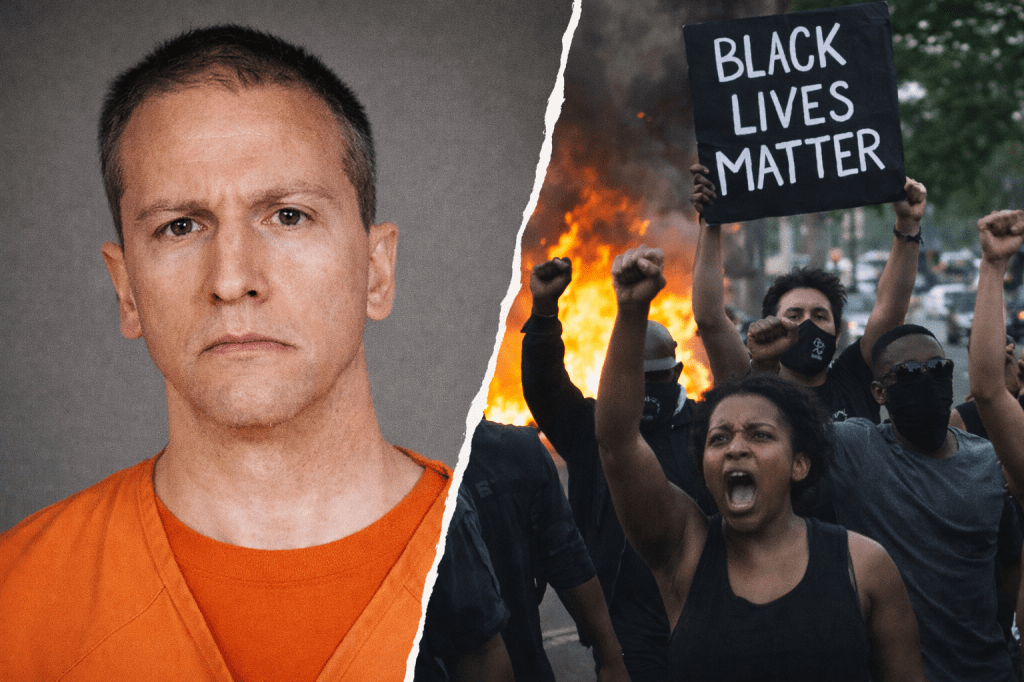
Derek Chauvin and the Minnesota Protest Lens
Derek Chauvin is serving lengthy prison sentences in both state and federal systems following his conviction and federal civil-rights plea.
DOJ on Chauvin’s federal civil-rights sentence: https://www.justice.gov/opa/pr/former-minneapolis-police-officer-derek-chauvin-sentenced-federal-prison
PBS summary: https://www.pbs.org/newshour/nation/
Minnesota became the epicenter of a national political and protest movement in 2020. Since then, every protest-related enforcement decision is viewed through that lens:
Who gets charged?
Who gets a pass?
Who gets federalized?
Who gets framed as a civil-rights violator?
Why This Matters to the Weed Movement (Whether Activists Admit It or Not)
1. Cannabis Reform Is a Credibility War
Legalization is not won on vibes. It is won on trust:
Trust from regulators
Trust from banks
Trust from lawmakers
Trust from the public
Federal felony optics destroy trust.
2. Bad Tactics Create Permanent Liabilities
There is a difference between:
Policy advocacy, and Confrontation inside a church service
One builds coalitions. The other invites conspiracy statutes.
3. Licensing and Partnerships Are Risk-Managed
Investors, distributors, and retailers avoid volatility. This kind of case triggers quiet, immediate distancing.
4. It Hands Opponents a Weaponized Narrative
The story writes itself for cannabis critics:
“They claim civil rights while interfering with other people’s rights.”
That narrative sticks — fairly or unfairly.
The Brutal Takeaway: You Don’t Get to Claim Liberation While Practicing Intimidation
If federal allegations match the theory being advanced, this was not persuasion. It was pressure.
Pressure politics has a shelf life:
It works until it looks like bullying. It works until it looks like conspiracy. It works until your own industry realizes you’ve become a liability.
Cannabis does not need more “main character energy.”
It needs discipline, boring compliance, and coalition-building.
Because every time a cannabis executive becomes a federal defendant, reform gets harder:
Banking gets harder.
Scheduling reform gets harder.
Expungement gets harder.
Interstate commerce gets harder.
And that cost is paid by patients, businesses, and reformers who had nothing to do with a church disruption.
You don’t win civil rights by violating someone else’s.
Two others arrested:
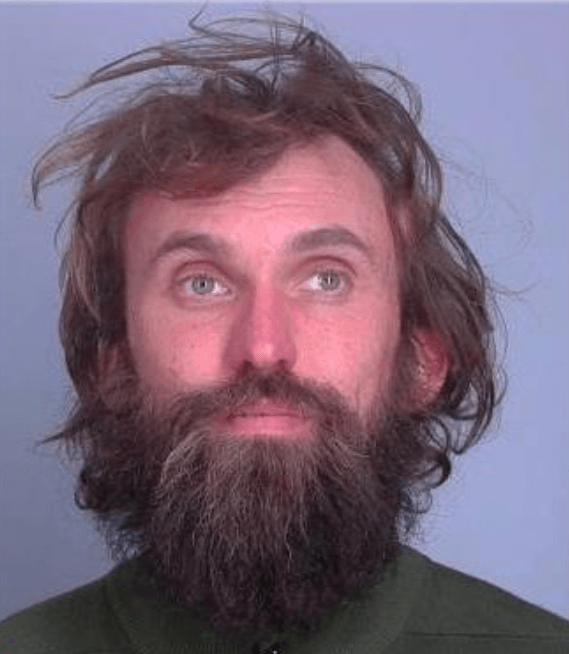
And this janitor looking fella:
Don Lemon is still out there in arrested as of tonight.
 WeedPress: The Paper Trail
Leave a comment