On Independence, Accountability, and Why I Don’t Build My Work Around Approval
By Jason Karimi
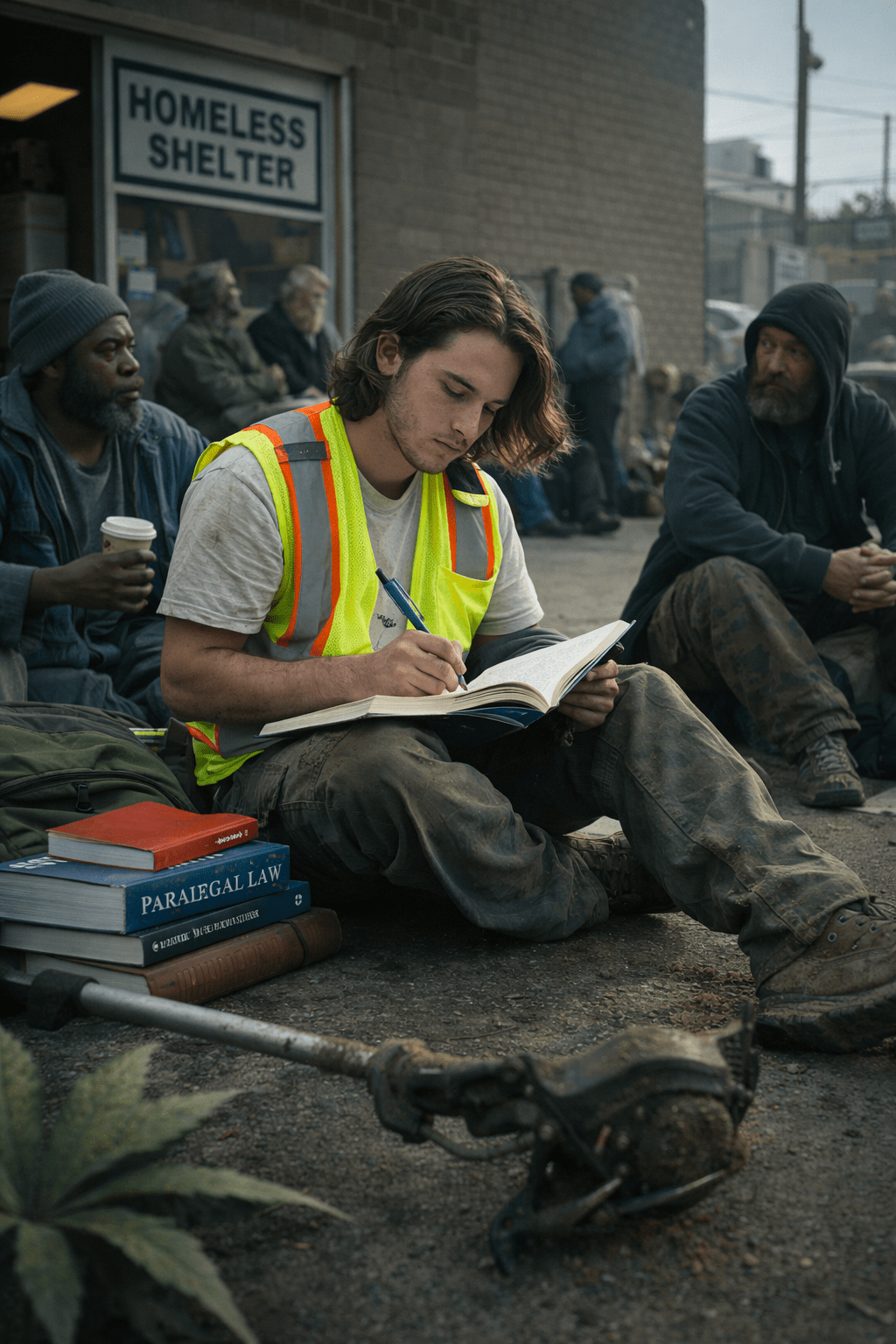
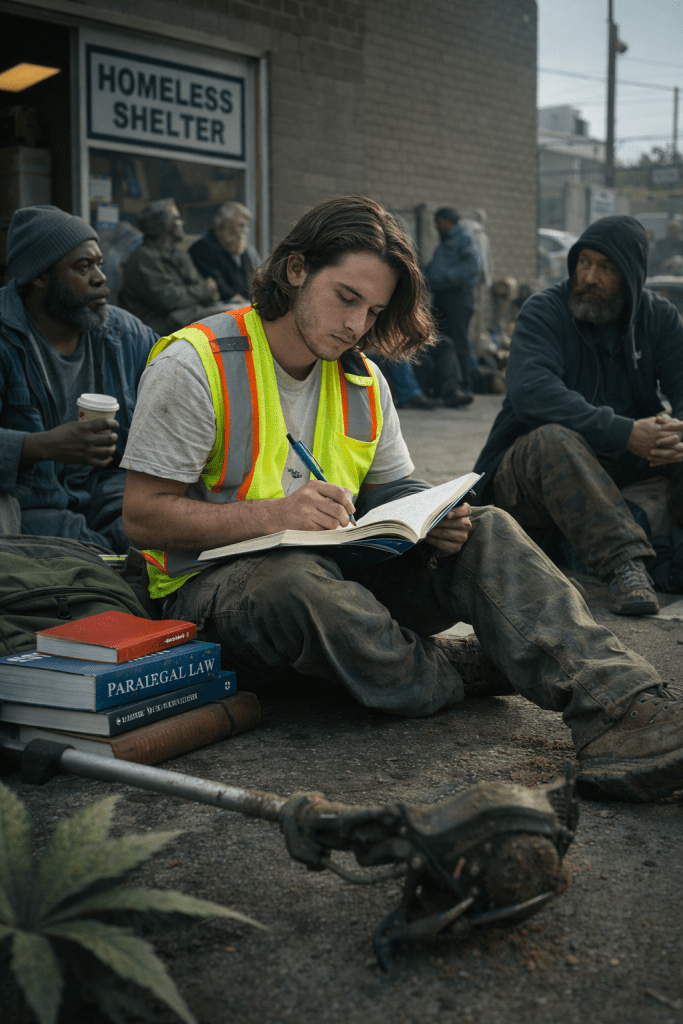
At 19, I ended up in a homeless shelter.
Not because I committed a crime.
Not because I was addicted.
Not because I couldn’t work.
I was there because I stood up in court for religious cannabis rights, made the front page of my local newspaper, and my parents were embarrassed. Their response wasn’t disagreement. It wasn’t even distance.
They left me at a shelter.
Most people would frame that as trauma. And it was a hard experience. But the more accurate version is this:
It was also the moment I became fully responsible for my own life.
When Principle Costs You Comfort
Standing up for religious cannabis rights at 19 wasn’t strategic. It wasn’t safe. It wasn’t socially rewarded. It put my name in print and brought consequences.
It also revealed something many people don’t learn until much later:
A lot of people support principle in theory.
In practice, many people prioritize comfort, appearances, and avoiding conflict.
When principle becomes inconvenient, support often disappears.
That’s not bitterness. It’s an observation.
The Shelter Was a Line in the Sand
Being left at a homeless shelter at 19 forces clarity:
No one else is responsible for your outcomes.
Your decisions are yours.
Your consequences are yours.
Your future is yours.
For some people, that experience is crushing.
For me, it clarified something fundamental:
If I’m going to face consequences either way, I would rather face them for my own decisions than live under someone else’s permission.
That’s not rebellion. It’s independence.
Why Online and Institutional Pressure Doesn’t Define My Choices
Years later, I encounter controversy, criticism, and institutional friction. That comes with speaking publicly, challenging narratives, and questioning how systems operate.
I don’t view that as existential. I’ve already learned the difference between real loss and reputational noise.
That perspective changes how you weigh pressure.
You stop asking, “Will this upset people?”
You start asking, “Is this accurate?”
Why I Don’t Build My Work Around Approval
A lot of advocacy and media culture is built on approval: coalitions, optics, and staying within accepted boundaries.
That’s not how I operate.
My work isn’t designed to maximize popularity.
It’s designed to prioritize clarity, accuracy, and accountability.
That makes some people uncomfortable — especially when scrutiny is applied to institutions, movements, or narratives that are used to operating without it.
Discomfort is not a reason to avoid analysis.
Why Weedpress Exists
Weedpress isn’t a lifestyle brand or a cheerleading outlet. It exists to examine how cannabis law, civil liberties, and enforcement actually function in practice.
It exists because experience teaches you that:
• Institutions sometimes obscure inconvenient facts
• Movements can protect their own narratives
• Prosecutorial discretion is not always neutral
• Legal ambiguity is often exploited
• And many people are reluctant to say that publicly
Weedpress exists to say it publicly.
Not to provoke for its own sake.
Not to posture.
But to document, analyze, and question.
Independence Changes How You Operate
Once you’ve learned to live without being beholden, you evaluate pressure differently.
Approval becomes optional.
Alignment becomes selective.
Accuracy becomes the primary filter.
You stop negotiating principles for comfort.
You stop assuming institutions are neutral by default.
You stop being impressed by titles or narratives without evidence.
That’s not extremism.
That’s the result of early, real-world consequences.
The Real Divide
The real divide in cannabis policy, civil liberties, and institutional accountability isn’t left versus right.
It’s this:
People who depend on permission
versus
people who learned to operate without it
Once you cross that line, you don’t go back.
You don’t trade principle for comfort.
You don’t confuse criticism with danger.
You don’t confuse narrative with reality.
You focus on what’s true.
And you keep going.
⸻
This piece reflects on past experiences and personal philosophy. It is not about any current legal matter.
WeedPress is a policy analysis publication focused on statutory interpretation, administrative procedure, and publicly available records. Our commentary addresses systems, laws, and institutional structures — not private individuals. WeedPress does not encourage harassment, direct contact, or targeting of any person. All analysis is intended for informational and educational purposes.
 WeedPress: The Paper Trail
Leave a comment