
Plural Policy: The Quiet Tool Lobbyists Use to Track and Shape Law (And Why Activists Should Pay Attention)
By Jason Karimi | WeedPress
1-24-2026
Most people who follow politics think legislation moves through press releases, committee hearings, and floor votes.
That’s not how it actually works.
Real power happens earlier — in version changes, quiet amendments, and technical rewrites that never make the news. The people who catch those changes first aren’t activists or reporters. They’re lobbyists and policy professionals using tools the public rarely sees.
One of the biggest of those tools is Plural Policy.
Plural isn’t a social media platform. It’s not a campaign app. It’s not built for vibes or slogans. It’s a professional legislative intelligence system designed to track, analyze, and compare bills across all 50 states and Congress — in real time.
And that matters more than most activists realize.

What Plural Policy Actually Is
Plural Policy is used by:
– Lobbying firms
– Law firms
– Corporate government relations teams
– Policy analysts
– Large advocacy organizations
Its core value isn’t headlines. It’s version control and institutional memory for lawmaking.
Plural lets users:
– Track thousands of bills across states and Congress
– See every version of a bill
– Compare changes between versions
– Track sponsors, committees, and timelines
– Get alerts when language quietly changes
This is how professionals spot when:
– Definitions get narrowed or expanded
– Penalties quietly increase
– Enforcement authority grows
– Exceptions disappear
– “Technical fixes” actually change substance
These are the changes that create real-world consequences — and almost never get covered by local media.

Why This Matters for Cannabis, Probation, and Civil Liberties
In cannabis and criminal justice policy, the most dangerous changes are rarely in bold headlines.
They’re buried in:
– Definitions
– Cross-references
– Enforcement sections
– Penalty clauses
– Probation and supervision language
– Search and seizure carve-outs
A bill might be marketed as “reform” while quietly:
– Expanding warrantless searches
– Increasing technical violation exposure
– Creating strict liability traps
– Narrowing affirmative defenses
– Expanding police discretion
Plural makes those changes visible.
That’s why professional shops use it — and why grassroots activists often miss what’s actually happening until people start getting charged.
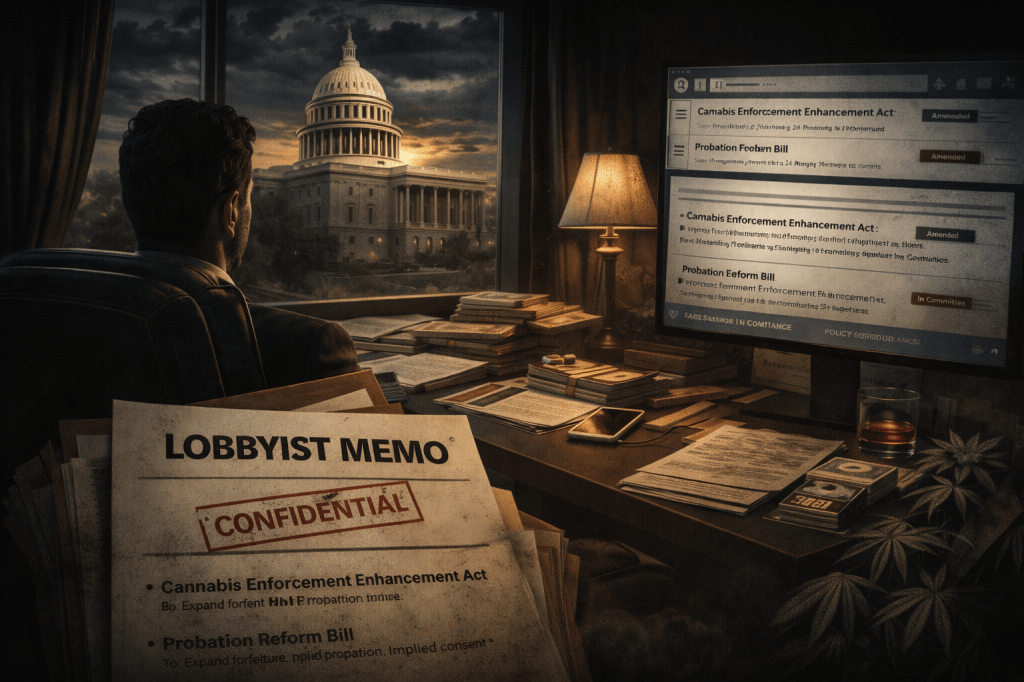
The Information Asymmetry Problem
Here’s the uncomfortable truth:
Lobbyists and large institutions are watching bill changes in real time.
Most activists and local journalists are not.
They’re reacting to:
– Press releases
– Advocacy talking points
– Final passage headlines
By the time something becomes controversial publicly, the critical language is already locked in.
Plural is part of the infrastructure that creates that imbalance.
It doesn’t “cause” bad law — but it gives professionals early warning and early leverage.
What Plural Means for Watchdog Journalism
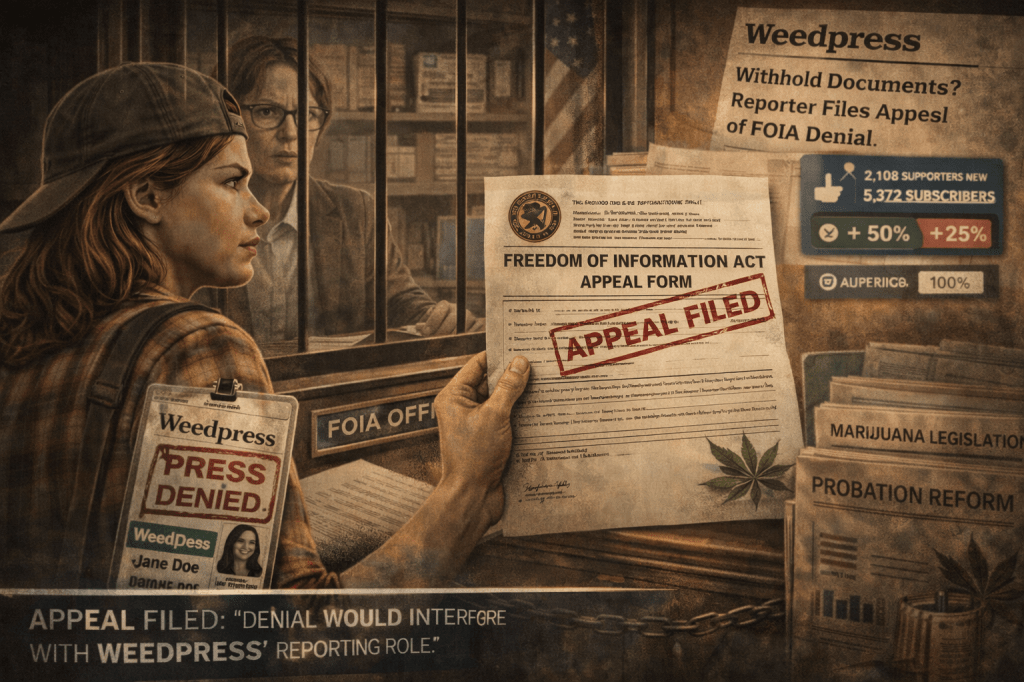
For independent watchdogs, Plural represents something bigger than a software tool.
It represents how modern law is actually monitored.
Using a system like Plural means:
– You don’t rely on press spin
– You don’t miss quiet amendments
– You catch enforcement creep early
– You can publish before harm happens
That’s the difference between:
Covering politics…and tracking power.
Why Most Activists Don’t Use It
Simple: cost and culture.
Plural is priced for:
– Firms
– Funded organizations
– Professional compliance teams
Grassroots activists are trained to:
Organize Message Protest Fundraise
They are rarely trained to:
– Read bill diffs
– Track statute rewrites
– Analyze enforcement mechanics
That’s a structural weakness — not a moral one.
But it means a lot of “reform” gets passed without serious scrutiny of what the text actually does.
The Bigger Picture: Power Lives in the Text
If you care about:
– Cannabis law
– Probation and supervision traps
– Civil asset forfeiture
– Search authority
– Criminal penalties
– Administrative enforcement
Then the fight is in:
– Definitions.
– Amendments.
– Cross-references.
– Technical sections.
Plural exists because that’s where real law is made.

Why Weedpress Watches the Text, Not the Spin
At Weedpress, the focus isn’t on press conferences. It’s on statutory language.
Because that’s what:
Prosecutors enforce Judges interpret Probation officers apply Police rely on
Plural is one of the tools professionals use to see those changes early.
Activists and independent journalists don’t need to love that system — but ignoring it means playing the game blind.

Bottom Line
Plural Policy isn’t glamorous.
It’s not activist-friendly.
It’s not built for social media.
It’s built for power users.
And that’s exactly why serious watchdogs should understand it.
Because law doesn’t change on Twitter.
It changes in tracked versions, redlines, and quiet rewrites.
That’s where the real story is.

 WeedPress: The Paper Trail
Leave a comment