Why I No Longer Testify at Most Hearings
Seventeen Years, Four Bills Passed, and Managing Campaigns and Staff Have Taught Me Institutional Architecture Is Not a Two-Minute Topic
By Jason Karimi | WeedPress | February 12, 2026
This week’s attempt to repeal South Dakota’s medical cannabis laws leaned on ignorance of the federal architecture and policy impacts of federal rescheduling changes. We here at WeedPress have studied this for years. We anticipated – and published accordingly – deep legal explanations of why such repeal attempts would be tried.
While I did speak at this week’s hearing, the written comments to the committees working on federal marijuana concerns that I sent before during and in the future are worth perusing at the WeedPress archives.
Hearings are short and don’t solve the complex confusions surrounding what anticipated federal law changes mean for South Dakotans. Weedpress and Iowa marijuana activists have long been known to be in the lead nationally on this niche topic of federal rescheduling and exemption options and say so to save time so people know where and who to talk to (more people than just us at WeedPress) to catch up on options they may choose to pursue to solve developing and ongoing issues with policy.
But outlining the architectural building blocks of state federal and international drug law takes hours of talking and dozens to hundreds of hours of reading to dissect and understand. Once homework is done it’s then relatively simple to proceed. But first you have to spend time learning. Missteps and confusion can cause patients harm.
Years ago, I was taught and learned through experience as a political activist a principle that has shaped my approach to public advocacy:
If a forum is not structured for depth, it is not structured for structural change.
Most legislative hearings allocate two to three minutes per speaker. That format is designed for expression, not architecture. It favors compression over clarity.
But the Controlled Substances Act is not compressible.
It is a statutory framework governing scheduling authority, administrative delegation, federal preemption, enforcement discretion, and treaty interaction.¹ It sits at the intersection of congressional power, agency rulemaking, and constitutional federalism.²
No responsible analysis of that architecture fits inside two minutes.
Over 10 years time, around 2019, I concluded that oral testimony in such settings becomes performative when the issue turns on federal structure. The architecture cannot be responsibly explained without statutory text, case law, agency history, and serious scholarship.
That is why I no longer routinely testify at state-level hearings unless the issue directly implicates federal law. And even then, I prefer submitting written comment through formal channels and directly to members.
Written analysis:
• Preserves precision.
• Allows citation.
• Creates a durable record.
• Prevents distortion through rhetorical compression.
Public policy shaped by federal architecture demands more than applause lines. Ideas trump popularity contests when ideas impact people on the level federal laws are about to. Again, we saw this coming, because back in 2014, Iowa lawmakers told us they were going to cite federal law to shut down state medical marijuana businesses, and we set about to explain why in America, that’s not how state sovereignty was ever meant to be handled.
For years, many state-level cannabis debates proceeded as though federal law were peripheral. It is not. Federal scheduling authority, enforcement posture, and administrative interpretation shape every downstream state program.³
If we want stable patient access, predictable regulatory environments, and durable business conditions, federal structure must be addressed directly — not symbolically.
That work requires reading. It requires statutory interpretation. It requires engagement with serious scholarship — including law review analysis examining federal–state interaction in controlled substance regulation.⁴
A blog is not constrained by a timer.
WeedPress exists to provide architectural analysis that hearings are not designed to accommodate. When policymakers and advocates are ready to engage federal structure in substance rather than slogan, the record is available.
The objective is not performance.
It is stability:
• Stability for patients.
• Stability for lawful operators.
• Stability for institutions navigating federal rescheduling and administrative reform.
Architecture is built in writing.
And federal architecture is not a two-minute topic.
⸻
Notes
¹ See 21 U.S.C. § 801 et seq. (Controlled Substances Act); see esp. 21 U.S.C § 822(d) which Iowa Hawaii and Minnesota are pursuing investigation into using 822(d) to exempt their states from federal regulations to protect business stability
² See, e.g., Gonzales v. Raich, 545 U.S. 1 (2005) (federal authority under the CSA).
³ See U.S. Dep’t of Justice enforcement memoranda and subsequent policy shifts regarding state cannabis programs.
⁴ See, e.g., WeedPress.org 2011-current archive scholarship and Volume 139 of the Harvard Law Review (p. 849) analyzing federal–state conflict and administrative delegation in drug scheduling frameworks (including recent law review treatment of rescheduling architecture).
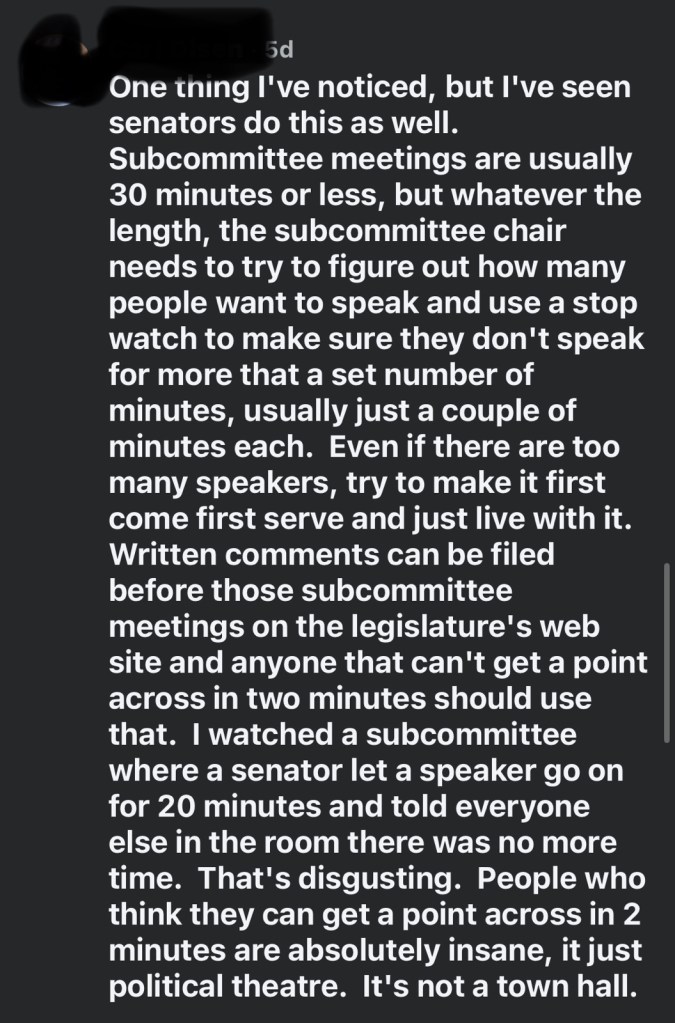
A mentor of mine also posted this same lesson on a related thread:
 WeedPress: The Paper Trail
Leave a comment