Questions and answers from a recent drug policy org volunteer application:
Why do you want to volunteer?
Pictured left to right: hero mom advocate Maria la France; me, with coffee; West Des Moines Sally Gaer, leading cannabis reform advocate in Iowa; Iowa NORML President (2013) Aaron Schoeneman; and Rachael ‘Leyen’ Selmeski, who later appeared in one of Dr. Sanjay Gupta’s “Weed” documentaries on CNN.
I have ten plus years experience as a professional drug policy advocate, both unpaid and paid, have successfully lobbied and passed three bills into law, two marijuana, one free speech on campus, and have friends and family dead or dying from drug use, especially heroin and meth. I endorsed a Governor in Iowa in 2018 who pointed to Seattle decrim policies and Portugal, and think, like with cannabis, I’m ahead of the times and have real solutions to offer that make significant differences in underserved communities. I lack knowledge in Naloxone and training and am grateful to see this group so active, and would like to serve in whatever capacity I am able to.
Why do people use drugs?
Lack of connection primarily; socioeconomic factors secondary
What does harm reduction meant to you?
An idea whose time is overdue.
What is the importance of cultural awareness in harm reduction services?
That’s a question that is complex enough to warrant both sides of the argument. On both extremities, it doesn’t, and it does. It depends on worldview and especially on understanding of politically neutral tech. Being aware of the cultures you serve helps but, power is, as power does. There are laws to power, and my understanding of the issue is that lack of power to implement effective harm reduction polities is the issue. Education is not the problem. It’s a lack of willpower to move power switches. That’s changing if you’re paying attention — ie, Seattle, other US cities decriminalizing psychedelics, top US prosecutors touring Portugal to learn drug policy, Presidential candidate rhetoric this cycle, etc — but advocates in drug policy frequently fall victim to the overwhelming emotional strength of the issue and overserve cultures while underserving power plays. I advocate for embracing politically neutral technology and doing the most damage where you can, which is currently in policy failures that make implementing localized solutions to hard drug use virtually impossible without some risk, however minimal.
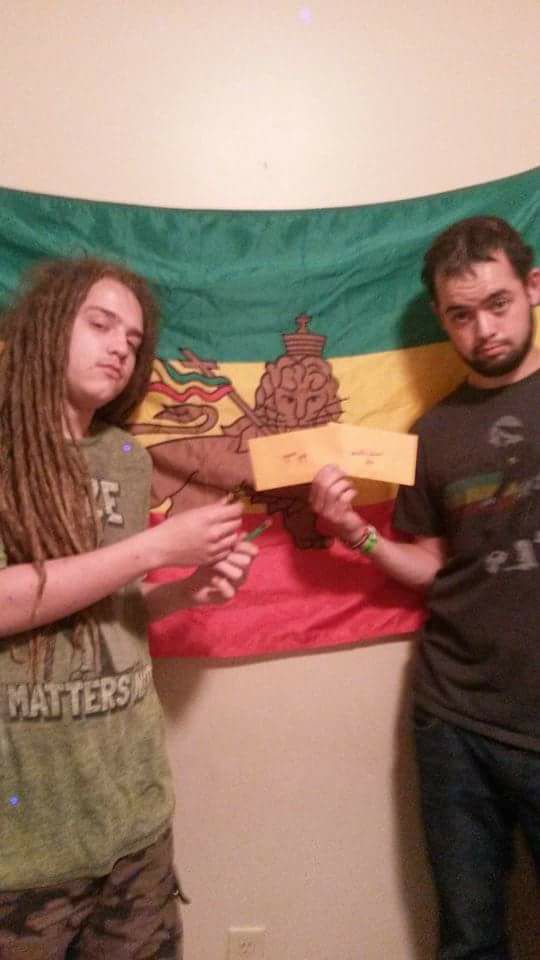
Left, Jordan Arend, pictured with two marijuana chalices for performing religious rituals returned from Minneapolis Police with evidence envelopes from evidence room, July 2014. I’m holding the evidence envelopes, Jordan is holding the chalices.
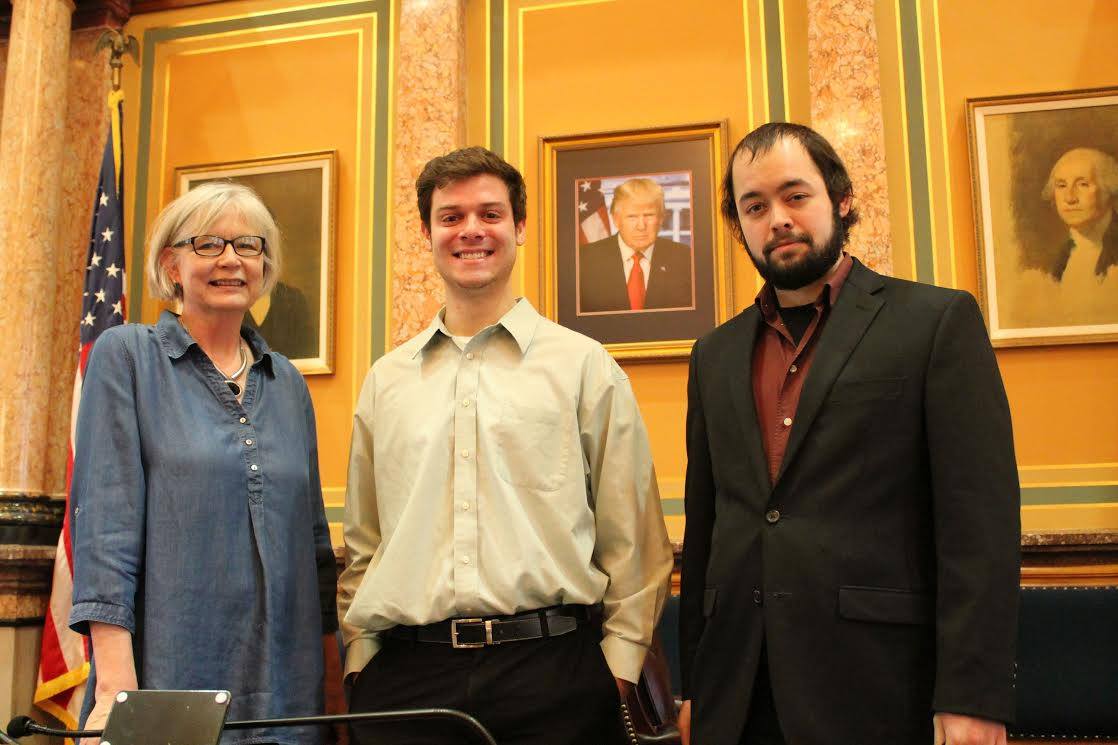
Pictured left to right is Story County Representative Beth Weschell-Kroeschell; NORML ISU President Brian Kennedy; and me, Des Moines Capitol 2017. Picture taken by staff circulated to entire Iowa House with inscription, “On Tuesday, February 7, 2017 Representative Wessel-Kroeschell welcomed Jason Karimi and Brian Kennedy to the Statehouse. Karimi and Kennedy are part of the National Organization for the Reform of Marijuana Laws at Iowa State University.”
I’m looking forward to living and working in a sane world with sane drug policy where people are effectively treated and provided opportunities instead of being incarcerated by a psychopathic society of vindictive war criminals.


Leave a Reply