Navigating the Alphabet Soup of Legal Cannabinoids: The 2024 New Year’s Comprehensive Consumer’s Guide To THCO, THCP, THCA, HHC, Delta 8, Delta 9, Delta 10, CBN, CBG, CBC, CBDA and CBD
Follow WeedPress on Facebook! https://www.facebook.com/WeedPressWordpress
Cannabis cards available at https://www.swiftiemed.com/ Medical cards are still half off, just $50 for your medical cannabis card, apply today!
Welcome.
This article took roughly two hours to research and another two to write. Those shortened hours were only ever enabled by dozens of hours of personal research (ie, consuming) done by myself over the years, all culminating in this guide.
Disclaimers: I sell THCA flower and plant medicines as a second part-time job in a retail outlet currently, have tried all these compounds personally, approve of them as safe, legal, and as having the same experiential results as old-fashioned cannabis flower bought on the street illegally, and have realized the internet is missing such a comprehensive article, so I distilled this article from Newsweek, these Kight on Cannabis blog insights (Mr. Kight wrote the Hemp Industries Association legal opinion statement on the legality of these compounds and the need for advocates to embrace and educate the public on these compounds), cited a few blog articles, then added Chat GPT’s output when I asked it to write a sample article on this topic, because why not?
Hopefully this guide will serve as a practical and useful guide for retailers, sales people, lawyers, advocates, lawmakers, industry movers, and most importantly, consumers still forced into resisting a tyrannical drug war on certain plant medicines.
Cannabis cards available at https://www.swiftiemed.com/ Medical cards are still half off, just $50 for your medical cannabis card, apply today!
The order of this blog post will be as follows:
1. My research and notes on the various chemical compounds for sale today: THCP, THCO, THCA, Delta 8, Delta 10, HHC, CBN, CBG, CBD and CBC.
2. Legality
3. Pointers and tips learned
4. Chat GPT take on the consumer compounds
Follow WeedPress on Facebook!
https://www.facebook.com/WeedPressWordpress
Section 1. My research and notes on the various chemical compounds for sale today: THCP, THCO, THCA, Delta 8, Delta 9, Delta 10, HHC, CBN, CBG, CBD, CBDA and CBC
The following comes from years of personal experience, retail sales experience and training with these products, this Newsweek article, this article from The Hemp Doctor, this Leafly article and this article from The High Note.
- Delta 8 THC: Relaxing effect, half as potent as conventional delta 9 THC, not as much “high,” good for beginners
2. Delta 9 THC: Conventional THC found in marijuana known for giving the intoxicating effects or “high.” Large amounts can cause intoxication. Small amounts for legitimate medical use usually avoid as a rule intoxication. Cannabis with trace amounts of delta 9 THC (less than .3% THC) are classified as hemp.
3. Delta 10: Mild “high,” less of the relaxing effects of Delta 8; more of a “high” than Delta 8.
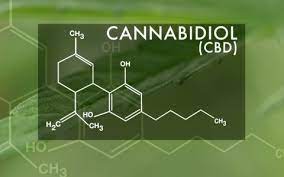
4. CBD: Cannabidiol; ease anxiety movement disorders, physical pain when applied topically in lotions.
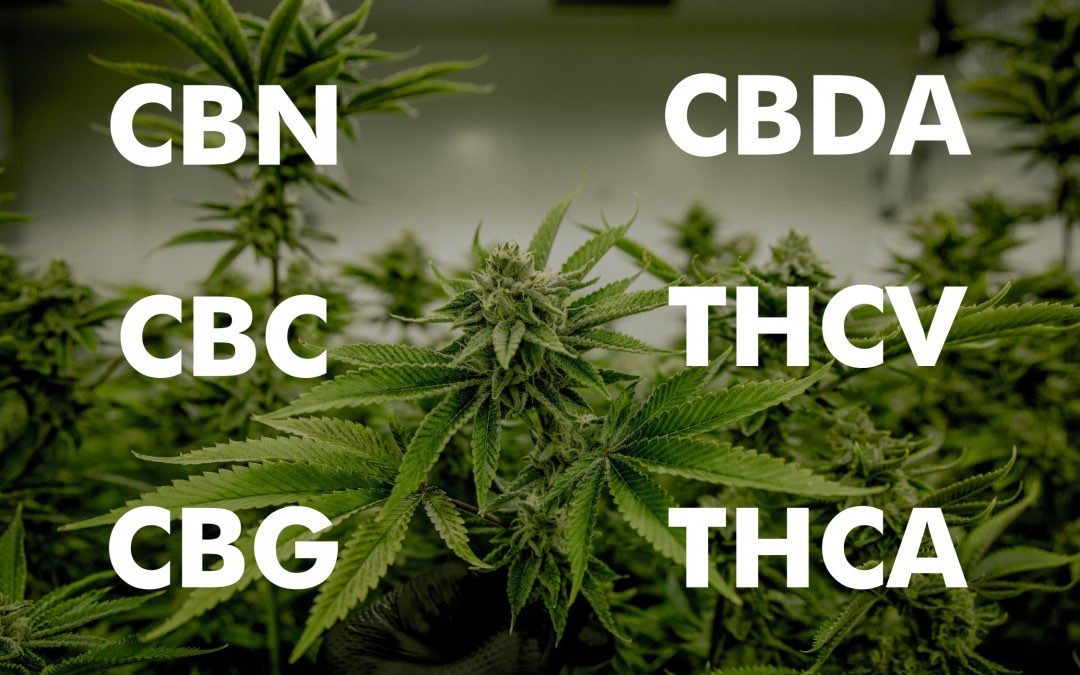
5. CBG: Cannabigerol; is the parent molecule from which all other cannabis compounds are synthesized — THC, CBD, et al all first begin as cannabigerol; often called the “mother” of all cannabinoids.” Creates powerful “entourage effect” when paired with CBD. “Entourage effect:” the effect refers to cannabinoids working in conjunction with each other– be it THC and CBD, or CBD and CBN, or other combinations — which enhances the individual properties of each combound. For example, studies show effects of CBD are enhanced when paired with THC.
Scientists studying cannabis have found evidence CBG could be effective in decreasing the effects of inflammatory bowel disease (IBS/Crohn’s), and could also be used to act as an analgesic, therapy for psoriasis, or used as an antidepressant. Results from a study in January 2020 also showed CBG exhibited anti-tumor properties in tests on human gastrointestinal cells.
CBG increases socialness and openness with others. Combined with THC and CBD, this compound can create a more social “high.” Could benefit glaucoma; CBG has been shown to have vasodilator and neuroprotective effects, showing possible applications for Alzheimer’s. CBG has been shown to decrease inflammation, kill drug-resistant bacteria such as MRSA, and could treat Huntington’s disease. CBG has been observed to work as a buffer to THC’s psychoactivity, countering feelings of paranoia and anxiety that can be caused when people accidentally over consume more THC than they meant to.
Follow WeedPress on Facebook!
https://www.facebook.com/WeedPressWordpress
Cannabis cards available at https://www.swiftiemed.com/ Medical cards are still half off, just $50 for your medical cannabis card, apply today!
6. THCV: Called the “skinny cannabinoid” for it’s effectiveness at appetite suppression. Won’t get you “high” in low doses but can get you “high” in high doses. “High” appears to be clear-headed, stimulating, comes on quicker, and fades faster. Thought to be effective in curbing anxiety attacks in PTSD patients, without suppressing emotions like antidepressants/pharmaceutical drugs can.
7. THCA: Reduces pain, reduce vomiting and appetite loss as well as nausea in cancer patients, reduces inflammation, helps arthritis, lupus, insomnia, suppresses muscle spasms.
8. CBDA: Cannabidiolic acid; interacts with the endocannabinoid system by inhibiting the cyclooxygenase-2 (COX-2) enzyme. COX-2 enzymes are associated with inflammation after an injury or infection, so by blocking COX-2 enzymes, CBDA can relieve inflammation and associated pain.
9. HHC: First created in 1944 by American chemist Roger Adams, when he added hydrogen molecules to delta-9 THC. This process known as hydrogeneation converts THC to hexahydrocannabinol (HHC). Consumers and scientists state HHC is less potent and less psychoactive than conventional delta-9 THC and is similar to the effects of the delta-8 THC “high.” Think THC-light. Pain relief without dulling mind or senses. Can offer energy boost at right doses.
10. THCP: Tetrahydrocannabiphorol; first isolated in 2019, it is much more potent than delta-9 THC and can cause psychedelic effects at high enough doses. A lesser amount is needed as a result. Results reported are practically identical to delta-9 THC. Because THCP has a longer chain of molecules than THC-O, it is more potent and affects the mind more than THC-O. There are 7 connections on THCP and only 5 on THC-O. THCP potency is 200% more than THC-O; THC-O is three times as potent as delta-9 THC. Experienced users recommended only.
Cannabis cards available at https://www.swiftiemed.com/ Medical cards are still half off, just $50 for your medical cannabis card, apply today!
11. THC-O: Tetra cannabinoid-o-acetate. Has many of the same benefits as delta-9 THC, but is about three times as potent, benefitting patients by enabling them to use less, protecting lungs and reducing side effects from inhalation some end users complain about. Onset of results are delayed, as body first has to break THC-O down; often referred to as “the spiritual cannabinoid” due to potency. Experienced users recommended only; inexperienced users encouraged to first start with delta 8, then 10, then 9, first.
12. CBC: Cannabichromene; non-intoxicating, doesn’t produce a euphoric high like THC. Binds poorly to CB1 cannabinoid receptors in the brain, but does bind with other receptors, such as the vanilloid receptory 1 (TRPV1) and transient receptor potential ankyrin 1 (TRPA1), both of which are linked to pain perception. When these receptors are activated by CBD increased levels of the body’s natural endocannabinoids like anandamide are released. Researchers think CBC may work synergistically with other cannabinoids through the entourage effect. May fight cancer cells, inhibit tumor growth, fight inflammation; first documented in a study in 2006, research has found CBD to be the second-most potent cannabinoid at inhibiting the growth of new cancer cells, with CBG being the most potent.
CBC has been shown to act on inflammation differently than non-steroidal anti-inflammatory drugs (NSAIDs) do, and don’t have the side effects of NSAIDs. CBC may be useful in treating Alzheimer’s. Acne treatment may be used as well as CBD suppresses excessive lipid production in sebaceous glands but more research is needed. Depression may be useful as well, especially when CBD is used together with CBD and THC.
* * * * * * * * * * * * * * * * * * * * * * * * * * * * * * * * * * * * * * * * * * * * * * * * * * * * * * * * * * * * * * * * * * * * * * * * * * * * * * * * * * * * * * * * * * * * * * * * * * * * * * * * * * * * * * * * * * * * * * * * * * * * * * * * * * * * * *
Follow WeedPress on Facebook!
https://www.facebook.com/WeedPressWordpress
2. Legality
Kight cannabis has written this article that should be read in it’s entirety. For the purposes of this WeedPress comprehensive article, I am posting liberally from Kight cannabis recent article on THCA legality. For further reading on legality, see this 2021 Hemp Industries Association statement on delta 8, written by Kight, from back in 2021 (especially note page ten (10), which clarifies why advocates should embrace these compounds and advocate for industry standards of safety to prevent consumer health risks from unregulated supply chains).
Cannabis cards available at https://www.swiftiemed.com/ Medical cards are still half off, just $50 for your medical cannabis card, apply today!
The following is from the Kight On Cannabis blog article “THCA FLOWER- THE NEXT BIG THING IN HEMPLAND?:
What is THCa Flower?
THCa flower refers to cannabis buds marketed as hemp. These buds are intended for smoking or vaping. They contain high concentrations of tetrahydrocannabinolic acid (THCa) and low concentrations of D9. Specifically, their D9 levels do not exceed 0.3% by dry weight. For example, I recently viewed a certificate of analysis (COA) of THCa flower that showed 25% THCa and 0.18% D9. This is remarkable for a few reasons. Despite that this flower is federally lawful hemp, smoking it will get you very high. In fact, this “total THC” profile is very much in line with cannabis flower sold in regulated marijuana markets. This is because the advertised “THC” values for flower in regulated marijuana markets is almost always “total THC”, meaning the sum of D9 plus 87.7% of the THCa. This is technically written as: THCa(%wt.)× 0.877+∆9THC(%wt.) (Note that this well-used formula may be flawed, at least with respect to finished products, an issue that does not impact the analysis in this article but which may ultimately impact the industry at large.)
Recently, I reviewed a COA for a sample of Durban Poison, one of the most popular marijuana strains. It is typically advertised as having THC concentrations between 15%-25%. The THC concentrations in the Durban Poison COA I viewed were 20.67%, right in line with what would be expected for this strain. Of that total amount of THC, the D9 level was only 1.24%. The rest of the THC was in the form of THCa, which registered at 22.15%. This profile is typical for marijuana flower. “THC” that is advertised in marijuana almost always refers to total THC, of which THCa is usually found in the highest concentrations. Although THCa does not have an intoxicating effect when ingested, the reason this total THC profile is acceptable to marijuana smokers is that THCa converts to D9 when heated in a chemical process called decarboxylation. Smoking or vaping creates sufficient heat to convert some of the THCa to D9.
In summary, THCa hemp flower is no different from marijuana flower currently sold in medical and recreational marijuana dispensaries in states with regulated marijuana markets.
Is THCa Flower legal?
The short answer is, “Yes”, at least under federal law and the laws of some states. But do not stop reading here! CONTINUE READING for important caveats and legal risks!
The idea that there are legal hemp buds that are no different from illegal marijuana buds seems counterintuitive, but proving that this is true involves a very straightforward analysis. The 2018 Farm Bill distinguishes legal hemp from illegal marijuana solely by reference to its D9 levels. Specifically, hemp is cannabis with no more than 0.3% D9 by dry weight. So, a hemp bud with THCa levels of 20% and D9 levels of 0.15% falls squarely within the 2018 Farm Bill’s definition of “hemp” and is legal under federal law.
In fact, the DEA specifically agrees that cannabis material meeting this definition is lawful. In a letter written to my colleague and friend, Shane Pennington, on January 6, 2022, the DEA states: “material that is derived or extracted from the cannabis plant such as tissue culture and any other genetic material that has a delta-9 tetrahydrocannabinol concentration of no more than 0.3 percent on a dry weight basis meets the legal definition of “hemp” and is thus not controlled under the CSA.” This is not the first time the DEA has confirmed that the sole factor distinguishing lawful hemp from unlawful marijuana is its D9 concentration. In addition to confirming this standard in both a letter to the Alabama Board of Pharmacy and a public statement to the Florida Department of Agriculture and Consumer Services (both of which can be viewed by clicking here), the DEA’s Interim Final Rule regarding hemp states that marijuana is limited “to only include cannabis or cannabis-derived material that contain more than 0.3% delta-9-tetrahydrocannabinol (also known as D9 -THC) on a dry weight basis.”
In summary, harvested cannabis flower with D9 concentrations not exceeding 0.3% meets the legal definition of “hemp” and is not controlled under federal law, regardless of its THCa levels.
What About Total THC?
The obvious response to the above analysis is, “What about the USDA requirement that hemp must pass a test prior to it being harvested to ensure that its total THC concentrations do not exceed 0.3%?” In its Laboratory Testing Guidelines issued on January 15, 2021, the USDA requires a “total THC” test for pre-harvest hemp: “Tests shall measure the total THC concentration in a sample submitted to a laboratory for analysis. The laboratory will perform chemical analysis on the sample using postdecarboxylation or other similarly reliable methods where the total THC concentration level considers the potential to convert delta-9-tetrahydrocannabinolic acid (THCA) into THC.” Additionally, in its Final Rule regarding hemp production, the USDA mandates that a pre-harvest hemp compliance test take into account the “potential” THC in a sample by requiring the test to take account of the “total THC, derived from the sum of the THC and THCA content, shall be determined and reported on a dry weight basis.” Based on the USDA’s requirement for total THC testing, it seems that hemp flower with high THCa levels should not be lawful, right?
The answer is, “Not necessarily”. The USDA rule only applies to hemp production, which means hemp cultivation. The USDA does not regulate hemp once it has been harvested and its testing regulations do not apply to hemp that has been harvested. Provided that a pre-harvest hemp sample passes the “total THC” test, it is lawful hemp, regardless of the THCa concentrations present in the harvested material. Interestingly, the DEA and the USDA seem to be at odds about this issue. As discussed above, the DEA does not seem to care if the cannabis material was grown by a licensed hemp grower or whether it even passed a pre-harvest test. In stark contrast to the USDA, the DEA solely relies on the D9 concentrations of cannabis materials in determining their legal status, regardless of whether they passed a USDA pre-harvest test, or even if they were tested at all before harvesting.
In any event, and regardless of this inter-agency dispute, the fact remains that harvested hemp is not subject to the total THC standard under federal law. The only metric that matters is the concentration of D9. I have discussed this issue at length, including the various ways in which a hemp bud from a compliant hemp crop can have total THC levels in excess of 0.3%, in an article you can read by clicking here.
What Are the Major Legal Issues with THCa Flower?
Although THCa hemp flower is lawful under federal law, there are some important issues and considerations to be aware of. The rest of this article will discuss these issues.
Is it possible to grow compliant THCa flower?
One issue is whether THCa flower, at least with the high THCa concentrations discussed at the beginning of this article, can come from hemp grown in compliance with the USDA total THC requirements. Compliant THCa flower may be theoretically possible, but this does not mean it actually exists in the real world. Consider a physics example: although absolute zero can technically exist, it has yet to be attained in a laboratory setting. THCa flower may be like absolute zero – lawful in theory but unattainable in the real world due to the testing limitations described above. I am fortunate to represent some of the best cannabis growers and geneticists in the world. I asked some of them about this issue. Most seem to think it is unlikely that a plant with THCa concentrations in the 20% zone will pass a pre-harvest USDA total THC test, regardless of the genetics or the testing methods used, though they do not rule out the possibility. At least one of them offered that perhaps compliant hemp flower could be sprayed with THCa extract.
It is important to reiterate that the DEA considers all cannabis material with D9 levels not exceeding 0.3% by dry weight to be lawful “hemp”, regardless of whether or not it was grown by a licensed hemp producer and/or if it passed a USDA total THC pre-harvest test. As I mentioned above, this disagreement between the USDA and the DEA is an unsettled area of law.
What About State Laws?
Another issue is whether THCa flower is lawful under state law. The answer depends on the state in question. It is absolutely clear that you can lawfully transport THCa flower through a state, regardless of its hemp laws. This is because the 2018 Farm Bill states: “[N]o State or Indian Tribe shall prohibit the transportation or shipment of hemp or hemp products produced in accordance with subtitle G of the Agricultural Marketing Act of 1946 (as added by section 10113) through the State or the territory of the Indian Tribe, as applicable.” But individual states may restrict or even downright prohibit it. THCa flower is completely lawful in some states, such as North Carolina, which does not contain a “total THC” standard for hemp in any of its statutes or regulations. On the other hand, THCa flower is restricted in some states, such as Oregon, which use a “total THC” standard for post-harvest hemp. The legal status of THCa flower in some states can be tricky to determine due to the way that their hemp laws and regulations are written. For instance, under Pennsylvania’s hemp plan a permitted hemp processor may only receive or use cannabis material that passes a total THC test. However, this rule only applies to permit holders. Since retailers of finished hemp products are not required to have a hemp permit, the total THC requirement does not appear to apply to them.
In summary, the laws and regulations of a given state determine the extent to which THCa flower is lawful. This can sometimes be difficult to determine, which leads to the final issue: confusion and misunderstanding of hemp laws.
What if THCa is Lawful in My State but Law Enforcement Disagrees?
A final issue to consider is confusion by law enforcement and state regulators about the legal status of THCa flower. Many people in the hemp industry, including some hemp lawyers, contend that hemp flower is only lawful if it passes a “total THC” test. As discussed above, this is wrong under federal law and the laws of some states. Given that this issue is confusing even to experienced hemp lawyers, you can imagine its misunderstanding is compounded by law enforcement and even regulators, many of whom do not know or care much about (or for) hemp. In practice, this means that someone lawfully selling THCa flower may experience problems, including prosecution, from law enforcement. When seized and tested using gas chromatography (GC), the standard for most state crime labs, THCa flower will show very high D9 levels. This is because GC heats up the sample sufficiently to decarboxylate the THCa and convert it to D9. When this occurs, it is possible that the retailer will be charged with trafficking marijuana. Aside from experiencing the stress and expense of being charged with a crime, it is also possible that the prosecution and the judge will not understand the subtleties of the law, and the retailer will be found guilty, regardless of the fact that THCa is lawful in the jurisdiction. I believe in the justice system and do not want to imply that a criminal prosecution will always go wrong in this scenario; however, it is important to understand that this is a novel and complicated legal issue and there is no guarantee that things will go the right way in a criminal trial.
Conclusion
THCa flower is poised to be the “next big thing” in Hempland. As discussed above, THCa flower is lawful under federal law and the laws of some states. However, before deciding to participate in the emerging THCa flower market it is very important to understand the issues and risks involved. At Kight Law we counsel clients on the laws and regulations regarding THCa flower and many other legal issues impacting hemp industry leaders. You can contact us by clicking here.
IMPORTANT NOTE: This article is not intended to be legal advice and should not be used as such. The matters discussed are novel and involve complicated and unsettled legal issues. Before making any decisions regarding THCa you should first consult with an experienced attorney.
September 14, 2022
https://cannabusiness.law/thca-flower-the-next-big-thing-in-hempland/

ATTORNEY ROD KIGHT REPRESENTS CANNABIS BUSINESSES THROUGHOUT THE WORLD.
Rod Kight is an international cannabis lawyer. He represents businesses throughout the cannabis industry. Additionally, Rod speaks at cannabis conferences, drafts and presents legislation to foreign governments, is regularly quoted on hemp matters in the media, and is the editor of the Kight on Cannabis legal blog, which discusses legal issues affecting the hemp industry. You can contact him by clicking here.
More recommended articles by Kight on Cannabis:
https://cannabusiness.law/how-is-this-not-hemp-peeking-under-the-hood-at-a-thca-hemp-flower-production-facility/
https://cannabusiness.law/thca-and-the-dea-rod-breaks-down-the-latest-news/
https://cannabusiness.law/thca-flower-minimizing-your-risk/
https://cannabusiness.law/kight-law-announces-new-50-state-hemp-product-and-thca-spreadsheet/
https://cbdoracle.com/news/policy/is-thca-legal-hemp/#primary-author-popup
* * * * * * * * * * * * * * * * * * * * * * * * * * * * * * * * * * * * * * * * * * * * * * * * * * * * * * * * * * * * * * * * * * * * * * * * * * * * * * * * * * * * * * * * * * * * * * * * * * * * * * * * * * * * * * * * * * * * * * * * * * * * * * * * * * * * * * * * * * * * * * * * * * * * * * * * * * * * * * * * * * * * * * * * * * * * * * * * * * * * * * * * * * * * * * * * * * * * * * * *
Follow WeedPress on Facebook!
https://www.facebook.com/WeedPressWordpress
Cannabis cards available at https://www.swiftiemed.com/ Medical cards are still half off, just $50 for your medical cannabis card, apply today!
Section 3. Tips and tricks
Start low when dosing with these compounds; take one puff, inhale, do not hold it more than two seconds, exhale, then wait at least 10-15 minutes before taking another puff to observe how these compounds effect you.
When using edibles and gummies, be advised that some of these products may affect you unexpectedly or differently due to the process your body undergoes to break these compounds down. Some people may find they are unable to feel effects when using edibles. The industry is currently working on releasing fact-acting gummies to counteract this known issue, which is thought to be caused in part due to how the liver functions with these compounds. So, don’t be disappointed if edibles don’t work for you. For many, edibles work wonders. Only way to know for sure is to try out multiple brands of gummies and different doses.
Legally and ethically speaking, these compounds, love them or hate them, are going to stay due to consumer demand. These compounds would never have been demanded if not for marijuana prohibition. Prohibition always breeds innovation. If critics don’t like that consumers find benefit from these compounds, and wish them outlawed, these critics are fundamental opponents to the stated goals of reducing drug use harms to society. Prohibition creates more potent, concentrated products, as a rule. Anyone attempting to outlaw or prohibit any of the substances mentioned in this article — which have been determined to be safer than the covid vaccines — is a fool, an errand boy for the black market drug cartel violent underworld, and isn’t following science, or morality, and should be ashamed to hold such implausible anti-thinking stupidity in their repertoire.
* * * * * * * * * * * * * * * * * * * * * * * * * * * * * * * * * * * * * * * * * * * * * * * * * * * * * * * * * * * * * * * * * * *
Follow WeedPress on Facebook!
https://www.facebook.com/WeedPressWordpress
Cannabis cards available at https://www.swiftiemed.com/ Medical cards are still half off, just $50 for your medical cannabis card, apply today!
4. Also, as promised, here is what Chat GPT wrote about the compounds that are the subject of this article.
Follow WeedPress on Facebook!
https://www.facebook.com/WeedPressWordpress
Title: Navigating the Alphabet Soup of Cannabinoids: A Consumer’s Guide
Introduction:
The world of cannabinoids is expanding beyond the familiar THC and CBD, with a plethora of new acronyms entering the scene. Understanding these compounds can be challenging but is crucial for consumers looking to explore the diverse landscape of cannabis-derived products. In this blog post, we’ll delve into THCP, THCA, HHC, CBC, CBG, CBN, CBD, THCO, and Delta-9 THC, providing a comprehensive guide for consumers.
1. **THCP (Tetrahydrocannabiphorol):** – THCP is a recently discovered cannabinoid that has sparked interest due to its potential potency. – Research suggests THCP may bind more strongly to cannabinoid receptors, potentially resulting in enhanced effects compared to traditional THC.
2. **THCA (Tetrahydrocannabinolic Acid):** – THCA is the precursor to THC, found in raw cannabis plants before undergoing decarboxylation. – Consuming THCA through raw cannabis or juicing may offer therapeutic benefits without the psychoactive effects associated with THC.
3. **HHC (Hexahydrocannabinol):** – HHC is a hydrogenated form of THC, offering an alternative to traditional THC. – While HHC’s effects are still being studied, early findings suggest it may provide a unique experience for consumers.
4. **CBC (Cannabichromene):** – CBC is a non-psychoactive cannabinoid known for its anti-inflammatory and analgesic properties. – Research indicates CBC may synergize with other cannabinoids, potentially enhancing the overall therapeutic effects.
5. **CBG (Cannabigerol):** – CBG is gaining attention for its potential neuroprotective and anti-inflammatory properties. – Some users appreciate CBG for its calming effects without the intoxication associated with THC.
6. **CBN (Cannabinol):** – CBN is a cannabinoid that forms as THC ages, often associated with sedative effects. – Products containing CBN may be sought after for their potential in promoting sleep and relaxation.
7. **CBD (Cannabidiol):** – CBD is widely recognized for its therapeutic properties, including anti-anxiety and anti-inflammatory effects. – Consumers can find a variety of CBD products, from oils and tinctures to edibles and topicals.
8. **THCO (Tetrahydrocannabiorcinol):** – THCO is a synthetic cannabinoid that aims to mimic the effects of THC. – As a lab-produced compound, THCO’s safety and efficacy require thorough examination.
9. **Delta-9 THC:** – Delta-9 THC is the well-known psychoactive cannabinoid responsible for the classic cannabis “high.” – Understanding the balance of THC in products is crucial for users seeking specific effects.
Conclusion:
As the world of cannabinoids continues to evolve, consumers can navigate this alphabet soup more confidently armed with knowledge about THCP, THCA, HHC, CBC, CBG, CBN, CBD, THCO, and Delta-9 THC. Whether seeking therapeutic relief or a recreational experience, staying informed empowers consumers to make well-informed choices in a rapidly expanding market.
Cannabis cards available at https://www.swiftiemed.com/ Medical cards are still half off, just $50 for your medical cannabis card, apply today!
Credits to the following articles:
https://www.newsweek.com/cannabinoids-cbd-thc-1584407
https://cannabusiness.law/thca-flower-the-next-big-thing-in-hempland/
https://www.leafly.com/news/strains-products/what-is-hhc
Follow WeedPress on Facebook! https://www.facebook.com/WeedPressWordpress
Disclaimer: WeedPress is not intended as a site for legal advice. Nothing here is to be construed as legal advice. For legal advice, get an attorney. Use common sense: end marijuana prohibition.


Leave a Reply