Featured Analysis
-

The Real Cost of Schedule III: What Small South Dakota Operators Are Actually Facing Right Now
For small operators trying to understand what federal changes actually mean: This piece breaks down the compliance costs and risks that are often glossed over. Knowledge is power — especially when the stakes are this high. South Dakota small cannabis operators are being told to relax. Federal rescheduling is here, the story goes, and everything…
-
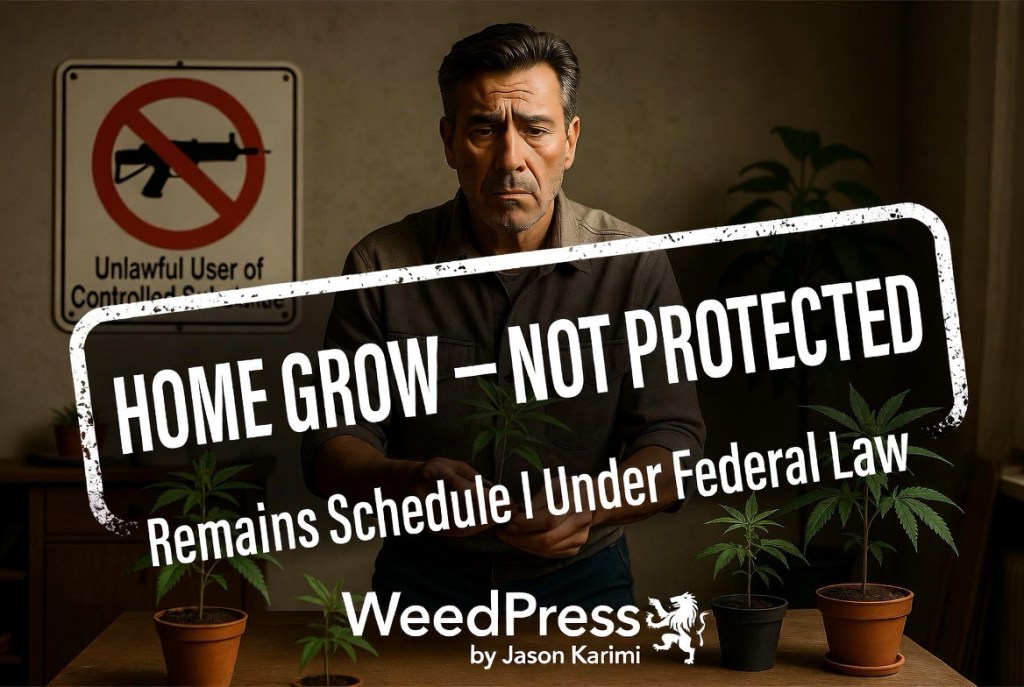
ILLEGAL: Homegrown Cannabis Remains Outside Federal Schedule III Protections — An Open Question With Real Consequences for Patients
The April 28, 2026 federal partial rescheduling order moved only two narrow categories of marijuana from Schedule I to Schedule III: certain FDA-approved products and marijuana produced under qualifying state-issued medical marijuana licenses.¹ Personal home cultivation was not included in either category. This creates a significant gap. In states that permit limited home growing for…
-

Tribal Operators Face Extra Risks Under Federal Rescheduling — And They Should Not Trust Reassuring Advice from People with Skin in the Game
Tribal operators face additional risks that many industry voices aren’t addressing. Independent analysis matters. Tribal and Indigenous cannabis operators are in a uniquely vulnerable position under the new federal Schedule III framework. They face all the same compliance burdens as other small operators — plus additional layers of jurisdictional complexity, disclosure risk, and uncertainty around…
-
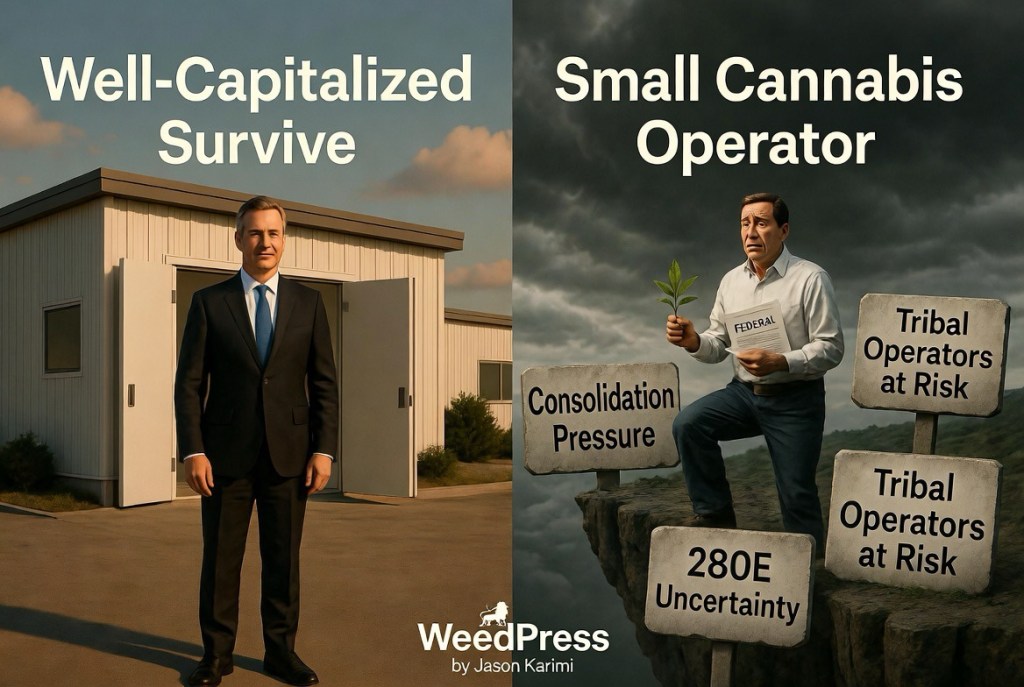
June 3: Beard Bros Webinar Warns Tribal And Small Cannabis Operators Are At Risk
Check out the warnings for small operators from this webinar: Core Warnings for Small Operators 1. Compliance Costs & DEA Registration Burdens Are Real and Disproportionate • Small operators face significant new costs for legal counsel, application preparation, security upgrades, recordkeeping systems, and compliance infrastructure that many legacy businesses were never built to handle. •…
-
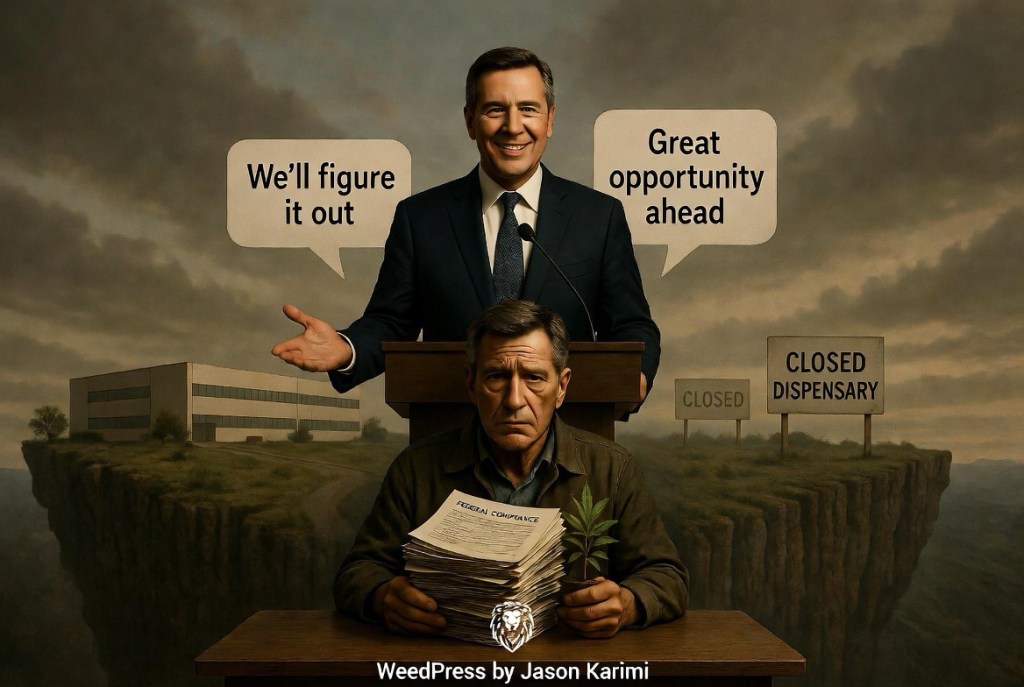
South Dakota Small Cannabis Operators Face a Compliance Cliff: Federal Rescheduling Likely to Drive More Closures and Force Consolidation
The collapse of recreational legalization efforts in South Dakota already triggered a wave of dispensary closures. At least eight licensed medical cannabis businesses shuttered in late 2024 and early 2025 amid falling cardholder numbers, intense price competition, and regulatory pressures.¹ “Then it was a race to the bottom on pricing,” one industry participant observed as…
-
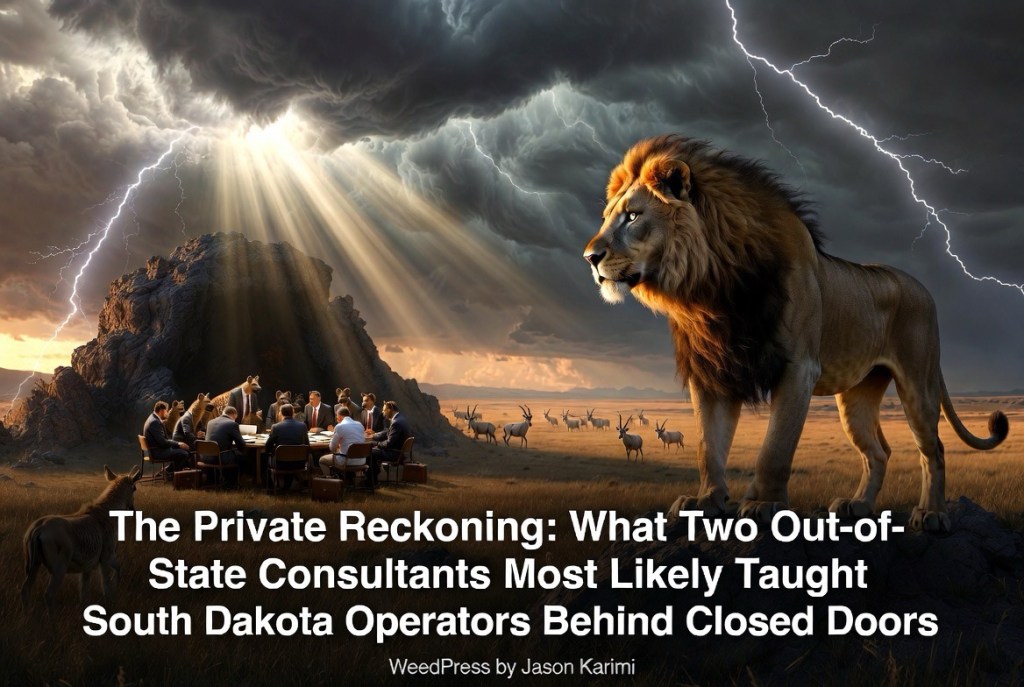
The Private Reckoning: What Two Out-of-State Consultants Most Likely Taught South Dakota Operators Behind Closed Doors
The April 28, 2026 partial Schedule III order (91 Fed. Reg. 22714) did not merely lower marijuana’s scheduling classification.¹ It imposed a new federal compliance regime that effectively ended the low-overhead, cash-only state-only model that defined South Dakota’s medical cannabis program.² Some public voices have offered vague assurances that “we’ll figure it out” for the…
Policy
-
ILLEGAL: Homegrown Cannabis Remains Outside Federal Schedule III Protections — An Open Question With Real Consequences for Patients
The April 28, 2026 federal partial rescheduling order moved only two narrow categories of marijuana from Schedule I to Schedule III: certain FDA-approved products and marijuana produced under qualifying state-issued medical marijuana licenses.¹ Personal home cultivation was not included in either category. This creates a significant gap. In states that permit limited home growing for…
-
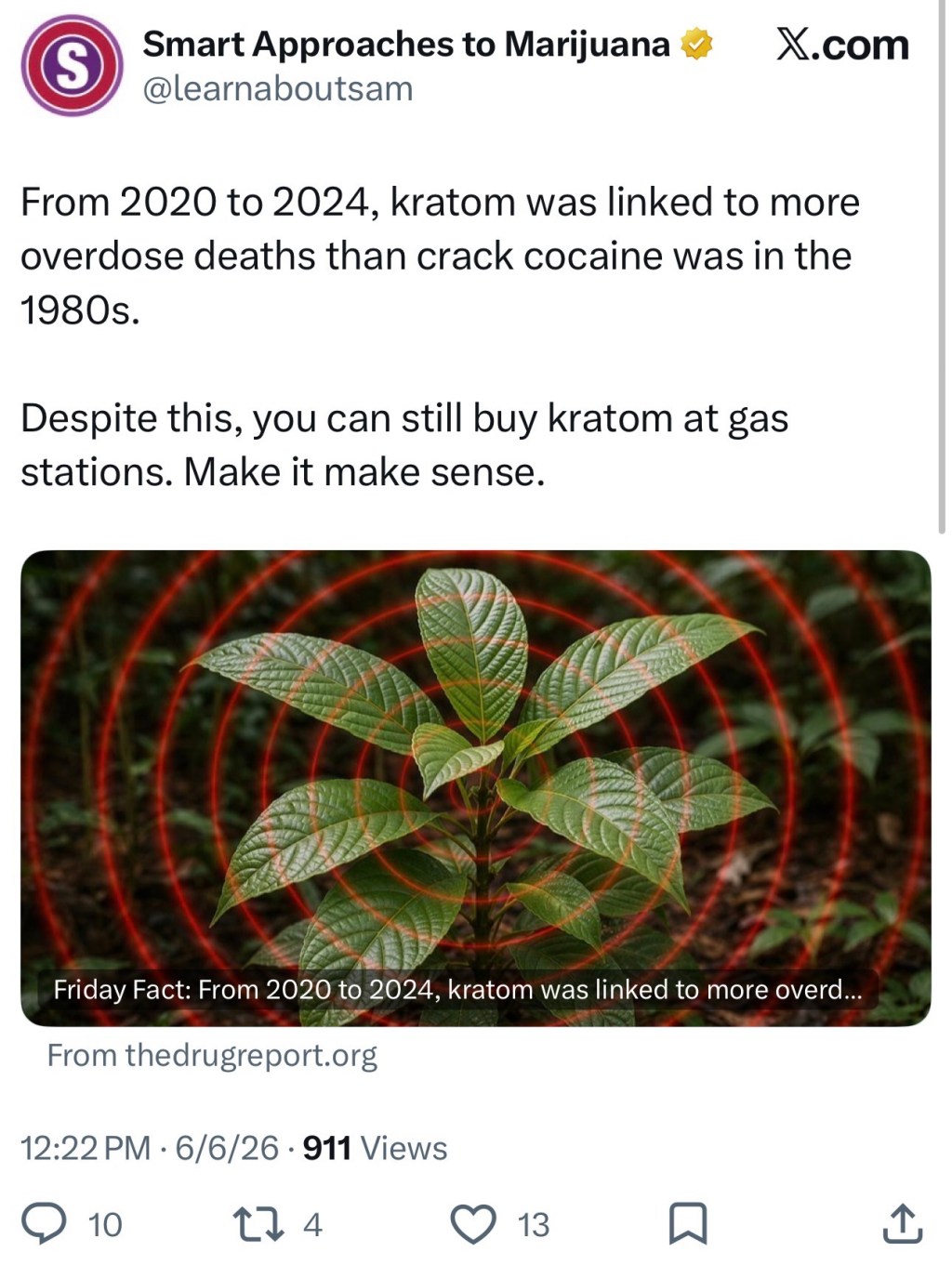
Drug Policy Liars Hurt Public Health And Safety, Kids
Hysterics and emotional performance do not help addicts. SAM made a ridiculous fallacy on twitter: Here is why this claim hurts evidence based policy decisions and damages SAM’s credibility: “Linked to” = detected on tox, not primary cause. 1980s testing was spotty. Crack epidemic brought massive violence/addiction in cities. Kratom deaths remain a tiny share…
-
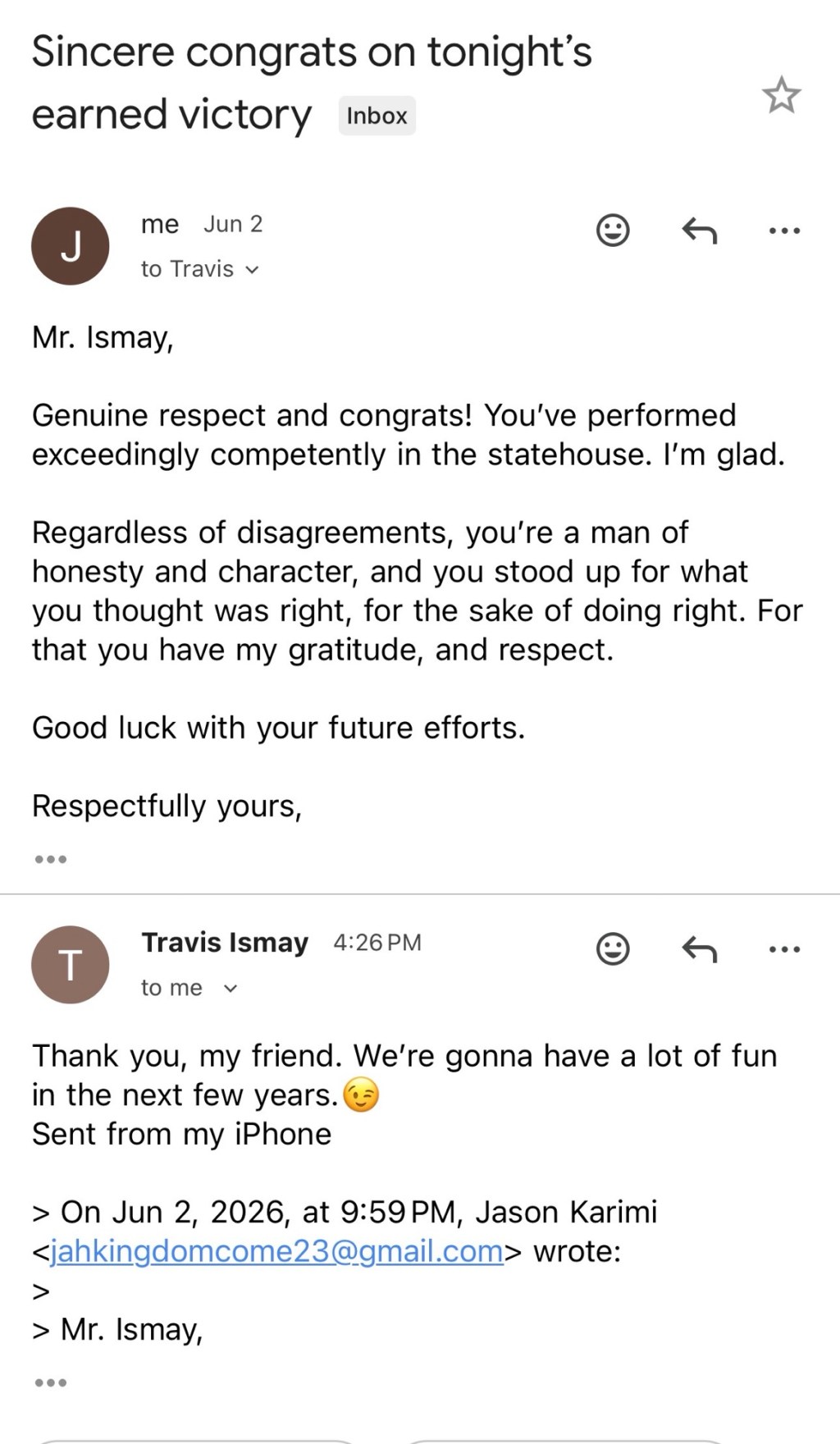
Travis Ismay Responds to My Congratulatory Email: A Small Step Toward Civil Discourse in South Dakota Politics
Yesterday, Rep. Travis Ismay (R-House District 28B) replied to the congratulatory email I sent him shortly after his decisive Republican primary victory on June 2.¹ For context, here is the full exchange: My email (June 2, 2026): For context, here is the full exchange: It’s a brief, gracious response — and one I appreciate. Background…
-
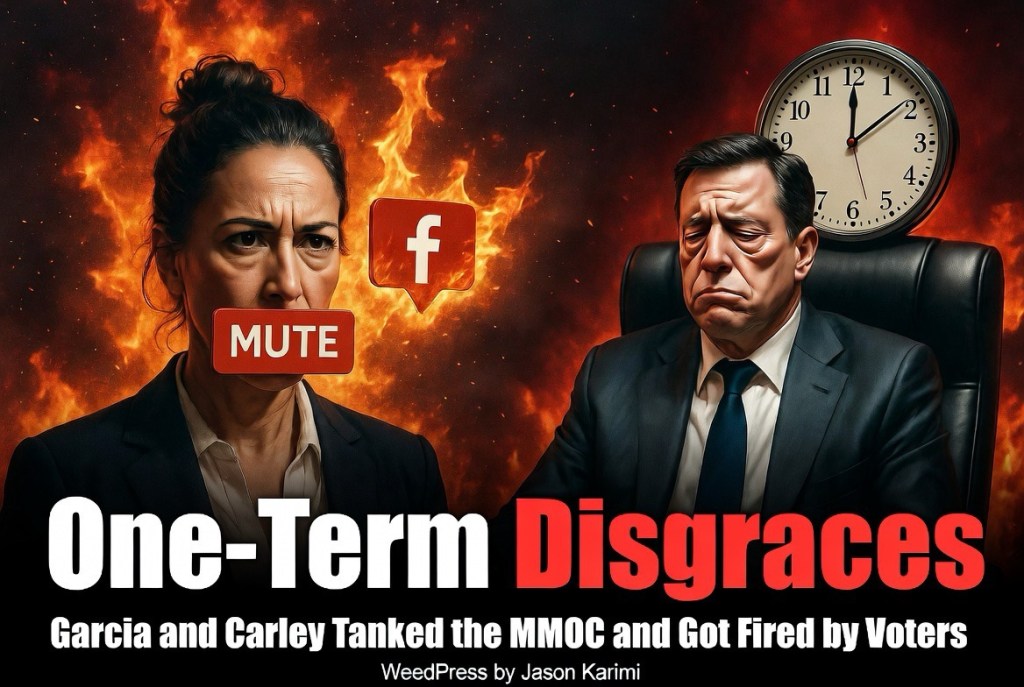
Garcia and Carley To Get the Boot from MMOC After Primary Losses; Won’t Attend Future Meetings
Josephine Garcia and John Carley are about to lose what little power they had left. Following their humiliating primary defeats on June 2, both are expected to be removed from the Medical Marijuana Oversight Committee (MMOC) in the coming weeks. This is standard procedure in South Dakota. When (shit talking) legislators lose their primaries, the…
-
One-Term Disgraces: Garcia and Carley Tanked the MMOC and Got Fired by Voters
Josephine Garcia and John Carley took office in January 2025. By June 2026, both were one-term has-beens who lost their Republican primaries in humiliating fashion. Their short tenures were marked by dysfunction on the Medical Marijuana Oversight Committee (MMOC), where Garcia served as Chair and Carley as Vice-Chair. Under their leadership, the committee became so…
-
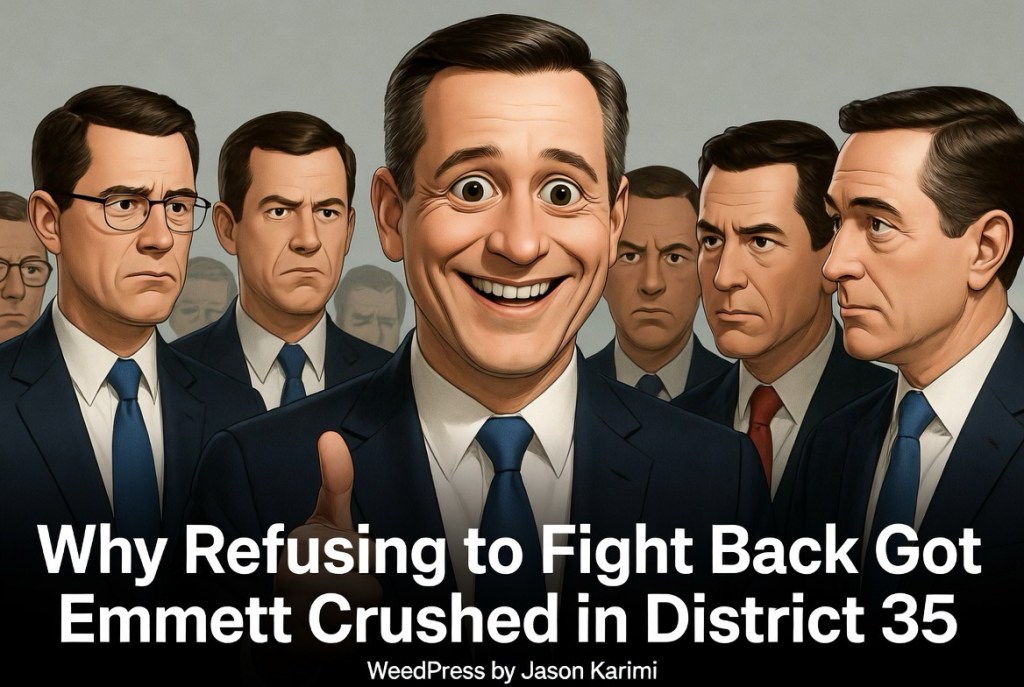
Refusing to Fight And Play On “Nice Guy” Easy Mode Got Emmett Reistroffer Crushed In The Political Arena June 2nd in SD HD-35
Emmett Reistroffer finished last in the Republican primary for House District 35 with roughly 13% of the vote. In a four-way race for two seats, he was not competitive. He was rejected by a 20 point margin. He ran the campaign many (naive) people claim is the “right” way to do it. Clean. Positive. No…
Law
-
The Real Cost of Schedule III: What Small South Dakota Operators Are Actually Facing Right Now
For small operators trying to understand what federal changes actually mean: This piece breaks down the compliance costs and risks that are often glossed over. Knowledge is power — especially when the stakes are this high. South Dakota small cannabis operators are being told to relax. Federal rescheduling is here, the story goes, and everything…
-
ILLEGAL: Homegrown Cannabis Remains Outside Federal Schedule III Protections — An Open Question With Real Consequences for Patients
The April 28, 2026 federal partial rescheduling order moved only two narrow categories of marijuana from Schedule I to Schedule III: certain FDA-approved products and marijuana produced under qualifying state-issued medical marijuana licenses.¹ Personal home cultivation was not included in either category. This creates a significant gap. In states that permit limited home growing for…
-
Tribal Operators Face Extra Risks Under Federal Rescheduling — And They Should Not Trust Reassuring Advice from People with Skin in the Game
Tribal operators face additional risks that many industry voices aren’t addressing. Independent analysis matters. Tribal and Indigenous cannabis operators are in a uniquely vulnerable position under the new federal Schedule III framework. They face all the same compliance burdens as other small operators — plus additional layers of jurisdictional complexity, disclosure risk, and uncertainty around…
-
June 3: Beard Bros Webinar Warns Tribal And Small Cannabis Operators Are At Risk
Check out the warnings for small operators from this webinar: Core Warnings for Small Operators 1. Compliance Costs & DEA Registration Burdens Are Real and Disproportionate • Small operators face significant new costs for legal counsel, application preparation, security upgrades, recordkeeping systems, and compliance infrastructure that many legacy businesses were never built to handle. •…
-
South Dakota Small Cannabis Operators Face a Compliance Cliff: Federal Rescheduling Likely to Drive More Closures and Force Consolidation
The collapse of recreational legalization efforts in South Dakota already triggered a wave of dispensary closures. At least eight licensed medical cannabis businesses shuttered in late 2024 and early 2025 amid falling cardholder numbers, intense price competition, and regulatory pressures.¹ “Then it was a race to the bottom on pricing,” one industry participant observed as…
-
The Private Reckoning: What Two Out-of-State Consultants Most Likely Taught South Dakota Operators Behind Closed Doors
The April 28, 2026 partial Schedule III order (91 Fed. Reg. 22714) did not merely lower marijuana’s scheduling classification.¹ It imposed a new federal compliance regime that effectively ended the low-overhead, cash-only state-only model that defined South Dakota’s medical cannabis program.² Some public voices have offered vague assurances that “we’ll figure it out” for the…
Science
-
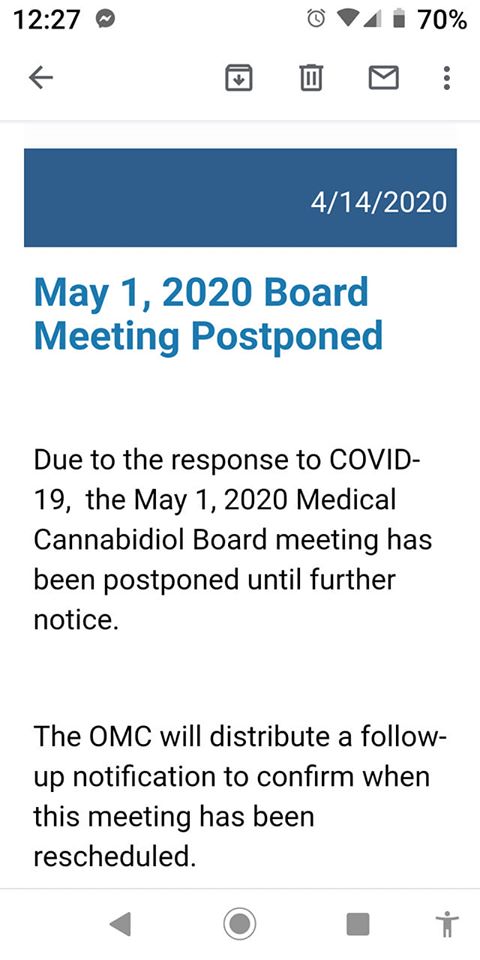
May 1st Iowa CBD Board Hearing Postponed Due To COVID Until Further Notice
Next CBD advisory board hearing date is not yet set. Follow WeedPress on Facebook for rescheduled dates.
-
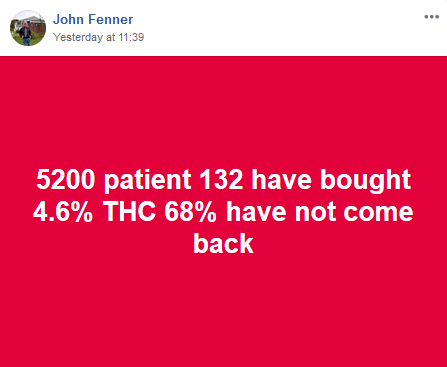
Des Moines Register Reporting Iowa Medical CBD Legislation May Still Pass This Year
‘A devastating blow’: Iowa’s 2 shuttered medical marijuana dispensaries could take year to replace has Senator Bolkcom telling reporter Ian Richardson that like me, the House Bill passed on partisan lines in this 2020 legislative session is going to be opposed. Knowing the lying evil of Kim Reynolds after years of her stonewalling and being…
-

Analysis: Commercially Marketed CBD Products Often Tainted with THC
WeedPress special note: Cedar Rapids illegal CBD products at the Corner Store Apothecary are a minor yet obnoxious personal problem in Iowa. Not only can the products sold over the counter at Corner Store Apothecary actually get illegal CBD users in trouble with law enforcement, DHS can also take their kids, probation can violate…
-
Here’s What Your Brain Looks Like On Psilocybin
Image from Journal of The Royal Society Publishing Homological scaffolds of brain functional networks G Petri 2014 Business Insider: Psilocybin, the main psychoactive ingredient in magic mushrooms, sprouts new links across previously disconnected brain regions, the study found, temporarily altering the brain’s entire organizational framework. The data visualization below (b) shows how these new connections…
-
The Real Nature of Politics and Politicians
The Real Nature of Politics and Politicians or America’s System Works, But Not the Way You Think! By Mike Rothfeld (Editor’s Note: I met Mike at the Campaign For Liberty convention in Atlanta in January 2010. This guy is a take-no-prisoners guerrilla fighter. If you see Mike in person giving a speech, you’ll either love him…
-
The Latest: Senator Brad Zaun Talks To Simon Conway About Medical Marijuana
Listen here at iHeart Radio podcasts.Key takeaways: Republicans are ideologically inconsistent and already paying for Reynolds ideological rigidity; patients renewal annually Zaun is open to reconsidering as it’s not easy for chronic patients to get renewed annually, which may explain why the program retention rate is only 32%; Zaun admits the War on Drugs is…
Current Events
-
September 28th: The 3rd Annual University of Iowa Harm Reduction Summit
Register to Join us on 9/28 in Iowa City for the Iowa Harm Reduction Summit View this email in your browser Overdose prevention, hepatitis C treatment, and expanding a care continuum for people who use drugs. Experts from around the country will visit Iowa on September 28th to share their experiences working in syringe service…
-

We’ve started a podcast. Episode 1: A Discussion About True Economics | Elemental Discourse Presented With Nu Media Unlimited
Slightly under 2 hour discussion, I didn’t click the right button so video of our talk is missing but it’s worth the effort if you have two hours to kill doing yardwork. Jason Karimi Published on Sep 4, 2018 Jason Karimi and Jackson Lebedun discuss everything University failed to teach you about economics, and…
-
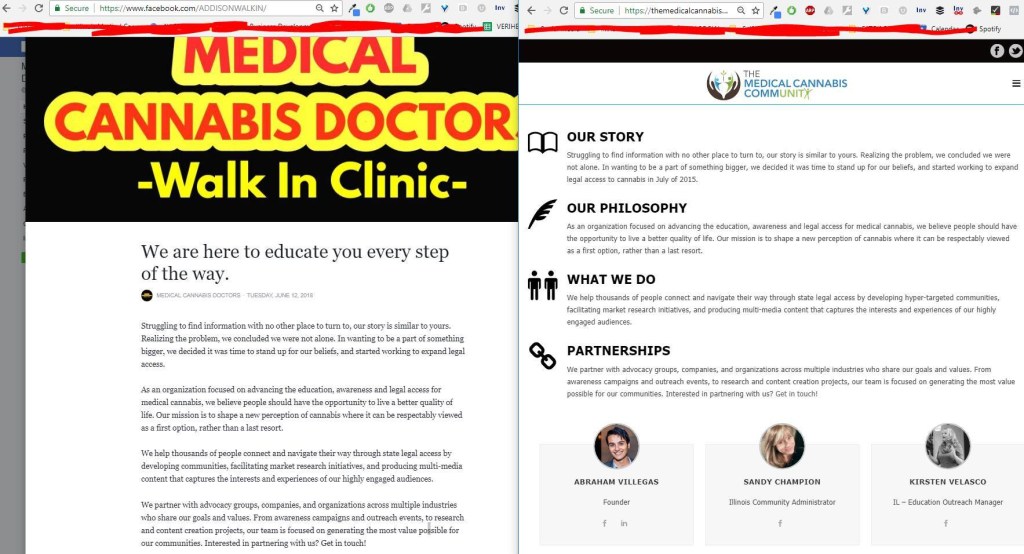
WeedPress First Broke This Story. CBS2 Chicago Picked It Up Calling It “False Promises” In the Medical Marijuana Industry. We Did A Good Work But Facebook Banned Us For Linking The CBS Chicago Article. Conclusion?
Screw Facebook, we’re moving to imperfect twitter. Here’s our coverage followed by CBS, exposing Eric Arndt’s predatory business in Addison Illinois. Facebook said it was against community standards, and we can’t post for three days on our page. They also threatened to permanently unpublish WeedPress, so we’re done posting there and will be moving to…
-
WeedPress Breaking News: Construction on Iowa Medical Cannabis Dispensary Reportedly Begins In Davenport For Seattle Based “Have A Heart” Medical Cannabidiol Dispensary — Here’s What The Five Dispensaries Will Look Like When Done
A neighbor in the neighborhood reports that construction on the Seattle owned dispensary has begun in Davenport, Iowa: https://qconline.com/business/firm-gets-davenport-medical-marijuana-dispensary-license/article_25ed85e7-56ba-543b-93bb-4f21d36692ec.html Have a Heart Compassion Care was offered licenses to operate in Council Bluffs and Davenport. Iowa Cannabis Company would operate in Waterloo. Have a Heart officials told The Quad-City Times it plans to renovate the former…
-

Corin Juehring Drugged At 515 Alive Music Festival In Des Moines — Public Service Announcement
This horrifying story as told by the victim should be utilized to educate people on drug use and etiquette at festivals and other locations since 1, people will use drugs and 2, other people will give harmful drugs to people without their consent thus 3, drug use education, like sex education, needs to evolve from…
-
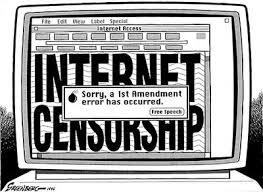
More Updates As Facebook Suspends Iowa Marijuana Activist Account — Purge Consuming Ron Paul Institute Director, Antiwar.com, Other Journalists — Are You Next?
Social media accounts have been known to censor and limit political discourse for years. We talked about it in 2011 with Ron Paul at a meeting of the Young Americans for Liberty chapter Presidents during national convention. Now, the public is finding out about selective political censorship as Alex Jones, Ron Paul, Justin Raimondo, and…
Legislation
-
Travis Ismay Responds to My Congratulatory Email: A Small Step Toward Civil Discourse in South Dakota Politics
Yesterday, Rep. Travis Ismay (R-House District 28B) replied to the congratulatory email I sent him shortly after his decisive Republican primary victory on June 2.¹ For context, here is the full exchange: My email (June 2, 2026): For context, here is the full exchange: It’s a brief, gracious response — and one I appreciate. Background…
-
Request for NCSL Virginia Presentation On Fed Law Impacts For State Industry and Patients
Weedpress sent the following request via https://www.ncsl.org/health/state-medical-cannabis-laws Request for NCSL Presentation Slides – Federal Marijuana & Hemp Policy Implications (June 2026) Dear NCSL Staff, My name is Jason Karimi, and I publish WeedPress, an independent policy analysis site focused on cannabis regulation, federal-state issues, and legislative oversight. I am writing to request materials from a…
-
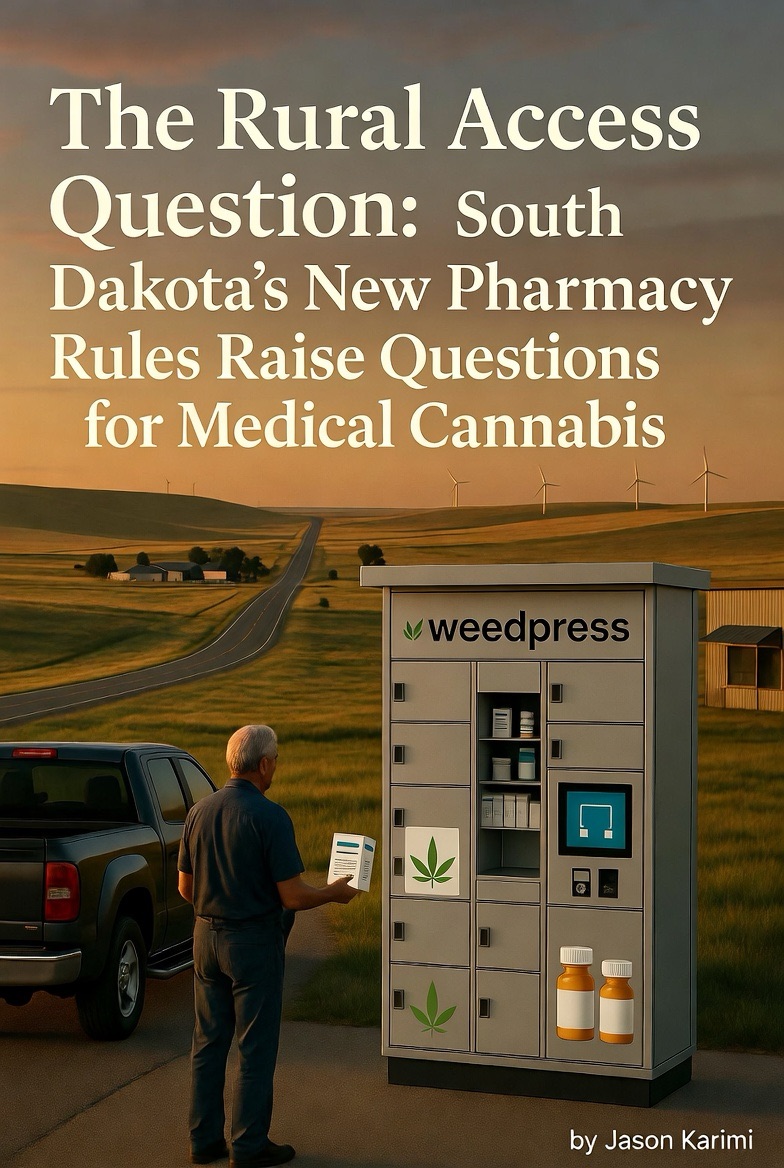
The Rural Access Question South Dakota’s New Pharmacy Rules Raise for Medical Cannabis
As regulators embrace telepharmacy and remote prescription pickup, policymakers may eventually face similar questions about medical cannabis access in rural communities. South Dakota’s Board of Pharmacy is advancing updated rules under Article 20:51 of the Administrative Rules of South Dakota (ARSD) that formalize the use of remote drop sites for prescription medications and introduce a…
-
Julian Garrett Retires: Will His Replacement Be More Pro-Marijuana in Iowa Senate District 11?
Last week, longtime Iowa State Senator Julian Garrett (R-District 11) announced he will not seek re-election due to a prostate cancer diagnosis.¹ For the first time in more than 13 years, Warren County (and part of Marion County) will have an open Senate seat in the June 2 primary and November general election. Julian Garrett…
-
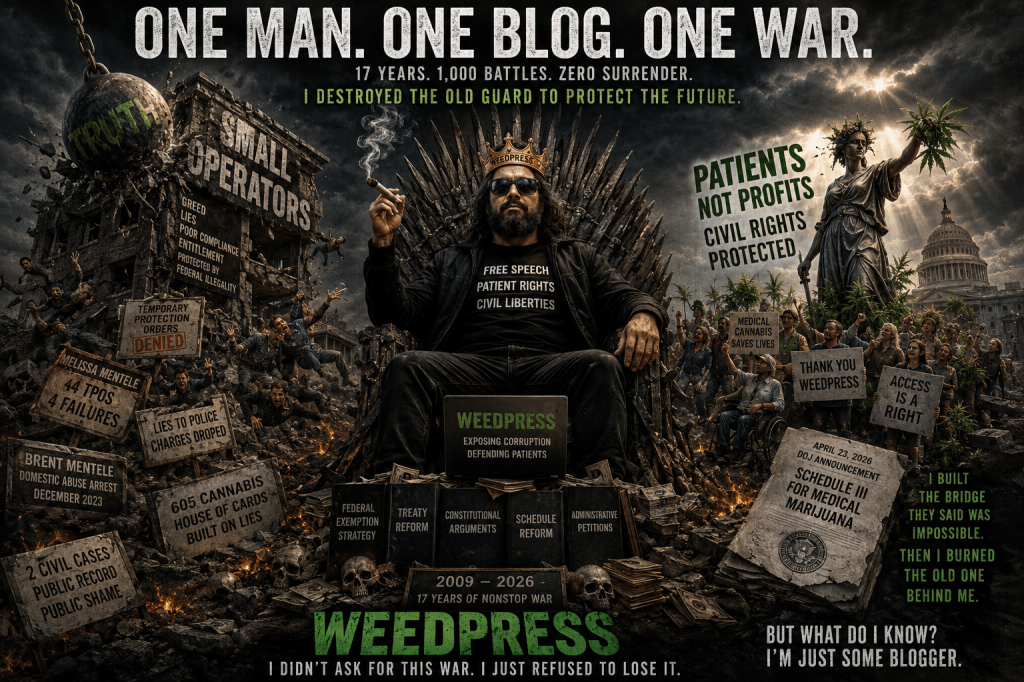
I Spent 17 Years Arguing for Federal Cannabis Legitimacy. Now Small Operators Are About to Learn What That Means.
I have spent most of my adult life arguing that state medical cannabis programs could not survive forever as legally tolerated gray markets.¹ They needed federal recognition. They needed treaty analysis. They needed administrative pathways. They needed constitutional pressure. They needed people willing to say the uncomfortable thing before the institutions were ready to admit…
-
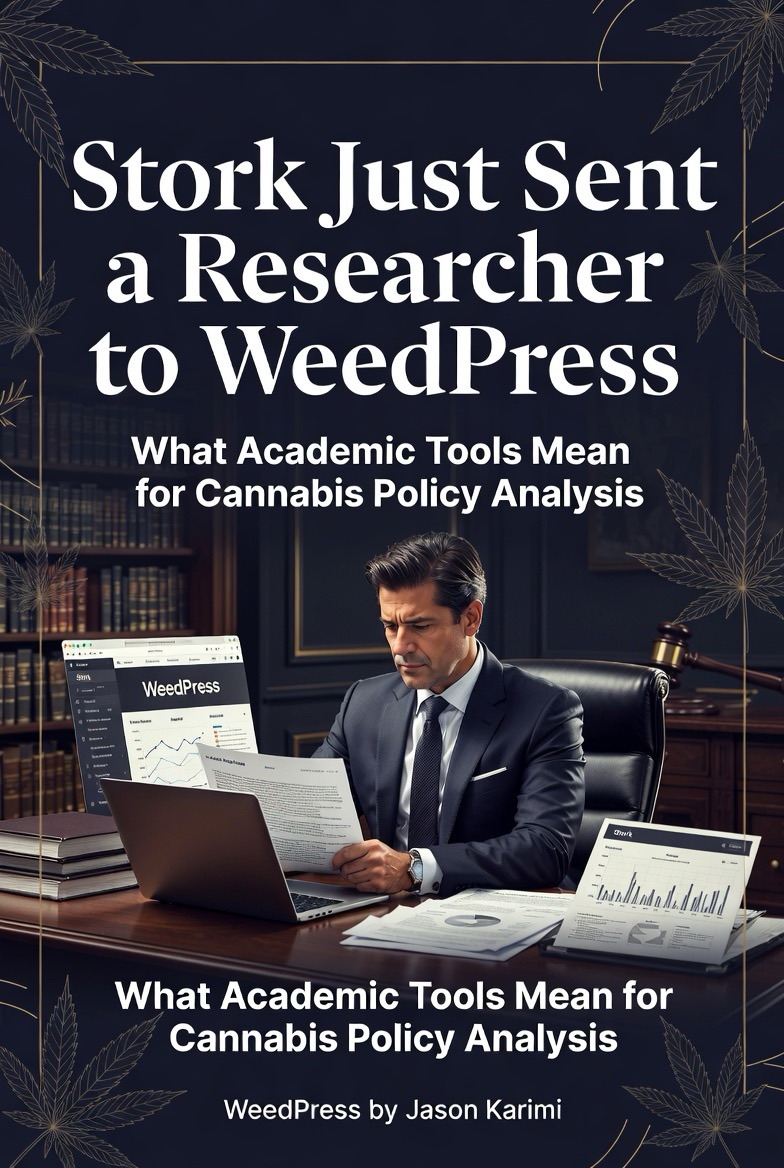
Stork Just Sent a Researcher to WeedPress: What Academic Tools Mean for Cannabis Policy Analysis
Independent statutory deep-dives are showing up alongside peer-reviewed literature in researchers’ workflows. It’s not every day your analytics dashboard lights up with a referrer you’ve never seen before. Today, May 5, 2026, WeedPress received a visit from paper-box.co — the domain tied to Stork (storkapp.me), a specialized publication-tracking and research intelligence platform used by academics,…
RFRA Updates
-
The Real Tactical Choice in Religious-Cannabis Litigation: RFRA or Section 1983?
The Real Tactical Choice in Religious-Cannabis Litigation: RFRA or Section 1983? A major strategic question is emerging in religious-cannabis litigation, and it is bigger than any one state. If a Rastafarian plaintiff is challenging marijuana restrictions as applied to religious use, what is the best vehicle: a state Religious Freedom Restoration Act, or 42 U.S.C.…
-
Today’s Probation Meeting Matters More Than It Looks
Today’s Probation Meeting Matters More Than It Looks Today’s meeting with probation may end up being one of the most important timeline entries in this entire case. At the meeting, my probation officer indicated that he had been planning to administer a UA. But once the pending religious evidentiary hearing was part of the picture,…
-
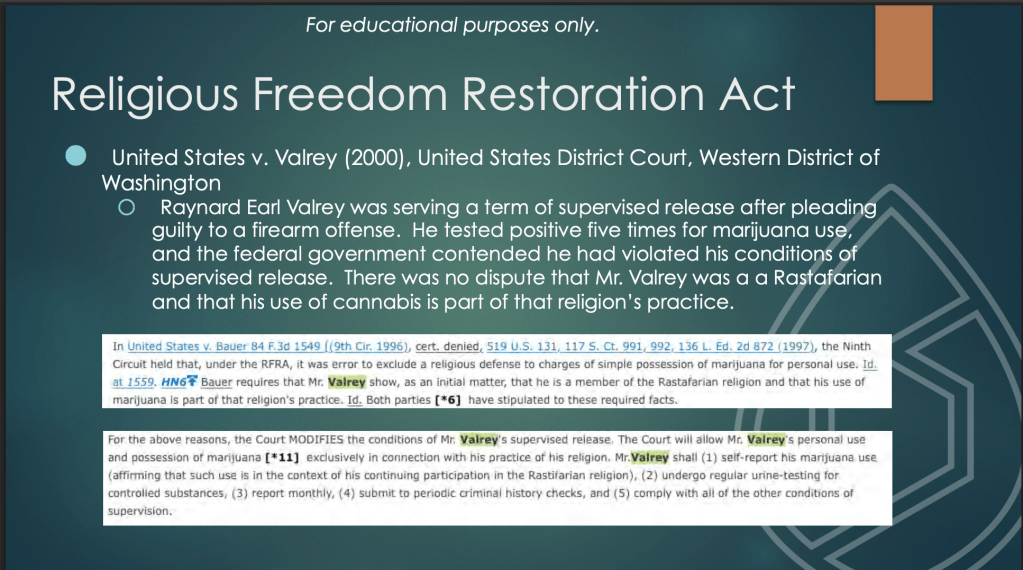
United States v. Valrey: Federal Probation Exemption Granted For Marijuana Use
United States v. Valrey (sometimes spelled Valery or Vairey in references, but most commonly cited as Valrey), decided on February 22, 2000, by the U.S. District Court for the Western District of Washington (case number CR96-549Z or similar). It’s an unpublished district court opinion (2000 WL 692647), meaning it’s not in the official Federal Reporter…
-
The Hidden Pattern Behind Religious Drug Exemptions: They’re Granted Because the Faiths Are Indigenous
The Hidden Pattern Behind Religious Drug Exemptions: They’re Granted Because the Faiths Are Indigenous By Jason Karimi | WeedPress March 16, 2026 In the decades-long “War on Drugs,” nearly every controlled substance is treated the same: illegal, dangerous, zero tolerance. Yet three high-profile exceptions keep popping up—peyote, ayahuasca, and cannabis in Rastafarian practice. Courts, legislatures,…
-
The RFRA Trap: Litigation Sequencing and the Structural Limits of State Religious Freedom Claims in Drug Law
The RFRA Trap: Litigation Sequencing and the Structural Limits of State Religious Freedom Claims in Drug Law Why arguing state RFRA before federal constitutional claims can foreclose Supreme Court review — and how litigation order determines survival. By Jason Karimi | WeedPress February 15, 2026 State Religious Freedom Restoration Acts are often treated as constitutional…
-
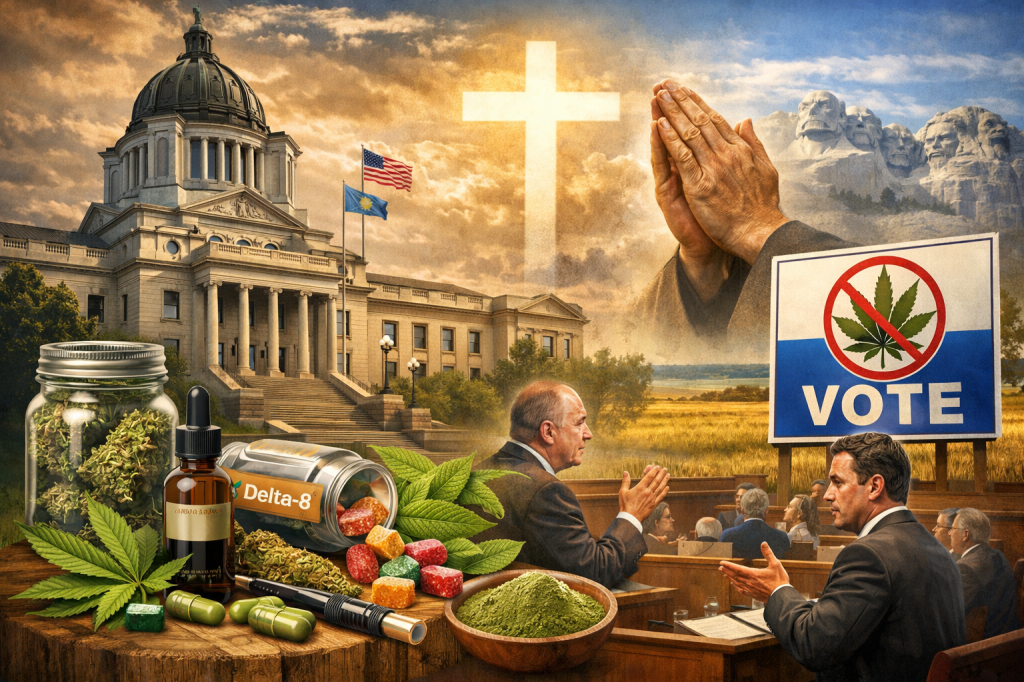
South Dakota Senate Passes Resolution Calling for Prayer — While Cannabis Policy Still in Flux
South Dakota Senate Passes Resolution Calling for Prayer — While Cannabis Policy Still in Flux By Reverend Jason Karimi | WeedPress | February 4, 2026 This week, the South Dakota Senate passed Senate Concurrent Resolution 604 — a non-binding call urging residents of the state to “return to the Lord Most High” and observe a…
Upcoming Events
-
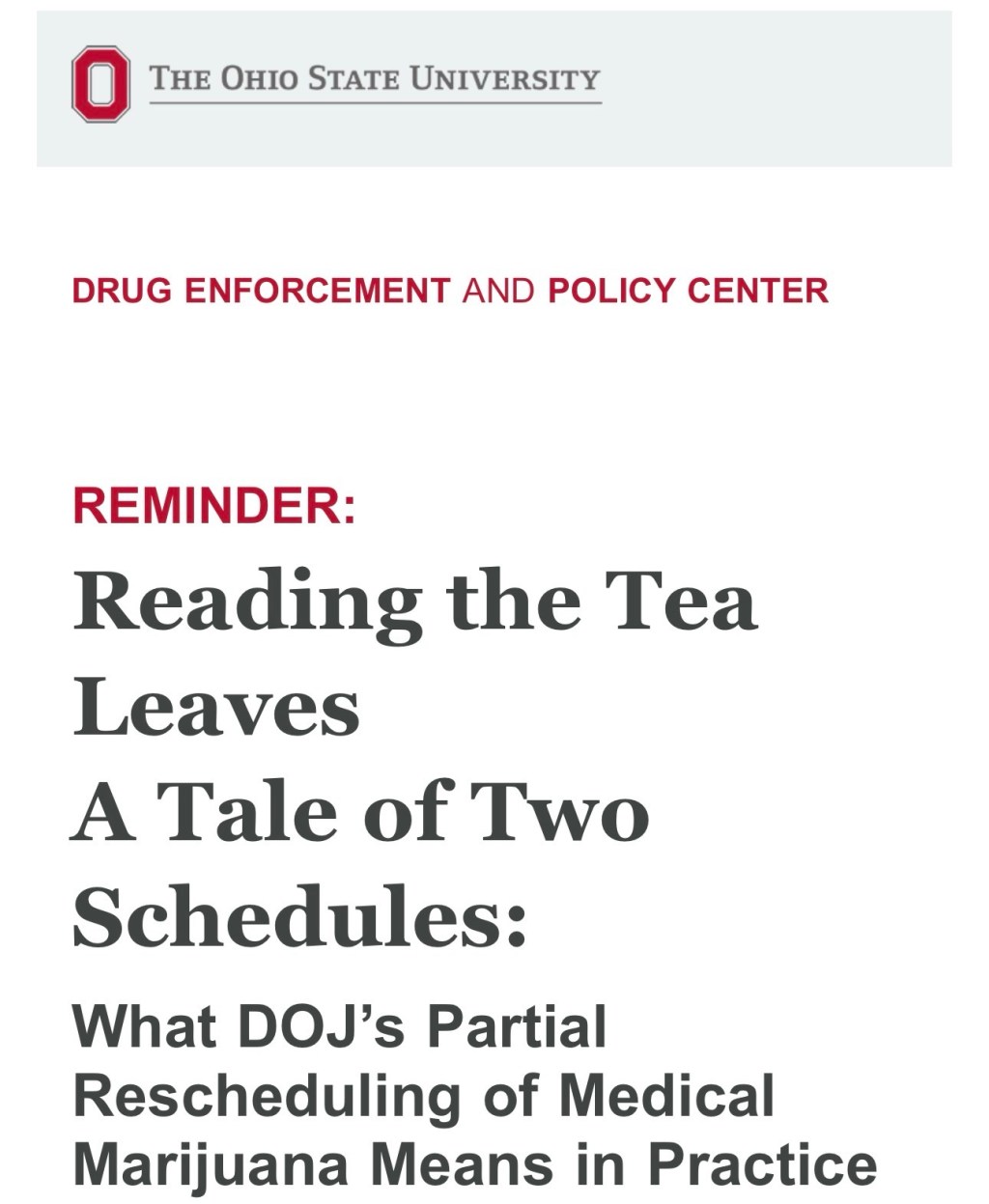
June 16 Zoom: What DOJ’s Partial Rescheduling of Medical Marijuana Means in Practice | OSU Moritz College of Law
Federal changes are real, but they are more limited and complicated than many people in the South Dakota space are claiming. Reading the Tea Leaves A Tale of Two Schedules: What DOJ’s Partial Rescheduling of Medical Marijuana Means in Practice Tuesday, June 16, 2026 noon-1:15 p.m. Zoom The recent U.S. Department of Justice’s order partially rescheduling…
-

The June 27 DEA Registration Deadline Is Coming Fast: South Dakota Operators Face a Compliance Cliff as the Safe Harbor Window Closes
With the June 27 DEA registration deadline approaching, the following analysis examines the practical timeline and compliance pressures facing South Dakota operators. South Dakota’s licensed medical cannabis operators now have roughly 29 days to secure critical federal protections before the expedited DEA registration window closes. On April 28, 2026, the Department of Justice and Drug…
-
Advance Notice to South Dakota Department of Health: Petition for Scheduling Review Will Follow Federal Rescheduling Hearings
South Dakota’s medical cannabis program stands at a critical juncture following the federal partial rescheduling of certain marijuana products to Schedule III.¹ After the DEA’s June 29, 2026 rescheduling hearing concludes, the undersigned will formally petition the South Dakota Department of Health (DOH) to review and align the state’s Schedule I classification of marijuana with…
-
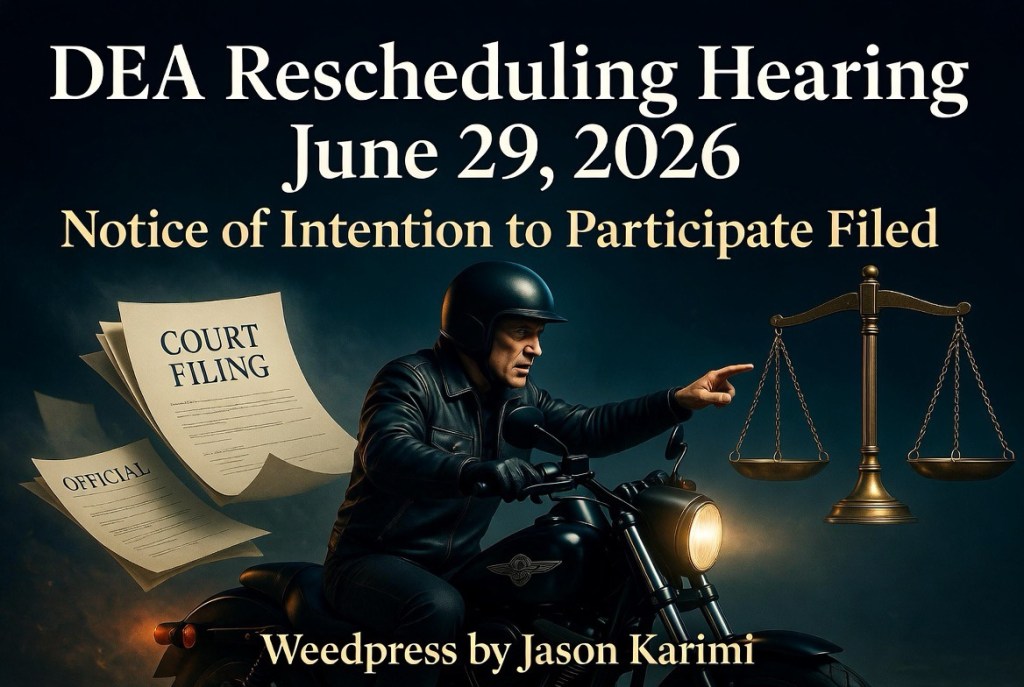
I Have Filed Notice to Participate in the DEA’s June 29 Rescheduling Hearing
Today I formally submitted my Notice of Intention to Participate in the DEA administrative hearing on the proposed rescheduling of marijuana from Schedule I to Schedule III (Docket No. DEA-1362), scheduled to begin June 29, 2026. This filing continues my 17-year record of cannabis policy advocacy and public commentary. It focuses on the interaction between…
-
I Spent 17 Years Arguing for Federal Cannabis Legitimacy. Now Small Operators Are About to Learn What That Means.
I have spent most of my adult life arguing that state medical cannabis programs could not survive forever as legally tolerated gray markets.¹ They needed federal recognition. They needed treaty analysis. They needed administrative pathways. They needed constitutional pressure. They needed people willing to say the uncomfortable thing before the institutions were ready to admit…
-
Why South Dakota’s Own Statutes Now Make Schedule I Marijuana Unlawful to Maintain
“Acting Attorney General Todd Blanche is placing both FDA-approved drug products containing marijuana, and medicinal marijuana products subject to a qualifying state-issued license in Schedule III under his authority to reschedule drugs to carry out the United States’ obligations under the Single Convention on Narcotic Drugs.”¹ South Dakota, however, is not automatically bound by that…
For The Record (2026), By Jason Karimi
-

Anonymous Speech Online: What the Law Protects — and Where It Stops
Anonymous speech has a long American pedigree, but anonymity is not the same thing as impunity. From the founding era forward, Americans have used unsigned pamphlets, pseudonymous essays, and concealed authorship to criticize power, test arguments, and protect dissenters from retaliation.² The Supreme Court has repeatedly recognized that anonymity can be part of the freedom…
-
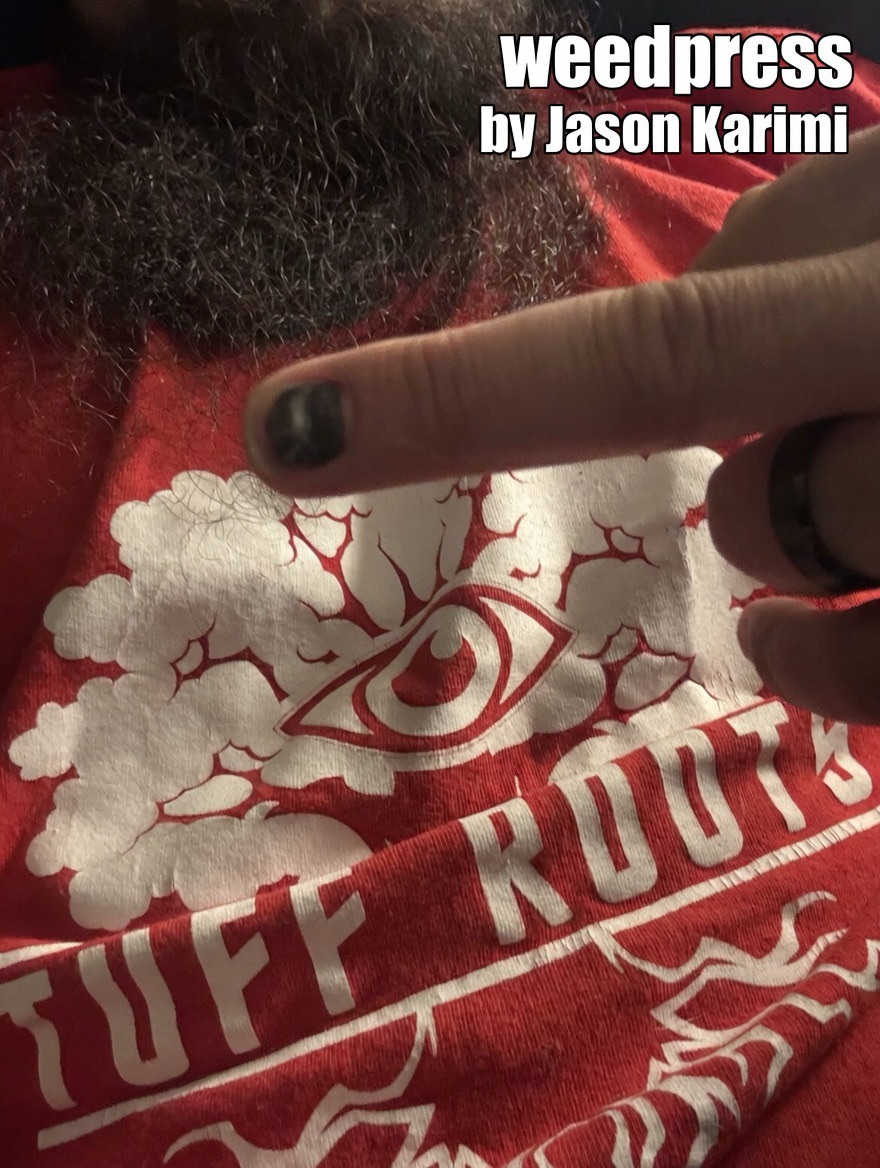
Reflections on a Bruised Nail: What My Left Middle Finger Injury Taught Me About Inner Worth and Boundaries
Two months ago, I slammed my left middle finger, resulting in a subungual hematoma—the dark pool of blood trapped beneath the nail that turned my fingertip into a visual reminder of sudden impact.¹ No longer painful, the nail still carries a mottled shadow of black and white as new growth slowly pushes the old damage…
-
I Have Filed Notice to Participate in the DEA’s June 29 Rescheduling Hearing
Today I formally submitted my Notice of Intention to Participate in the DEA administrative hearing on the proposed rescheduling of marijuana from Schedule I to Schedule III (Docket No. DEA-1362), scheduled to begin June 29, 2026. This filing continues my 17-year record of cannabis policy advocacy and public commentary. It focuses on the interaction between…
-
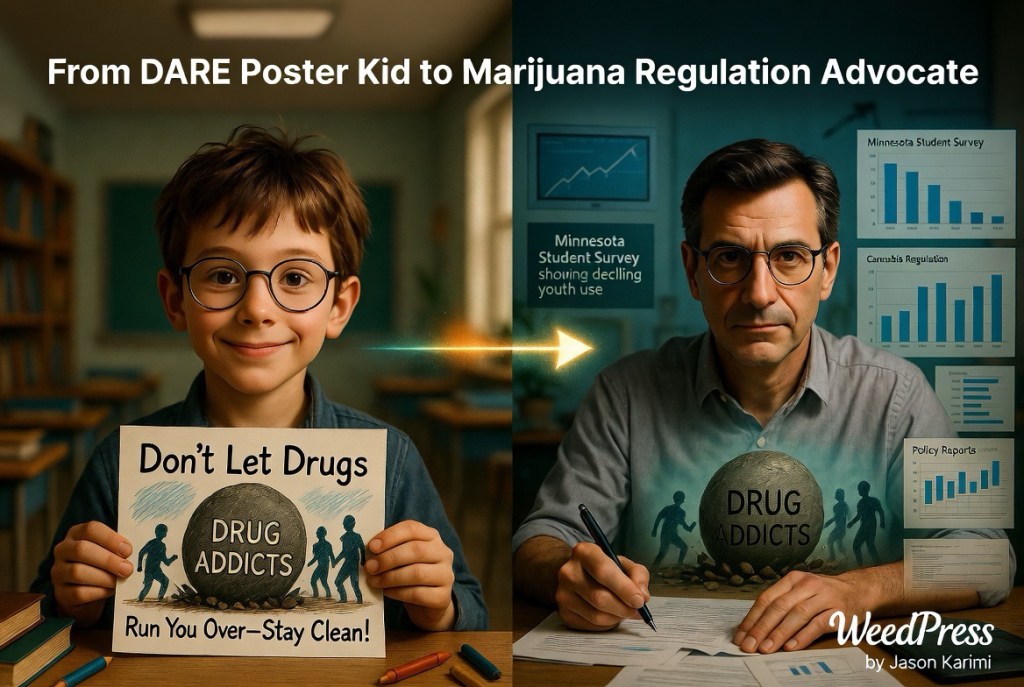
DARE Poster Kid to Marijuana Regulation Advocate: My Unchanging Fight to Protect Kids
When I was in elementary school, the DARE program left a lasting impression. Officers visited regularly, warning us about the dangers of drugs and pushing the “just say no” message. I took it seriously. So when the school announced an anti-drug poster contest open to elementary students, I threw myself into creating something impactful. My…
-

Chapter 10: What Remains
Table of Contents Preface Chapter 1 — The First ArrestEarly rupture, authority, and the beginning of resistance Chapter 2 — Before the File Was Opened Gifted education, faith, discipline, and early legitimacy Chapter 3 — Becoming a ProblemWork, exhaustion, collapse, and the cost of visibility Chapter 4 — Learning the Language of PowerCourts, probation, jail, campaigns, and proximity to decision-makers…
-

Chapter 9: The Record vs. the Narrative
Table of Contents Preface Chapter 1 — The First ArrestEarly rupture, authority, and the beginning of resistance Chapter 2 — Before the File Was Opened Gifted education, faith, discipline, and early legitimacy Chapter 3 — Becoming a ProblemWork, exhaustion, collapse, and the cost of visibility Chapter 4 — Learning the Language of PowerCourts, probation, jail, campaigns, and proximity to decision-makers…
-

Chapter 8: What the Media Gets Wrong
Table of Contents Preface Chapter 1 — The First ArrestEarly rupture, authority, and the beginning of resistance Chapter 2 — Before the File Was Opened Gifted education, faith, discipline, and early legitimacy Chapter 3 — Becoming a ProblemWork, exhaustion, collapse, and the cost of visibility Chapter 4 — Learning the Language of PowerCourts, probation, jail, campaigns, and proximity to decision-makers…
-

Chapter 7: Why I Never Left
Table of Contents Preface Chapter 1 — The First ArrestEarly rupture, authority, and the beginning of resistance Chapter 2 — Before the File Was Opened Gifted education, faith, discipline, and early legitimacy Chapter 3 — Becoming a ProblemWork, exhaustion, collapse, and the cost of visibility Chapter 4 — Learning the Language of PowerCourts, probation, jail, campaigns, and proximity to decision-makers…
-

Chapter 6: Staying Power
Table of Contents Preface Chapter 1 — The First ArrestEarly rupture, authority, and the beginning of resistance Chapter 2 — Before the File Was Opened Gifted education, faith, discipline, and early legitimacy Chapter 3 — Becoming a ProblemWork, exhaustion, collapse, and the cost of visibility Chapter 4 — Learning the Language of PowerCourts, probation, jail, campaigns, and proximity to decision-makers…
-

Chapter 5: The Apprenticeship
Table of Contents Preface Chapter 1 — The First ArrestEarly rupture, authority, and the beginning of resistance Chapter 2 — Before the File Was Opened Gifted education, faith, discipline, and early legitimacy Chapter 3 — Becoming a ProblemWork, exhaustion, collapse, and the cost of visibility Chapter 4 — Learning the Language of PowerCourts, probation, jail, campaigns, and proximity to decision-makers…
-

Chapter 4: Learning the Language of Power
Table of Contents Preface Chapter 1 — The First ArrestEarly rupture, authority, and the beginning of resistance Chapter 2 — Before the File Was Opened Gifted education, faith, discipline, and early legitimacy Chapter 3 — Becoming a ProblemWork, exhaustion, collapse, and the cost of visibility Chapter 4 — Learning the Language of PowerCourts, probation, jail, campaigns, and proximity to decision-makers…
-

Chapter 3: Becoming a Problem
Table of Contents Preface Chapter 1 — The First ArrestEarly rupture, authority, and the beginning of resistance Chapter 2 — Before the File Was Opened Gifted education, faith, discipline, and early legitimacy Chapter 3 — Becoming a ProblemWork, exhaustion, collapse, and the cost of visibility Chapter 4 — Learning the Language of PowerCourts, probation, jail, campaigns, and proximity to decision-makers…
Commentary
-
I Spent 17 Years Arguing for Federal Cannabis Legitimacy. Now Small Operators Are About to Learn What That Means.
I have spent most of my adult life arguing that state medical cannabis programs could not survive forever as legally tolerated gray markets.¹ They needed federal recognition. They needed treaty analysis. They needed administrative pathways. They needed constitutional pressure. They needed people willing to say the uncomfortable thing before the institutions were ready to admit…
-
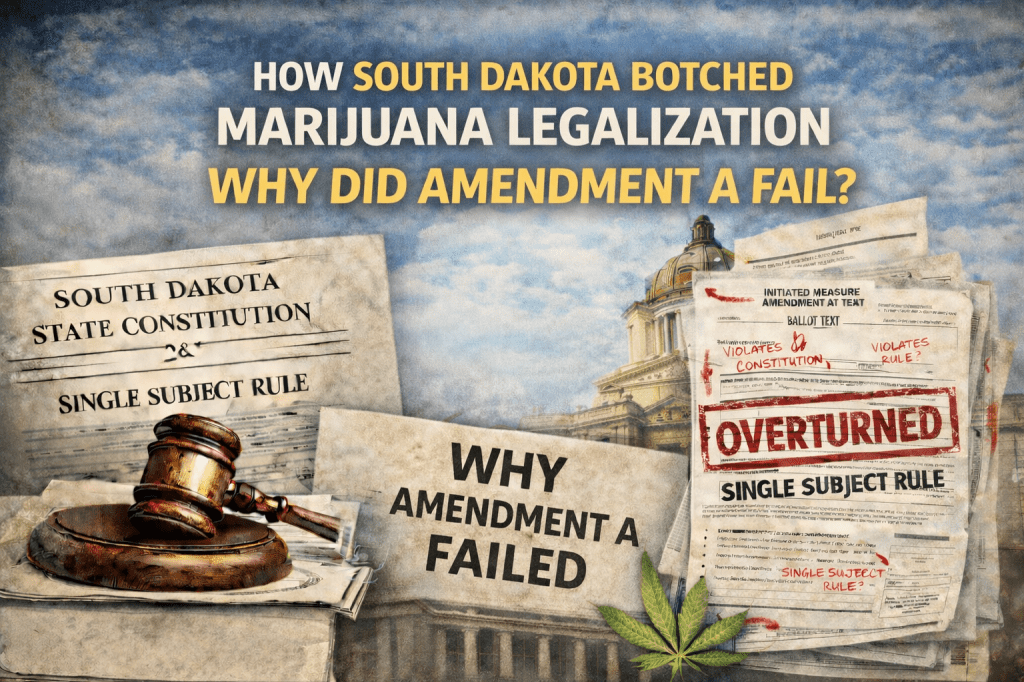
Leadership Matters: Strategy Failure — Not the Supreme Court — Doomed Legalization in South Dakota
Editors note: This piece analyzes past campaign strategy using publicly available court records and election results. When South Dakota voters approved Constitutional Amendment A in November 2020 to legalize, regulate, and tax marijuana, many supporters saw it as a historic victory for reform. But what followed — a legal challenge and a ruling from the…
-

Deadwood Was South Dakota’s Origin Story
Deadwood Was South Dakota’s Origin Story HBO’s western is not just about one outlaw camp. It is about the culture of theft, violated Lakota land, gold obsession, and rough power that helped shape the state By Jason Karimi | WeedPress March 26, 2026 HBO’s Deadwood is not a documentary. It is something more dangerous to…
-
Ziggy Marley’s “Racism Is A Killa” Uses Satire as a Public-Health Warning
Ziggy Marley’s “Racism Is A Killa” Uses Satire as a Public-Health Warning By Jason Karimi | WeedPress March 26, 2027 In the video for “Racism Is A Killa,” Ziggy Marley does not treat racism as a private flaw or a bad opinion. He frames it as a social sickness, and satire is the instrument that…
-
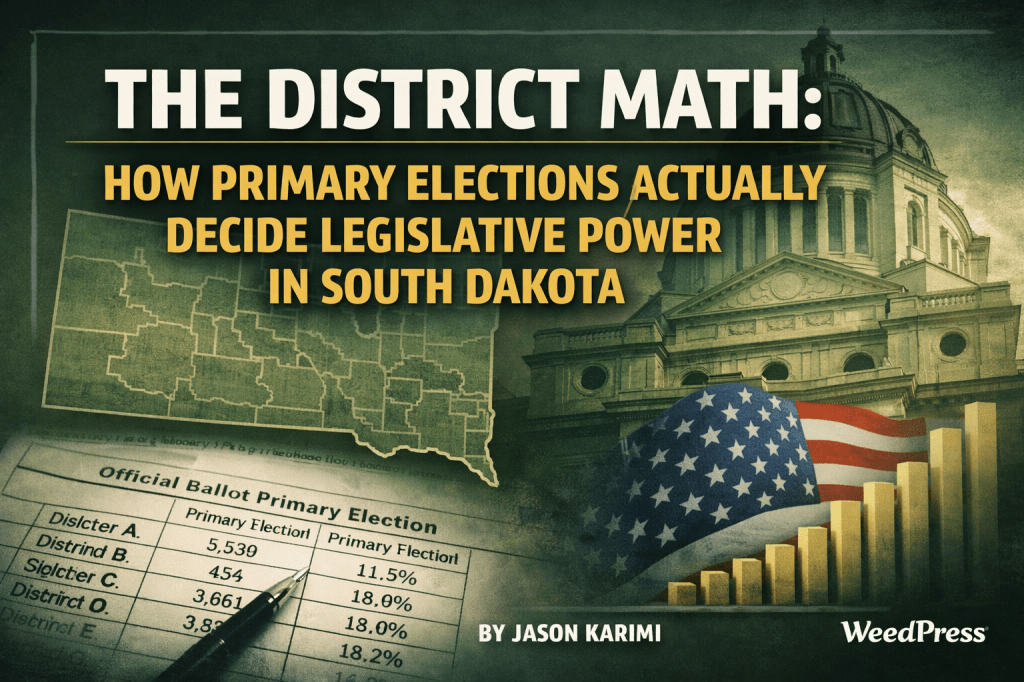
The District Math: How Primary Elections Actually Decide Legislative Power in South Dakota
The District Math: How Primary Elections Actually Decide Legislative Power in South Dakota By Jason Karimi | WeedPress February 23, 2026 If HB 1065 was a diagnostic, district math is the operating manual. Political influence in South Dakota is not determined by statewide sentiment alone. It is determined district by district — often by a…
-
From Diagnosis to Discipline: Building Primary Leverage in South Dakota’s Medical Cannabis Politics
From Diagnosis to Discipline: Building Primary Leverage in South Dakota’s Medical Cannabis Politics By Jason Karimi | WeedPress February 16, 2026 HB 1065 advancing is a test for the medical cannabis movement in South Dakota. If a restriction bill can clear committee 8–3 and advance toward the House floor with minimal electoral anxiety, the movement…
-
WeedPress Is Mapping the Battlefield While Others Debate the Map
WeedPress Is Mapping the Battlefield While Others Debate the Map WeedPress Policy SeriesBy Jason Karimi ⸻ There are two kinds of publications in contentious policy environments. Some debate what the terrain should look like. Others study what the terrain actually is. WeedPress was built to do the second. While many cannabis commentators remain focused on…
-
HB 1065 Heads to the Floor: The Primary Gap in South Dakota’s Medical Cannabis Politics
HB 1065 Heads to the Floor: The Primary Gap in South Dakota’s Medical Cannabis Politics As restriction legislation advances, the absence of effectively deterrent electoral pressure reveals a leverage problem within the state’s cannabis movement. As House Bill 1065 advances to the South Dakota House floor, the moment calls for structural reflection rather than rhetorical…
-

Discipline Forged Under Scrutiny: Why the Hard Path Produces the Most Careful Lawyers
Discipline Forged Under Scrutiny: Why the Hard Path Produces the Most Careful LawyersBy Jason Karimi | WeedPress | February 14th, 2026 ⸻ Some of the most disciplined lawyers are not the ones who glide through clean transcripts and uninterrupted résumés. They are the ones who had to fight to be admitted. They understand that the…
-
Outline of Cannabis Federalism: Constitutional Architecture in a Post-Prohibition Era
New book in monograph form incoming. Estimated release date: July 4, 2026 Cannabis Federalism: Constitutional Architecture in a Post-Prohibition Era Subtitle: A Structural Analysis of Vertical Preemption, Horizontal Protectionism, and Patient-Centered Regulatory Design By Jason Karimi Proposed Table of Contents Preface From Conflict to Architecture Brief, measured acknowledgment of the volatility of the cannabis policy…
-

The “Lazy but Ambitious” Minority: Why 15–20% of People Are Wired Differently — and How That Can Be a Strength
The “Lazy but Ambitious” Minority: Why 15–20% of People Are Wired Differently — and How That Can Be a Strength By Jason Karimi A growing body of productivity and behavioral-psychology content points to a counterintuitive personality pattern: a significant minority of people — often estimated informally at 15–20% of the population in coaching and productivity…
-
Why I No Longer Testify at Most Hearings
Why I No Longer Testify at Most Hearings Seventeen Years, Four Bills Passed, and Managing Campaigns and Staff Have Taught Me Institutional Architecture Is Not a Two-Minute Topic By Jason Karimi | WeedPress | February 12, 2026 This week’s attempt to repeal South Dakota’s medical cannabis laws leaned on ignorance of the federal architecture and…
Patient Perspectives
-
ILLEGAL: Homegrown Cannabis Remains Outside Federal Schedule III Protections — An Open Question With Real Consequences for Patients
The April 28, 2026 federal partial rescheduling order moved only two narrow categories of marijuana from Schedule I to Schedule III: certain FDA-approved products and marijuana produced under qualifying state-issued medical marijuana licenses.¹ Personal home cultivation was not included in either category. This creates a significant gap. In states that permit limited home growing for…
-
Tribal Operators Face Extra Risks Under Federal Rescheduling — And They Should Not Trust Reassuring Advice from People with Skin in the Game
Tribal operators face additional risks that many industry voices aren’t addressing. Independent analysis matters. Tribal and Indigenous cannabis operators are in a uniquely vulnerable position under the new federal Schedule III framework. They face all the same compliance burdens as other small operators — plus additional layers of jurisdictional complexity, disclosure risk, and uncertainty around…
-
June 3: Beard Bros Webinar Warns Tribal And Small Cannabis Operators Are At Risk
Check out the warnings for small operators from this webinar: Core Warnings for Small Operators 1. Compliance Costs & DEA Registration Burdens Are Real and Disproportionate • Small operators face significant new costs for legal counsel, application preparation, security upgrades, recordkeeping systems, and compliance infrastructure that many legacy businesses were never built to handle. •…
-
South Dakota Small Cannabis Operators Face a Compliance Cliff: Federal Rescheduling Likely to Drive More Closures and Force Consolidation
The collapse of recreational legalization efforts in South Dakota already triggered a wave of dispensary closures. At least eight licensed medical cannabis businesses shuttered in late 2024 and early 2025 amid falling cardholder numbers, intense price competition, and regulatory pressures.¹ “Then it was a race to the bottom on pricing,” one industry participant observed as…
-
The Private Reckoning: What Two Out-of-State Consultants Most Likely Taught South Dakota Operators Behind Closed Doors
The April 28, 2026 partial Schedule III order (91 Fed. Reg. 22714) did not merely lower marijuana’s scheduling classification.¹ It imposed a new federal compliance regime that effectively ended the low-overhead, cash-only state-only model that defined South Dakota’s medical cannabis program.² Some public voices have offered vague assurances that “we’ll figure it out” for the…
-
Anonymous Speech Online: What the Law Protects — and Where It Stops
Anonymous speech has a long American pedigree, but anonymity is not the same thing as impunity. From the founding era forward, Americans have used unsigned pamphlets, pseudonymous essays, and concealed authorship to criticize power, test arguments, and protect dissenters from retaliation.² The Supreme Court has repeatedly recognized that anonymity can be part of the freedom…
 WeedPress: The Paper Trail