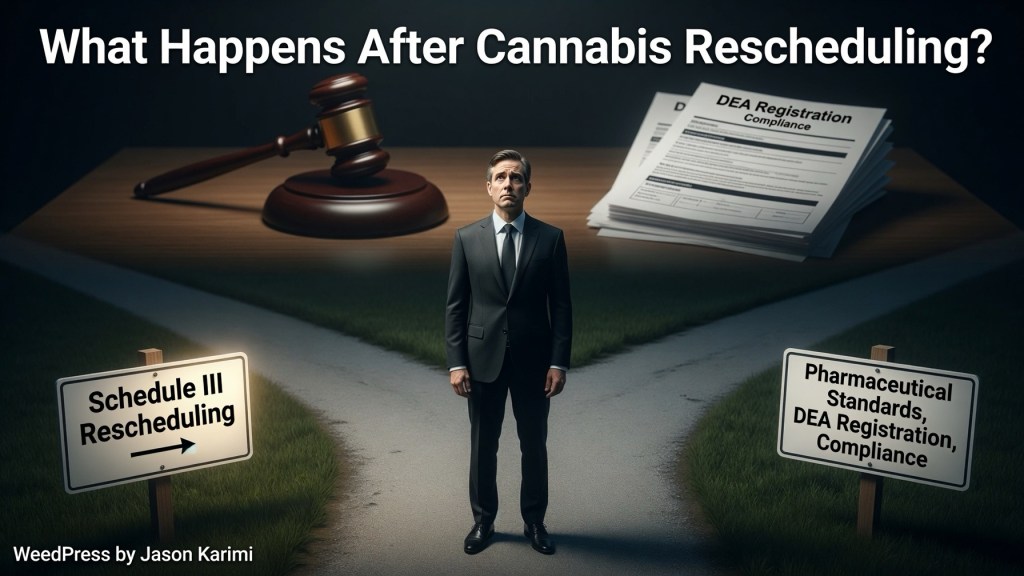
While much attention has focused on the DEA’s Administrative Law Judge hearing regarding cannabis rescheduling, the more difficult work begins after any final decision. In a recent discussion on the TDR channel, industry and legal experts examined the practical implications if marijuana moves to Schedule III, warning that companies treating rescheduling as the finish line rather than the starting line will likely face significant operational, compliance, and capital challenges.¹
Vertical Integration Pressure and Supply Chain Realignment
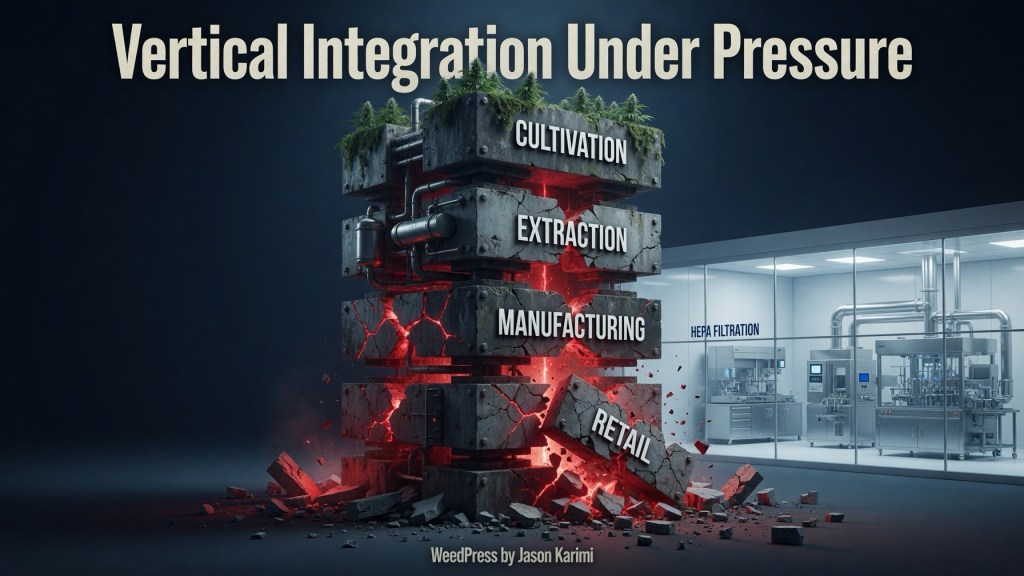
Many current cannabis companies operate under highly vertically integrated models, controlling cultivation, extraction, manufacturing, and retail under one corporate umbrella. According to the discussion, the pharmaceutical manufacturing standards participants expect to become increasingly important under a Schedule III framework could encourage greater specialization across the supply chain.²
Attorney John Malone of J. Malone PC noted that stricter compliance requirements may push certain companies to focus primarily on biomass production while others handle extraction and finished-dose manufacturing under more rigorous controls.³ This shift could create challenges for smaller vertically integrated operators that lack the scale or specialized expertise to meet pharmaceutical-grade standards at every stage of production.
Timeline Uncertainty Creates Competitive Risk
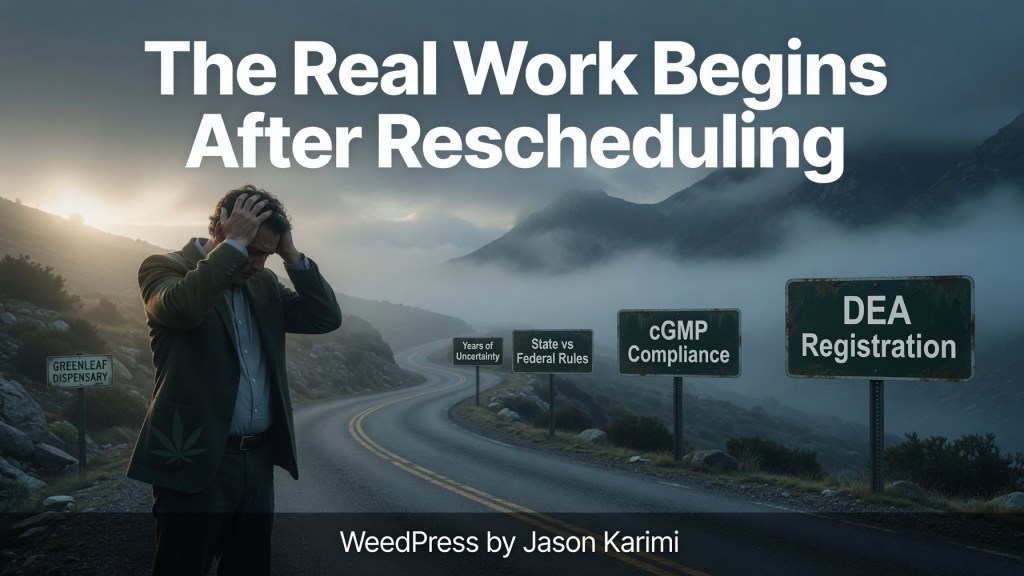
Even if cannabis is successfully rescheduled to Schedule III, the practical implementation of new regulations will not happen overnight. The rollout of updated DEA registration processes, compliance frameworks, and enforcement mechanisms could take years to fully materialize.⁴
Participants in the discussion emphasized that companies waiting until rescheduling is finalized before beginning operational changes may find themselves at a significant competitive disadvantage. Early movers who begin investing in facility upgrades, quality systems, and regulatory expertise now are expected to be better positioned once new rules take effect.⁵

Pharma Partnerships vs. Going Solo
One of the more consequential business implications discussed involves the growing need for pharmaceutical partnerships. John Malone suggested that many cannabis companies may ultimately need to partner with or be acquired by established pharmaceutical firms that already possess deep expertise in cGMP (Current Good Manufacturing Practices), regulatory affairs, and quality management systems.⁶
Pure-play cannabis companies without this institutional knowledge may struggle to independently meet the rigorous standards required for Schedule III production. This dynamic could accelerate industry consolidation, with larger, better-capitalized players or those with pharmaceutical backing gaining market share at the expense of smaller operators.⁷

Shift Toward Standardized Pharmaceutical Products
Several participants predicted that portions of the industry may place greater emphasis on standardized, consistent finished-dose products such as oils and capsules, rather than the highly variable flower and concentrate products common in many state markets today.⁸ This potential shift would align more closely with how other Schedule III medications are developed and distributed.
Regulatory Readiness Gap Raises Concerns
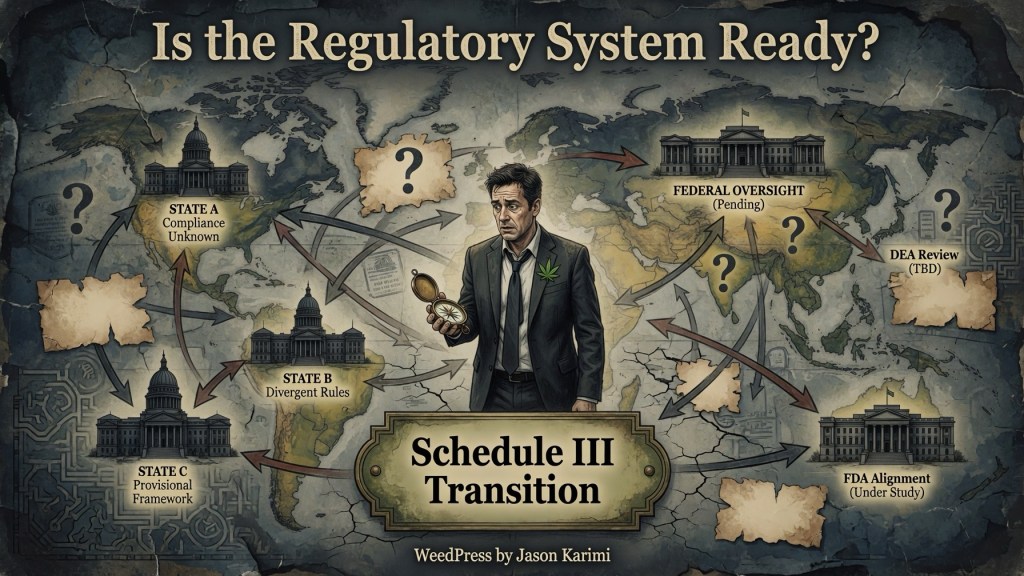
A recurring theme throughout the conversation was whether the current regulatory system — at both state and federal levels — is adequately prepared to manage the complexity of Schedule III cannabis. Participants expressed concern that rescheduling could create a messy and prolonged transition period marked by unclear rules, enforcement gaps, and inconsistent application across jurisdictions.⁹
This regulatory uncertainty adds another layer of risk for businesses attempting to plan long-term investments and operational changes in anticipation of federal reform.¹⁰

Core Warning from Industry Experts
The central message delivered by the speakers, including Omar Khan of High Tide Inc. (NASDAQ: HITI) and attorney John Malone, was that rescheduling cannabis out of Schedule I represents only the beginning of a much larger transformation.¹¹ The speakers warned that companies that fail to prepare for the operational, compliance, and capital demands of operating under pharmaceutical standards risk being left behind as the industry evolves.¹²
While the legal and political effort to achieve rescheduling remains important, the discussion made clear that the real test for cannabis businesses will be their ability to adapt to significantly higher standards of manufacturing, quality control, and regulatory compliance once any final federal decision takes effect.¹³

Footnotes
¹ TDR YouTube livestream, Ontario Cracks Down + What’s Next After ALJ? (July 8, 2026), https://www.youtube.com/watch?v=bwn8tna1i8I.
² TDR YouTube livestream, 12:40–18:20 (discussion of pharmaceutical standards and supply chain specialization).
³ John Malone, Attorney, J. Malone PC, TDR YouTube livestream, 14:55–17:10 (comments on supply chain specialization under Schedule III).
⁴ TDR YouTube livestream, 22:10–27:45 (timeline and implementation challenges following rescheduling).
⁵ TDR YouTube livestream, 25:30–28:00 (competitive risks for companies that delay preparation).
⁶ John Malone, Attorney, J. Malone PC, TDR YouTube livestream, 19:45–23:20
⁷ TDR YouTube livestream, 30:10–33:40
⁸ TDR YouTube livestream, 28:50–32:15
⁹ TDR YouTube livestream, 34:20–38:00
¹⁰ TDR YouTube livestream, 36:45–39:10
¹¹ Omar Khan, Chief Communications & Public Affairs Officer, High Tide Inc. (NASDAQ: HITI); John Malone, Attorney, J. Malone PC, TDR YouTube livestream (overall framing of the discussion).
¹² TDR YouTube livestream, 40:00–43:30 (core warning that rescheduling is only the beginning of major transformation).
¹³ TDR YouTube livestream, 42:15–44:50 (final summary of operational and compliance challenges ahead).
Special note: John is a real attorney. He doesn’t pretend online remedial level classes are Ivy League law school.


Leave a Reply