The drug laws were rigged for decades.
Prohibition didn’t eliminate the black market — it protected it. Cartels and underground operators thrived while legitimate patients and small businesses were crushed. When states began legalization without federal exemption, they didn’t fix the problem. They simply moved the rigged game indoors and gave it a state license.
That low-competition, high-cronyism environment became the perfect breeding ground for a new kind of predator: the influencer-operator who claims to champion patients while treating oversight as a personal threat.
The Predator Playbook in the Weed Movement
Predators don’t debate rescheduling mechanics, conformity triggers, testing costs, or small-operator survival.
They don’t answer criticism with facts or policy analysis.
Instead, when legitimate oversight appears — when someone documents the gaps in program integrity or the vacuum left when key voices go silent during the biggest federal transition in 17 years — they attack the critic personally. They use their influence to silence scrutiny. They engage in regulatory capture. They treat the program as their personal fiefdom and anyone asking hard questions as the enemy.
This is not about protecting patients. This is about protecting power.
They thrived in the old state-only systems precisely because those systems rewarded insiders and punished transparency. No federal exemption meant no real competition, no uniform standards, and no external pressure to operate cleanly. Predators could dominate the microphone, control the narrative, and treat the program as their personal playground.
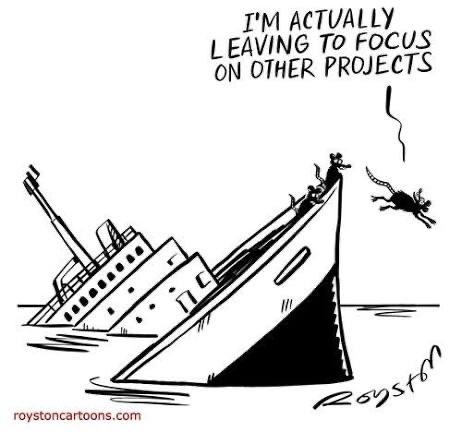
The Momentum Shift Is Here
Federal Schedule III rescheduling changes everything.
DEA registration deadlines, state conformity mechanisms, testing requirements, and market consolidation pressures are finally forcing real competition and comprehensive regulation. The black-market-friendly loopholes that let predators flourish are closing. The era of low-accountability, high-cronyism state programs is ending.
This shift is devastating to the old predators. It exposes the vacuum they leave when they retreat from policy engagement. It demands actual expertise and transparency instead of legacy branding and personal attacks on critics.
Real-World Advice When You Encounter This Pattern
When a predator escalates to personal attacks instead of debate:
• Stay on policy. Never match their emotional level. Their goal is to drag you into a personal fight so the real issues disappear.
• Escalate to documentation and multi-front pressure. Match their influence with better facts, sustained oversight, and legitimate advancement on regulatory and constitutional fronts.
• Protect the public record. Patients are not pawns. Small operators are not collateral damage. Judge “advocates” by what they do when criticized, not by what they say when winning. If criticism triggers personal attacks instead of answers, they are no longer serving the public — they are protecting themselves.
The Rigged Era Is Ending
The predators who thrived in the old black-market-friendly systems are being exposed. Some retreat. Some lash out with personal attacks. Some try to maintain legacy platforms while going silent on the actual issues.
The people willing to do the uncomfortable oversight work — even when it means being villainized — are the ones who will shape the new era of legitimate, competitive, federally aligned cannabis regulation.
Federal legitimacy is no longer theoretical. The programs that survive will be the ones that welcome competition and transparency, not the ones that try to silence it.




Leave a Reply