
High-conflict personalities are individuals who consistently turn disagreements into prolonged, intense, and destructive battles. Unlike people who simply disagree or become emotional during conflict, high-conflict personalities tend to escalate disputes, externalize blame, and struggle to resolve conflict in a healthy or proportionate way.¹
Over the past several months, nearly a year straight now, I have found myself as the target of blame by someone exhibiting these traits. Through repeated legal filings and public behavior, I have experienced firsthand how these individuals operate when they perceive criticism or opposition. Understanding these patterns is essential for anyone who finds themselves in a similar position.²
The Core Traits of High-Conflict Personalities
High-conflict personalities typically display a cluster of five key traits that distinguish them from people who are merely difficult or emotionally reactive:
1. All-or-Nothing Thinking
They view people and situations in extreme, black-and-white terms. There is little room for nuance or middle ground. Once someone is labeled as an opponent or critic, they are often seen as entirely bad or even dangerous.³
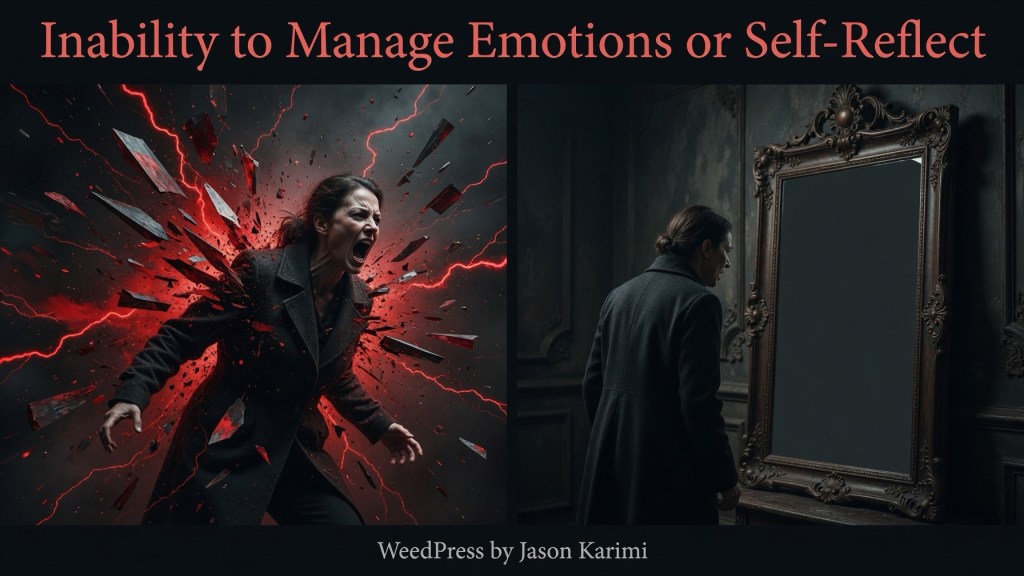
2. Intense or Unmanaged Emotions
Emotions are experienced and expressed at a high intensity. Reactions to perceived slights or criticism can appear disproportionate, dramatic, or volatile to outside observers.⁴
3. Extreme Behaviors
They engage in actions that most people would consider excessive. This can include repeated legal actions, public attacks, attempts to damage reputations, or other conduct that goes far beyond normal conflict resolution.⁵
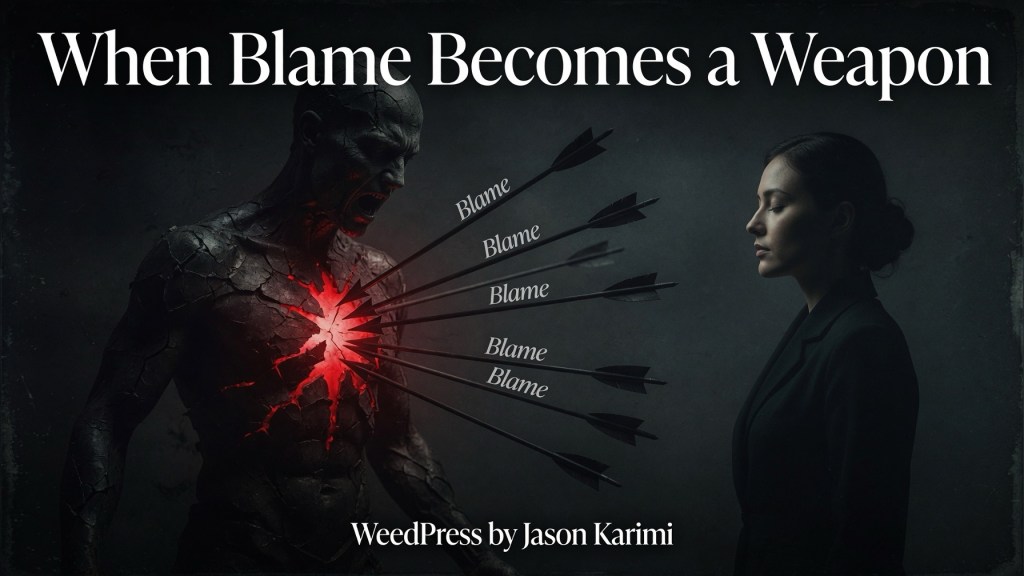
4. Preoccupation with Blaming Others
Responsibility is almost always placed on someone else. High-conflict individuals rarely engage in meaningful self-reflection about their role in disputes. Instead, they focus intensely on identifying and attacking a target of blame.⁶

5. Lack of Self-Reflection
There is often little capacity or willingness to examine their own behavior or learn from past conflicts. This contributes to the repetition of destructive patterns over time.⁷
These traits do not always indicate a formal personality disorder diagnosis, but they frequently appear together and tend to create significant problems in personal, professional, and legal relationships.
When You Become the Target of Blame
Being placed in the role of “target of blame” by a high-conflict individual is a particularly difficult position. Once this designation occurs, the conflict often becomes personalized and persistent. The individual may view any criticism, disagreement, or independent action as an attack that must be countered aggressively.⁸
In my own experience, this has manifested through repeated attempts to use legal processes and public pressure in response to policy criticism and public documentation. Rather than addressing disagreements through normal channels of debate or accountability, the response has centered on trying to neutralize or punish the perceived source of criticism.⁹
This dynamic creates a situation where normal boundaries and reasonable responses are often insufficient. The conflict tends to continue as long as the target remains visible or continues to engage in the activities that triggered the blame in the first place.¹⁰
In some cases, meaningful accountability may require resorting to formal legal processes when repeated informal efforts at dialogue otherwise fail.
Strategic Implications
Understanding these traits has important practical implications for anyone who finds themselves in this position:
• Documentation becomes essential. Creating a clear, factual record of events, communications, and legal filings helps establish context and protects against distortion.¹¹
• Emotional escalation should be avoided when possible. High-conflict individuals often thrive on emotional reactivity. Maintaining a calm, fact-based approach can limit their ability to escalate further.¹² While emotional escalation can overcome resistance to dialogue with rational and educated people, avoid it here unless necessary, especially if the high conflict person proves to be severely under educated and incapable of understanding. Just dispense with minimal energy (like Trump advised to purge socialists and communists from the parties over the 4th of July but not wasting too much time doing so).
In South Dakota, a manipulative bridge burner has lasted longer than usual because once burned people just ignore this person figuring they’ll fade away inevitably which is almost complete…but is intriguingly doing literally all of these things as if they’re putting on a master class of how to be criminally bad at political coalition sustainability:
• Legal and procedural protections matter. In situations involving repeated legal filings, understanding available tools — such as anti-SLAPP statutes — becomes critical for mounting an effective defense.¹³
• Long-term perspective is necessary. These conflicts often do not resolve quickly or through conventional means. Developing strategies that account for persistence and repetition is more effective than expecting quick resolution.¹⁴

Moving Forward
High-conflict personalities present unique challenges because their behavior is driven more by internal patterns than by the specific facts of any given dispute. When you become the target of blame, the conflict can feel consuming and difficult to manage through normal channels.
Recognizing these traits does not eliminate the difficulty of the situation, but it can provide clarity about why certain responses are more effective than others. It also reinforces the importance of maintaining strong documentation, clear boundaries, and access to appropriate legal protections when dealing with individuals who operate in this manner.¹⁵
Footnotes
- Bill Eddy, 5 Types of People Who Can Ruin Your Life: Identifying and Dealing with Narcissists, Sociopaths, and Other High-Conflict Personalities (TarcherPerigee 2018).
- See generally Bill Eddy, High Conflict Institute educational materials discussing recurring conflict patterns and the “Target of Blame” phenomenon.
- Eddy, 5 Types of People Who Can Ruin Your Life, supra note 1, ch. 2.
- See Bill Eddy, BIFF: Quick Responses to High-Conflict People (Unhooked Books 2011); see also American Psychiatric Association, Diagnostic and Statistical Manual of Mental Disorders (5th ed., text rev. 2022) (discussing emotional dysregulation in several personality disorders without equating high-conflict behavior to a diagnosis).
- Eddy, 5 Types of People Who Can Ruin Your Life, supra note 1.
- Id.; see also American Psychiatric Association, DSM-5-TR, supra note 4 (describing externalization of blame in certain personality disorders).
- Eddy, 5 Types of People Who Can Ruin Your Life, supra note 1.
- Bill Eddy, Splitting: Protecting Yourself While Divorcing Someone with Borderline or Narcissistic Personality Disorder (2d ed. 2021). Although written in the family-law context, it discusses “target of blame” dynamics applicable to other prolonged disputes.
- Based on the author’s personal observations and publicly filed court records discussed in this article.
- Eddy, 5 Types of People Who Can Ruin Your Life, supra note 1; High Conflict Institute, educational materials regarding persistence of target-of-blame conflicts.
- See generally Bill Eddy, It’s All Your Fault!: 12 Tips for Managing People Who Blame Others for Everything (Unhooked Books 2020).
- Eddy, BIFF, supra note 4.
- See generally Public Participation Project, Anti-SLAPP Guide; see also applicable state anti-SLAPP statutes where available.
- Eddy, It’s All Your Fault!, supra note 11.
- Eddy, 5 Types of People Who Can Ruin Your Life, supra note 1.
 WeedPress: The Paper Trail
Leave a comment