Featured Analysis
-
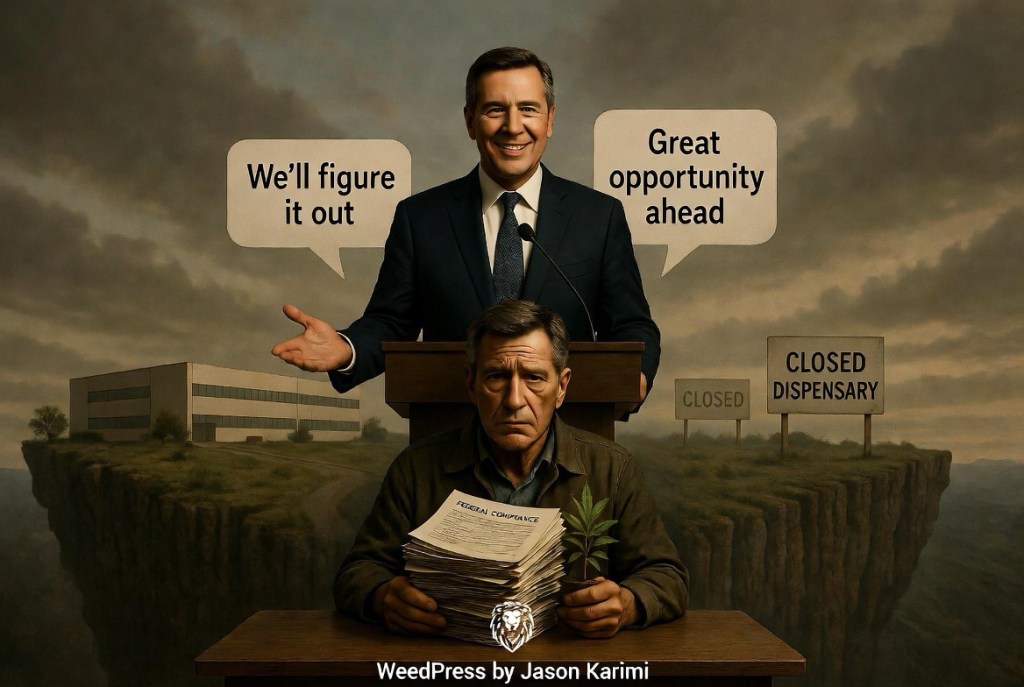
South Dakota Small Cannabis Operators Face a Compliance Cliff: Federal Rescheduling Likely to Drive More Closures and Force Consolidation
The collapse of recreational legalization efforts in South Dakota already triggered a wave of dispensary closures. At least eight licensed medical cannabis businesses shuttered in late 2024 and early 2025 amid falling cardholder numbers, intense price competition, and regulatory pressures.¹ “Then it was a race to the bottom on pricing,” one industry participant observed as…
-
The Private Reckoning: What Two Out-of-State Consultants Most Likely Taught South Dakota Operators Behind Closed Doors
The April 28, 2026 partial Schedule III order (91 Fed. Reg. 22714) did not merely lower marijuana’s scheduling classification.¹ It imposed a new federal compliance regime that effectively ended the low-overhead, cash-only state-only model that defined South Dakota’s medical cannabis program.² Some public voices have offered vague assurances that “we’ll figure it out” for the…
-

Anonymous Speech Online: What the Law Protects — and Where It Stops
Anonymous speech has a long American pedigree, but anonymity is not the same thing as impunity. From the founding era forward, Americans have used unsigned pamphlets, pseudonymous essays, and concealed authorship to criticize power, test arguments, and protect dissenters from retaliation.² The Supreme Court has repeatedly recognized that anonymity can be part of the freedom…
-
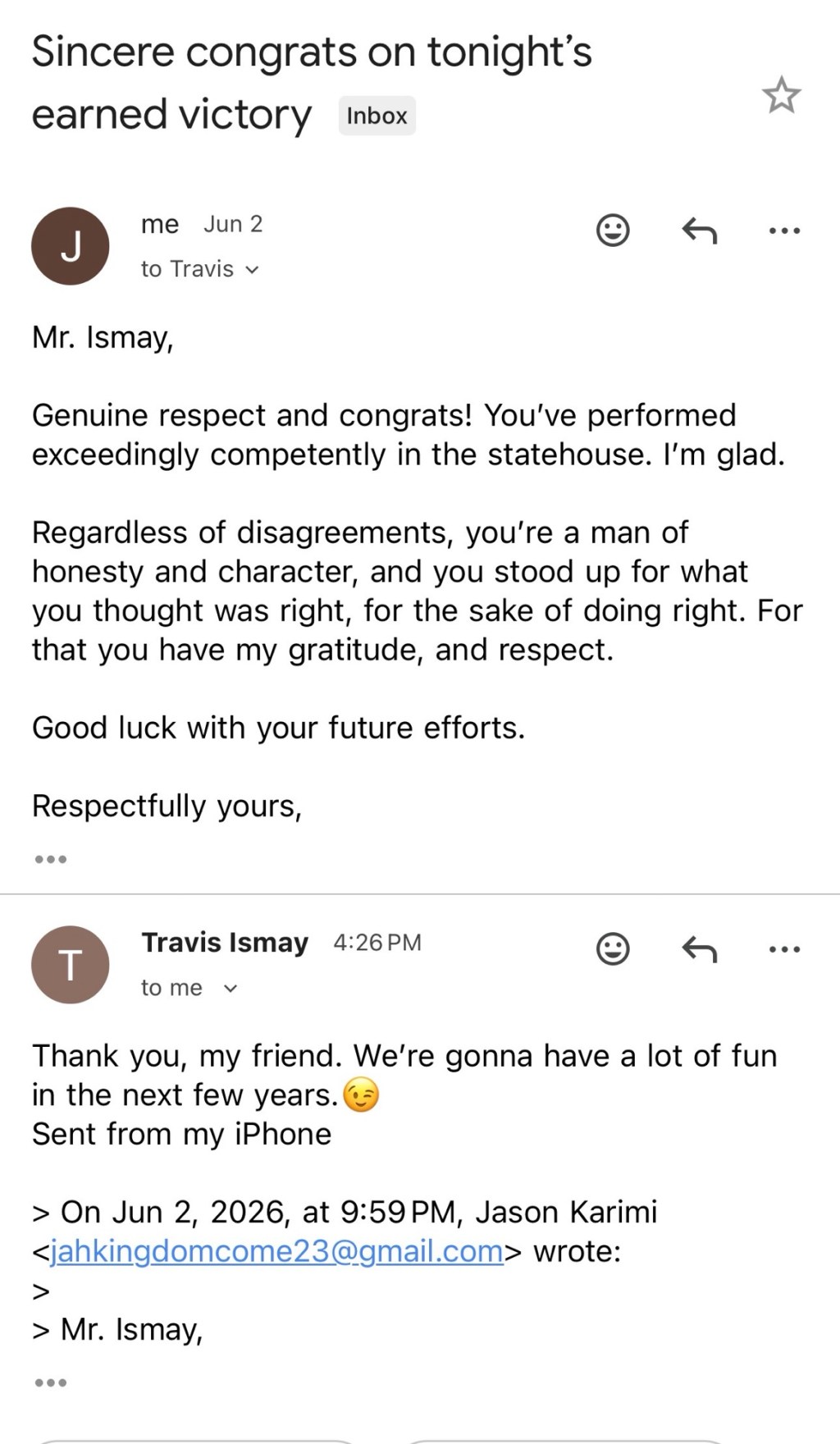
Travis Ismay Responds to My Congratulatory Email: A Small Step Toward Civil Discourse in South Dakota Politics
Yesterday, Rep. Travis Ismay (R-House District 28B) replied to the congratulatory email I sent him shortly after his decisive Republican primary victory on June 2.¹ For context, here is the full exchange: My email (June 2, 2026): For context, here is the full exchange: It’s a brief, gracious response — and one I appreciate. Background…
-
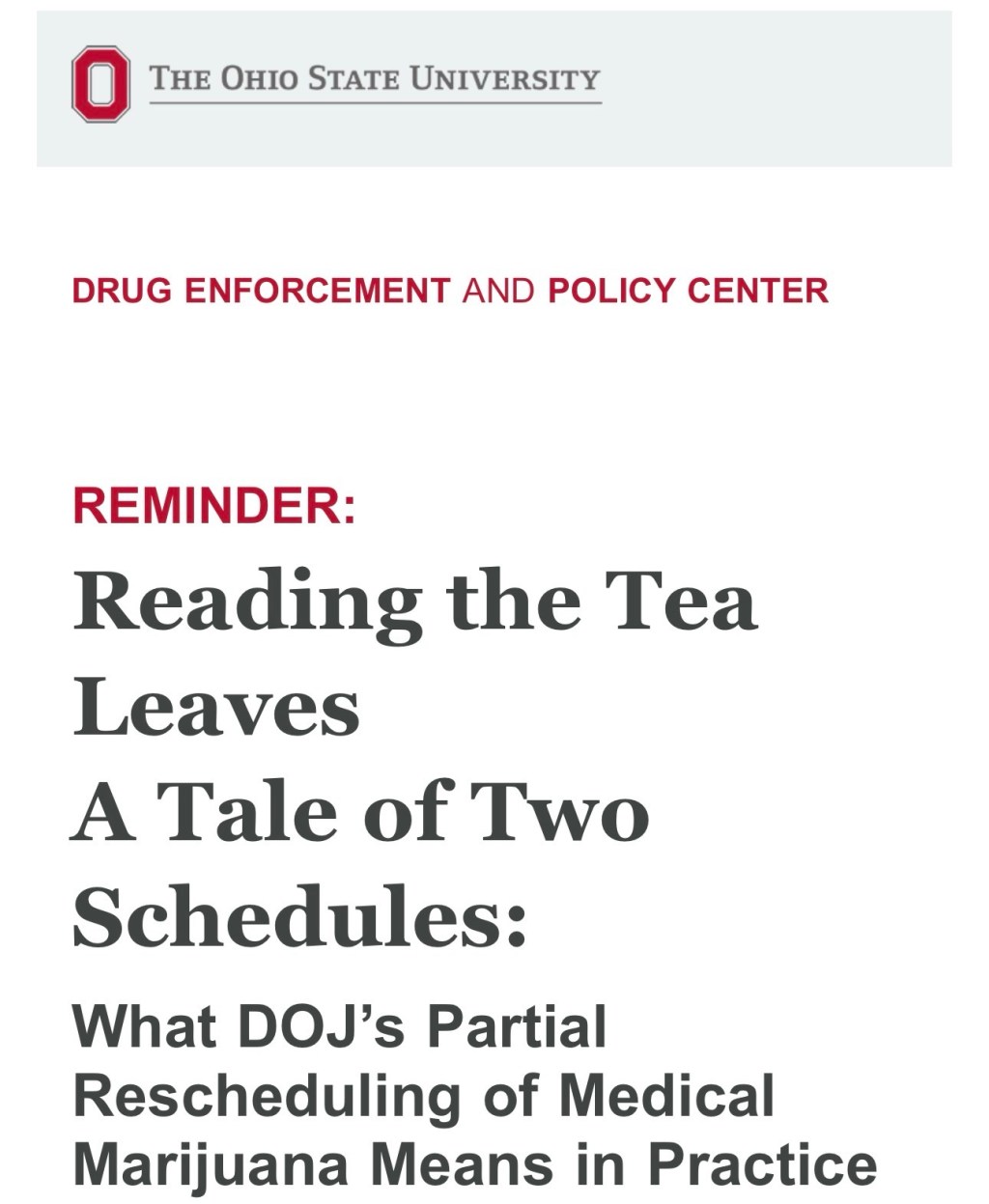
June 16 Zoom: What DOJ’s Partial Rescheduling of Medical Marijuana Means in Practice | OSU Moritz College of Law
Federal changes are real, but they are more limited and complicated than many people in the South Dakota space are claiming. Reading the Tea Leaves A Tale of Two Schedules: What DOJ’s Partial Rescheduling of Medical Marijuana Means in Practice Tuesday, June 16, 2026 noon-1:15 p.m. Zoom The recent U.S. Department of Justice’s order partially rescheduling…
-
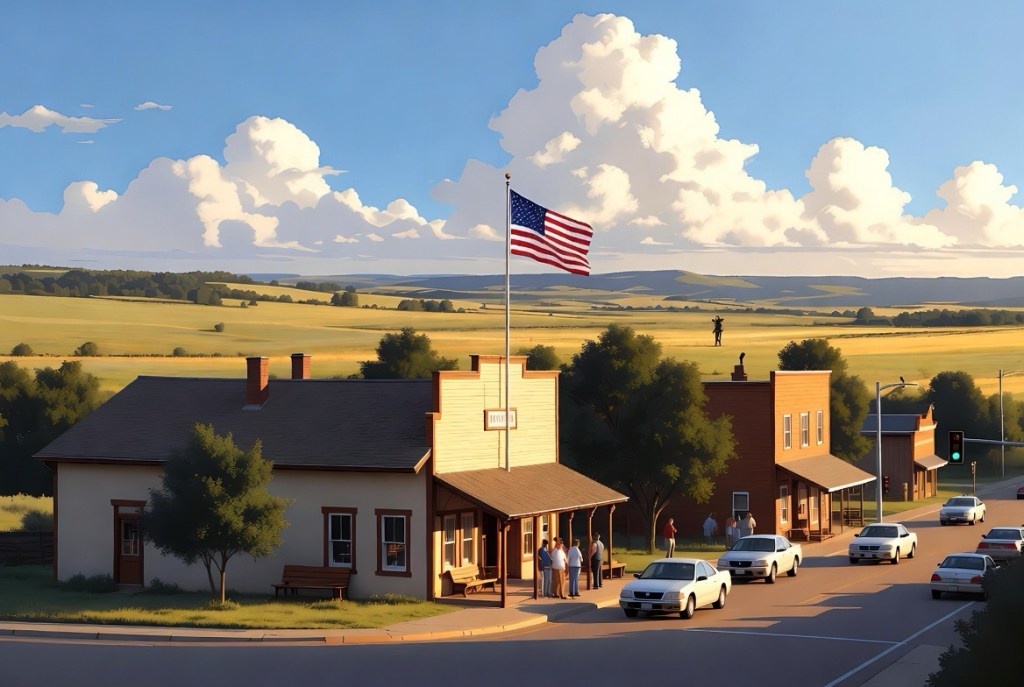
The Beauty of Going at Your Own Pace: Discussing Politics At Onida Post Office
Living in South Dakota has a way of resetting your internal clock. In a world obsessed with hustle, optimization, and constant urgency, the Mount Rushmore State quietly whispers a different philosophy: slow down. Let people move at their own pace. And nobody captures that spirit better than Calamity Jane in the HBO series Deadwood. There’s…
Policy
-
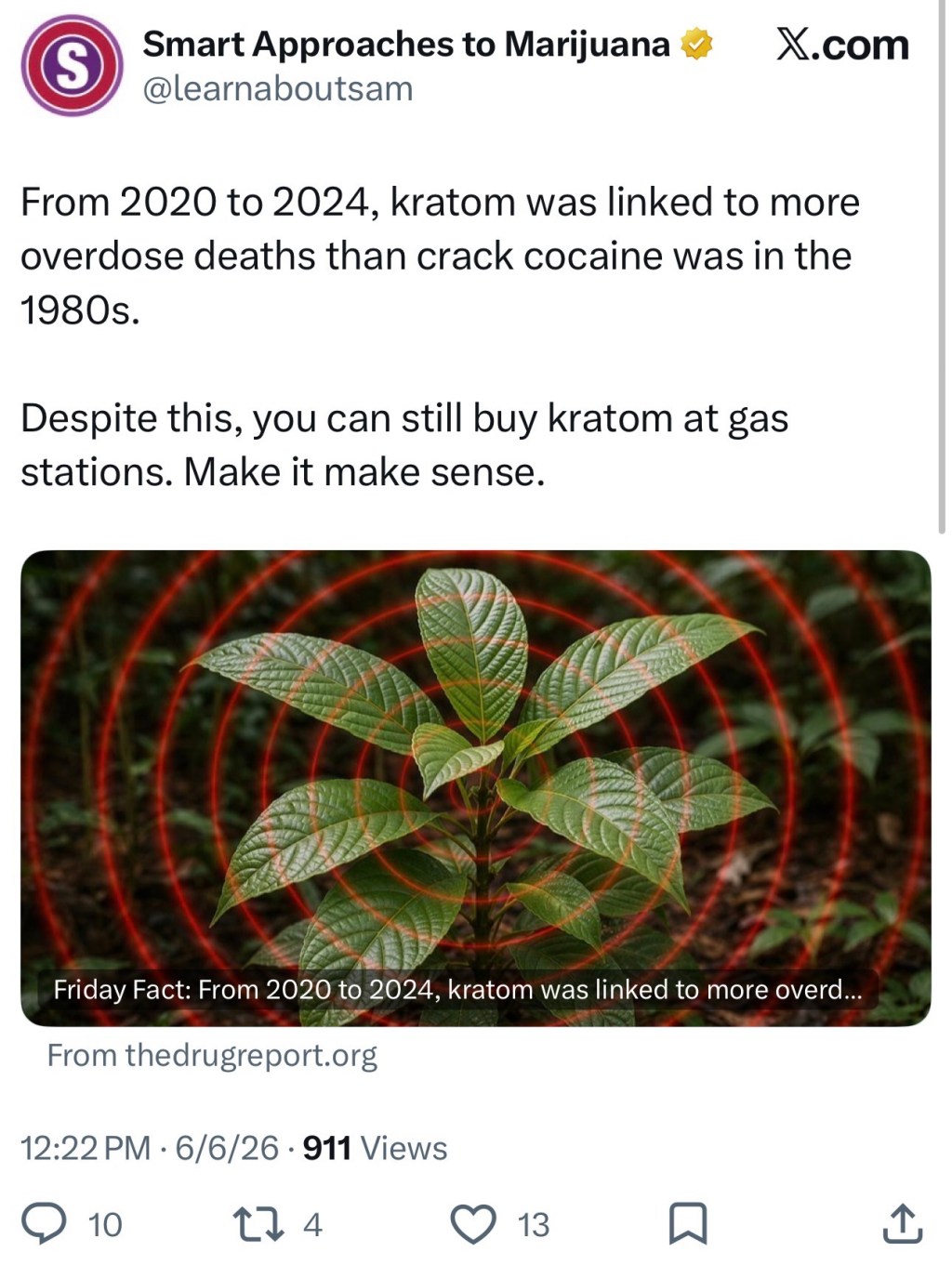
Drug Policy Liars Hurt Public Health And Safety, Kids
Hysterics and emotional performance do not help addicts. SAM made a ridiculous fallacy on twitter: Here is why this claim hurts evidence based policy decisions and damages SAM’s credibility: “Linked to” = detected on tox, not primary cause. 1980s testing was spotty. Crack epidemic brought massive violence/addiction in cities. Kratom deaths remain a tiny share…
-
Travis Ismay Responds to My Congratulatory Email: A Small Step Toward Civil Discourse in South Dakota Politics
Yesterday, Rep. Travis Ismay (R-House District 28B) replied to the congratulatory email I sent him shortly after his decisive Republican primary victory on June 2.¹ For context, here is the full exchange: My email (June 2, 2026): For context, here is the full exchange: It’s a brief, gracious response — and one I appreciate. Background…
-
Garcia and Carley To Get the Boot from MMOC After Primary Losses; Won’t Attend Future Meetings
Josephine Garcia and John Carley are about to lose what little power they had left. Following their humiliating primary defeats on June 2, both are expected to be removed from the Medical Marijuana Oversight Committee (MMOC) in the coming weeks. This is standard procedure in South Dakota. When (shit talking) legislators lose their primaries, the…
-
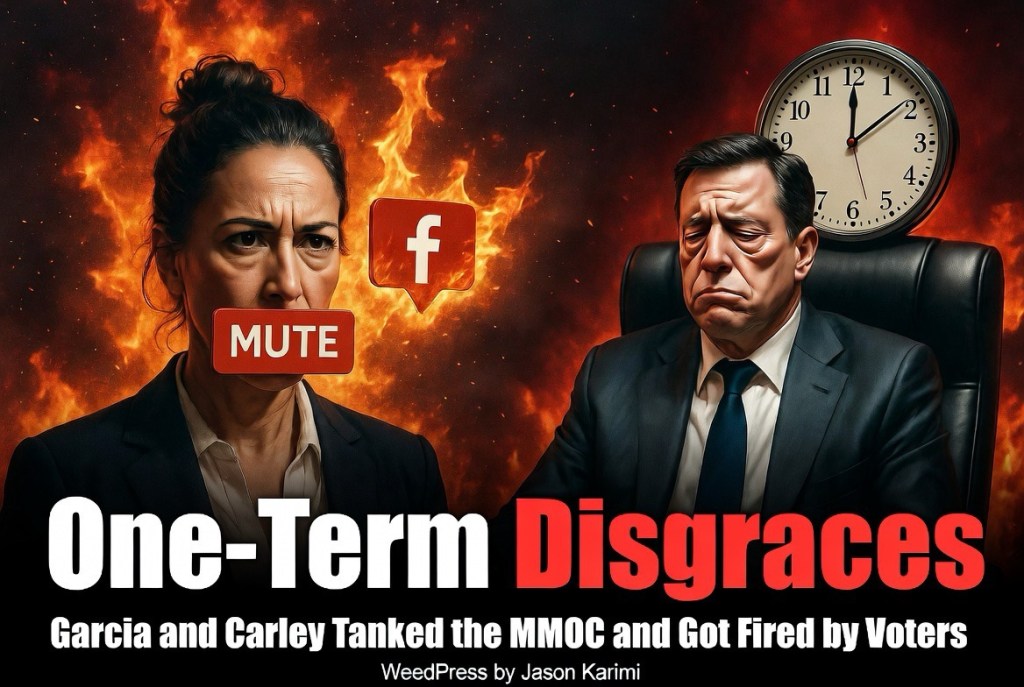
One-Term Disgraces: Garcia and Carley Tanked the MMOC and Got Fired by Voters
Josephine Garcia and John Carley took office in January 2025. By June 2026, both were one-term has-beens who lost their Republican primaries in humiliating fashion. Their short tenures were marked by dysfunction on the Medical Marijuana Oversight Committee (MMOC), where Garcia served as Chair and Carley as Vice-Chair. Under their leadership, the committee became so…
-
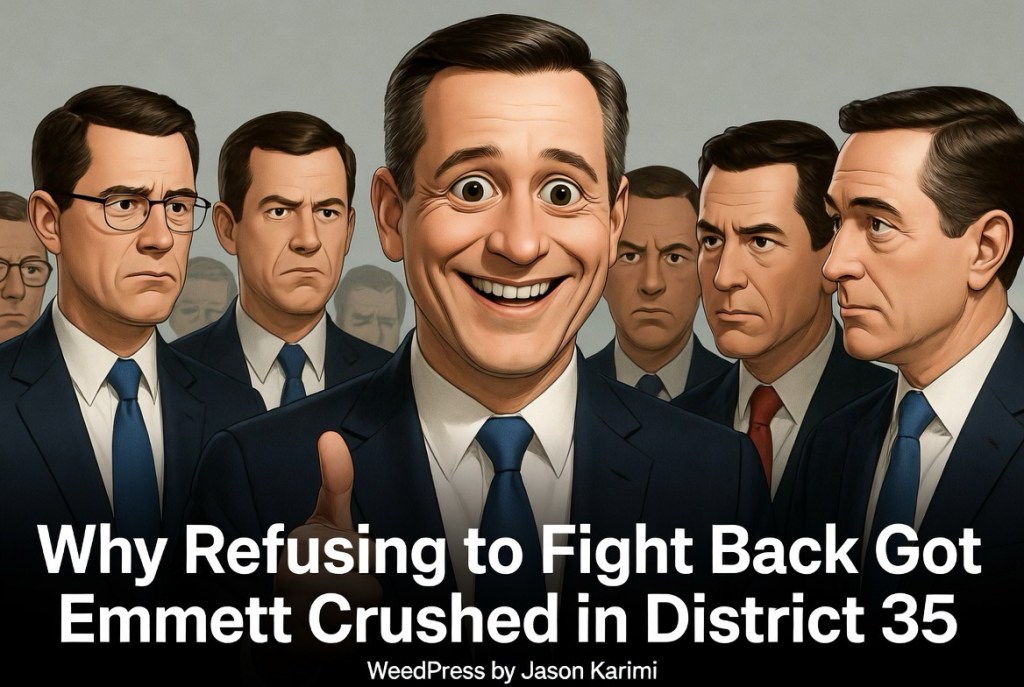
Refusing to Fight And Play On “Nice Guy” Easy Mode Got Emmett Reistroffer Crushed In The Political Arena June 2nd in SD HD-35
Emmett Reistroffer finished last in the Republican primary for House District 35 with roughly 13% of the vote. In a four-way race for two seats, he was not competitive. He was rejected by a 20 point margin. He ran the campaign many (naive) people claim is the “right” way to do it. Clean. Positive. No…
-
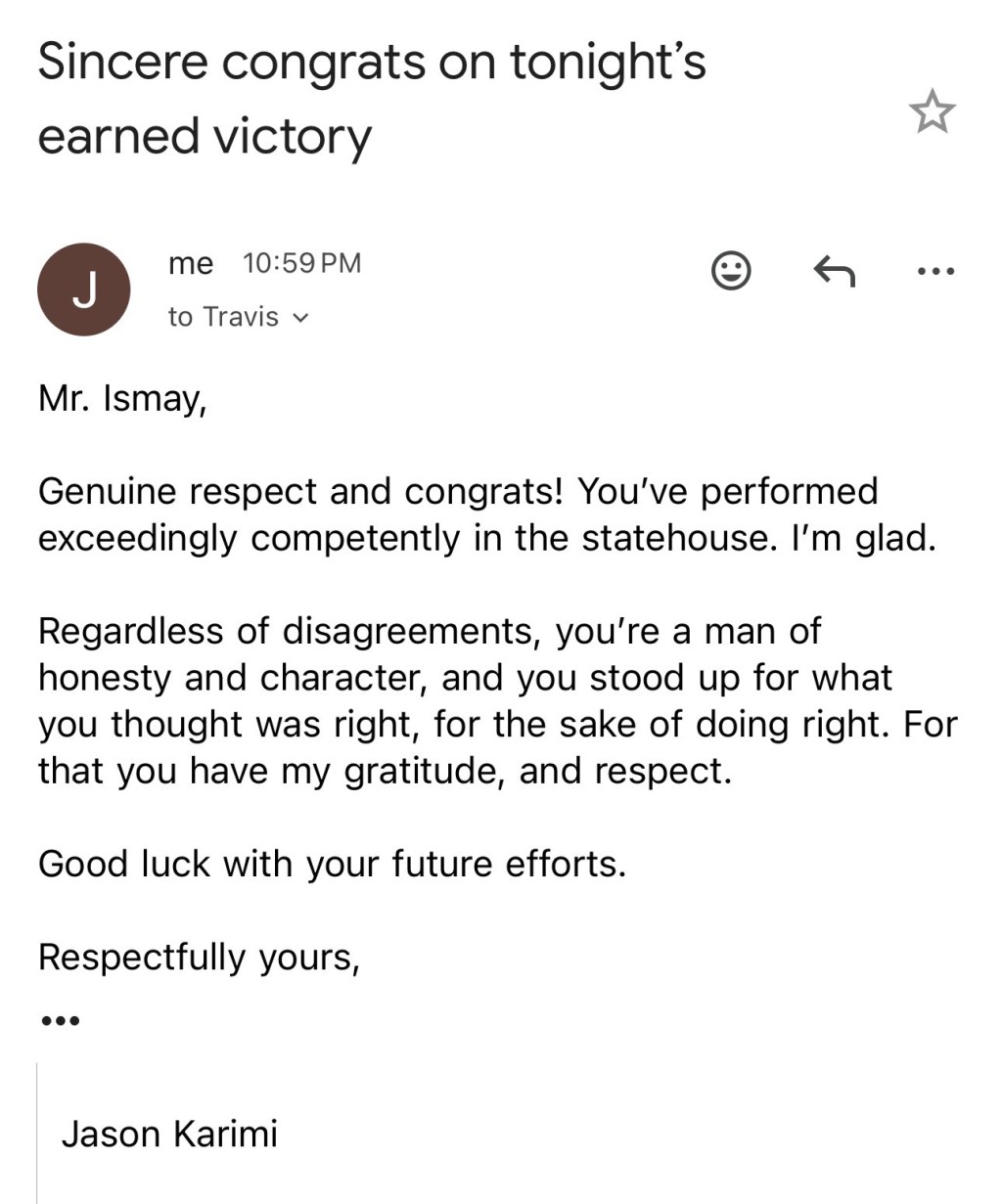
My Congratulatory Email to Rep. Travis Ismay After His Primary Win
Last night, Rep. Travis Ismay (R-House District 28B) defeated challenger Larry Schmaltz in the Republican primary, securing approximately 59% of the vote to Schmaltz’s 41%. I’ve had strong disagreements with Rep. Ismay — particularly over his sponsorship of legislation aimed at repealing South Dakota’s medical marijuana program. Those disagreements led to some heated emails in…
Law
-
South Dakota Small Cannabis Operators Face a Compliance Cliff: Federal Rescheduling Likely to Drive More Closures and Force Consolidation
The collapse of recreational legalization efforts in South Dakota already triggered a wave of dispensary closures. At least eight licensed medical cannabis businesses shuttered in late 2024 and early 2025 amid falling cardholder numbers, intense price competition, and regulatory pressures.¹ “Then it was a race to the bottom on pricing,” one industry participant observed as…
-
The Private Reckoning: What Two Out-of-State Consultants Most Likely Taught South Dakota Operators Behind Closed Doors
The April 28, 2026 partial Schedule III order (91 Fed. Reg. 22714) did not merely lower marijuana’s scheduling classification.¹ It imposed a new federal compliance regime that effectively ended the low-overhead, cash-only state-only model that defined South Dakota’s medical cannabis program.² Some public voices have offered vague assurances that “we’ll figure it out” for the…
-
Anonymous Speech Online: What the Law Protects — and Where It Stops
Anonymous speech has a long American pedigree, but anonymity is not the same thing as impunity. From the founding era forward, Americans have used unsigned pamphlets, pseudonymous essays, and concealed authorship to criticize power, test arguments, and protect dissenters from retaliation.² The Supreme Court has repeatedly recognized that anonymity can be part of the freedom…
-
Travis Ismay Responds to My Congratulatory Email: A Small Step Toward Civil Discourse in South Dakota Politics
Yesterday, Rep. Travis Ismay (R-House District 28B) replied to the congratulatory email I sent him shortly after his decisive Republican primary victory on June 2.¹ For context, here is the full exchange: My email (June 2, 2026): For context, here is the full exchange: It’s a brief, gracious response — and one I appreciate. Background…
-
June 16 Zoom: What DOJ’s Partial Rescheduling of Medical Marijuana Means in Practice | OSU Moritz College of Law
Federal changes are real, but they are more limited and complicated than many people in the South Dakota space are claiming. Reading the Tea Leaves A Tale of Two Schedules: What DOJ’s Partial Rescheduling of Medical Marijuana Means in Practice Tuesday, June 16, 2026 noon-1:15 p.m. Zoom The recent U.S. Department of Justice’s order partially rescheduling…
-
The Beauty of Going at Your Own Pace: Discussing Politics At Onida Post Office
Living in South Dakota has a way of resetting your internal clock. In a world obsessed with hustle, optimization, and constant urgency, the Mount Rushmore State quietly whispers a different philosophy: slow down. Let people move at their own pace. And nobody captures that spirit better than Calamity Jane in the HBO series Deadwood. There’s…
Science
-
Drug Policy Liars Hurt Public Health And Safety, Kids
Hysterics and emotional performance do not help addicts. SAM made a ridiculous fallacy on twitter: Here is why this claim hurts evidence based policy decisions and damages SAM’s credibility: “Linked to” = detected on tox, not primary cause. 1980s testing was spotty. Crack epidemic brought massive violence/addiction in cities. Kratom deaths remain a tiny share…
-
One-Term Disgraces: Garcia and Carley Tanked the MMOC and Got Fired by Voters
Josephine Garcia and John Carley took office in January 2025. By June 2026, both were one-term has-beens who lost their Republican primaries in humiliating fashion. Their short tenures were marked by dysfunction on the Medical Marijuana Oversight Committee (MMOC), where Garcia served as Chair and Carley as Vice-Chair. Under their leadership, the committee became so…
-
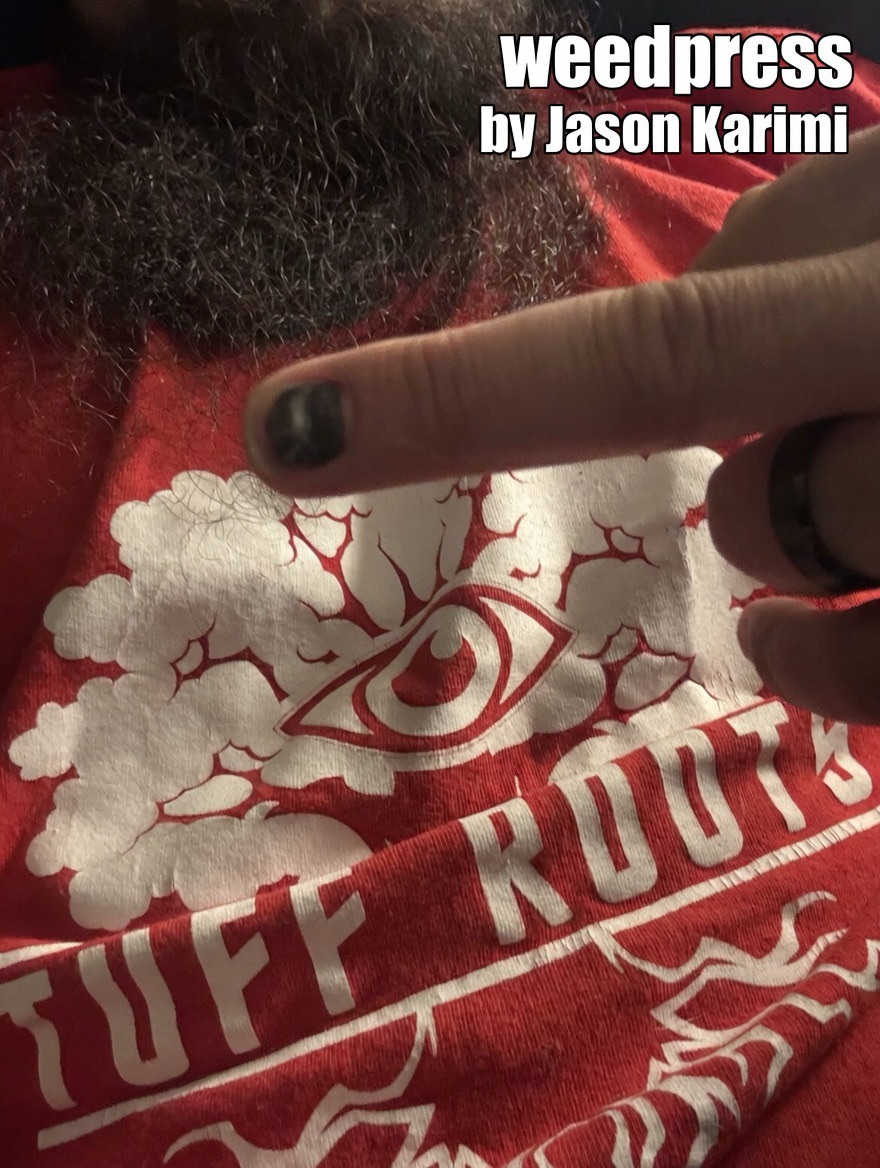
Reflections on a Bruised Nail: What My Left Middle Finger Injury Taught Me About Inner Worth and Boundaries
Two months ago, I slammed my left middle finger, resulting in a subungual hematoma—the dark pool of blood trapped beneath the nail that turned my fingertip into a visual reminder of sudden impact.¹ No longer painful, the nail still carries a mottled shadow of black and white as new growth slowly pushes the old damage…
-

Predators Don’t Debate — They Rig the Game: How Black-Market-Friendly State Cannabis Programs Created the Perfect Environment for Predators — and Why Federal Legitimacy Is Ending It
The drug laws were rigged for decades. Prohibition didn’t eliminate the black market — it protected it. Cartels and underground operators thrived while legitimate patients and small businesses were crushed. When states began legalization without federal exemption, they didn’t fix the problem. They simply moved the rigged game indoors and gave it a state license.…
-
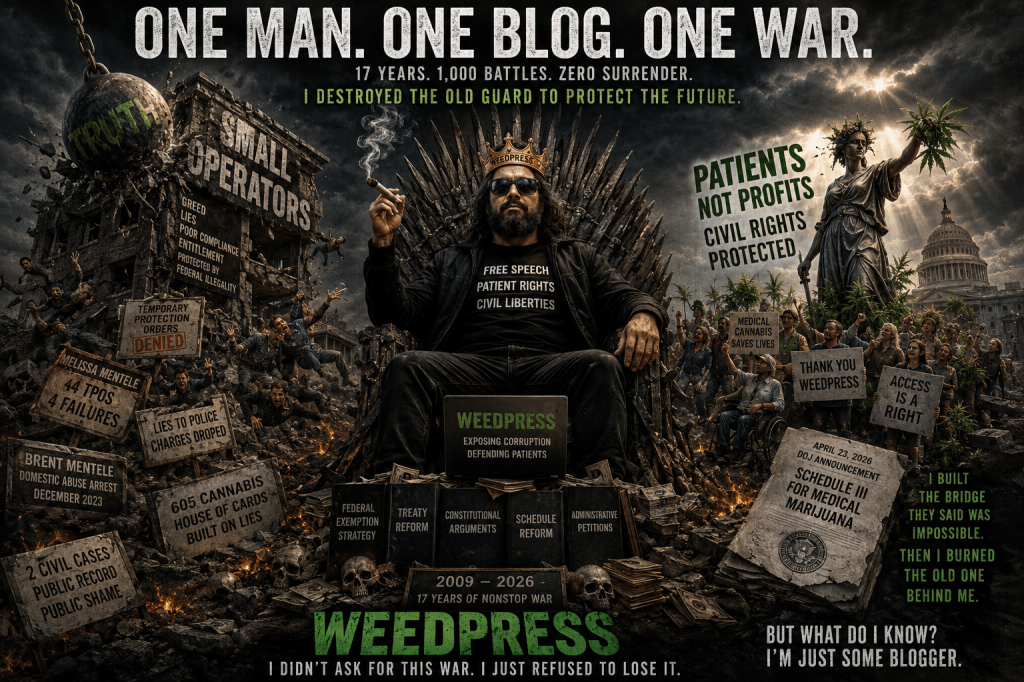
I Spent 17 Years Arguing for Federal Cannabis Legitimacy. Now Small Operators Are About to Learn What That Means.
I have spent most of my adult life arguing that state medical cannabis programs could not survive forever as legally tolerated gray markets.¹ They needed federal recognition. They needed treaty analysis. They needed administrative pathways. They needed constitutional pressure. They needed people willing to say the uncomfortable thing before the institutions were ready to admit…
-
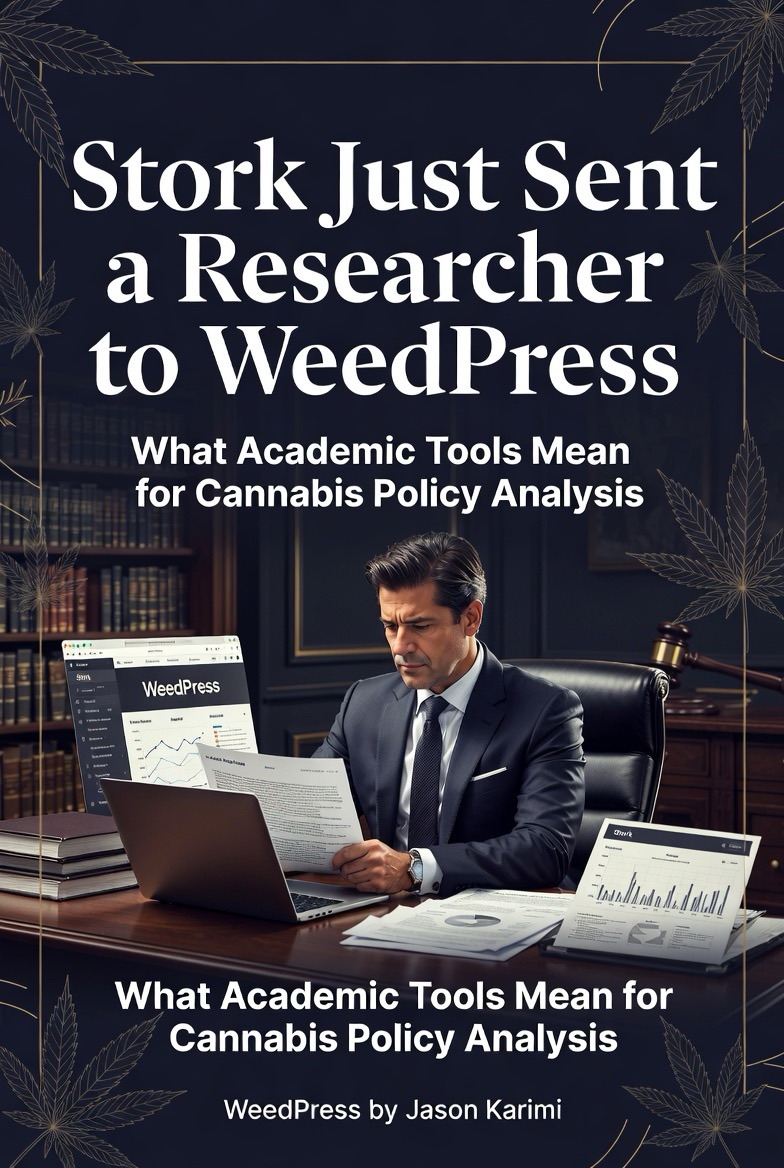
Stork Just Sent a Researcher to WeedPress: What Academic Tools Mean for Cannabis Policy Analysis
Independent statutory deep-dives are showing up alongside peer-reviewed literature in researchers’ workflows. It’s not every day your analytics dashboard lights up with a referrer you’ve never seen before. Today, May 5, 2026, WeedPress received a visit from paper-box.co — the domain tied to Stork (storkapp.me), a specialized publication-tracking and research intelligence platform used by academics,…
Current Events
-
Iowan with Depression, ADHD: “I have effectively removed pharmaceuticals from my life and have never been better”
Here’s a testimonial from an Iowan from Mahaska County: “I’ve been on over a dozen medications for depression, anxiety and adhd. Medications children and young adults should not be on. Upon taking control of my life and being solely responsible for my care, I have effectively removed pharmaceuticals from my life and have never been…
-
Iowan with Spinal Stenosis: “I want medical marijuana — and I don’t want to go to jail”
Here’s a testimonial from an Iowan with spinal stenosis: “I have many things wrong with my spine: No L-3 L-4 disc Spinal Stenosis Bone Spurs Spondylolysis Spondylolisthesis Nerve Impingement I have arthritis throughout my spine, in my hands, knees, and ankles. I cannot sleep longer than 3 hours due to pain. I have been prescribed…
-
“My sister suffers extreme spasticity from MS, but medical marijuana is the only thing that has helped her.”
Here’s a testimonial from Winnebago County: “Cannabis has proven medical benefits. It is impossible to overdose on, it is not a central nervous system depressor and can therefore be used in conjunction with many other drugs, it is safer to use than tylenol from a potential for death perspective, and it is far less addictive…
-

Iowa Christian Talk Show Host Prays For Medical Cannabis — Urges Iowa Legislature, Christian Leaders to “Do your research”
Last Thursday, a local Christian talk radio show based out of Ames, Iowa, prayed for legalization of medical cannabis. “View From a Pew” host Reike Plecas called Christian leaders last Thursday to join him in demanding the Iowa Legislature research the benefits of medical cannabis.“View From a Pew” host Reike Plekas interviewed two mothers whose…
-
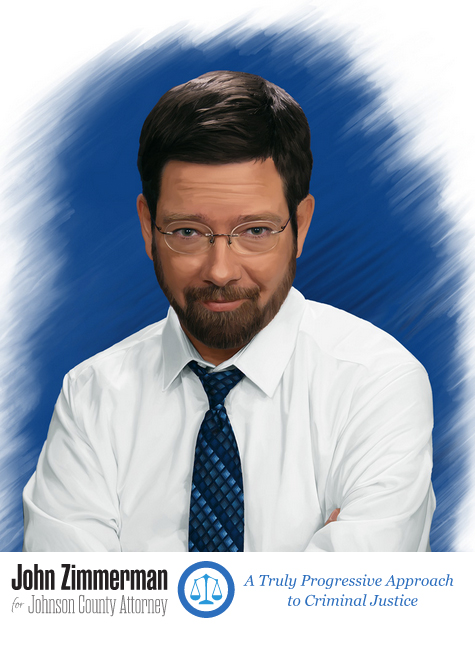
10 Questions with John Zimmerman, Candidate for Johnson County Attorney
I spoke with Johnson County Attorney candidate John Zimmerman earlier this week. His campaign has caught the attention of cannabis activists around the state — it’s not everyday a Mennonite pastor runs for office promising to stop prosecuting marijuana users. To find more information on John Zimmerman’s campaign, see his facebook page here at facebook.com/jz4justice.…
-
Scott County, Iowa: “Medical marijuana could dramatically help subdue those seizures”
Here’s a testimonial from Scott County, Iowa: “I have learned that some properties or compounds that come from the marijuana plant could be very helpful towards helping persons with severe seizures due to medical issues that people are born with. I am sure that there are many types of illnesses to mention here but I…
Legislation
-
Travis Ismay Responds to My Congratulatory Email: A Small Step Toward Civil Discourse in South Dakota Politics
Yesterday, Rep. Travis Ismay (R-House District 28B) replied to the congratulatory email I sent him shortly after his decisive Republican primary victory on June 2.¹ For context, here is the full exchange: My email (June 2, 2026): For context, here is the full exchange: It’s a brief, gracious response — and one I appreciate. Background…
-
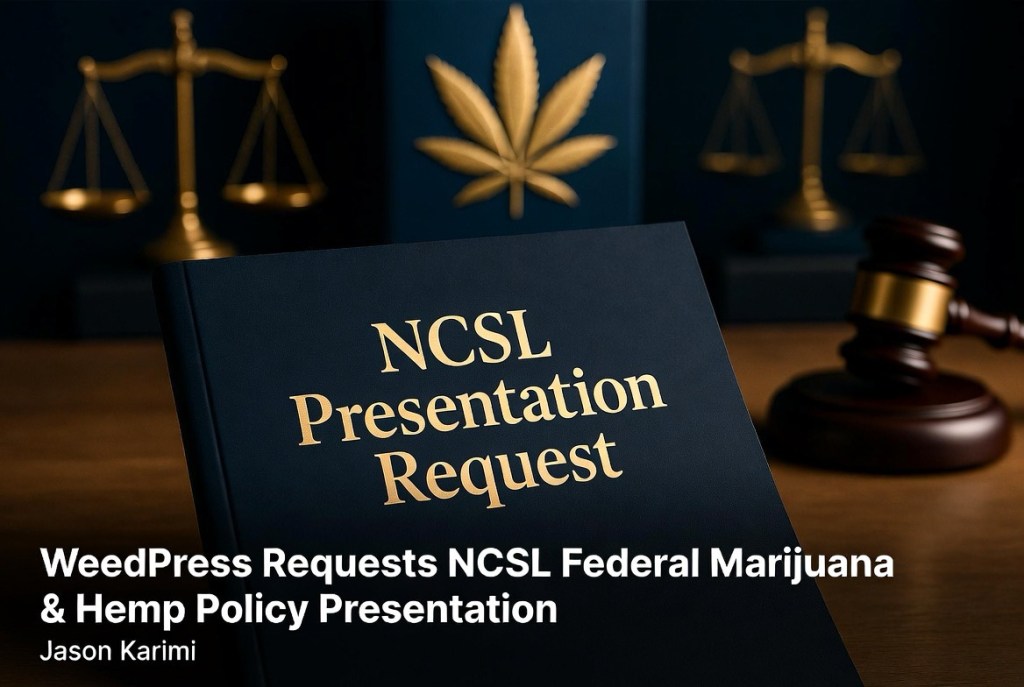
Request for NCSL Virginia Presentation On Fed Law Impacts For State Industry and Patients
Weedpress sent the following request via https://www.ncsl.org/health/state-medical-cannabis-laws Request for NCSL Presentation Slides – Federal Marijuana & Hemp Policy Implications (June 2026) Dear NCSL Staff, My name is Jason Karimi, and I publish WeedPress, an independent policy analysis site focused on cannabis regulation, federal-state issues, and legislative oversight. I am writing to request materials from a…
-
The Rural Access Question South Dakota’s New Pharmacy Rules Raise for Medical Cannabis
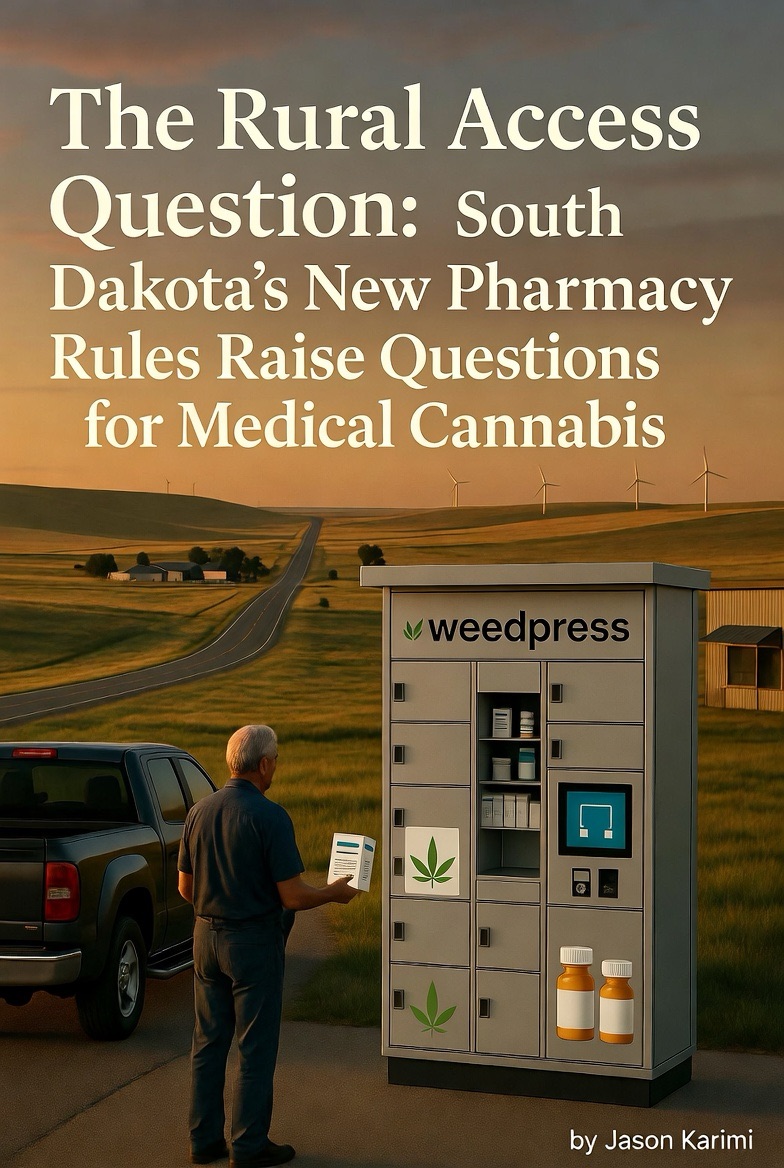
As regulators embrace telepharmacy and remote prescription pickup, policymakers may eventually face similar questions about medical cannabis access in rural communities. South Dakota’s Board of Pharmacy is advancing updated rules under Article 20:51 of the Administrative Rules of South Dakota (ARSD) that formalize the use of remote drop sites for prescription medications and introduce a…
-
Julian Garrett Retires: Will His Replacement Be More Pro-Marijuana in Iowa Senate District 11?
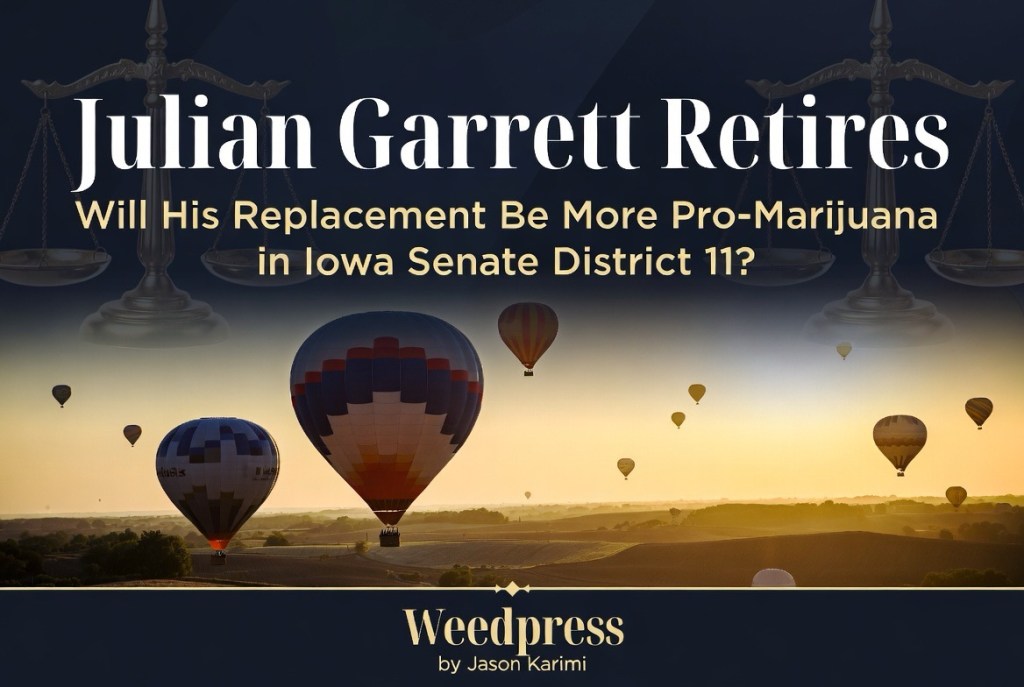
Last week, longtime Iowa State Senator Julian Garrett (R-District 11) announced he will not seek re-election due to a prostate cancer diagnosis.¹ For the first time in more than 13 years, Warren County (and part of Marion County) will have an open Senate seat in the June 2 primary and November general election. Julian Garrett…
-
I Spent 17 Years Arguing for Federal Cannabis Legitimacy. Now Small Operators Are About to Learn What That Means.
I have spent most of my adult life arguing that state medical cannabis programs could not survive forever as legally tolerated gray markets.¹ They needed federal recognition. They needed treaty analysis. They needed administrative pathways. They needed constitutional pressure. They needed people willing to say the uncomfortable thing before the institutions were ready to admit…
-
Stork Just Sent a Researcher to WeedPress: What Academic Tools Mean for Cannabis Policy Analysis
Independent statutory deep-dives are showing up alongside peer-reviewed literature in researchers’ workflows. It’s not every day your analytics dashboard lights up with a referrer you’ve never seen before. Today, May 5, 2026, WeedPress received a visit from paper-box.co — the domain tied to Stork (storkapp.me), a specialized publication-tracking and research intelligence platform used by academics,…
RFRA Updates
-
Nebraska RFRA Religious Liberty Case Advances: Supplemental Authority Filed Citing Federal Schedule III Rescheduling
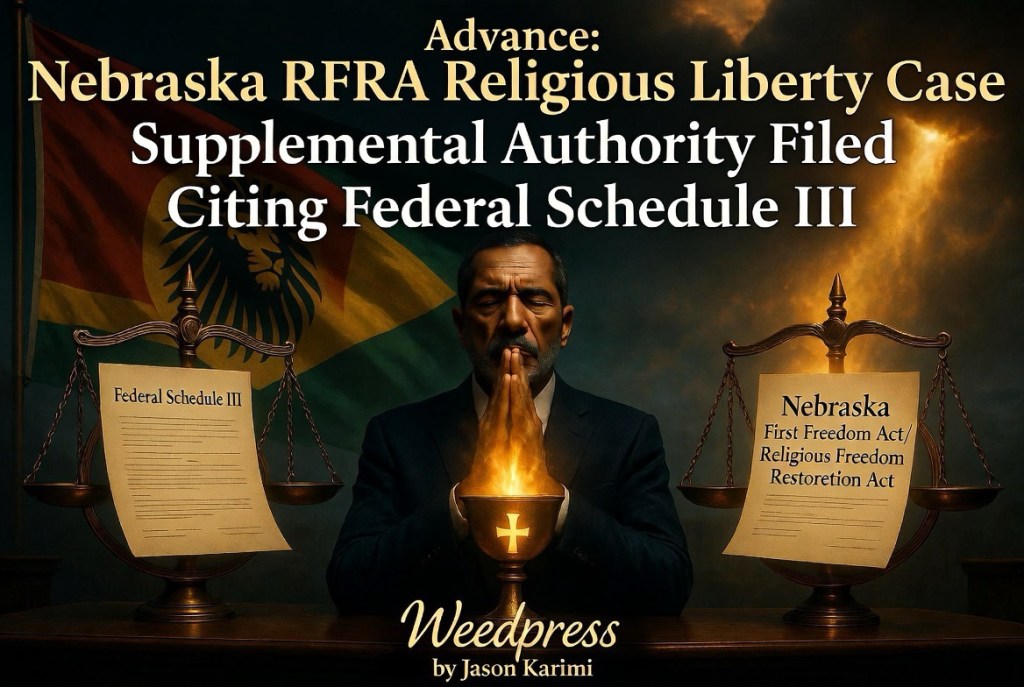
Defendant Jason Karimi has filed a Notice of Supplemental Authority in Nebraska District Court while his motion to modify probation conditions under the Nebraska First Freedom Act remains under advisement. The filing notifies the Court of the recent federal Schedule III rescheduling action and Defendant’s participation in the ongoing DEA administrative proceeding (Docket No. DEA-1362)…
-
I Have Filed Notice to Participate in the DEA’s June 29 Rescheduling Hearing
Today I formally submitted my Notice of Intention to Participate in the DEA administrative hearing on the proposed rescheduling of marijuana from Schedule I to Schedule III (Docket No. DEA-1362), scheduled to begin June 29, 2026. This filing continues my 17-year record of cannabis policy advocacy and public commentary. It focuses on the interaction between…
-
Connecticut’s HB 5044 Is Not Just a Vaccine Bill. It Is a Legislative Rewrite of RFRA Mid-Litigation.
April 24, 2026 Connecticut’s HB 5044 is being sold as a vaccine-governance bill. In one sense, that is true: the bill deals broadly with immunization standards, the Department of Public Health’s authority, insurance coverage, and related vaccine-administration issues.¹ But buried inside that larger package is the provision that matters most for religious-liberty law: HB 5044…
-
West Virginia and Mississippi Tried to Move Marijuana to Schedule III. Both Bills Reveal the Same Structural Problem.
April 24, 2026 West Virginia and Mississippi each opened the 2026 session with a bill that would have done something their existing marijuana laws still refuse to do: move cannabis from Schedule I to Schedule III under state law.¹ ² Both proposals were straightforward on paper. West Virginia’s SB 809 would amend W. Va. Code…
-
The State of Religious Freedom in America in 2026: Strong but Uneven Protection Across the States
April 21, 2026 State-level protection for religious exercise in 2026 is both stronger and less uniform than many summary accounts suggest. Roughly thirty states are commonly identified as having enacted statutory Religious Freedom Restoration Acts (“RFRAs”), while a smaller additional set is often described as providing RFRA-like protection through state constitutional doctrine. The trend is…
-
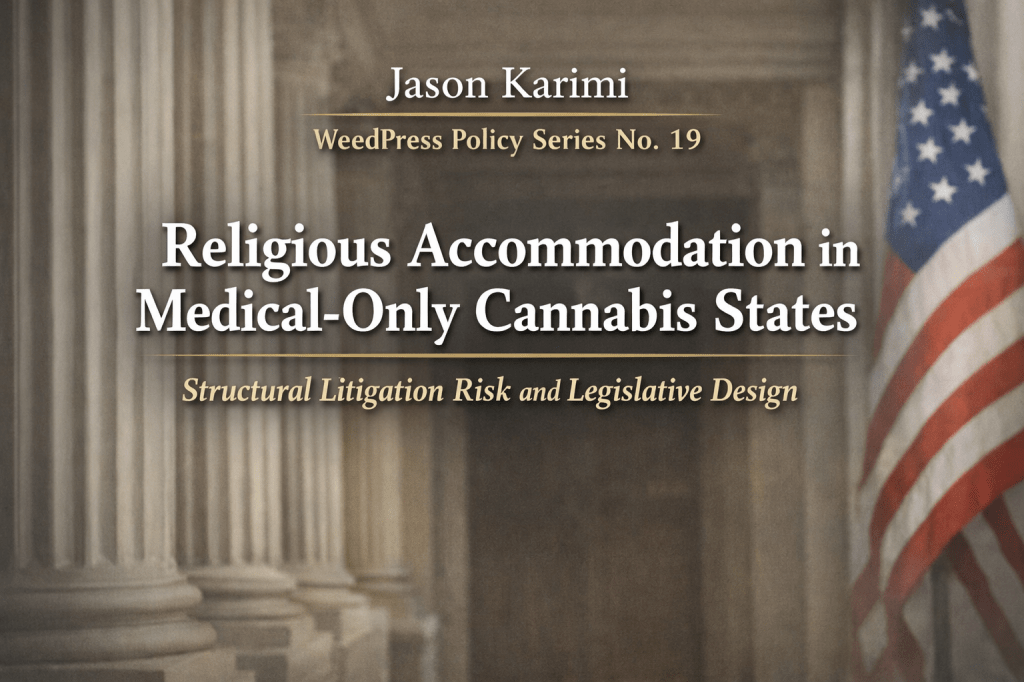
No. 19 — Religious Accommodation in Medical-Only Cannabis States
No. 19 — Religious Accommodation in Medical-Only Cannabis States: Structural Litigation Risk and Legislative Design By Jason Karimi | WeedPress Policy Series No. 19April 20, 2026 ⸻ I. Introduction: The Unaddressed Gap Medical-only cannabis states operate within a tightly regulated framework. Cultivation is limited. Home grows require registration. Plant counts are capped. Inspections are authorized.…
Upcoming Events
-
Reminder: Rising to the Moment: Protecting and Advancing Cannabis Legalization in a Changing America
Rising to the Moment: Protecting and Advancing Cannabis Legalization in a Changing America Date & TimeDec 17, 2025 12:00 PM Central Time (US and Canada) Webinar ID815 7712 0875 Description BGM and Marijuana Policy Project (MPP) invite you to join us for a timely discussion on the current state of the national legalization landscape. We will…
For The Record (2026), By Jason Karimi
-
Anonymous Speech Online: What the Law Protects — and Where It Stops
Anonymous speech has a long American pedigree, but anonymity is not the same thing as impunity. From the founding era forward, Americans have used unsigned pamphlets, pseudonymous essays, and concealed authorship to criticize power, test arguments, and protect dissenters from retaliation.² The Supreme Court has repeatedly recognized that anonymity can be part of the freedom…
-
Reflections on a Bruised Nail: What My Left Middle Finger Injury Taught Me About Inner Worth and Boundaries
Two months ago, I slammed my left middle finger, resulting in a subungual hematoma—the dark pool of blood trapped beneath the nail that turned my fingertip into a visual reminder of sudden impact.¹ No longer painful, the nail still carries a mottled shadow of black and white as new growth slowly pushes the old damage…
-
I Have Filed Notice to Participate in the DEA’s June 29 Rescheduling Hearing
Today I formally submitted my Notice of Intention to Participate in the DEA administrative hearing on the proposed rescheduling of marijuana from Schedule I to Schedule III (Docket No. DEA-1362), scheduled to begin June 29, 2026. This filing continues my 17-year record of cannabis policy advocacy and public commentary. It focuses on the interaction between…
-
DARE Poster Kid to Marijuana Regulation Advocate: My Unchanging Fight to Protect Kids
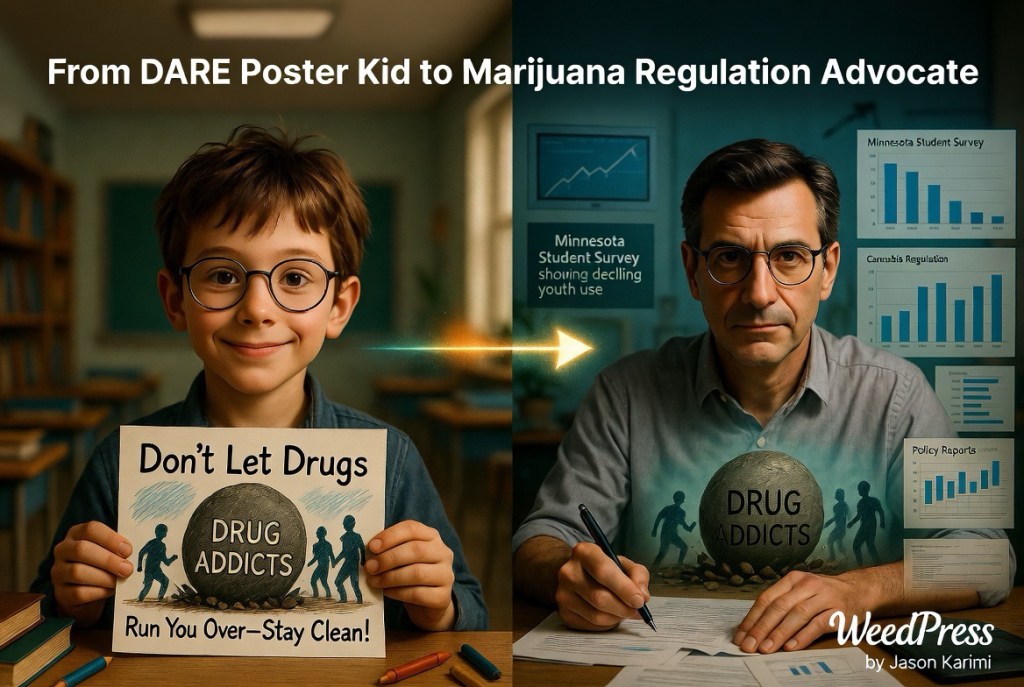
When I was in elementary school, the DARE program left a lasting impression. Officers visited regularly, warning us about the dangers of drugs and pushing the “just say no” message. I took it seriously. So when the school announced an anti-drug poster contest open to elementary students, I threw myself into creating something impactful. My…
-

Chapter 10: What Remains
Table of Contents Preface Chapter 1 — The First ArrestEarly rupture, authority, and the beginning of resistance Chapter 2 — Before the File Was Opened Gifted education, faith, discipline, and early legitimacy Chapter 3 — Becoming a ProblemWork, exhaustion, collapse, and the cost of visibility Chapter 4 — Learning the Language of PowerCourts, probation, jail, campaigns, and proximity to decision-makers…
-

Chapter 9: The Record vs. the Narrative
Table of Contents Preface Chapter 1 — The First ArrestEarly rupture, authority, and the beginning of resistance Chapter 2 — Before the File Was Opened Gifted education, faith, discipline, and early legitimacy Chapter 3 — Becoming a ProblemWork, exhaustion, collapse, and the cost of visibility Chapter 4 — Learning the Language of PowerCourts, probation, jail, campaigns, and proximity to decision-makers…
-

Chapter 8: What the Media Gets Wrong
Table of Contents Preface Chapter 1 — The First ArrestEarly rupture, authority, and the beginning of resistance Chapter 2 — Before the File Was Opened Gifted education, faith, discipline, and early legitimacy Chapter 3 — Becoming a ProblemWork, exhaustion, collapse, and the cost of visibility Chapter 4 — Learning the Language of PowerCourts, probation, jail, campaigns, and proximity to decision-makers…
-

Chapter 7: Why I Never Left
Table of Contents Preface Chapter 1 — The First ArrestEarly rupture, authority, and the beginning of resistance Chapter 2 — Before the File Was Opened Gifted education, faith, discipline, and early legitimacy Chapter 3 — Becoming a ProblemWork, exhaustion, collapse, and the cost of visibility Chapter 4 — Learning the Language of PowerCourts, probation, jail, campaigns, and proximity to decision-makers…
-

Chapter 6: Staying Power
Table of Contents Preface Chapter 1 — The First ArrestEarly rupture, authority, and the beginning of resistance Chapter 2 — Before the File Was Opened Gifted education, faith, discipline, and early legitimacy Chapter 3 — Becoming a ProblemWork, exhaustion, collapse, and the cost of visibility Chapter 4 — Learning the Language of PowerCourts, probation, jail, campaigns, and proximity to decision-makers…
-

Chapter 5: The Apprenticeship
Table of Contents Preface Chapter 1 — The First ArrestEarly rupture, authority, and the beginning of resistance Chapter 2 — Before the File Was Opened Gifted education, faith, discipline, and early legitimacy Chapter 3 — Becoming a ProblemWork, exhaustion, collapse, and the cost of visibility Chapter 4 — Learning the Language of PowerCourts, probation, jail, campaigns, and proximity to decision-makers…
-

Chapter 4: Learning the Language of Power
Table of Contents Preface Chapter 1 — The First ArrestEarly rupture, authority, and the beginning of resistance Chapter 2 — Before the File Was Opened Gifted education, faith, discipline, and early legitimacy Chapter 3 — Becoming a ProblemWork, exhaustion, collapse, and the cost of visibility Chapter 4 — Learning the Language of PowerCourts, probation, jail, campaigns, and proximity to decision-makers…
-

Chapter 3: Becoming a Problem
Table of Contents Preface Chapter 1 — The First ArrestEarly rupture, authority, and the beginning of resistance Chapter 2 — Before the File Was Opened Gifted education, faith, discipline, and early legitimacy Chapter 3 — Becoming a ProblemWork, exhaustion, collapse, and the cost of visibility Chapter 4 — Learning the Language of PowerCourts, probation, jail, campaigns, and proximity to decision-makers…
Commentary
-
I Spent 17 Years Arguing for Federal Cannabis Legitimacy. Now Small Operators Are About to Learn What That Means.
I have spent most of my adult life arguing that state medical cannabis programs could not survive forever as legally tolerated gray markets.¹ They needed federal recognition. They needed treaty analysis. They needed administrative pathways. They needed constitutional pressure. They needed people willing to say the uncomfortable thing before the institutions were ready to admit…
-
Leadership Matters: Strategy Failure — Not the Supreme Court — Doomed Legalization in South Dakota
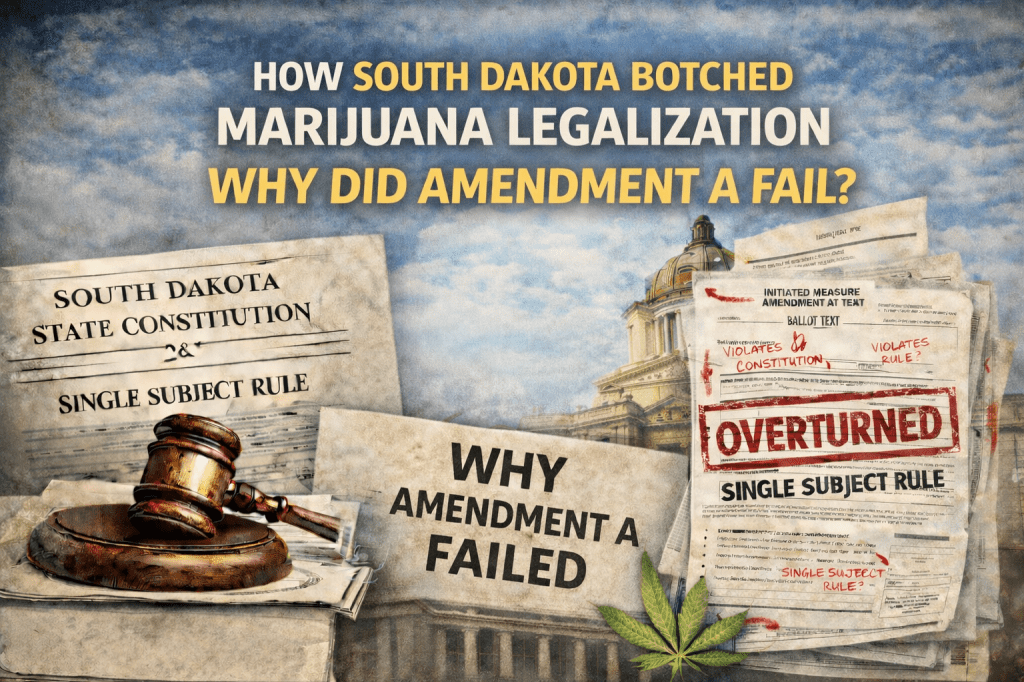
Editors note: This piece analyzes past campaign strategy using publicly available court records and election results. When South Dakota voters approved Constitutional Amendment A in November 2020 to legalize, regulate, and tax marijuana, many supporters saw it as a historic victory for reform. But what followed — a legal challenge and a ruling from the…
-
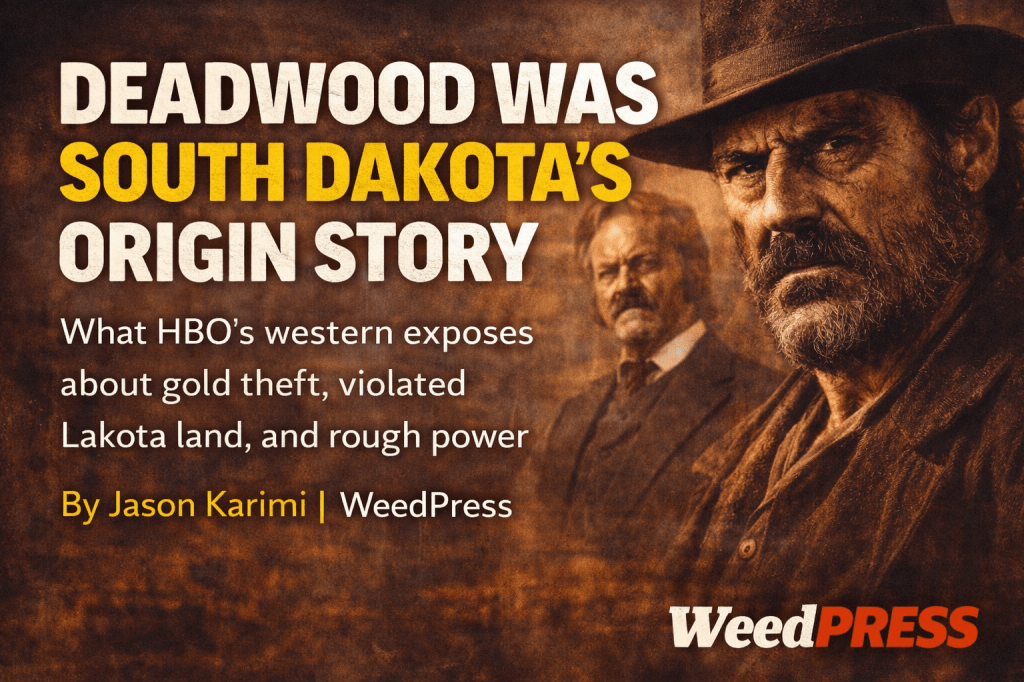
Deadwood Was South Dakota’s Origin Story
Deadwood Was South Dakota’s Origin Story HBO’s western is not just about one outlaw camp. It is about the culture of theft, violated Lakota land, gold obsession, and rough power that helped shape the state By Jason Karimi | WeedPress March 26, 2026 HBO’s Deadwood is not a documentary. It is something more dangerous to…
-
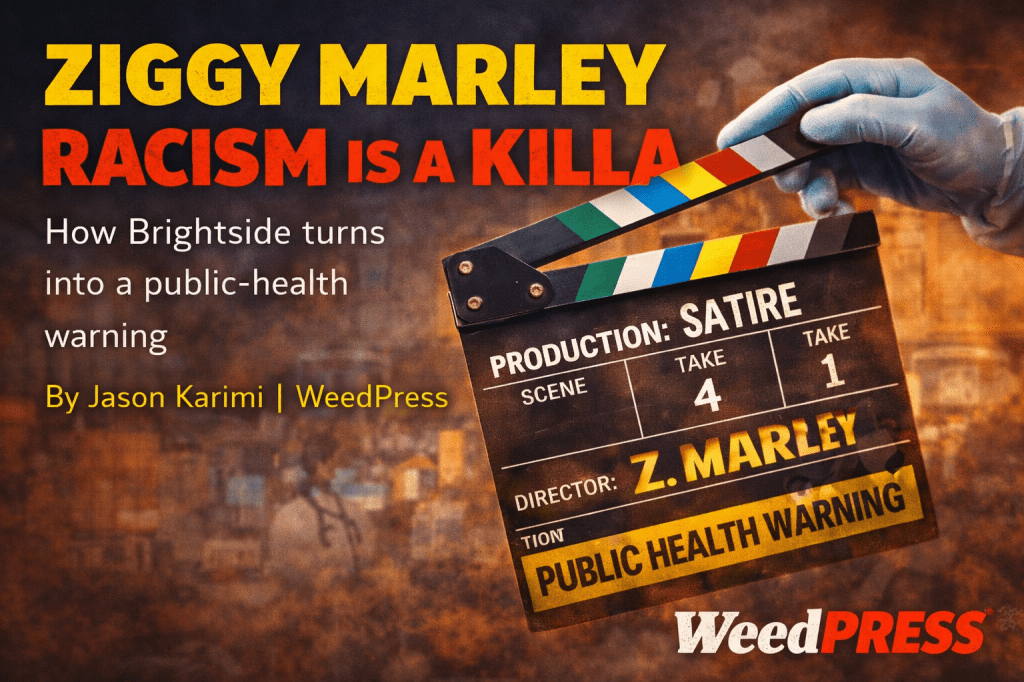
Ziggy Marley’s “Racism Is A Killa” Uses Satire as a Public-Health Warning
Ziggy Marley’s “Racism Is A Killa” Uses Satire as a Public-Health Warning By Jason Karimi | WeedPress March 26, 2027 In the video for “Racism Is A Killa,” Ziggy Marley does not treat racism as a private flaw or a bad opinion. He frames it as a social sickness, and satire is the instrument that…
-
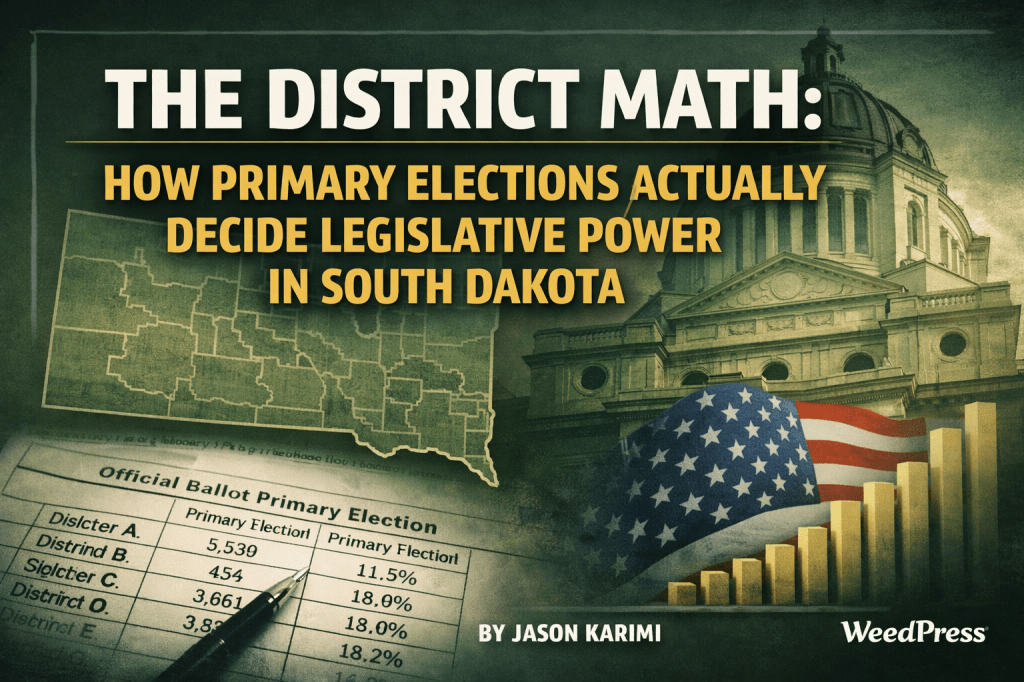
The District Math: How Primary Elections Actually Decide Legislative Power in South Dakota
The District Math: How Primary Elections Actually Decide Legislative Power in South Dakota By Jason Karimi | WeedPress February 23, 2026 If HB 1065 was a diagnostic, district math is the operating manual. Political influence in South Dakota is not determined by statewide sentiment alone. It is determined district by district — often by a…
-
From Diagnosis to Discipline: Building Primary Leverage in South Dakota’s Medical Cannabis Politics
From Diagnosis to Discipline: Building Primary Leverage in South Dakota’s Medical Cannabis Politics By Jason Karimi | WeedPress February 16, 2026 HB 1065 advancing is a test for the medical cannabis movement in South Dakota. If a restriction bill can clear committee 8–3 and advance toward the House floor with minimal electoral anxiety, the movement…
-
WeedPress Is Mapping the Battlefield While Others Debate the Map
WeedPress Is Mapping the Battlefield While Others Debate the Map WeedPress Policy SeriesBy Jason Karimi ⸻ There are two kinds of publications in contentious policy environments. Some debate what the terrain should look like. Others study what the terrain actually is. WeedPress was built to do the second. While many cannabis commentators remain focused on…
-
HB 1065 Heads to the Floor: The Primary Gap in South Dakota’s Medical Cannabis Politics
HB 1065 Heads to the Floor: The Primary Gap in South Dakota’s Medical Cannabis Politics As restriction legislation advances, the absence of effectively deterrent electoral pressure reveals a leverage problem within the state’s cannabis movement. As House Bill 1065 advances to the South Dakota House floor, the moment calls for structural reflection rather than rhetorical…
-

Discipline Forged Under Scrutiny: Why the Hard Path Produces the Most Careful Lawyers
Discipline Forged Under Scrutiny: Why the Hard Path Produces the Most Careful LawyersBy Jason Karimi | WeedPress | February 14th, 2026 ⸻ Some of the most disciplined lawyers are not the ones who glide through clean transcripts and uninterrupted résumés. They are the ones who had to fight to be admitted. They understand that the…
-
Outline of Cannabis Federalism: Constitutional Architecture in a Post-Prohibition Era
New book in monograph form incoming. Estimated release date: July 4, 2026 Cannabis Federalism: Constitutional Architecture in a Post-Prohibition Era Subtitle: A Structural Analysis of Vertical Preemption, Horizontal Protectionism, and Patient-Centered Regulatory Design By Jason Karimi Proposed Table of Contents Preface From Conflict to Architecture Brief, measured acknowledgment of the volatility of the cannabis policy…
-

The “Lazy but Ambitious” Minority: Why 15–20% of People Are Wired Differently — and How That Can Be a Strength
The “Lazy but Ambitious” Minority: Why 15–20% of People Are Wired Differently — and How That Can Be a Strength By Jason Karimi A growing body of productivity and behavioral-psychology content points to a counterintuitive personality pattern: a significant minority of people — often estimated informally at 15–20% of the population in coaching and productivity…
-
Why I No Longer Testify at Most Hearings
Why I No Longer Testify at Most Hearings Seventeen Years, Four Bills Passed, and Managing Campaigns and Staff Have Taught Me Institutional Architecture Is Not a Two-Minute Topic By Jason Karimi | WeedPress | February 12, 2026 This week’s attempt to repeal South Dakota’s medical cannabis laws leaned on ignorance of the federal architecture and…
Patient Perspectives
-
Request for NCSL Virginia Presentation On Fed Law Impacts For State Industry and Patients
Weedpress sent the following request via https://www.ncsl.org/health/state-medical-cannabis-laws Request for NCSL Presentation Slides – Federal Marijuana & Hemp Policy Implications (June 2026) Dear NCSL Staff, My name is Jason Karimi, and I publish WeedPress, an independent policy analysis site focused on cannabis regulation, federal-state issues, and legislative oversight. I am writing to request materials from a…
-
Garcia and Carley To Get the Boot from MMOC After Primary Losses; Won’t Attend Future Meetings
Josephine Garcia and John Carley are about to lose what little power they had left. Following their humiliating primary defeats on June 2, both are expected to be removed from the Medical Marijuana Oversight Committee (MMOC) in the coming weeks. This is standard procedure in South Dakota. When (shit talking) legislators lose their primaries, the…
-
One-Term Disgraces: Garcia and Carley Tanked the MMOC and Got Fired by Voters
Josephine Garcia and John Carley took office in January 2025. By June 2026, both were one-term has-beens who lost their Republican primaries in humiliating fashion. Their short tenures were marked by dysfunction on the Medical Marijuana Oversight Committee (MMOC), where Garcia served as Chair and Carley as Vice-Chair. Under their leadership, the committee became so…
-
My Congratulatory Email to Rep. Travis Ismay After His Primary Win
Last night, Rep. Travis Ismay (R-House District 28B) defeated challenger Larry Schmaltz in the Republican primary, securing approximately 59% of the vote to Schmaltz’s 41%. I’ve had strong disagreements with Rep. Ismay — particularly over his sponsorship of legislation aimed at repealing South Dakota’s medical marijuana program. Those disagreements led to some heated emails in…
-
Industry Analysts Agree: Interstate Cannabis Markets Are Inevitable
Part 2: Insider Look at State Resistance Strategies — Coming Next Weekend. Six months ago, WeedPress detailed how federal rescheduling of cannabis would interact with the Dormant Commerce Clause (DCC) to challenge state-level barriers to interstate commerce in state-regulated cannabis markets.¹ Now, the Marijuana Policy Project (MPP) has reached substantially the same conclusions in its…
-
Small Operators’ Last Stand: Actionable Pathways to Survive the Schedule III Compliance Cliff and Capture 280E Relief
The April 28, 2026 partial Schedule III order (91 Fed. Reg. 22714) has created a genuine compliance cliff for legacy small cannabis operators.¹ While the removal of the Internal Revenue Code § 280E deduction prohibition offers substantial after-tax cash-flow relief for qualifying entities, that relief is strictly gated behind expedited DEA registration and full compliance…
 WeedPress: The Paper Trail