
Featured Analysis
-
I Have Filed Notice to Participate in the DEA’s June 29 Rescheduling Hearing
Today I formally submitted my Notice of Intention to Participate in the DEA administrative hearing on the proposed rescheduling of marijuana from Schedule I to Schedule III (Docket No. DEA-1362), scheduled to begin June 29, 2026. This filing continues my 17-year record of cannabis policy advocacy and public commentary. It focuses on the interaction between…
-
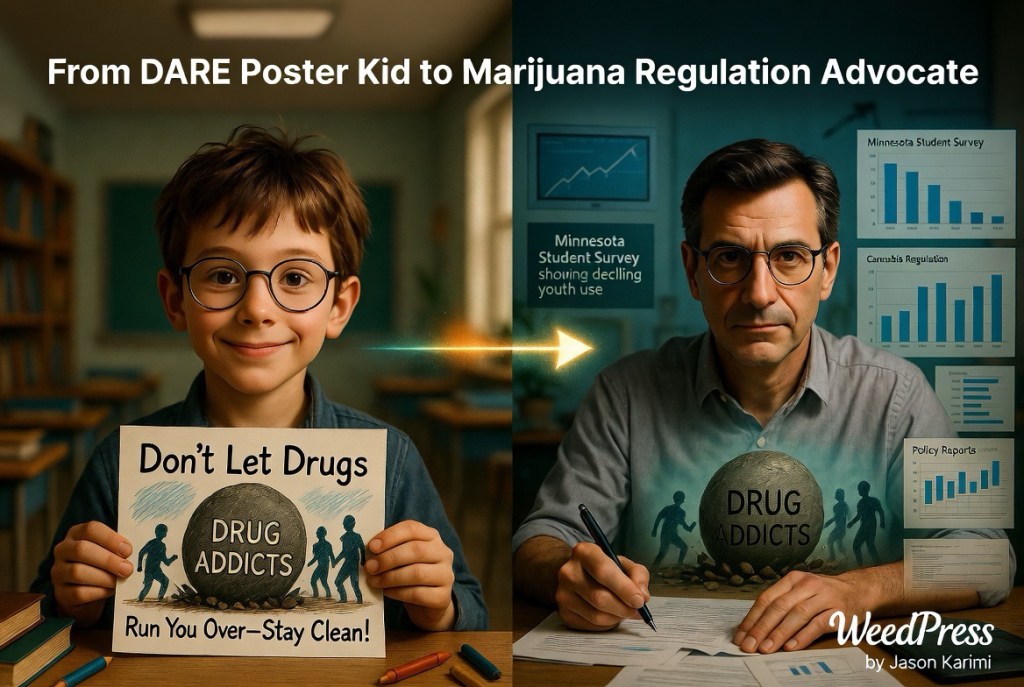
DARE Poster Kid to Marijuana Regulation Advocate: My Unchanging Fight to Protect Kids
When I was in elementary school, the DARE program left a lasting impression. Officers visited regularly, warning us about the dangers of drugs and pushing the “just say no” message. I took it seriously. So when the school announced an anti-drug poster contest open to elementary students, I threw myself into creating something impactful. My…
-
1,000 Views In Ten Days
Haven’t seen reach like this since 2014 on WeedPress, but back then I was the main public figure lobbying for medical cannabis in Iowa and ran all the top social media pages. Today I don’t even post to social media…who could possibly be reading my words on their screens? Hmmmmm. So…weird. Did something of significance…
-
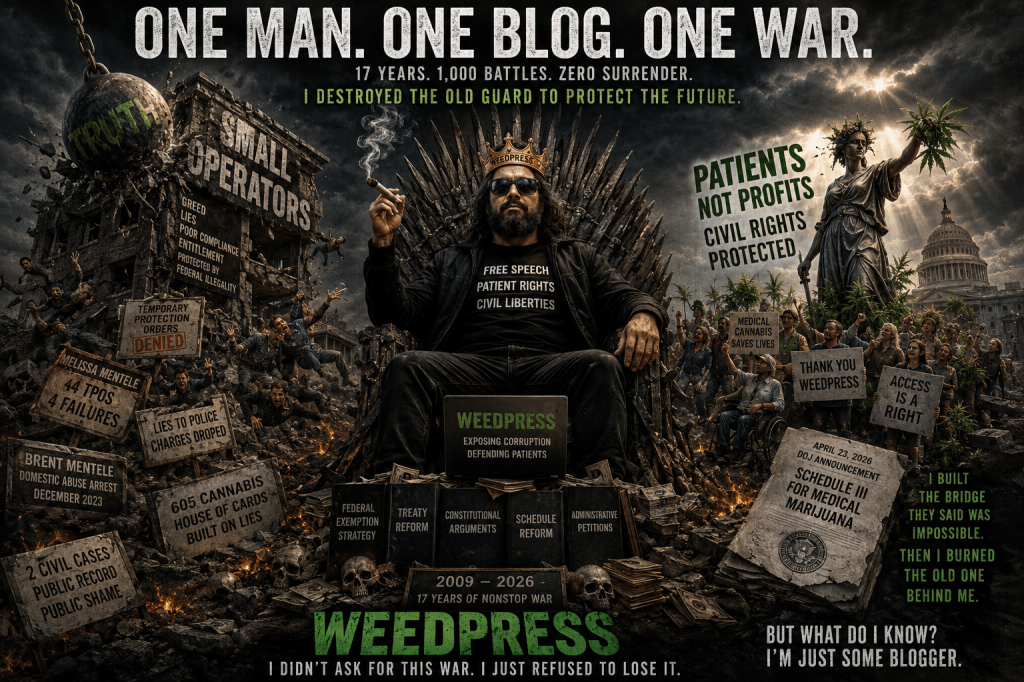
I Spent 17 Years Arguing for Federal Cannabis Legitimacy. Now Small Operators Are About to Learn What That Means.
I have spent most of my adult life arguing that state medical cannabis programs could not survive forever as legally tolerated gray markets.¹ They needed federal recognition. They needed treaty analysis. They needed administrative pathways. They needed constitutional pressure. They needed people willing to say the uncomfortable thing before the institutions were ready to admit…
-

Weedpress Exclusive: Weedpress Founder & Veteran Cannabis Advocate Jason Karimi Tapped as Expert Witness in Federal Religious Cannabis Lawsuits – Ready to Testify This Summer
Weedpress Exclusive: Weedpress Founder & Veteran Cannabis Advocate Jason Karimi Tapped as Expert Witness in Federal Religious Cannabis Lawsuits – Ready to Testify This Summer Weedpress has learned that its own founder, Jason Karimi, a leading voice in the cannabis reform movement for over 15 years, has been invited to serve as an expert witness…
-

Why Business Lawyers and Lawmakers Must Master the U.S. Reinterpretation of the Single Convention: Treaty Flexibility as the Foundation for Durable Cannabis Reform
The United States’ ongoing transformation of federal cannabis policy—from rigid Schedule I prohibition under the Controlled Substances Act (CSA) to a more nuanced regulatory framework—has long been cabined by claims of international legal constraint. For decades, the Drug Enforcement Administration (DEA) invoked the 1961 Single Convention on Narcotic Drugs as an absolute bar to any…
Policy
-
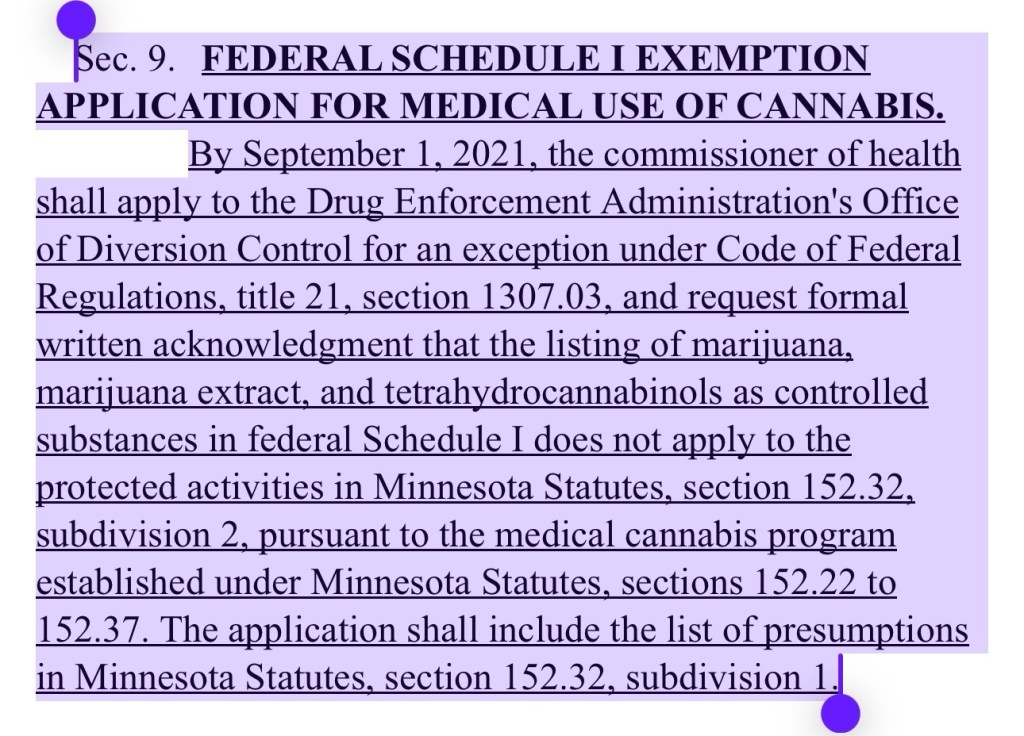
Ilhan Omar’s Office Called WeedPress For Help On Federal Exemption To State Cannabis Laws!!!!
Just a brief note, but I was asked this last week by Ilhan Omar’s Congressional office for info on a bill I wrote the bill summary for in 2021 that passed the Minnesota House. Read the bill here: House File 1023. The bill was introduced by Young Americans for Liberty endorsed House Rep Jeremy Munson.…
-
South Dakota’s Lack Of Testing Labs For Marijuana: Cause For Concern?
Number of testing labs in South Dakota According to the state’s official cannabis-licensing site, as of early 2025 there are two independent medical cannabis testing laboratories licensed by the South Dakota Department of Health (SD-DOH). Of those two labs: Cannabis Chem Lab Inc. — located in Flandreau, South Dakota — is described as the “only licensed cannabis…
-

Petition To South Dakota Legislature Senate And House Leadership
Copy To: President of the South Dakota Senate Copy to: Speaker of the South Dakota House This petition is submitted pursuant to: South Dakota Constitution 0N-6-4§ 4: § 4. Right of petition and peaceable assembly. The right of petition, and of the people peaceably to assemble to consult for the common good and make known their opinions, shall never be abridged.…
-
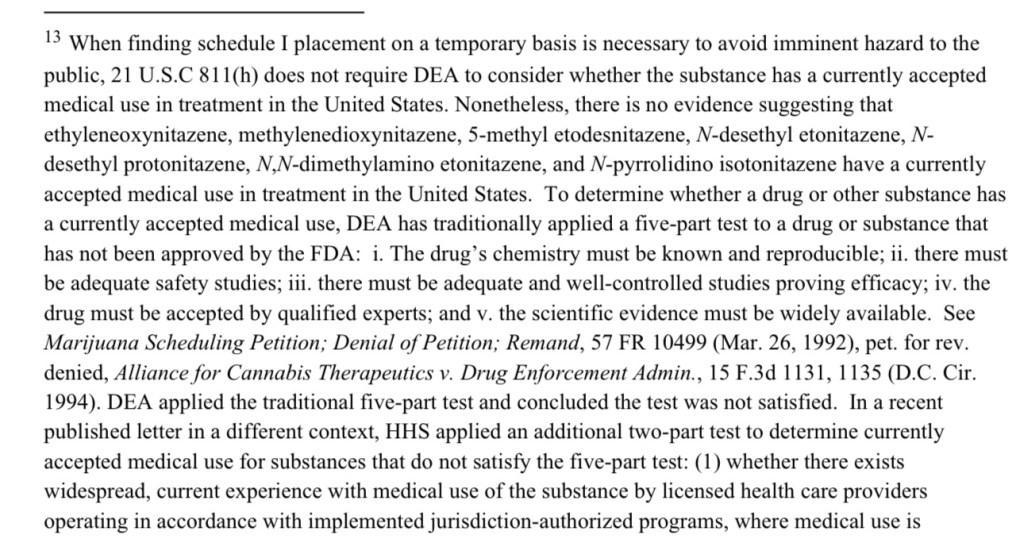
Recent DEA Footnote Acknowledges Two Part CAMU Test!
For those following mj rescheduling, pg 7 fn 13 of this DEA doc temporarily placing 3 synth opioids in schedule I may be of interest. DEA acknowledges the existence of and authority for the 2-part test for CAMU, though it also applies its own 5-part test: https://public-inspection.federalregister.gov/2025-11462.pdf?utm_campaign=pi+subscription+mailing+list&utm_medium=email&utm_source=federalregister.gov
-

Federal Exception For Cannabis Legislation By Iowans For Medical Marijuana
Federal Exception for Cannabis Proposed Legislation 124E.27 Legal Task Force. The department shall convene a task force of legal experts to assist in executing the department’s responsibilities under 2020 Iowa Acts, chapter 1116, section 31 (protection of federal funding). Under state and federal controlled substances acts medical use of cannabis is inconsistent without interstate marketing approval or…
-
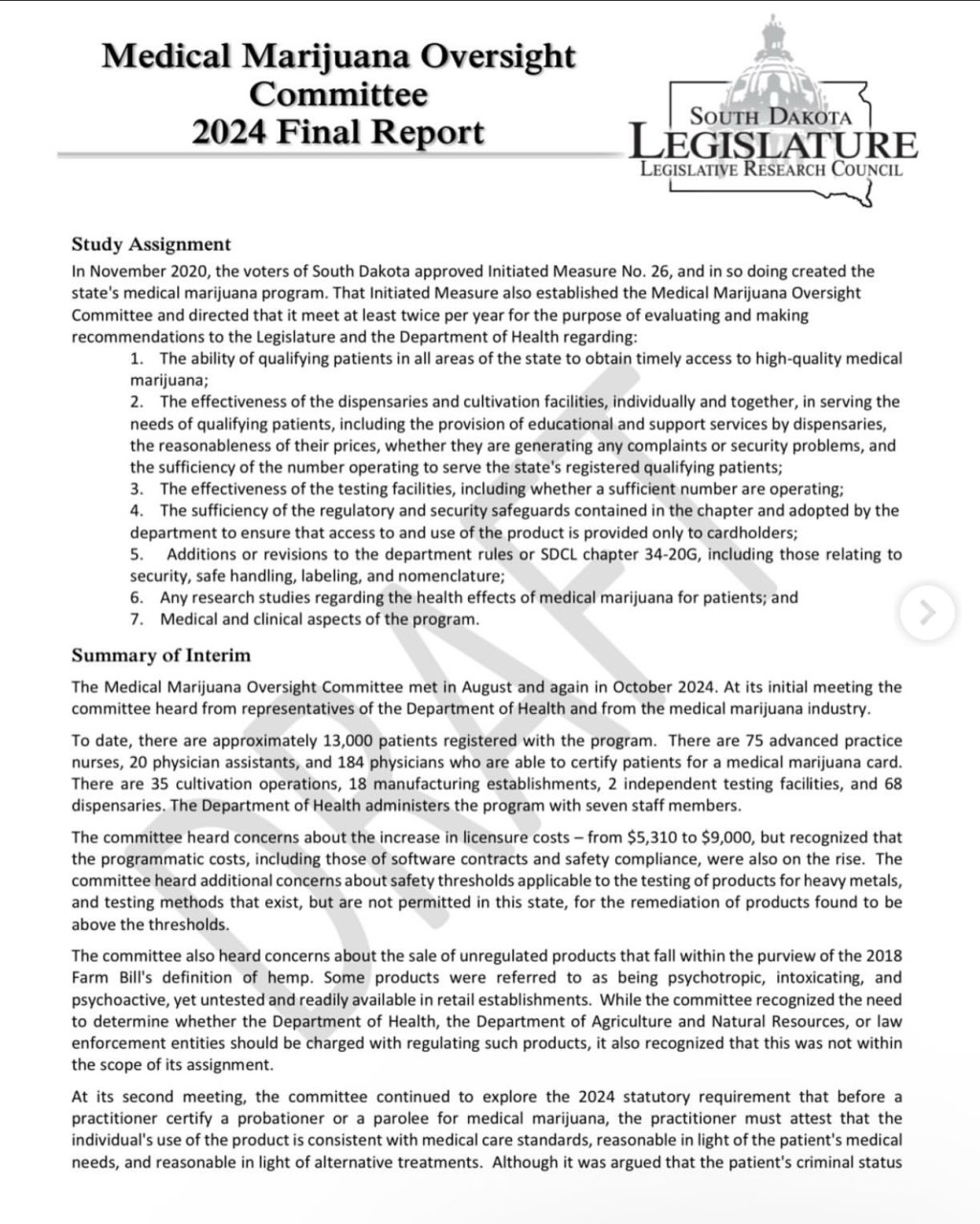
South Dakota report: allowing probationers to use medical cannabis is authorizing violations of federal law
I told you federal law matters. The solution is for South Dakota to apply for federal exemption pursuant to 21 USC 822(d).
Law
-
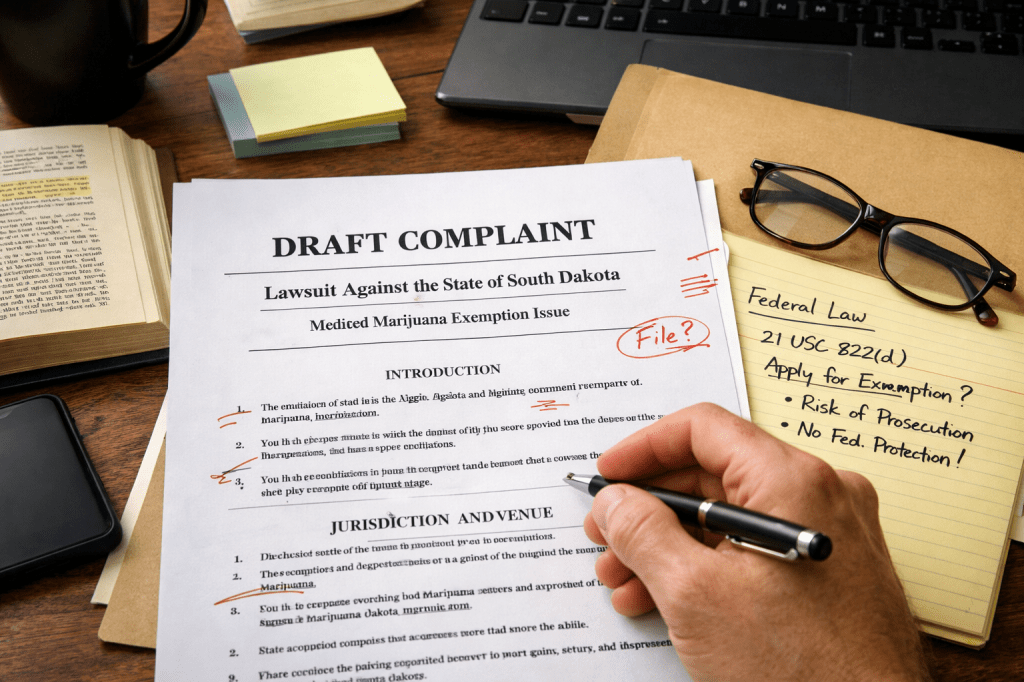
South Dakota Leaves Medical Marijuana Patients as Federal Criminals: Lawsuit Being Filed Over Refusal to Seek Federal Exemption
The following is a work in progress. UNITED STATES DISTRICT COURT DISTRICT OF SOUTH DAKOTA SOUTHERN DIVISION Jason Karimi, Plaintiff, v. State of South Dakota; South Dakota Department of Health; South Dakota Medical Marijuana Oversight Committee; [Director], in his/her official capacity; Defendants. Case No. ___________ COMPLAINT FOR DECLARATORY AND INJUNCTIVE RELIEF I. INTRODUCTION 1. This…
-
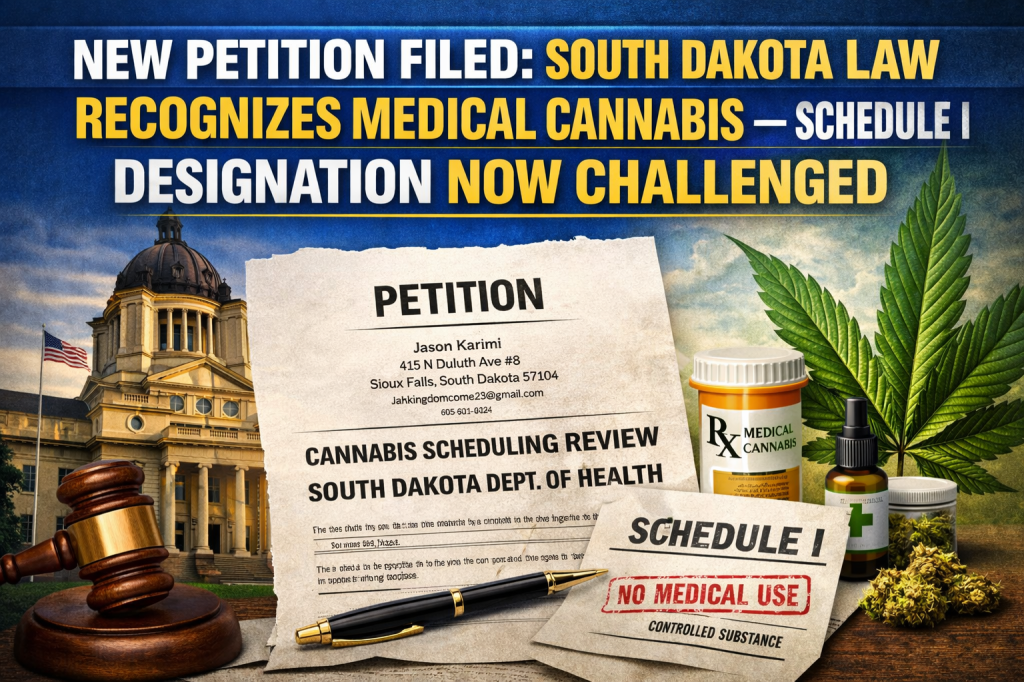
Petition: South Dakota Law Now Makes Schedule I Cannabis Classification Legally Impossible
The following is a work in progress. Draft of filing that asks Department of Health to acknowledge that medical cannabis laws contradict Schedule I definition. Update 2-1: I realized I was going about this all wrong. The following isn’t per se incorrect but there’s a much simpler stronger argument the court will prefer. I will…
-
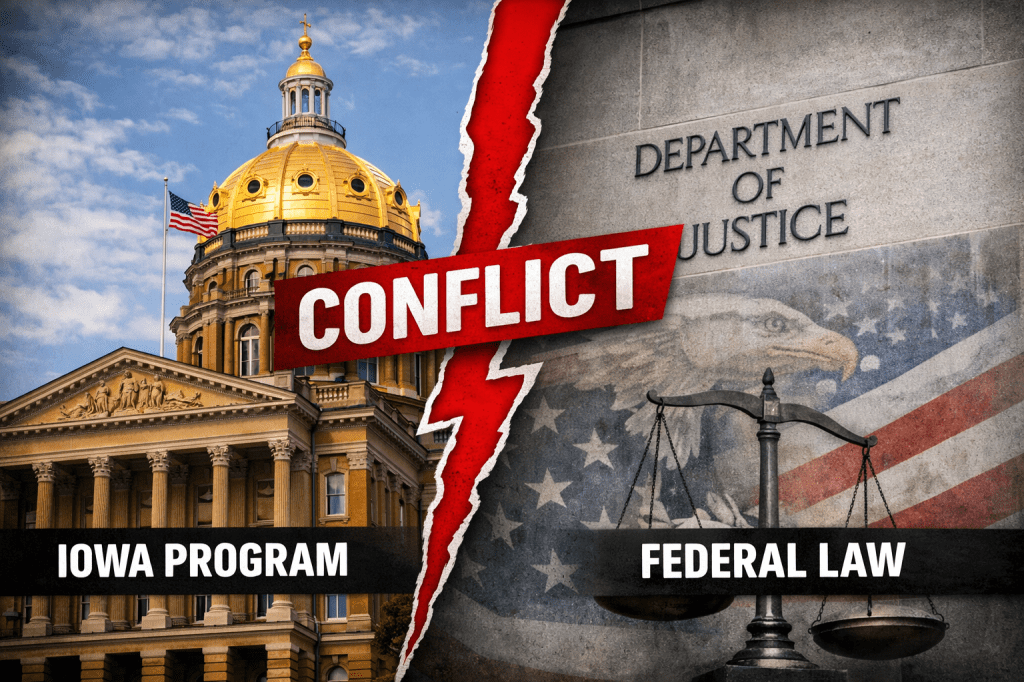
State Board Warns: Iowa Cannabis Users Break Federal Law
State Board Warns: Iowa Cannabis Users Break Federal Law Iowa’s medical cannabis program authorizes patient use at the state level but remains at odds with federal laws. Despite state authorization, Iowa’s medical cannabis program remains illegal under federal law, leading to ongoing legal risk and public safety implications — and lawmakers still haven’t acted on…
-
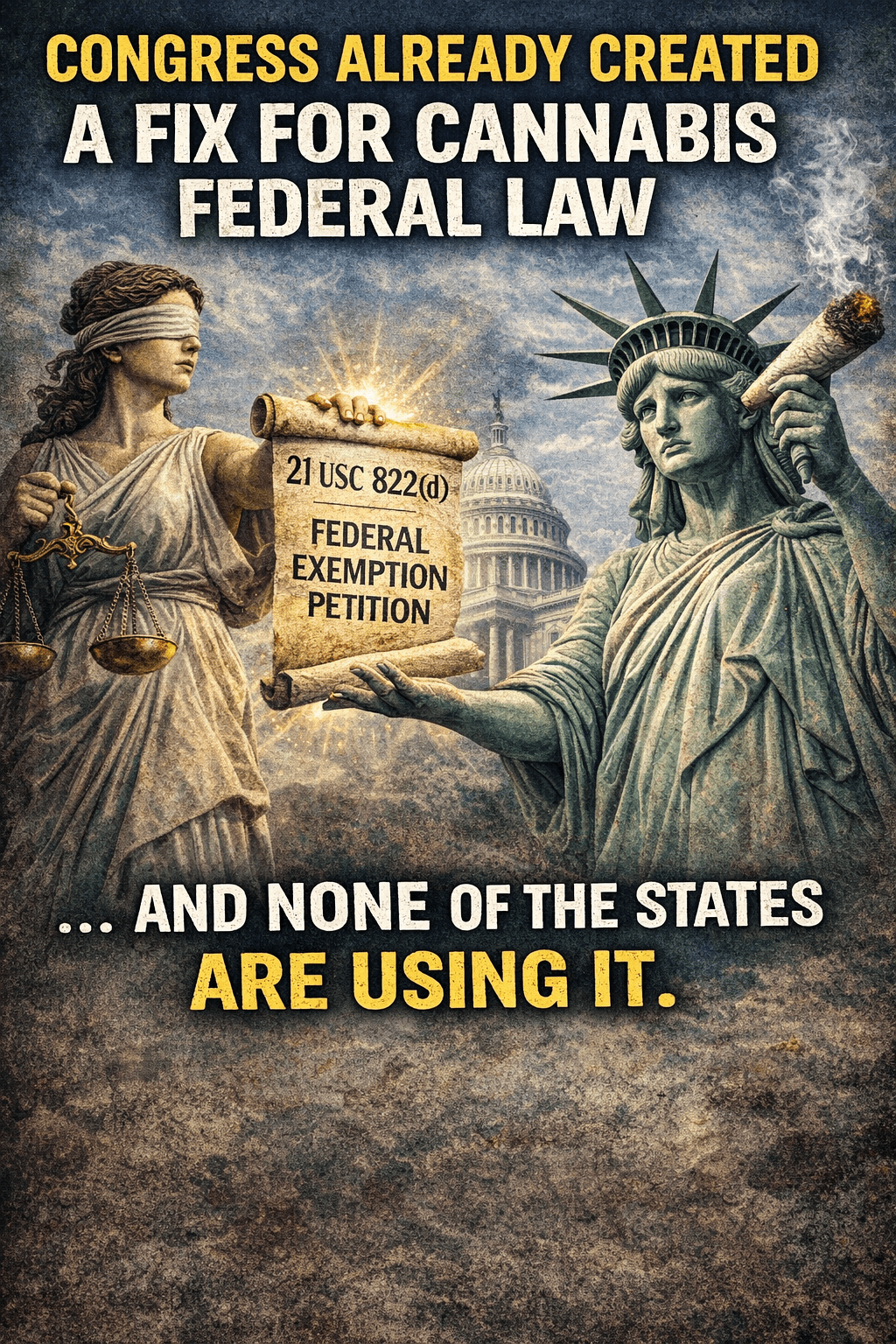
Marijuana Is Still Federally Illegal — And the Fix Already Exists in Federal Law
Executive Summary Marijuana remains illegal under the federal Controlled Substances Act. State legalization has expanded rapidly, but federal law has not changed. State cannabis systems now operate on enforcement tolerance rather than legal authorization, creating escalating compliance failures nationwide. However, Congress already created a lawful solution — and states are not using it. The Structural…
-

The Federal Marijuana Contradiction Is Now Structurally Unsustainable
For more than a decade, marijuana policy in the United States has existed in a legal twilight zone. State legalization expanded rapidly, political rhetoric normalized cannabis, and entire industries were built on the assumption that federal reform was “inevitable.” But that inevitability never arrived. Instead, federal law never moved — and now the contradiction is…
-
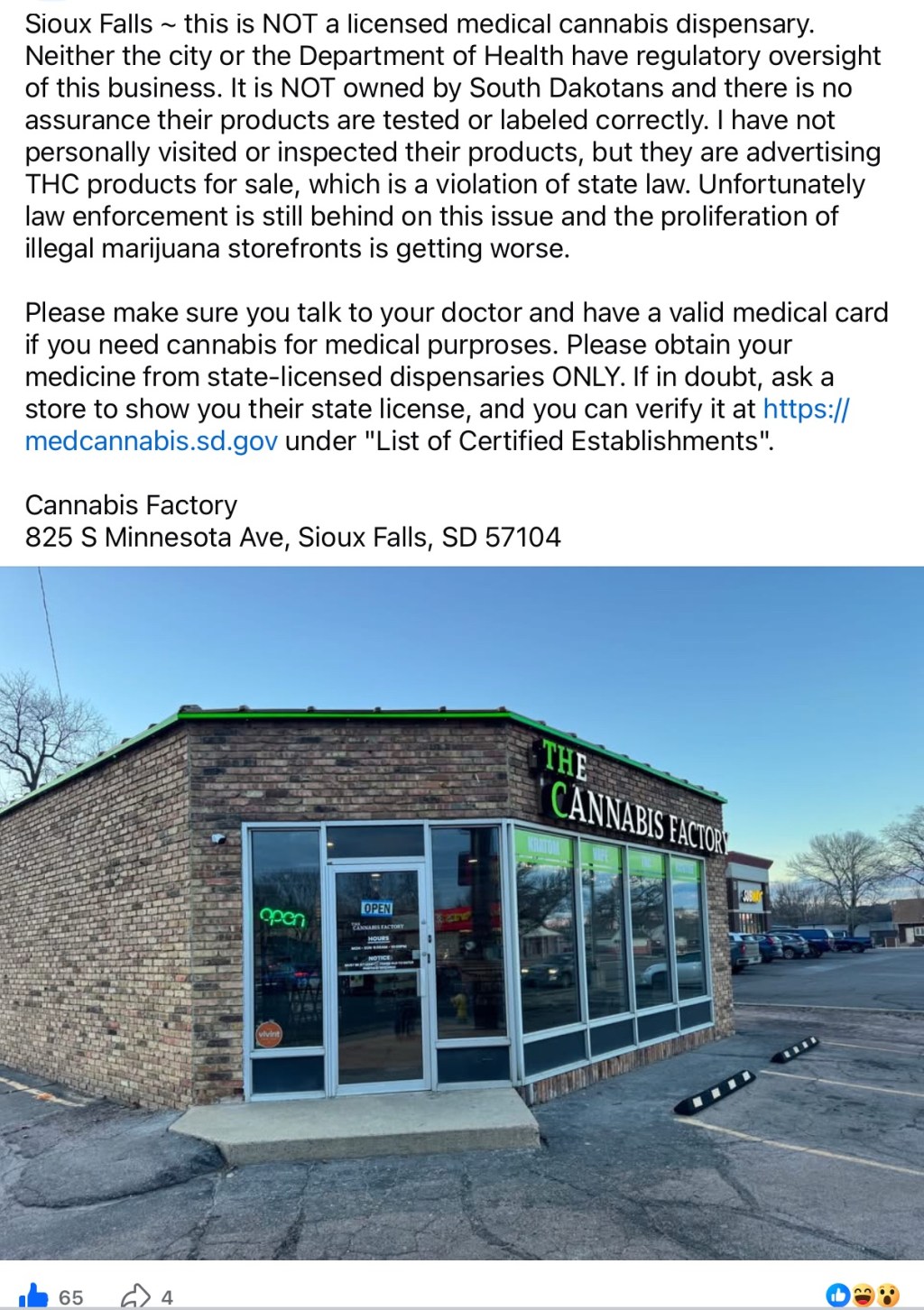
A Sioux Falls Storefront Is Selling “Cannabis” Without a South Dakota Cannabis License
By Jason Karimi – WeedPress / SD Cannabis Ledger A retail storefront operating at 825 South Minnesota Avenue in Sioux Falls presents itself to the public as a cannabis dispensary. It uses marijuana branding. It advertises cannabis. It invites walk-in customers. But it does not hold a South Dakota medical cannabis dispensary license. Which means…
Science
-
I Spent 17 Years Arguing for Federal Cannabis Legitimacy. Now Small Operators Are About to Learn What That Means.
I have spent most of my adult life arguing that state medical cannabis programs could not survive forever as legally tolerated gray markets.¹ They needed federal recognition. They needed treaty analysis. They needed administrative pathways. They needed constitutional pressure. They needed people willing to say the uncomfortable thing before the institutions were ready to admit…
-
Stork Just Sent a Researcher to WeedPress: What Academic Tools Mean for Cannabis Policy Analysis
Independent statutory deep-dives are showing up alongside peer-reviewed literature in researchers’ workflows. It’s not every day your analytics dashboard lights up with a referrer you’ve never seen before. Today, May 5, 2026, WeedPress received a visit from paper-box.co — the domain tied to Stork (storkapp.me), a specialized publication-tracking and research intelligence platform used by academics,…
-
The Post-Announcement Phase of Cannabis Rescheduling: What the June DEA Hearing Means, What States May Have to Change, and What to Watch Next
The most important cannabis-law story in the country is no longer the announcement that part of the marijuana market has been moved into Schedule III. It is the implementation phase that follows. In April 2026, the Department of Justice and the Drug Enforcement Administration took the unusual step of immediately placing state-licensed medical marijuana and…
-
Why South Dakota’s Own Statutes Now Make Schedule I Marijuana Unlawful to Maintain
“Acting Attorney General Todd Blanche is placing both FDA-approved drug products containing marijuana, and medicinal marijuana products subject to a qualifying state-issued license in Schedule III under his authority to reschedule drugs to carry out the United States’ obligations under the Single Convention on Narcotic Drugs.”¹ South Dakota, however, is not automatically bound by that…
-

South Dakota’s Schedule I Marijuana Prohibition Heads to Court This Summer: Lawsuit Will Seek Declaration That State Law No Longer Satisfies Its Own Criteria
This summer I intend to file a civil action against the State of South Dakota seeking a judicial declaration that the state’s Schedule I classification of marijuana no longer satisfies the statutory criteria required for Schedule I placement under South Dakota law.¹ The claim is straightforward: once the factual predicate of “no accepted medical use”…
-
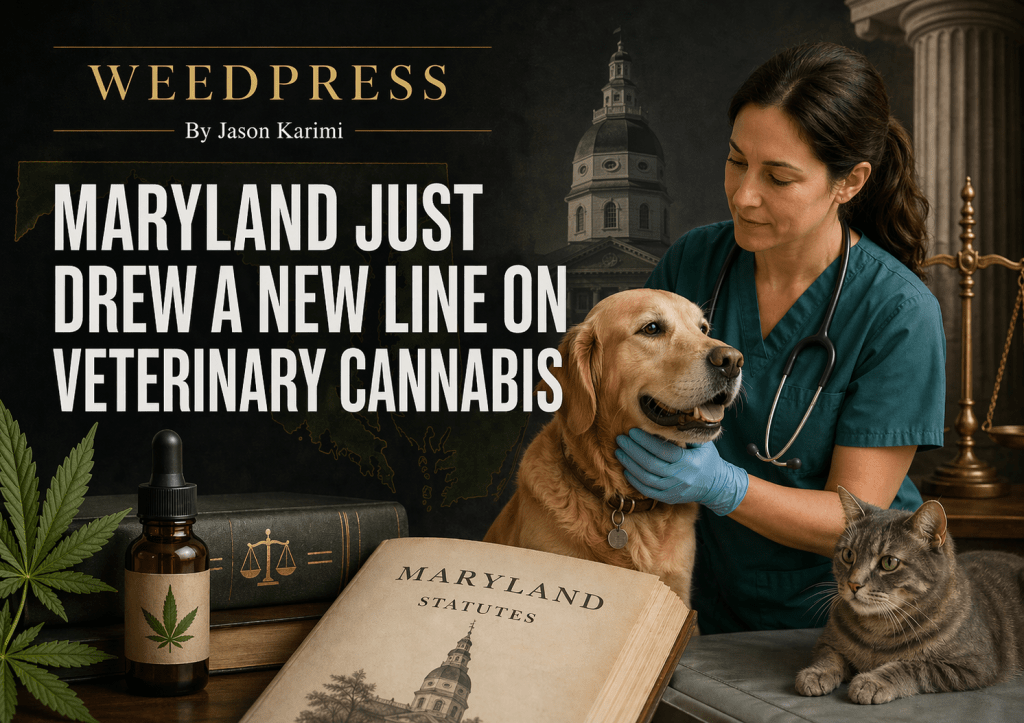
Maryland Just Drew a New Line on Veterinary Cannabis
April 24, 2026 In a new development, Maryland has protected veterinarians from professional discipline solely for discussing or recommending cannabis or cannabidiol products for animals. House Bill 452 and Senate Bill 54, signed on April 14, 2026 as Chapters 47 and 48, bar the State Board of Veterinary Medical Examiners from suspending or revoking a…
Current Events
-
I Spent 17 Years Arguing for Federal Cannabis Legitimacy. Now Small Operators Are About to Learn What That Means.
I have spent most of my adult life arguing that state medical cannabis programs could not survive forever as legally tolerated gray markets.¹ They needed federal recognition. They needed treaty analysis. They needed administrative pathways. They needed constitutional pressure. They needed people willing to say the uncomfortable thing before the institutions were ready to admit…
-
Weedpress Exclusive: Weedpress Founder & Veteran Cannabis Advocate Jason Karimi Tapped as Expert Witness in Federal Religious Cannabis Lawsuits – Ready to Testify This Summer
Weedpress Exclusive: Weedpress Founder & Veteran Cannabis Advocate Jason Karimi Tapped as Expert Witness in Federal Religious Cannabis Lawsuits – Ready to Testify This Summer Weedpress has learned that its own founder, Jason Karimi, a leading voice in the cannabis reform movement for over 15 years, has been invited to serve as an expert witness…
-
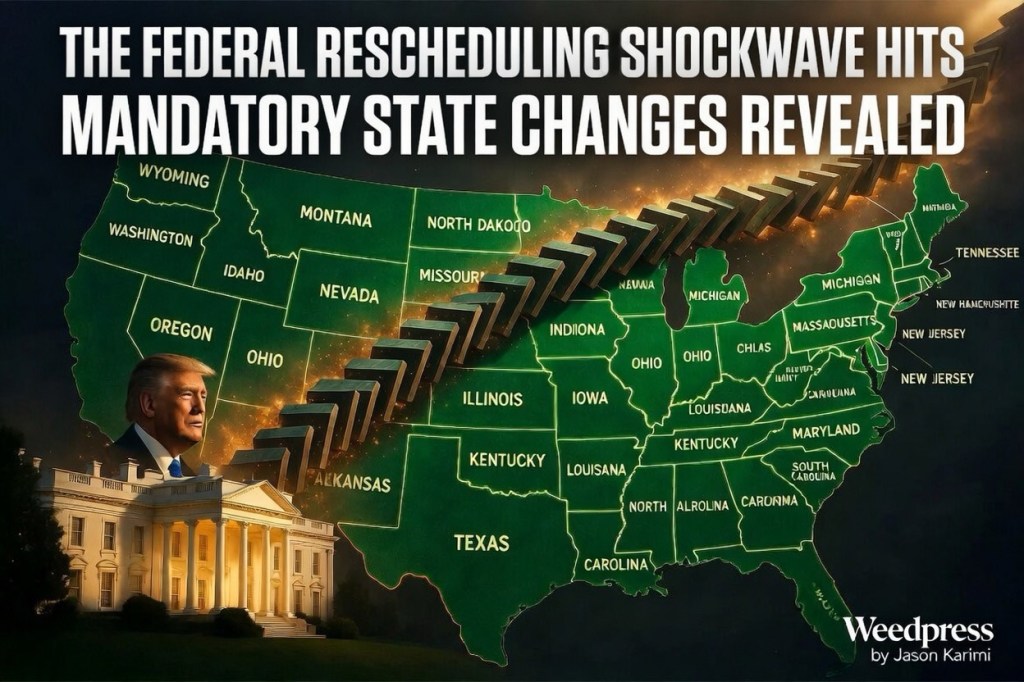
The Federal Rescheduling Shockwave Hits: South Carolina and 26 Other States Appear to Have Automatic or Mandatory Conformity Mechanisms for Federal Marijuana Scheduling Changes
Suggested citation: Karimi, Jason, The Federal Rescheduling Shockwave Hits: South Carolina and 26 Other States Appear to Have Automatic or Mandatory Conformity Mechanisms for Federal Marijuana Scheduling Changes (May 05, 2026). Available at SSRN: https://ssrn.com/abstract=6726361 In late April 2026, the Trump administration’s Department of Justice and DEA issued a final order moving FDA-approved drug products containing…
-
Why South Dakota’s Own Statutes Now Make Schedule I Marijuana Unlawful to Maintain
“Acting Attorney General Todd Blanche is placing both FDA-approved drug products containing marijuana, and medicinal marijuana products subject to a qualifying state-issued license in Schedule III under his authority to reschedule drugs to carry out the United States’ obligations under the Single Convention on Narcotic Drugs.”¹ South Dakota, however, is not automatically bound by that…
-
South Dakota’s Schedule I Marijuana Prohibition Heads to Court This Summer: Lawsuit Will Seek Declaration That State Law No Longer Satisfies Its Own Criteria
This summer I intend to file a civil action against the State of South Dakota seeking a judicial declaration that the state’s Schedule I classification of marijuana no longer satisfies the statutory criteria required for Schedule I placement under South Dakota law.¹ The claim is straightforward: once the factual predicate of “no accepted medical use”…
-
WeedPress Is Mapping the Battlefield While Others Debate the Map
WeedPress Is Mapping the Battlefield While Others Debate the Map WeedPress Policy SeriesBy Jason Karimi ⸻ There are two kinds of publications in contentious policy environments. Some debate what the terrain should look like. Others study what the terrain actually is. WeedPress was built to do the second. While many cannabis commentators remain focused on…
Legislation
-
I Spent 17 Years Arguing for Federal Cannabis Legitimacy. Now Small Operators Are About to Learn What That Means.
I have spent most of my adult life arguing that state medical cannabis programs could not survive forever as legally tolerated gray markets.¹ They needed federal recognition. They needed treaty analysis. They needed administrative pathways. They needed constitutional pressure. They needed people willing to say the uncomfortable thing before the institutions were ready to admit…
-
Stork Just Sent a Researcher to WeedPress: What Academic Tools Mean for Cannabis Policy Analysis
Independent statutory deep-dives are showing up alongside peer-reviewed literature in researchers’ workflows. It’s not every day your analytics dashboard lights up with a referrer you’ve never seen before. Today, May 5, 2026, WeedPress received a visit from paper-box.co — the domain tied to Stork (storkapp.me), a specialized publication-tracking and research intelligence platform used by academics,…
-
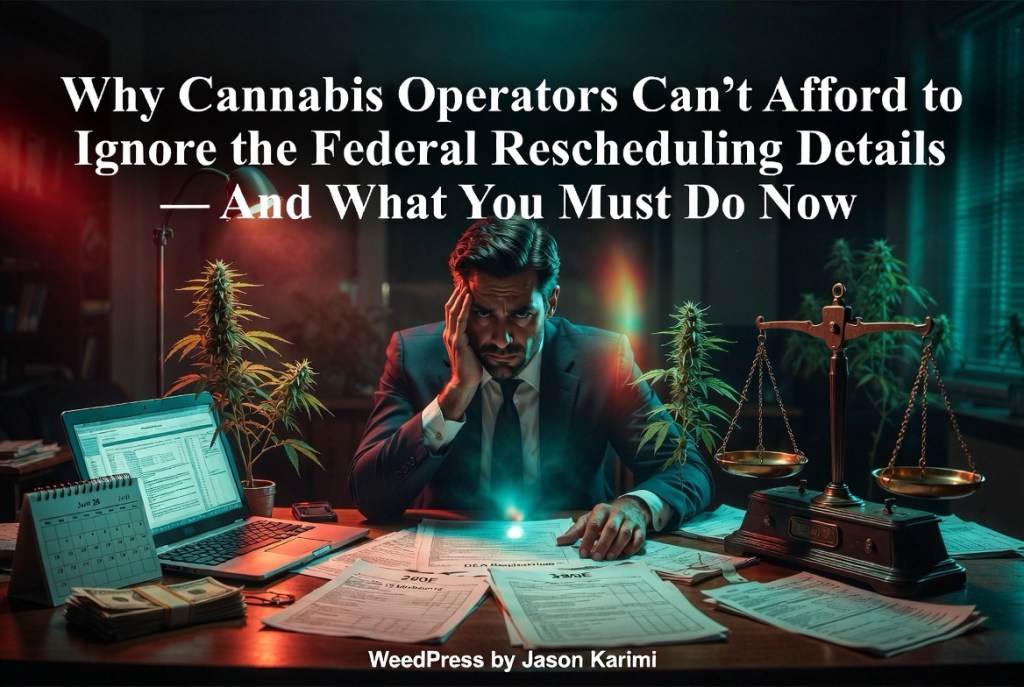
Why Cannabis Operators Can’t Afford to Ignore the Federal Rescheduling Details — And What You Must Do Now
The federal government has split cannabis into two tracks. FDA-approved drug products containing marijuana and marijuana activity tied to a qualifying state-issued medical marijuana license under the new federal framework now occupy a different federal posture, while broader marijuana remains in Schedule I pending further proceedings.¹ That split is real, immediate, and carries tax, compliance,…
-
WeedPress Looked Deeper: Congress’ Quiet Move to Block Trump’s Cannabis Rescheduling — and Why It Threatens Operators
The quietest threat to the federal cannabis shift is not coming from DEA’s June hearing. It is coming from the House appropriations process. On May 13, 2026, the full House Appropriations Committee is scheduled to mark up the FY2027 Commerce, Justice, Science (CJS) bill after the CJS subcommittee approved its version on April 30. Buried…
-
West Virginia and Mississippi Tried to Move Marijuana to Schedule III. Both Bills Reveal the Same Structural Problem.
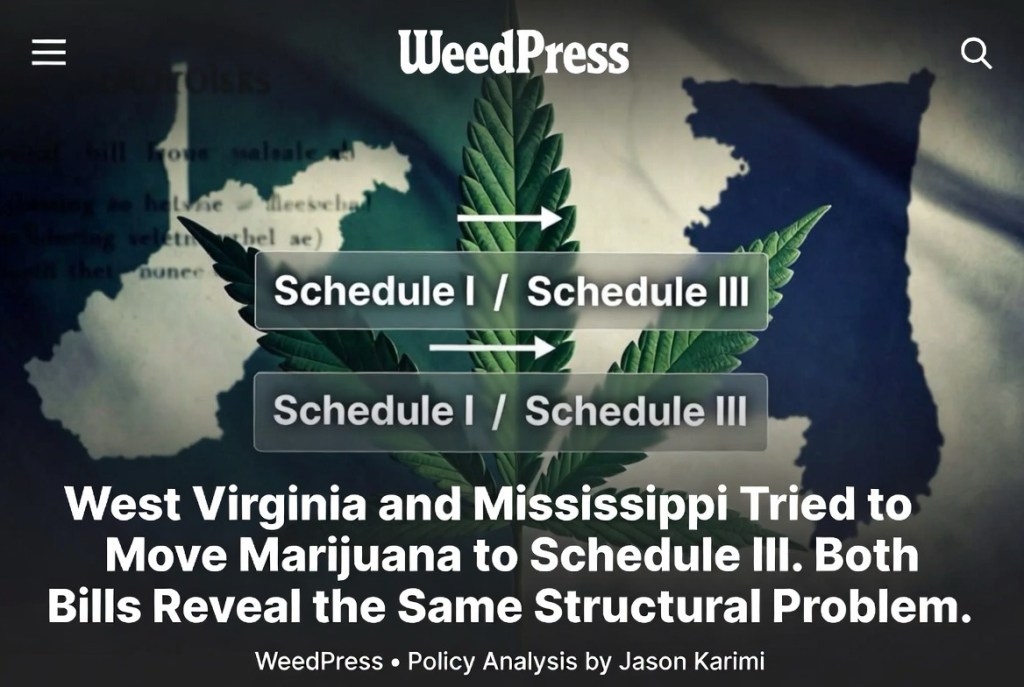
April 24, 2026 West Virginia and Mississippi each opened the 2026 session with a bill that would have done something their existing marijuana laws still refuse to do: move cannabis from Schedule I to Schedule III under state law.¹ ² Both proposals were straightforward on paper. West Virginia’s SB 809 would amend W. Va. Code…
-
WeedPress Blueprint Update 1
April 23, 2026 Tracker — newly surfaced / incremental developments since last sweep https://www.jdsupra.com/legalnews/the-week-in-weed-april-2026-3-9554026/ https://www.jdsupra.com/legalnews/the-week-in-weed-april-2026-3-9554026/ Priority watchlist shift: Rhode Island residency litigation + possible legislative cure is the most material new development in this run.
RFRA Updates
-
I Have Filed Notice to Participate in the DEA’s June 29 Rescheduling Hearing
Today I formally submitted my Notice of Intention to Participate in the DEA administrative hearing on the proposed rescheduling of marijuana from Schedule I to Schedule III (Docket No. DEA-1362), scheduled to begin June 29, 2026. This filing continues my 17-year record of cannabis policy advocacy and public commentary. It focuses on the interaction between…
-
Connecticut’s HB 5044 Is Not Just a Vaccine Bill. It Is a Legislative Rewrite of RFRA Mid-Litigation.
April 24, 2026 Connecticut’s HB 5044 is being sold as a vaccine-governance bill. In one sense, that is true: the bill deals broadly with immunization standards, the Department of Public Health’s authority, insurance coverage, and related vaccine-administration issues.¹ But buried inside that larger package is the provision that matters most for religious-liberty law: HB 5044…
-
West Virginia and Mississippi Tried to Move Marijuana to Schedule III. Both Bills Reveal the Same Structural Problem.
April 24, 2026 West Virginia and Mississippi each opened the 2026 session with a bill that would have done something their existing marijuana laws still refuse to do: move cannabis from Schedule I to Schedule III under state law.¹ ² Both proposals were straightforward on paper. West Virginia’s SB 809 would amend W. Va. Code…
-
The State of Religious Freedom in America in 2026: Strong but Uneven Protection Across the States
April 21, 2026 State-level protection for religious exercise in 2026 is both stronger and less uniform than many summary accounts suggest. Roughly thirty states are commonly identified as having enacted statutory Religious Freedom Restoration Acts (“RFRAs”), while a smaller additional set is often described as providing RFRA-like protection through state constitutional doctrine. The trend is…
-
No. 19 — Religious Accommodation in Medical-Only Cannabis States
No. 19 — Religious Accommodation in Medical-Only Cannabis States: Structural Litigation Risk and Legislative Design By Jason Karimi | WeedPress Policy Series No. 19April 20, 2026 ⸻ I. Introduction: The Unaddressed Gap Medical-only cannabis states operate within a tightly regulated framework. Cultivation is limited. Home grows require registration. Plant counts are capped. Inspections are authorized.…
-
The Record Is the Case: Religious-Cannabis Claims Are Won Long Before the Judge Rules
The Record Is the Case: Religious-Cannabis Claims Are Won Long Before the Judge Rules By Jason Karimi | WeedPress April 14, 2026 Religious-cannabis cases are not won on sympathy. They are not won on slogans. They are not won because a claimant sounds sincere in the hallway or because a cause feels morally compelling in…
Upcoming Events
-
I Have Filed Notice to Participate in the DEA’s June 29 Rescheduling Hearing
Today I formally submitted my Notice of Intention to Participate in the DEA administrative hearing on the proposed rescheduling of marijuana from Schedule I to Schedule III (Docket No. DEA-1362), scheduled to begin June 29, 2026. This filing continues my 17-year record of cannabis policy advocacy and public commentary. It focuses on the interaction between…
-
I Spent 17 Years Arguing for Federal Cannabis Legitimacy. Now Small Operators Are About to Learn What That Means.
I have spent most of my adult life arguing that state medical cannabis programs could not survive forever as legally tolerated gray markets.¹ They needed federal recognition. They needed treaty analysis. They needed administrative pathways. They needed constitutional pressure. They needed people willing to say the uncomfortable thing before the institutions were ready to admit…
-
Why South Dakota’s Own Statutes Now Make Schedule I Marijuana Unlawful to Maintain
“Acting Attorney General Todd Blanche is placing both FDA-approved drug products containing marijuana, and medicinal marijuana products subject to a qualifying state-issued license in Schedule III under his authority to reschedule drugs to carry out the United States’ obligations under the Single Convention on Narcotic Drugs.”¹ South Dakota, however, is not automatically bound by that…
-
South Dakota’s Schedule I Marijuana Prohibition Heads to Court This Summer: Lawsuit Will Seek Declaration That State Law No Longer Satisfies Its Own Criteria
This summer I intend to file a civil action against the State of South Dakota seeking a judicial declaration that the state’s Schedule I classification of marijuana no longer satisfies the statutory criteria required for Schedule I placement under South Dakota law.¹ The claim is straightforward: once the factual predicate of “no accepted medical use”…
-

They Don’t Get To License The Press
Recent reporting indicates a Florida judge extended a temporary restraining order involving James O’Keefe and also ordered firearm surrender pending further proceedings. Whether that order is a pure First Amendment prior-restraint problem depends on what it actually forbids. If it regulates threats, contact, or violence, that is one thing; if it blocks publication, reporting, or…
-
Iowa Medical Cannabis Board Hearing Friday March 27 (DETAILS)
Meeting Information: March 27, 2026 – Medical Cannabidiol Board Beginning at 10:00am on Friday, March 27 the first Medical Cannabidiol Board meeting of 2026 will be held virtually using the information below: * For those who wish to participate in the public comment period virtually, please send an email to medical.cannabis@hhs.iowa.gov expressing your interest. You will use the zoom or…
For The Record (2026), By Jason Karimi
-
I Have Filed Notice to Participate in the DEA’s June 29 Rescheduling Hearing
Today I formally submitted my Notice of Intention to Participate in the DEA administrative hearing on the proposed rescheduling of marijuana from Schedule I to Schedule III (Docket No. DEA-1362), scheduled to begin June 29, 2026. This filing continues my 17-year record of cannabis policy advocacy and public commentary. It focuses on the interaction between…
-
DARE Poster Kid to Marijuana Regulation Advocate: My Unchanging Fight to Protect Kids
When I was in elementary school, the DARE program left a lasting impression. Officers visited regularly, warning us about the dangers of drugs and pushing the “just say no” message. I took it seriously. So when the school announced an anti-drug poster contest open to elementary students, I threw myself into creating something impactful. My…
-

Chapter 10: What Remains
Table of Contents Preface Chapter 1 — The First ArrestEarly rupture, authority, and the beginning of resistance Chapter 2 — Before the File Was Opened Gifted education, faith, discipline, and early legitimacy Chapter 3 — Becoming a ProblemWork, exhaustion, collapse, and the cost of visibility Chapter 4 — Learning the Language of PowerCourts, probation, jail, campaigns, and proximity to decision-makers…
-

Chapter 9: The Record vs. the Narrative
Table of Contents Preface Chapter 1 — The First ArrestEarly rupture, authority, and the beginning of resistance Chapter 2 — Before the File Was Opened Gifted education, faith, discipline, and early legitimacy Chapter 3 — Becoming a ProblemWork, exhaustion, collapse, and the cost of visibility Chapter 4 — Learning the Language of PowerCourts, probation, jail, campaigns, and proximity to decision-makers…
-

Chapter 8: What the Media Gets Wrong
Table of Contents Preface Chapter 1 — The First ArrestEarly rupture, authority, and the beginning of resistance Chapter 2 — Before the File Was Opened Gifted education, faith, discipline, and early legitimacy Chapter 3 — Becoming a ProblemWork, exhaustion, collapse, and the cost of visibility Chapter 4 — Learning the Language of PowerCourts, probation, jail, campaigns, and proximity to decision-makers…
-

Chapter 7: Why I Never Left
Table of Contents Preface Chapter 1 — The First ArrestEarly rupture, authority, and the beginning of resistance Chapter 2 — Before the File Was Opened Gifted education, faith, discipline, and early legitimacy Chapter 3 — Becoming a ProblemWork, exhaustion, collapse, and the cost of visibility Chapter 4 — Learning the Language of PowerCourts, probation, jail, campaigns, and proximity to decision-makers…
-

Chapter 6: Staying Power
Table of Contents Preface Chapter 1 — The First ArrestEarly rupture, authority, and the beginning of resistance Chapter 2 — Before the File Was Opened Gifted education, faith, discipline, and early legitimacy Chapter 3 — Becoming a ProblemWork, exhaustion, collapse, and the cost of visibility Chapter 4 — Learning the Language of PowerCourts, probation, jail, campaigns, and proximity to decision-makers…
-

Chapter 5: The Apprenticeship
Table of Contents Preface Chapter 1 — The First ArrestEarly rupture, authority, and the beginning of resistance Chapter 2 — Before the File Was Opened Gifted education, faith, discipline, and early legitimacy Chapter 3 — Becoming a ProblemWork, exhaustion, collapse, and the cost of visibility Chapter 4 — Learning the Language of PowerCourts, probation, jail, campaigns, and proximity to decision-makers…
-

Chapter 4: Learning the Language of Power
Table of Contents Preface Chapter 1 — The First ArrestEarly rupture, authority, and the beginning of resistance Chapter 2 — Before the File Was Opened Gifted education, faith, discipline, and early legitimacy Chapter 3 — Becoming a ProblemWork, exhaustion, collapse, and the cost of visibility Chapter 4 — Learning the Language of PowerCourts, probation, jail, campaigns, and proximity to decision-makers…
-

Chapter 3: Becoming a Problem
Table of Contents Preface Chapter 1 — The First ArrestEarly rupture, authority, and the beginning of resistance Chapter 2 — Before the File Was Opened Gifted education, faith, discipline, and early legitimacy Chapter 3 — Becoming a ProblemWork, exhaustion, collapse, and the cost of visibility Chapter 4 — Learning the Language of PowerCourts, probation, jail, campaigns, and proximity to decision-makers…
-

Chapter 2: Before the File Was Opened
Table of Contents Preface Chapter 1 — The First ArrestEarly rupture, authority, and the beginning of resistance Chapter 2 — Before the File Was Opened Gifted education, faith, discipline, and early legitimacy Chapter 3 — Becoming a ProblemWork, exhaustion, collapse, and the cost of visibility Chapter 4 — Learning the Language of PowerCourts, probation, jail, campaigns, and proximity to decision-makers…
-

“For The Record” Chapter 1: The First Arrest
The following 8,580 word book is ten chapters long and written for future advocates. FOR THE RECORD How Power Actually Works—and Why Documentation Outlasts the Narrative By Jason Karimi Table of Contents Preface Chapter 1 — The First ArrestEarly rupture, authority, and the beginning of resistance Chapter 2 — Before the File Was Opened Gifted…
Commentary
-
Dead Sea Scrolls Prove Book of Enoch Was Canonical During Jesus Time
The Dead Sea Scroll Proof Between 1947–1956, the Dead Sea Scrolls were discovered at Qumran. Among them were at least 11 distinct Enoch manuscripts — more copies than many Old Testament books. That tells us something critical: Enoch was not fringe. It was core scripture for major Jewish communities before Jesus. What the Scrolls show:…
-
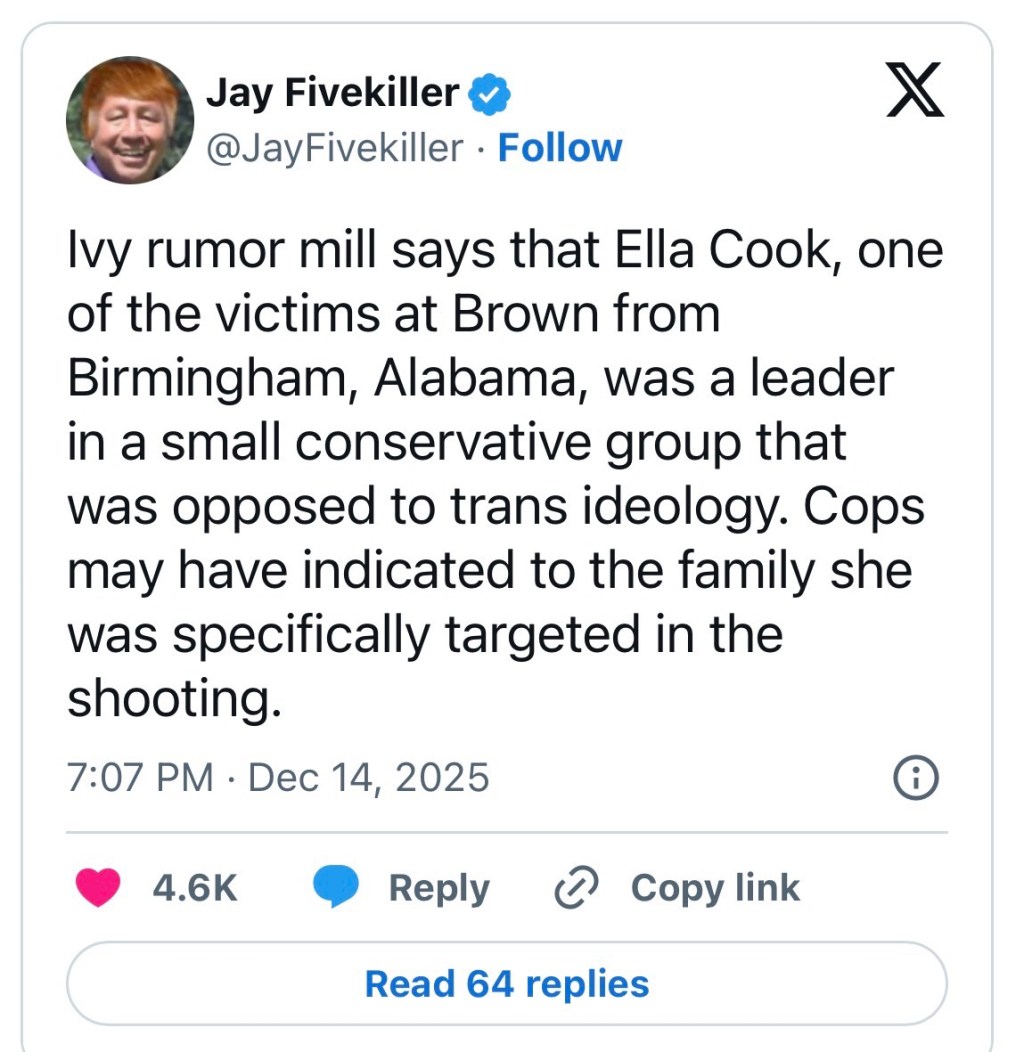
WeedPress Warned Political Violence Was Increasing And Now A 19 Year Old Was Assassinated
I met with Governor Kim Reynolds with the head of the Iowa College Republicans and other leaders in 2017 to warn political violence with my college activist group was on the rise. My colleague at Iowa State, Ryan Hurley, former President of Young Americans for Liberty at Iowa State, testified to the Governor he was…
-
“Unlocked Potential: Small Businesses in the Cannabis Industry”
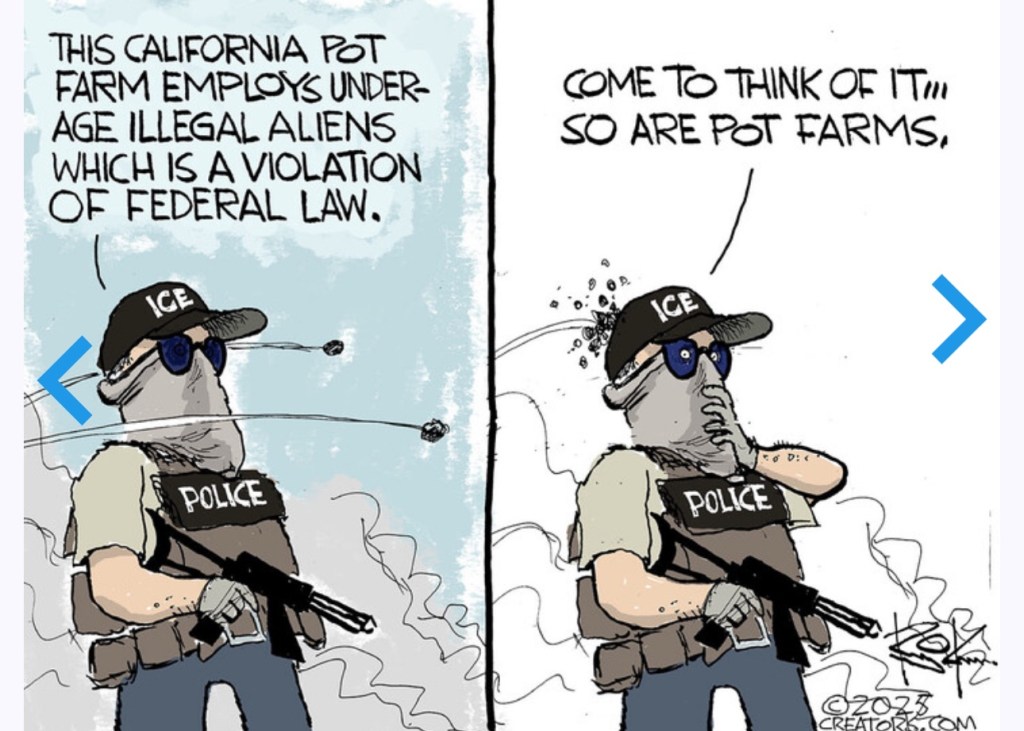
In 2019, senior legal fellow Paul J. Larkin Jr. provided testimony titled “Unlocked Potential: Small Businesses in the Cannabis Industry” before the U.S. House Small Business Committee. Key Points on Business Impacts and Policy Recommendations • Differential Impacts: The testimony acknowledges that federal prohibition creates barriers for all cannabis businesses but notes that small operators…
-
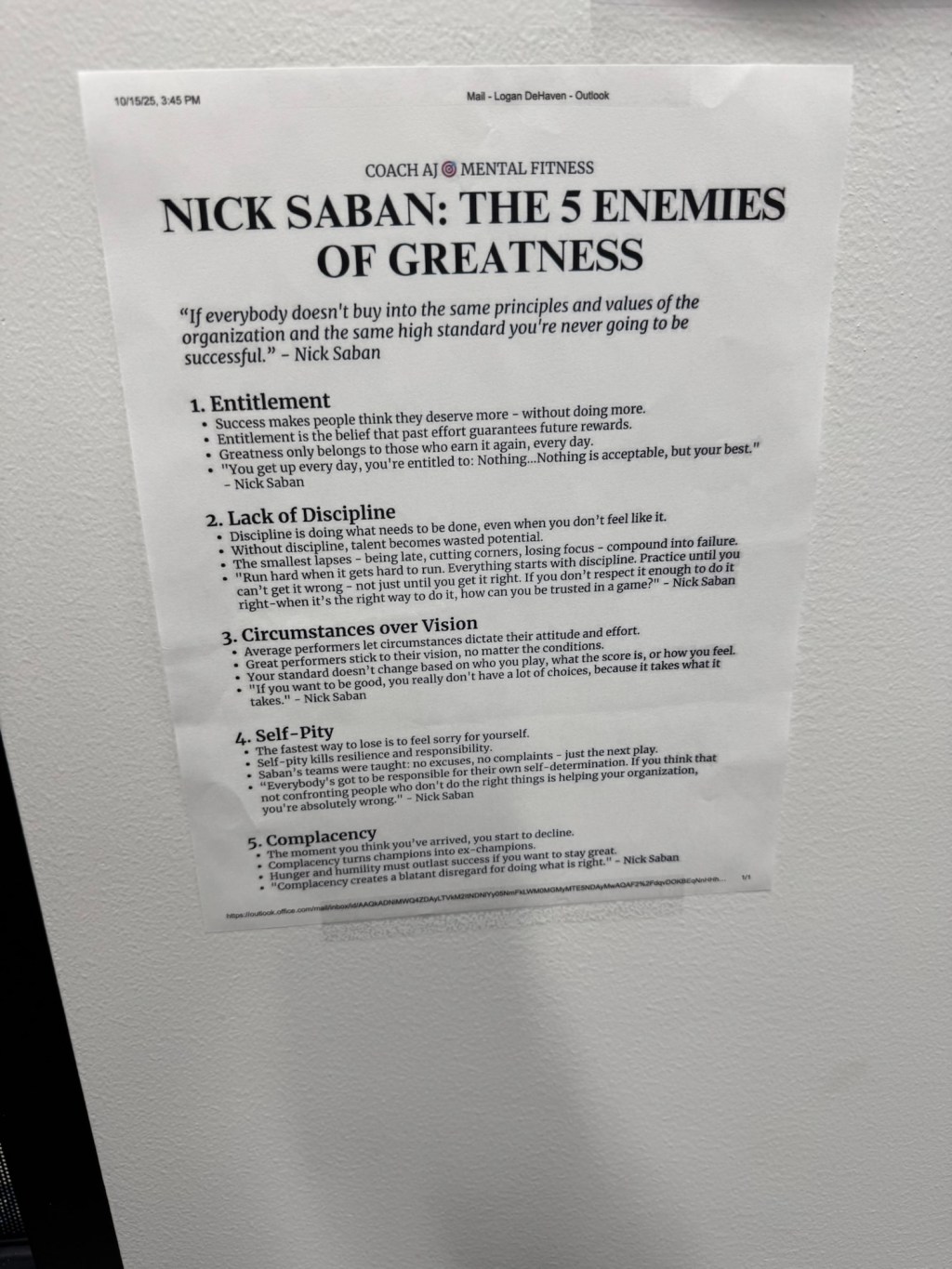
The Five Enemies Of Greatness
Spotted at a Sioux Falls Vern Eide dealership fix it ticket for camera security today.
-
“Code of the West” Covers Montana’s Failed Effort To Repeal Marijuana Laws
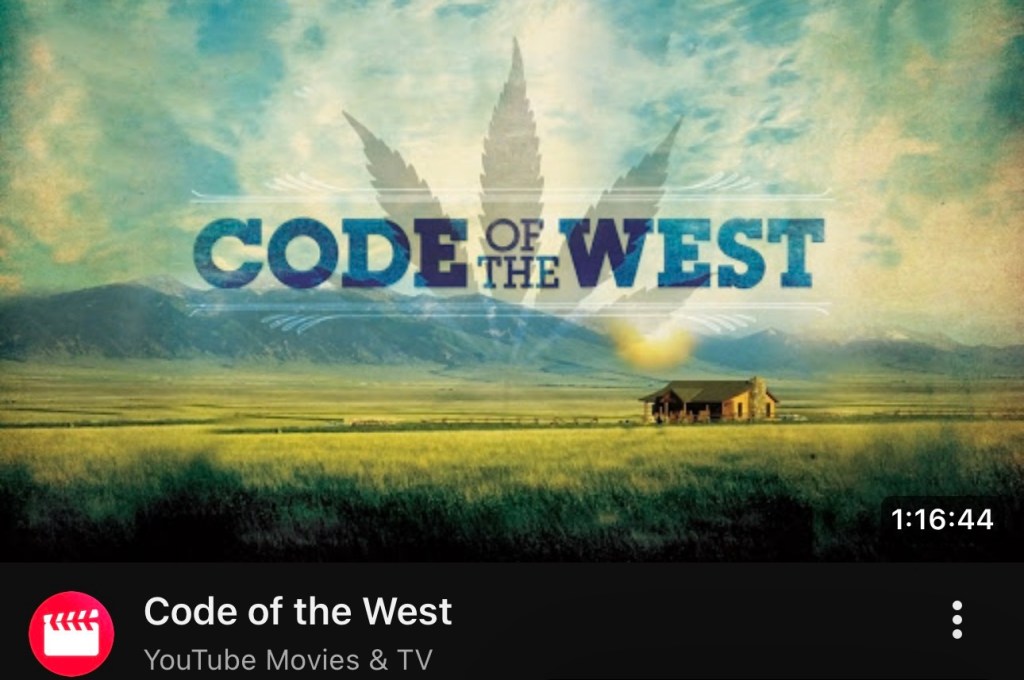
Year: 2012 At a time when the world is rethinking its drug policies large and small, one state rises to the forefront. Once a pioneer in legalizing medical marijuana, the state of Montana may now become the first to repeal its medical marijuana law. Set against the sweeping vistas of the Rockies, the steamy lamplight…
-
How Kim Reynolds Bullied Iowa City Council Members Out of Decriminalizing Marijuana
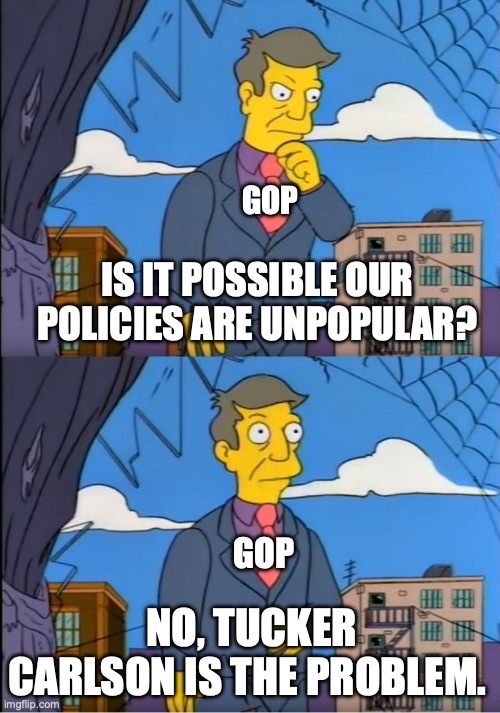
Iowa city council members who wished to decriminalize marijuana tell Iowa cannabis activists Kim Reynolds threatened to take away city funds from the state if the city council pursues marijuana decriminalization. As of today Kim Reynolds is the most unpopular governor in the country. Republicans stifling debate on a winning political issue using threats to…
-
RFRA Changes The Cannabis Game; Fulfills My Prediction Religious Cannabis Constitutional Claims
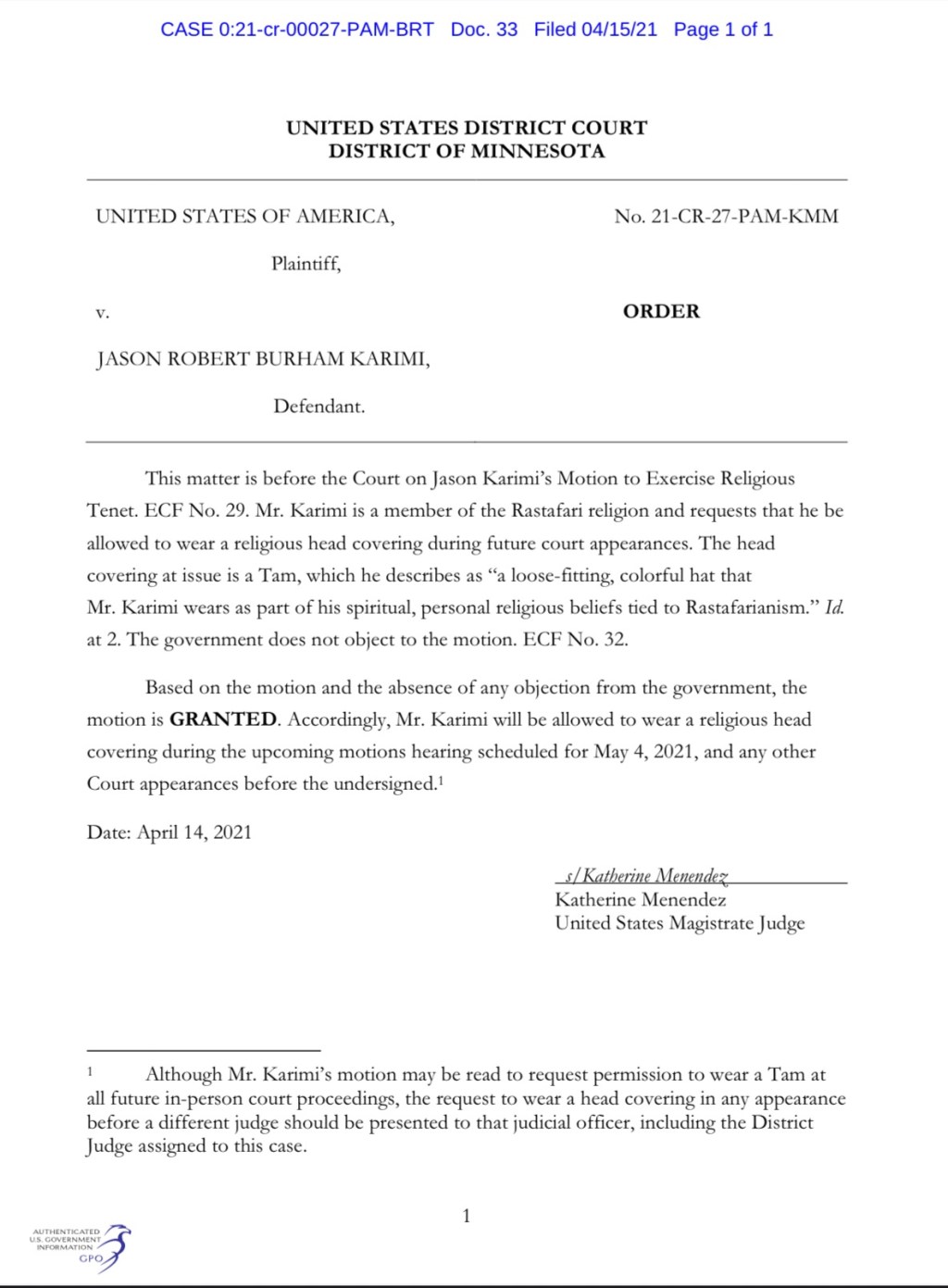
Prior to RFRA state laws, I argued the first amendment right to religion would bring constitutional rulings for individuals protecting religious access to cannabis in private prayer. I think this is still the inevitable end result of cannabis litigations. There are several things to note about the RFRA.
-

Patient Perspectives
-
1,000 Views In Ten Days
Haven’t seen reach like this since 2014 on WeedPress, but back then I was the main public figure lobbying for medical cannabis in Iowa and ran all the top social media pages. Today I don’t even post to social media…who could possibly be reading my words on their screens? Hmmmmm. So…weird. Did something of significance…
-
I Spent 17 Years Arguing for Federal Cannabis Legitimacy. Now Small Operators Are About to Learn What That Means.
I have spent most of my adult life arguing that state medical cannabis programs could not survive forever as legally tolerated gray markets.¹ They needed federal recognition. They needed treaty analysis. They needed administrative pathways. They needed constitutional pressure. They needed people willing to say the uncomfortable thing before the institutions were ready to admit…
-
Stork Just Sent a Researcher to WeedPress: What Academic Tools Mean for Cannabis Policy Analysis
Independent statutory deep-dives are showing up alongside peer-reviewed literature in researchers’ workflows. It’s not every day your analytics dashboard lights up with a referrer you’ve never seen before. Today, May 5, 2026, WeedPress received a visit from paper-box.co — the domain tied to Stork (storkapp.me), a specialized publication-tracking and research intelligence platform used by academics,…
-
The South Dakota Board of Pharmacy and the April 2026 Federal Partial Rescheduling: An Implementing Role in a Layered Statutory Framework
The federal government’s April 2026 partial rescheduling of marijuana—placing FDA-approved products and marijuana subject to a qualifying state-issued medical marijuana license into Schedule III while leaving most adult-use marijuana in Schedule I—has created new conformity pressures for mature medical cannabis states.¹ South Dakota illustrates one variant of this federalism challenge. Unlike states with a single…
-
The Post-Announcement Phase of Cannabis Rescheduling: What the June DEA Hearing Means, What States May Have to Change, and What to Watch Next
The most important cannabis-law story in the country is no longer the announcement that part of the marijuana market has been moved into Schedule III. It is the implementation phase that follows. In April 2026, the Department of Justice and the Drug Enforcement Administration took the unusual step of immediately placing state-licensed medical marijuana and…
-

South Dakota Medical Cannabis Prices vs. Colorado and Washington: Why Patients Pay WAY More in the Mount Rushmore State
South Dakota’s medical cannabis program was designed to provide safe, legal access for qualifying patients. Yet current dispensary prices for flower — the most common form of medicine — remain dramatically higher than in mature recreational markets like Colorado and Washington. This price gap directly burdens patients, limits access, and undermines the voter-approved goal of…
 WeedPress: The Paper Trail