
Featured Analysis
-

New Approach South Dakota Leadership Faces Down $800,000 Unpaid Rent Allegation, Foreclosure, and Domestic Assault Case
Reports state that the for-profit company associated with far-left radicals at New Approach South Dakota is approximately $800,000 behind on rent at its cultivation facility.¹ No public court filing or Department of Health document currently confirms that amount.² What is on the public record is a set of personal legal matters involving New Approach South…
-

WeedPress Requests Five Years of MMOC Communications with Outside Groups
WeedPress has submitted an open records request to the Legislative Research Council for communications and participation involving outside individuals and organizations in the Medical Marijuana Oversight Committee from October 19, 2021, through October 19, 2026.¹ The request seeks records concerning the Committee’s official business under SDCL § 34-20G-93, including emails, letters, text messages, attachments, speaker…
-
South Dakota Bishops Call Recreational Marijuana Use Intrinsically Evil. What Does Catholic Teaching Say About Legalization?
Does Catholic teaching necessarily condemn the legalization of a regulated adult-use market, or does it condemn the underlying non-therapeutic use while leaving room for different judgments about public policy? On October 16, 2026, Bishops Donald E. DeGrood of Sioux Falls and Scott E. Bullock of Rapid City issued a joint statement supporting Amendment L, a proposed…
-
Nebraska Built a Medical Cannabis Program That Sells Nothing Patients Can Actually Use
Nebraska voters approved a medical cannabis law that lets qualified patients possess up to five ounces. The Nebraska Medical Cannabis Commission then adopted permanent rules that ban several familiar forms of medical cannabis, including flower, vaping products, and infused foods, while the regulated supply chain remains incomplete.¹ Under the permanent rules approved by the Attorney…
-
Iowa Proposes State Schedule III Placement for Qualifying Medical Marijuana Products. South Dakota Still Has a Separate Scheduling Question.
Iowa’s Board of Pharmacy is proposing to temporarily place certain medical marijuana products in Schedule III under the Iowa Controlled Substances Act, following the federal government’s April 28 rescheduling order.¹ The proposal, published September 30 as Regulatory Analysis RA 26-323, would add qualifying marijuana, marijuana extracts, and naturally derived delta-9-tetrahydrocannabinols to Iowa’s Schedule III when…
-
South Dakota’s Attorney General Answered the Schedule III Question. The Department of Health Still Has Its Own Statute to Answer.
Official Opinion 26-06 concludes that the April 28, 2026 federal order moving certain state-licensed medical marijuana to Schedule III will likely have a negligible impact on South Dakota’s medical-marijuana program.¹ The opinion finds that 21 C.F.R. § 1301.13(k) supplies a registration pathway for manufacturers, distributors, and dispensers holding a qualifying state license, and that federal…
Policy
-
MMOC Agenda For October 13 2026 Meeting Includes Federal Rescheduling Discussion By AG Office
The discussion continues. Federal and international law matters. All of us need to work together to make the state regulate and implement its own program and laws and not be lead by the Feds without state input. To register to speak during public comment, go here: Register at https://sdlegislature.gov/testify/307903. The form is on the October…
-
Authorized Partnerships: Lay Participation in Administrative Process and the South Dakota Cannabis File
A July 2026 working paper by Anthony M. Bertelli treats lay participation in administration as more than a courtesy window on a proposed rule.¹ The claim is institutional, not sentimental. Carefully designed participation, he argues, can function as an “authorized partnership”: a legally structured encounter in which ordinary people help keep public administration tied to…
-
South Dakota’s Medical Marijuana Oversight Committee Meets October 13.
The South Dakota Legislature’s public schedule now lists a meeting of the Medical Marijuana Oversight Committee for Tuesday, October 13, 2026, at 11:00 a.m. in Room 362 at the State Capitol in Pierre.¹ For weeks the committee page showed the 2026 roster and the August materials and nothing else.² The date is now on the…
-

The Advantage Is Not Knowing More. It Is Knowing What to Do Next.
How mistakes, limited resources, and administrative law taught me to turn public information into decisions. There was a time when I thought the advantage was knowing something other people did not know. I do not think that anymore, after 17 obsessed years studying cannabis law and admin law as best as I can as often…
-
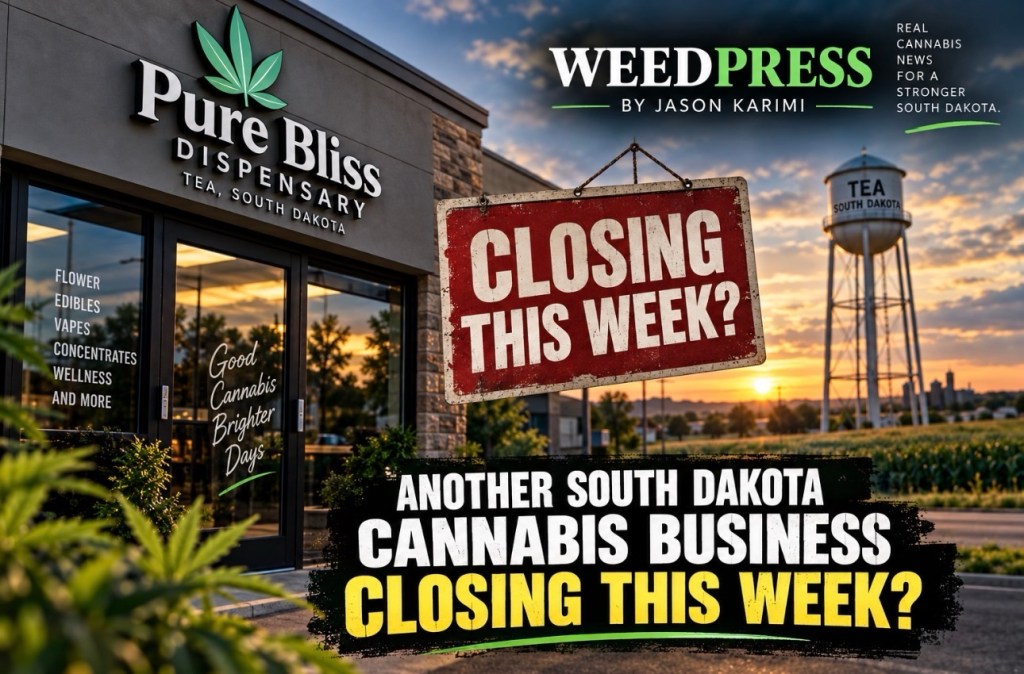
Pure Bliss Planned for Medical, Recreational and Expansion. Now Its Tea Dispensary Is Reportedly Closing.
Update 1: Pure Bliss confirmed via phone at the store on 9-27-26 is their last day and they are closing the dispensary permanently. A Reddit tip says the store will close September 27 while Pure Bliss Farms keeps growing. The closure is not yet confirmed—but the company’s original business plan raises a larger question about…
-
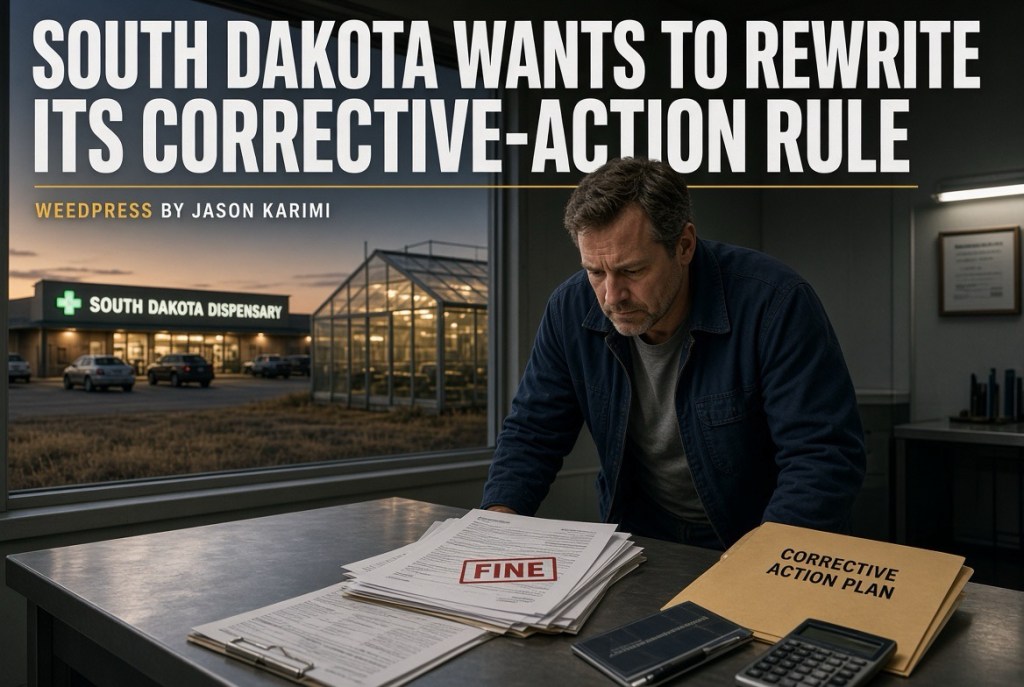
South Dakota Wants to Rewrite Its Corrective-Action Rule. The Fine Can Still Come With It.
The first article counted the amendments. This one reads the two enforcement sections together. South Dakota’s Department of Health is proposing to replace the first-offense dollar amounts for two categories of medical-cannabis violations with corrective-action plans.¹ That sounds straightforward until the Department’s proposed enforcement provisions are read together. Proposed § 44:90:12:11 says a first Category…
Law
-
New Approach South Dakota Leadership Faces Down $800,000 Unpaid Rent Allegation, Foreclosure, and Domestic Assault Case
Reports state that the for-profit company associated with far-left radicals at New Approach South Dakota is approximately $800,000 behind on rent at its cultivation facility.¹ No public court filing or Department of Health document currently confirms that amount.² What is on the public record is a set of personal legal matters involving New Approach South…
-
WeedPress Requests Five Years of MMOC Communications with Outside Groups
WeedPress has submitted an open records request to the Legislative Research Council for communications and participation involving outside individuals and organizations in the Medical Marijuana Oversight Committee from October 19, 2021, through October 19, 2026.¹ The request seeks records concerning the Committee’s official business under SDCL § 34-20G-93, including emails, letters, text messages, attachments, speaker…
-
South Dakota Bishops Call Recreational Marijuana Use Intrinsically Evil. What Does Catholic Teaching Say About Legalization?
Does Catholic teaching necessarily condemn the legalization of a regulated adult-use market, or does it condemn the underlying non-therapeutic use while leaving room for different judgments about public policy? On October 16, 2026, Bishops Donald E. DeGrood of Sioux Falls and Scott E. Bullock of Rapid City issued a joint statement supporting Amendment L, a proposed…
-
Nebraska Built a Medical Cannabis Program That Sells Nothing Patients Can Actually Use
Nebraska voters approved a medical cannabis law that lets qualified patients possess up to five ounces. The Nebraska Medical Cannabis Commission then adopted permanent rules that ban several familiar forms of medical cannabis, including flower, vaping products, and infused foods, while the regulated supply chain remains incomplete.¹ Under the permanent rules approved by the Attorney…
-
Iowa Proposes State Schedule III Placement for Qualifying Medical Marijuana Products. South Dakota Still Has a Separate Scheduling Question.
Iowa’s Board of Pharmacy is proposing to temporarily place certain medical marijuana products in Schedule III under the Iowa Controlled Substances Act, following the federal government’s April 28 rescheduling order.¹ The proposal, published September 30 as Regulatory Analysis RA 26-323, would add qualifying marijuana, marijuana extracts, and naturally derived delta-9-tetrahydrocannabinols to Iowa’s Schedule III when…
-
South Dakota’s Attorney General Answered the Schedule III Question. The Department of Health Still Has Its Own Statute to Answer.
Official Opinion 26-06 concludes that the April 28, 2026 federal order moving certain state-licensed medical marijuana to Schedule III will likely have a negligible impact on South Dakota’s medical-marijuana program.¹ The opinion finds that 21 C.F.R. § 1301.13(k) supplies a registration pathway for manufacturers, distributors, and dispensers holding a qualifying state license, and that federal…
Science
-
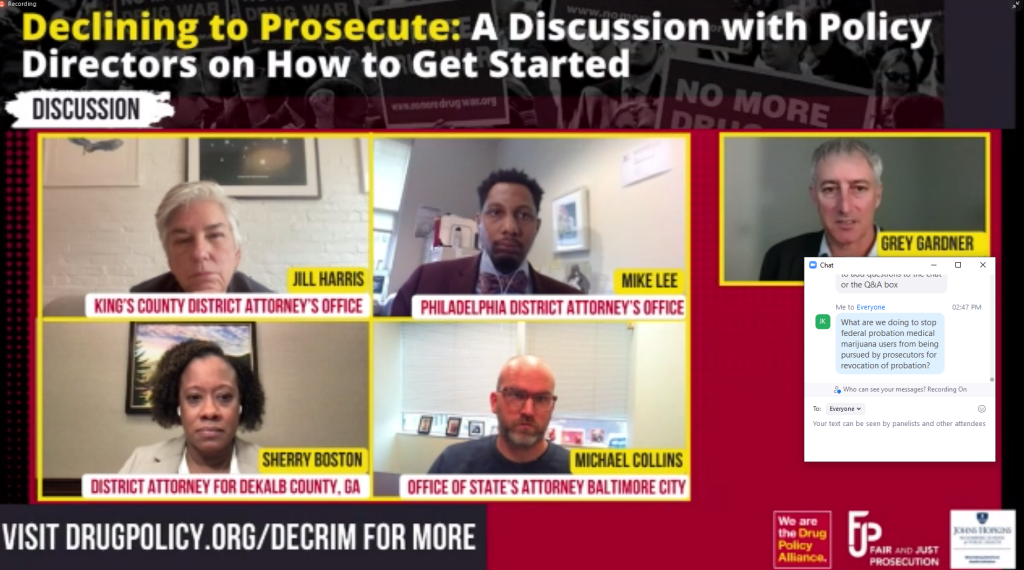
“Declining to Prosecute: A Discussion with Policy Directors on How to Get Started” Recording And Notes Here
Just received this email from last week’s drug policy panel. Watching doctors and prosecutors and DA office representatives around the country discussing best updated practices was very informative. My notes on this panel are here via WeedPress. Below is the email received this morning with future notes and critical links to presentations. Greetings, On behalf…
-

Meeting Information for February 11, 2022 Medical Cannabidiol Board Meeting
Meeting Information: February 11, 2022 Medical Cannabidiol Board Meeting Having trouble viewing? View this as a webpage2/7/2022Meeting Information for February 11, 2022 Medical Cannabidiol Board MeetingBeginning at 10:00am on Friday, February 11, the first Medical Cannabidiol Board meeting of 2022 will be held virtually using the information below:Zoom Link (click link to join during scheduled time)Pass Code: 2222Dial-in: 312.626.6799Pass Code: 2222Webinar…
-

Study: Cannabis Consumers Are Not Less Motivated Than Non-Users
Study: Cannabis Consumers Are Not Less Motivated Than Non-Users BY NORMLPOSTED ON FEBRUARY 3, 2022 Memphis, TN: Regular consumers of cannabis are more likely to engage in effort-related decision making tasks than are non-users, according to data published in the journal Experimental and Clinical Psychopharmacology. A team of researchers at the University of Memphis assessed motivation in a cohort of 47…
-

Join The Team: Help WeedPress Cover Iowa’s Cannabis Stories And Opinions
Any blogger or aspiring blogger who wants to write about Iowa cannabis related current events / Iowa cannabis news, and has some background in or ability to learn WordPress blogging, feel free to message WeedPress on Facebook. You’ll be your own author, under your own name, be enabled to publish, edit, and promote what you want, with…
-
Full Video From Latest Iowa Medical Cannabis Board Meeting — Increase In Dispensaries, Concerns About Telemedicine, More
For more information on Iowa’s medical cannabis program and how to get yourself a patient registration card, visit the link at https://www.idph.iowa.gov/omc/Medical-Cannabidiol-Board and click the links to the left hand side of the page. Also, here’s a copy of the Board’s slideshow presentation, which has data on patient registration numbers and sales. Below is information…
-
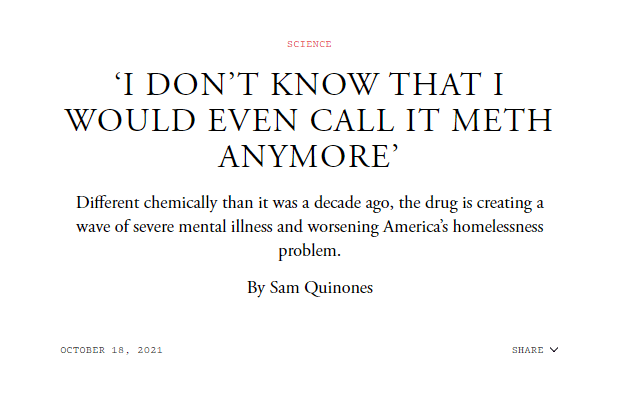
The “New Meth:” The Atlantic
If you’re working on drug policy, do not miss this article from the Atlantic on how a new form of meth is a likely factor contributing to violence, mental illness, and riots nationwide. Here’s an excerpt: “Once your eyes are open to the scale and human consequences of the P2P-meth epidemic, it’s hard to miss its…
Current Events
-
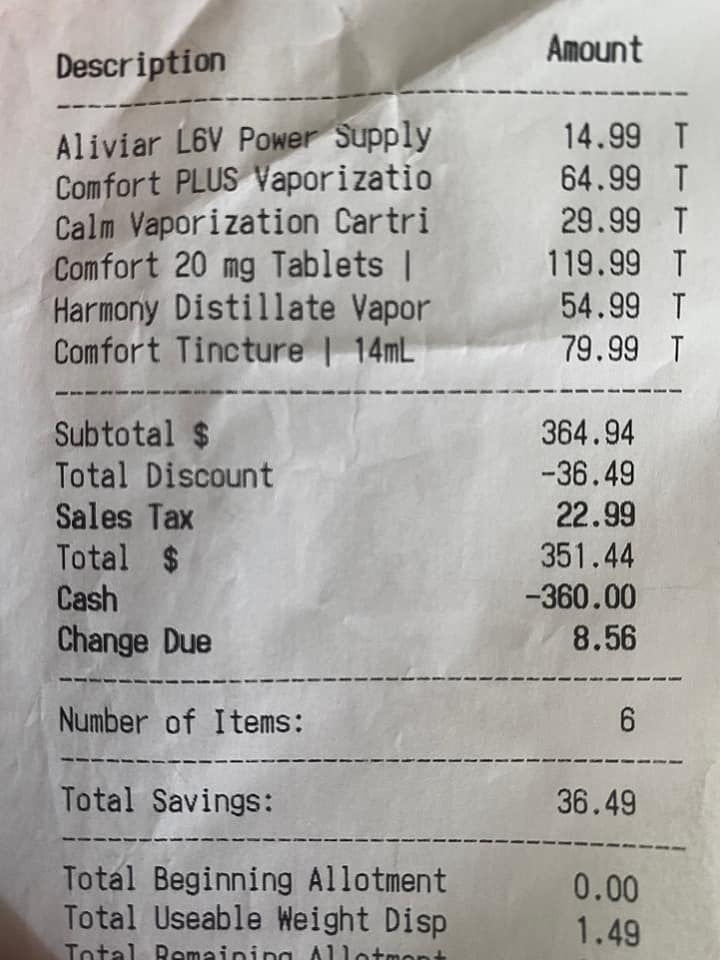
MedPharm Iowa dispensary receipt, version 2021 — 68% of Iowa Patients can’t afford these prices yet
The honest truth about Iowa’s marijuana prices for end user consumers is this: while comparable to other states, the black market is drastically cheaper. How much cheaper? You can buy four times as much marijuana if you do it illegally instead of using Iowa’s program. Here’s an example of a receipt from a recent purchase…
-

Sioux Falls Marijuana Dispensary Licensing Lottery Is Complete. Here Are The 5 Winners.
Genesis Farms 2. East River Farms 3. The Flower Shop 4. Dejavu SD 5. PJJ LLC News and photos on today’s events are taken from South Dakota cannabis activist Emmett Reistroffer’s Facebook updates, which are always insightful and appreciated. More media coverage available here at the Argus Leader: https://www.argusleader.com/story/news/2021/11/17/medical-marijuana-sioux-falls-dispensary-license-lottery-businesses-chosen/8652600002/?fbclid=IwAR3KmhDJOOI7rszQliuWgiqnNdTdci8xMUQdTXeMP2XB7Vsz7_nQvWF7J_U A noted activist in South Dakota…
-

Open Letter to Tucker Carlson: The Real Opioid Story
China, Mexico, pharmaceutical companies, Obama, Congress, the DEA… DEA agents, retiring from DEA, were hired by the dozens by drug dealers pharmaceutical corporations. These former DEA agents used their insider knowledge to pass new laws that protected the drug dealers pharmaceutical corporations from having their shipments of fentanyl pills seized by DEA. Pharma knows their…
-

“The Drug Industry’s Triumph Over the DEA” — Washington Post
I am copying and pasting this entire article below for my own edification. Drug industry lobbyists passed a bill back in 2016 to protect their drug profits, right as honest agents within the DEA were trying to take down international purveyors of death pills. Jesus Christ. — Jason https://www.washingtonpost.com/graphics/2017/investigations/dea-drug-industry-congress/ Amid a targeted lobbying effort, Congress…
-
AFP Applauds Republican House Members for Introduction of States Reform Act
AFP Applauds Republican House Members for Introduction of States Reform Act NOV 15, 2021 BY AFP Arlington, Va. – Americans for Prosperity (AFP) applauded Representative Nancy Mace for her introduction of the States Reform Act. This comprehensive reform of federal marijuana policy will restore states’ rights and allow state leaders to choose the best marijuana policies…
-
Police Group ENDORSES States Reform Act To Federally Decriminalize Cannabis
For Immediate Release: 15 November 2021 Contact: Denis McLaughlin denis@lawenforcementaction.org 202.780.6486 POLICE GROUP ENDORSES STATES REFORM ACT Fmr.Assistant Counsel to the U.S. House Judiciary Committee Offers Key Endorsement Washington, D.C. — On Monday, former Assistant Counsel to the U.S. House JudiciaryCommittee, Eric Sterling, offered the Law Enforcement Action Partnership’s officialendorsement of the States Reform Act.The…
Legislation
-

Lawmakers Filing Bills In Anticipation Of Federal Schedule 3 Change
Weedpress has been preparing to be ahead of the curve on this highway of federal law changes. Now that everyone else is trying to play catch up, and failing, WeedPress continues to stand by for anyone in the country wishing to gain clarity on the administrative procedures and legal necessities of this complex regulatory policy…
-

Iowa Lawmakers To Put Kratom Into Schedule One: SCOOP
Kratom, and its derivatives are being placed in Schedule One by lawmakers in Iowa. This is a developing story.
-
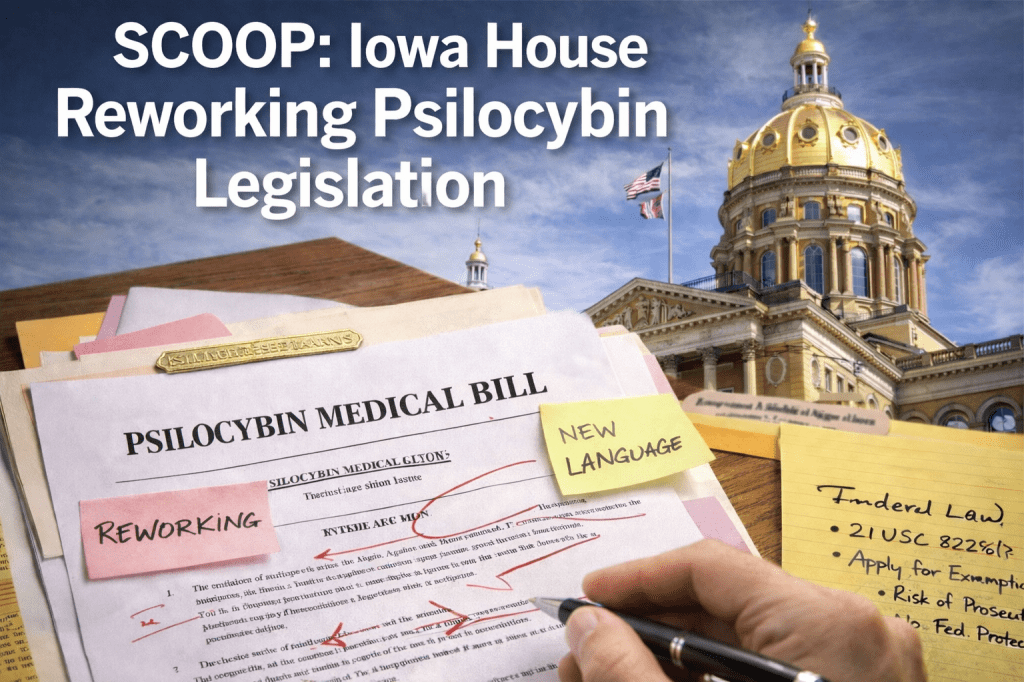
Iowa House Reworking Psilocybin Legislation: Scoop
Multiple legislative contacts tell WeedPress the bill that passed the House 84-6 last year to allow psilocybin mushrooms is being reworked. House File 978 is an Iowa bill to implement psilocybin regulation at the state level to create a state-regulated psilocybin program despite ongoing federal prohibition. HF 978, which passed the House 84-6, would establish…
-

New Action On Iowa Marijuana Bills Posted
New Action based on your list: Marijuana example. You requested to be notified of the following actions or changes to your watched bills and rules: Legislation HF 995A bill for an act relating to the issuance of a medical cannabidiol registration card to a person who is not a resident of Iowa.(Formerly HSB 240.)01/14/2026Referred to Health…
-

-
Nebraska Legislature Is Now In Session
The Nebraska Legislature is back in session. Senators have just 60 working days to conduct committee hearings and debate new priority bills, with bill introductions happening within the first ten days. Session Schedule and Duties According to the official legislative calendar: The Nebraska Unicameral began Day 1 of the 109th Legislature’s Second Regular Session on…
RFRA Updates
-

Iowa Found a Religious Cannabis Claim Sincere — Then Denied the Injunction Because Hemp Already Sells THC
A Polk County judge found Carl Olsen’s religious cannabis claim sincere but held that Iowa’s legal hemp market meant he had not shown that marijuana enforcement substantially burdened the particular religious exercise he presented.¹ The September 10, 2026 order in Olsen v. State of Iowa is not a ruling that sacramental cannabis is unprotected. It…
-

Nebraska First Freedom Act RFRA Appeal: Notes On General Language In Judicial Opinions
Türkiye Halk Bankası / Illinois v. Lidster: general language in an opinion is about the case then in front of the Court, not every later fact pattern. He is telling you not to treat a sentence from O Centro or a church case as a machine that prints a win for a lone probationer in…
-
$150: Paying for the Record in Nebraska’s First Freedom Act Appeal
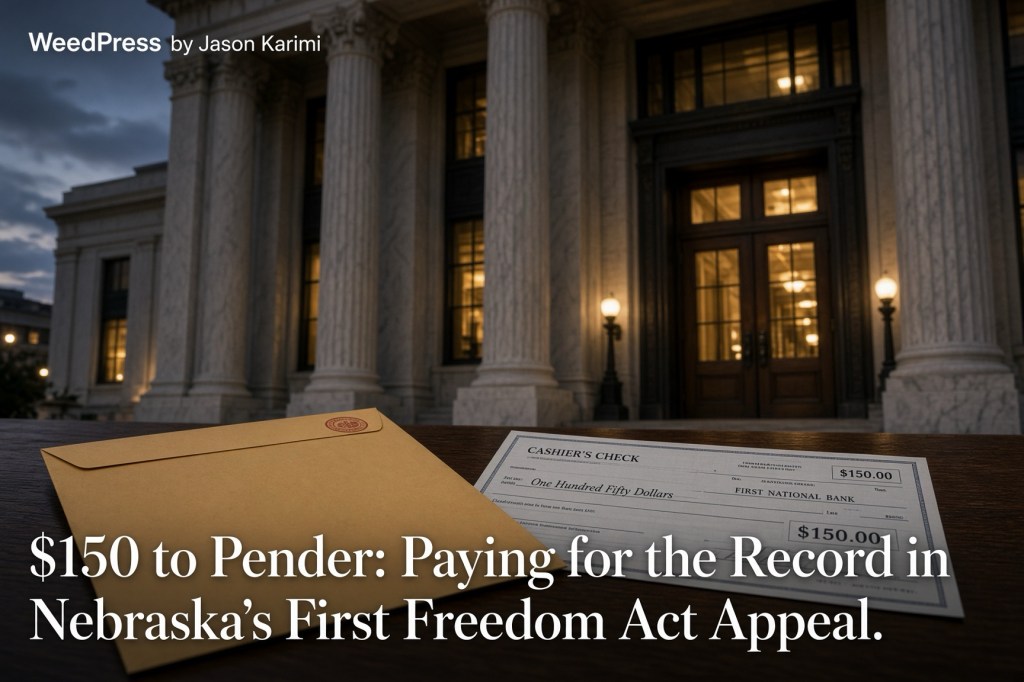
On Wednesday, August 26, 2026, I mailed a $150 cashier’s check to the Thurston County District Court at P.O. Box 216, Pender, Nebraska 68047. The check covers the estimated cost of the Bill of Exceptions for the April 8, 2026 evidentiary hearing on my request to modify a probation condition under Nebraska’s First Freedom Act.¹…
-

Court Said I Didn’t Prove My Religion Because I Didn’t Testify. I’m Appealing Under Nebraska’s Religious “First Freedom Act”
Today I filed a Notice of Appeal in Thurston County District Court challenging the July 1, 2026 Order that denied my motion to modify a probation condition under the Nebraska First Freedom Act. The motion I filed sought a narrowly tailored religious accommodation allowing sacramental cannabis use consistent with my practice of the Rastafari faith.…
-

Nebraska RFRA Appeal Argument, July 21, 2026
ARGUMENT I. The District Court Erred by Treating Defendant’s Personal Testimony as Effectively Indispensable to Establishing Sincerity Under the Nebraska First Freedom Act. The district court denied Defendant’s motion on the ground that he failed to establish a “sincerely held religious belief.” The court reasoned as follows: “There was no direct evidence of Defendant’s sincerely…
-
Clarifying the Burden of Proof on Religious Sincerity Under RFRA and the Nebraska First Freedom Act
This submission addresses the proper burden of proof regarding religious sincerity under the Religious Freedom Restoration Act (“RFRA”), 42 U.S.C. § 2000bb-1, and the Nebraska First Freedom Act, Neb. Rev. Stat. § 20-1701 et seq., in the context of a probation modification request seeking a religious exemption for the sacramental use of cannabis. Legal Standard:…
Upcoming Events
-
Online Workshop – Candidate Vulnerability Assessment
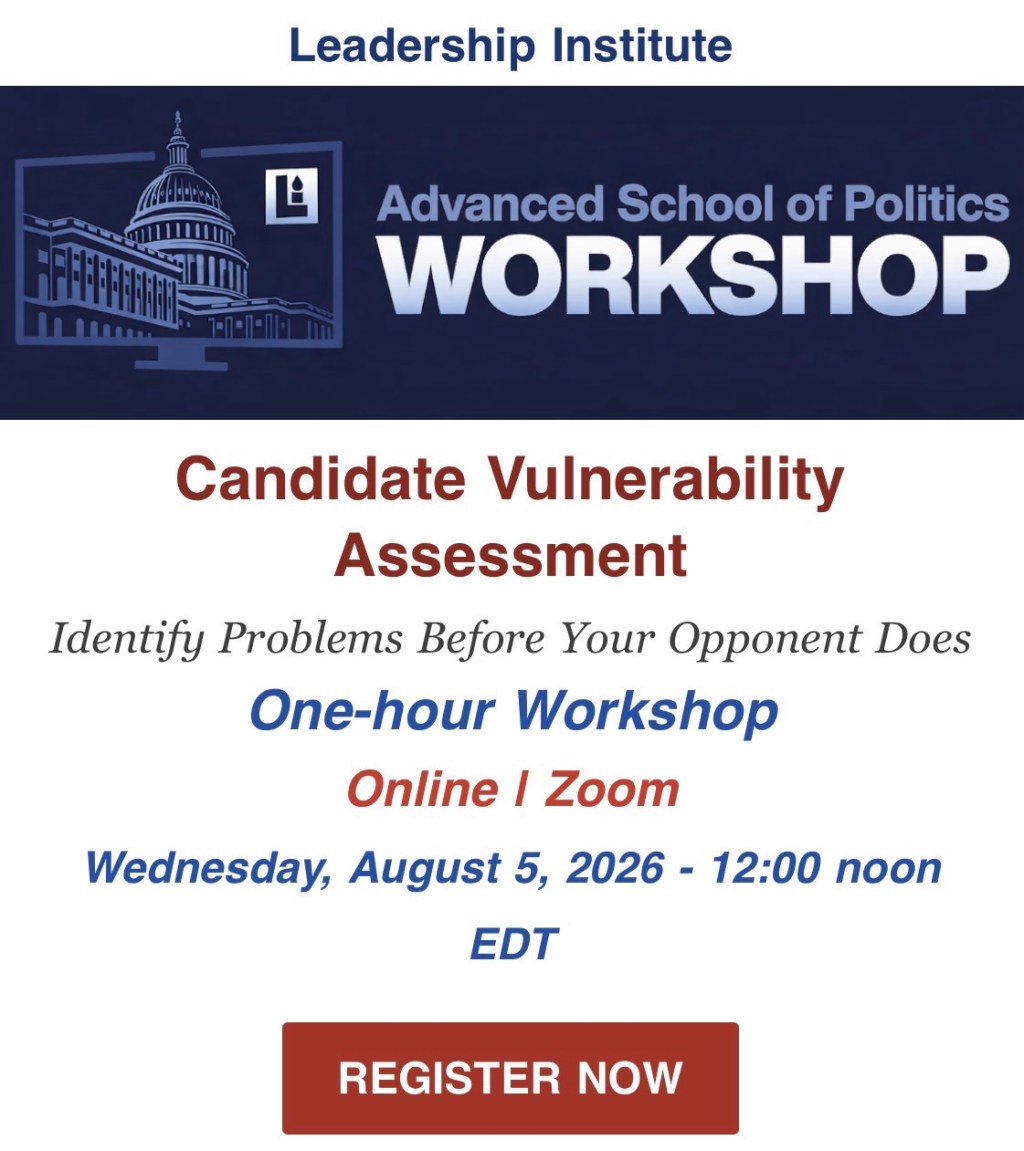
Every candidate enters a race with potential vulnerabilities. These may include previous statements, professional history, financial records, social media activity, personal relationships, policy positions, or inconsistencies in the candidate’s public record. https://leadershipinstitute.org/event/701VL00000xvu8MYAQ Campaigns often devote significant time and resources to researching their opponents while failing to conduct the same level of research on their own…
-

Indigenous Women’s Medicine Wheel Ride – August 9 Sturgis (Sign Up Here)
I’ll be on this ride at Sturgis this year on the marijuana Harley ultra glide. Go to the guy with the reggae blasting to link. Prayer at 8:30. Bring your safety gear as well. $60 registration. Follow Doodle On A Motorcycle on YouTube for updates. Ride starts at Outlaw Square. Register here: https://www.medicinewheelride.org/ Who We…
-

The June 27 DEA Registration Deadline Is Coming Fast: South Dakota Operators Face a Compliance Cliff as the Safe Harbor Window Closes
With the June 27 DEA registration deadline approaching, the following analysis examines the practical timeline and compliance pressures facing South Dakota operators. South Dakota’s licensed medical cannabis operators now have roughly 29 days to secure critical federal protections before the expedited DEA registration window closes. On April 28, 2026, the Department of Justice and Drug…
-

Advance Notice to South Dakota Department of Health: Petition for Scheduling Review Will Follow Federal Rescheduling Hearings
South Dakota’s medical cannabis program stands at a critical juncture following the federal partial rescheduling of certain marijuana products to Schedule III.¹ After the DEA’s June 29, 2026 rescheduling hearing concludes, the undersigned will formally petition the South Dakota Department of Health (DOH) to review and align the state’s Schedule I classification of marijuana with…
-

Why South Dakota’s Own Statutes Now Make Schedule I Marijuana Unlawful to Maintain
“Acting Attorney General Todd Blanche is placing both FDA-approved drug products containing marijuana, and medicinal marijuana products subject to a qualifying state-issued license in Schedule III under his authority to reschedule drugs to carry out the United States’ obligations under the Single Convention on Narcotic Drugs.”¹ South Dakota, however, is not automatically bound by that…
-

South Dakota’s Schedule I Marijuana Prohibition Heads to Court This Summer: Lawsuit Will Seek Declaration That State Law No Longer Satisfies Its Own Criteria
This summer I intend to file a civil action against the State of South Dakota seeking a judicial declaration that the state’s Schedule I classification of marijuana no longer satisfies the statutory criteria required for Schedule I placement under South Dakota law.¹ The claim is straightforward: once the factual predicate of “no accepted medical use”…
For The Record (2026), By Jason Karimi
-
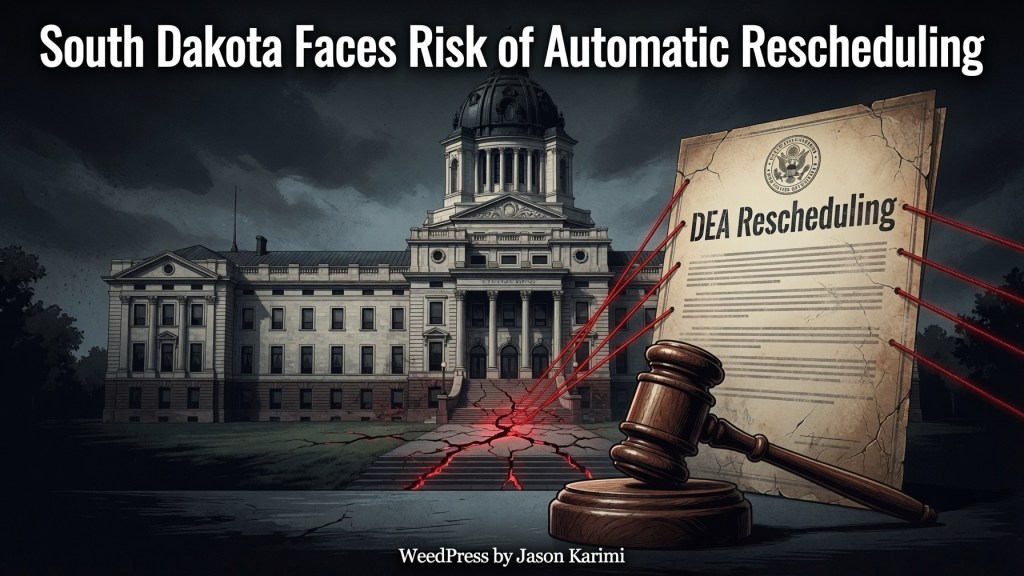
South Dakota Faces Risk of Automatic Rescheduling Under Existing Statutory Language
The recent action by Wyoming’s Attorney General demonstrates that states are increasingly recognizing the legal significance of federal marijuana rescheduling where state statutes incorporate federal scheduling decisions. South Dakota’s existing statutory language raises similar questions that should be addressed before federal reform takes effect. WeedPress has previously warned that South Dakota law contains automatic trigger…
-
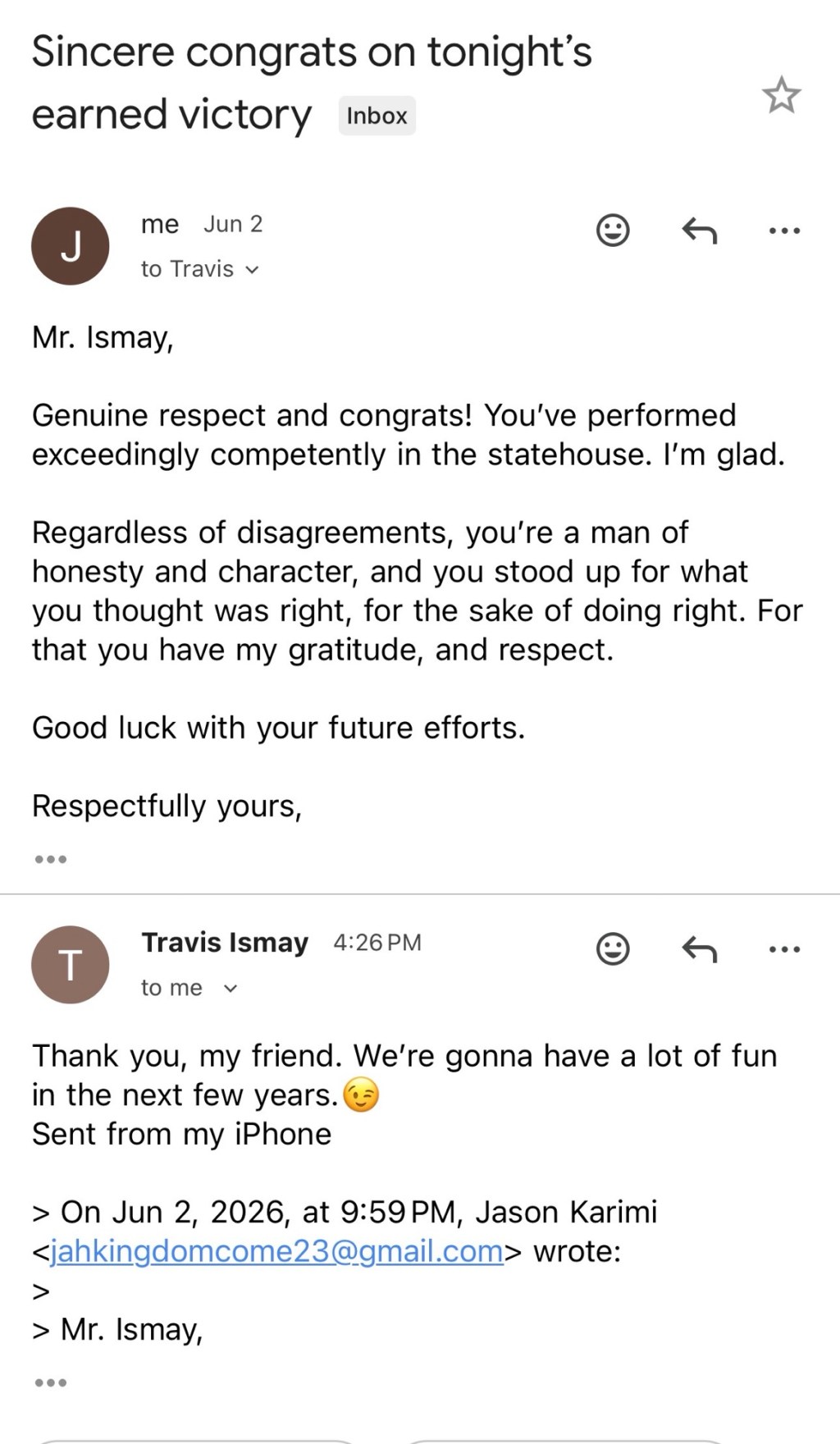
Travis Ismay Responds to My Congratulatory Email: A Small Step Toward Civil Discourse in South Dakota Politics
Yesterday, Rep. Travis Ismay (R-House District 28B) replied to the congratulatory email I sent him shortly after his decisive Republican primary victory on June 2.¹ For context, here is the full exchange: My email (June 2, 2026): For context, here is the full exchange: It’s a brief, gracious response — and one I appreciate. Background…
-

DARE Poster Kid to Marijuana Regulation Advocate: My Unchanging Fight to Protect Kids
When I was in elementary school, the DARE program left a lasting impression. Officers visited regularly, warning us about the dangers of drugs and pushing the “just say no” message. I took it seriously. So when the school announced an anti-drug poster contest open to elementary students, I threw myself into creating something impactful. My…
-

Chapter 10: What Remains
Table of Contents Preface Chapter 1 — The First ArrestEarly rupture, authority, and the beginning of resistance Chapter 2 — Before the File Was Opened Gifted education, faith, discipline, and early legitimacy Chapter 3 — Becoming a ProblemWork, exhaustion, collapse, and the cost of visibility Chapter 4 — Learning the Language of PowerCourts, probation, jail, campaigns, and proximity to decision-makers…
-

Chapter 9: The Record vs. the Narrative
Table of Contents Preface Chapter 1 — The First ArrestEarly rupture, authority, and the beginning of resistance Chapter 2 — Before the File Was Opened Gifted education, faith, discipline, and early legitimacy Chapter 3 — Becoming a ProblemWork, exhaustion, collapse, and the cost of visibility Chapter 4 — Learning the Language of PowerCourts, probation, jail, campaigns, and proximity to decision-makers…
-

Chapter 8: What the Media Gets Wrong
Table of Contents Preface Chapter 1 — The First ArrestEarly rupture, authority, and the beginning of resistance Chapter 2 — Before the File Was Opened Gifted education, faith, discipline, and early legitimacy Chapter 3 — Becoming a ProblemWork, exhaustion, collapse, and the cost of visibility Chapter 4 — Learning the Language of PowerCourts, probation, jail, campaigns, and proximity to decision-makers…
-

Chapter 7: Why I Never Left
Table of Contents Preface Chapter 1 — The First ArrestEarly rupture, authority, and the beginning of resistance Chapter 2 — Before the File Was Opened Gifted education, faith, discipline, and early legitimacy Chapter 3 — Becoming a ProblemWork, exhaustion, collapse, and the cost of visibility Chapter 4 — Learning the Language of PowerCourts, probation, jail, campaigns, and proximity to decision-makers…
-

Chapter 6: Staying Power
Table of Contents Preface Chapter 1 — The First ArrestEarly rupture, authority, and the beginning of resistance Chapter 2 — Before the File Was Opened Gifted education, faith, discipline, and early legitimacy Chapter 3 — Becoming a ProblemWork, exhaustion, collapse, and the cost of visibility Chapter 4 — Learning the Language of PowerCourts, probation, jail, campaigns, and proximity to decision-makers…
-

Chapter 5: The Apprenticeship
Table of Contents Preface Chapter 1 — The First ArrestEarly rupture, authority, and the beginning of resistance Chapter 2 — Before the File Was Opened Gifted education, faith, discipline, and early legitimacy Chapter 3 — Becoming a ProblemWork, exhaustion, collapse, and the cost of visibility Chapter 4 — Learning the Language of PowerCourts, probation, jail, campaigns, and proximity to decision-makers…
-

Chapter 4: Learning the Language of Power
Table of Contents Preface Chapter 1 — The First ArrestEarly rupture, authority, and the beginning of resistance Chapter 2 — Before the File Was Opened Gifted education, faith, discipline, and early legitimacy Chapter 3 — Becoming a ProblemWork, exhaustion, collapse, and the cost of visibility Chapter 4 — Learning the Language of PowerCourts, probation, jail, campaigns, and proximity to decision-makers…
-

Chapter 3: Becoming a Problem
Table of Contents Preface Chapter 1 — The First ArrestEarly rupture, authority, and the beginning of resistance Chapter 2 — Before the File Was Opened Gifted education, faith, discipline, and early legitimacy Chapter 3 — Becoming a ProblemWork, exhaustion, collapse, and the cost of visibility Chapter 4 — Learning the Language of PowerCourts, probation, jail, campaigns, and proximity to decision-makers…
-

Chapter 2: Before the File Was Opened
Table of Contents Preface Chapter 1 — The First ArrestEarly rupture, authority, and the beginning of resistance Chapter 2 — Before the File Was Opened Gifted education, faith, discipline, and early legitimacy Chapter 3 — Becoming a ProblemWork, exhaustion, collapse, and the cost of visibility Chapter 4 — Learning the Language of PowerCourts, probation, jail, campaigns, and proximity to decision-makers…
Commentary
-
What Did Charlie Kirk Teach Americans?
On the one year anniversary when peaceful, polite, kind, remarkably respectful public dialogue assassinated Charlie Kirk’s service to humanity, a new resolve: stop explaining to an indifferent and uninterested public, and just file paperwork. Put up and shut up saves energy. Some people cannot be reasoned with. Some are emotional wack jobs. I used to…
-
The Dunning–Kruger Effect Is Not a Meme. It Is a Warning About Who Gets to Talk With Certainty
The popular version of the Dunning–Kruger effect is a punchline: stupid people are loud, smart people are humble. That is not what the research says, and it is a sloppy way to run a public argument. The actual claim is narrower and more useful. In domains that require skill, the same gaps that produce bad…
-
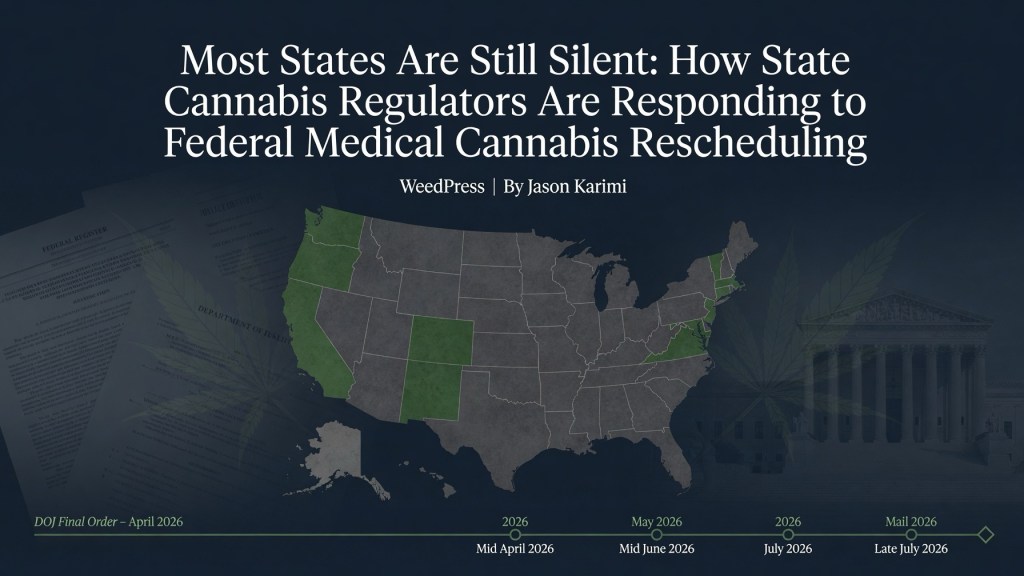
Most States Are Still Silent: How State Cannabis Regulators Are Responding to Federal Medical Cannabis Rescheduling
Three months after the Department of Justice issued its final order placing qualifying state-licensed medical cannabis into Schedule III, state cannabis regulators remain far from unified. A review of official guidance issued through late July 2026 reveals a fragmented national response: only a handful of agencies have formally interpreted the federal change, while most have…
-
Online Workshop – Candidate Vulnerability Assessment
Every candidate enters a race with potential vulnerabilities. These may include previous statements, professional history, financial records, social media activity, personal relationships, policy positions, or inconsistencies in the candidate’s public record. https://leadershipinstitute.org/event/701VL00000xvu8MYAQ Campaigns often devote significant time and resources to researching their opponents while failing to conduct the same level of research on their own…
-

The July 28 Runoff Is Small Enough for Cannabis Voters to Matter. Here’s the Math, South Dakota.
The Republican gubernatorial runoff is July 28. Toby Doeden faces incumbent Larry Rhoden. For people who care about the stability of South Dakota’s medical cannabis program, the question is straightforward: does a modest, targeted vote actually matter in this race? The numbers say yes — but only if the expectations stay realistic. What the June…
-
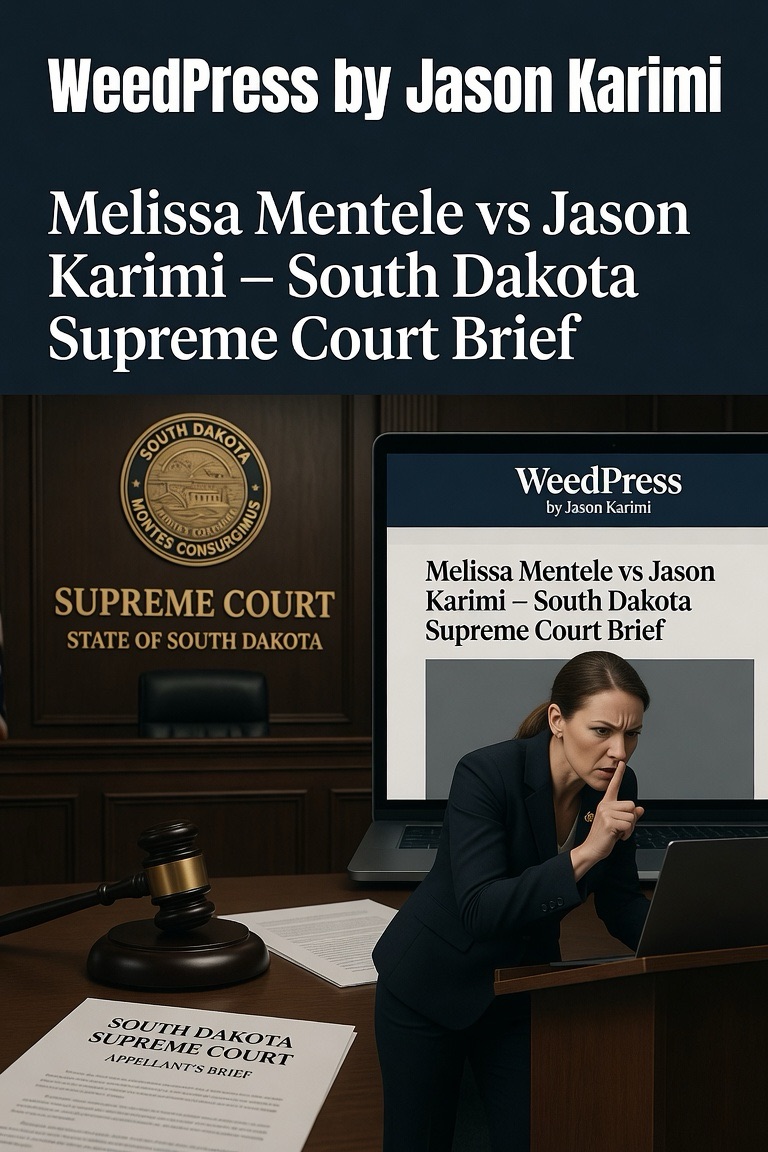
High-Conflict Personalities and Covert Sadism: Overlapping Patterns of Persistent Targeting
Understanding patterns of prolonged personal conflict requires more than one analytical lens. Two frameworks that frequently intersect are the high-conflict personality model and the concept of covert sadism described by former FBI agent Joe Navarro.¹ When examined side by side, these frameworks reveal significant overlap in how certain individuals escalate disputes, externalize blame, and sustain…
-
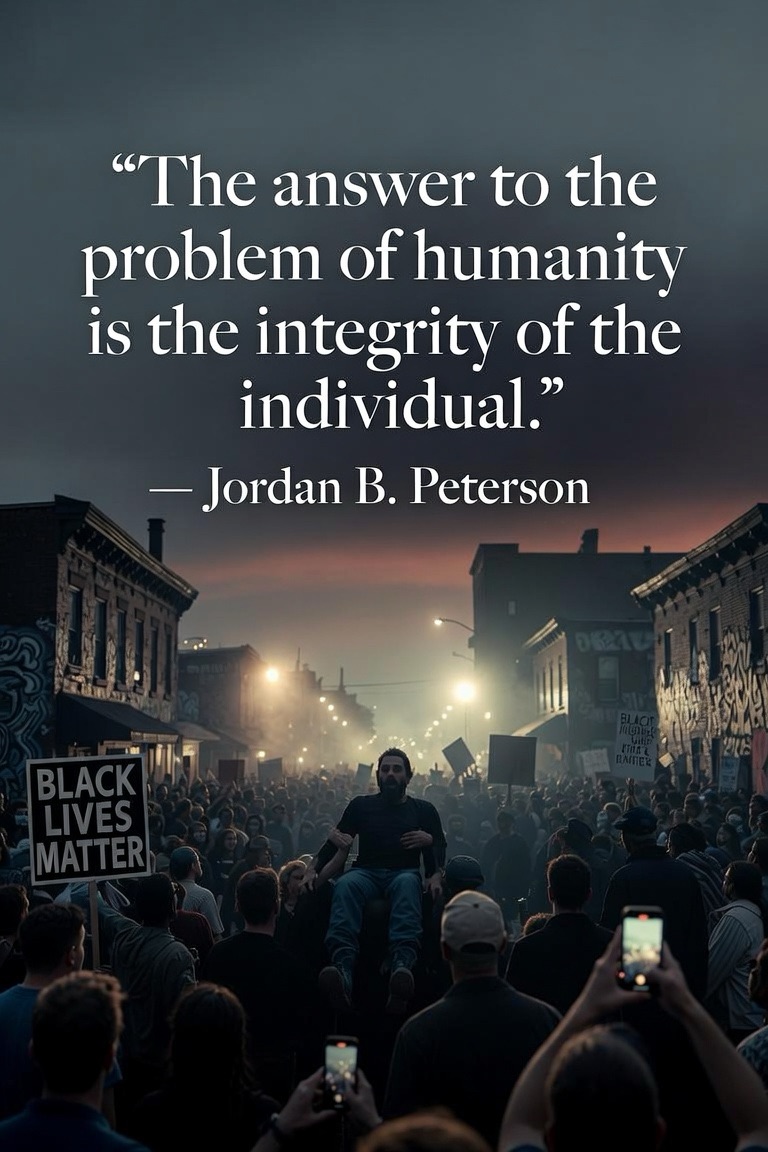
The Integrity of the Individual: Jordan Peterson’s Diagnosis of Societal Collapse and the Policy Failures That Turned a Minneapolis Arrest into Preventable Tragedy
In a lecture examining the psychology of those who embrace solitude as a forge for original thought and voluntary responsibility, Jordan B. Peterson returns to a recurring theme that cuts through every domain of human organization: “The answer to the problem of humanity is the integrity of the individual. That’s the answer. So states that…
-

Holy Shit. Was I Wrong? Homegrown May Be Federally Legal Now After All?
Just woke up to this idea: this section… …found here: https://www.ecfr.gov/current/title-21/chapter-II/part-1301/subject-group-ECFR0f5a129834f0129/section-1301.13#p-1301.13(k)(5) …may legally allow homegrown to be included under federal law after all. WeedPress previously warned homegrown may be illegal and to watch that closely: An absolute legend of the cannabis movement has filed with DEA to rule on the homegrown issue. No organization or…
-

Fixing A SD Courthouse Electrical Cabling For Gate Entrance
GSA, the General Services Administration, sent me out as an IT tech to troubleshoot a control panel issue at a gate for judges and attorneys to enter at a courthouse. Determined the electrical cable run at the gate was needing replaced. The GSA had me bend conduit and run a new cable which I didn’t…
-
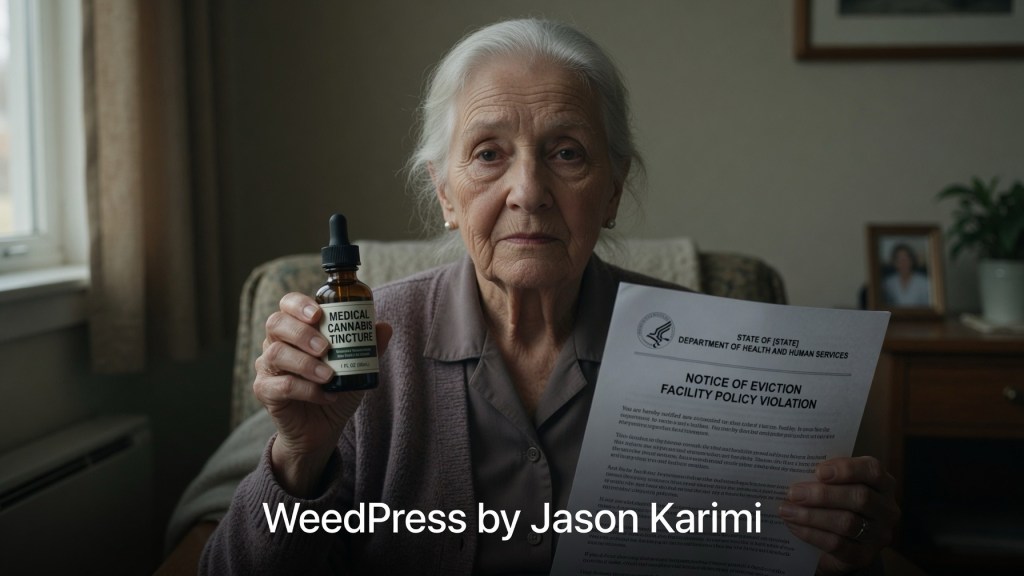
Watch DEA Rescheduling Hearing Updates Here All Week
The Dales Report is covering the daily play by plays for the DEA hearings on cannabis as a valid medicine: Get the patients off the battlefield, especially those in South Dakota nursing homes being discriminated against, or those in Iowa nursing homes in court this month fighting eviction over medical cannabis use, and THEN cry…
-

The Watchman’s Hour: 1 AM Reflections on Seventeen Years of Federal Exemption Vigilance
https://iowacapitaldispatch.com/2026/06/04/nursing-home-takes-regulators-to-court-over-residents-eviction/ Lately I wake up almost every night around 1 AM and stay awake for hours. Not from anxiety or restlessness in the ordinary sense, but with a clear, alert presence. The house is quiet. The world outside is sleeping. And my mind turns, as it has for years, to the intricate architecture of federal…
-

The Beautiful Game as Peacemaker: How the World Cup Is Revealing America’s Greatness to the World
In 2014, I was in Indiana at a national recruiting tournament for U.S. Soccer. I spent the week meeting MLS coaches and refereeing some of the best young players in the country. Between games I sat in a giant, air-conditioned referee tent with catered organic food and a massive screen tuned to the World Cup.…
Patient Perspectives
-
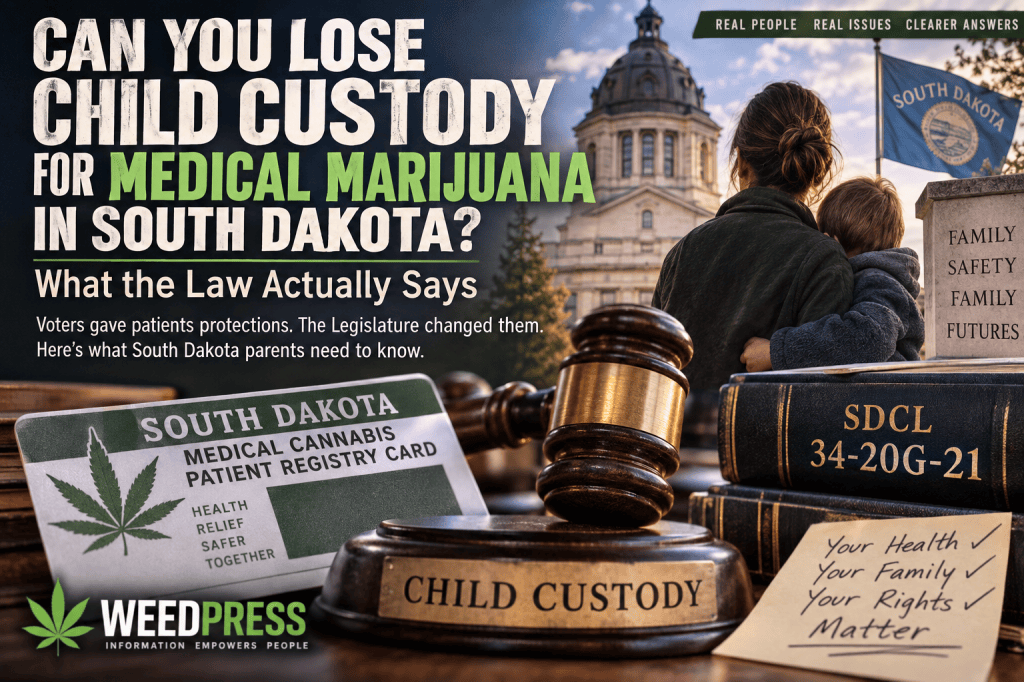
Can You Lose Child Custody for Medical Marijuana in South Dakota? What the Law Actually Says
Can a medical marijuana card be used against you in a South Dakota child custody case? South Dakota law specifically protects medical cannabis patients—but the Legislature changed an important protection that voters originally approved. By Jason Karimi | WeedPress A South Dakota medical cannabis patient recently asked a question on Reddit that many parents may…
-
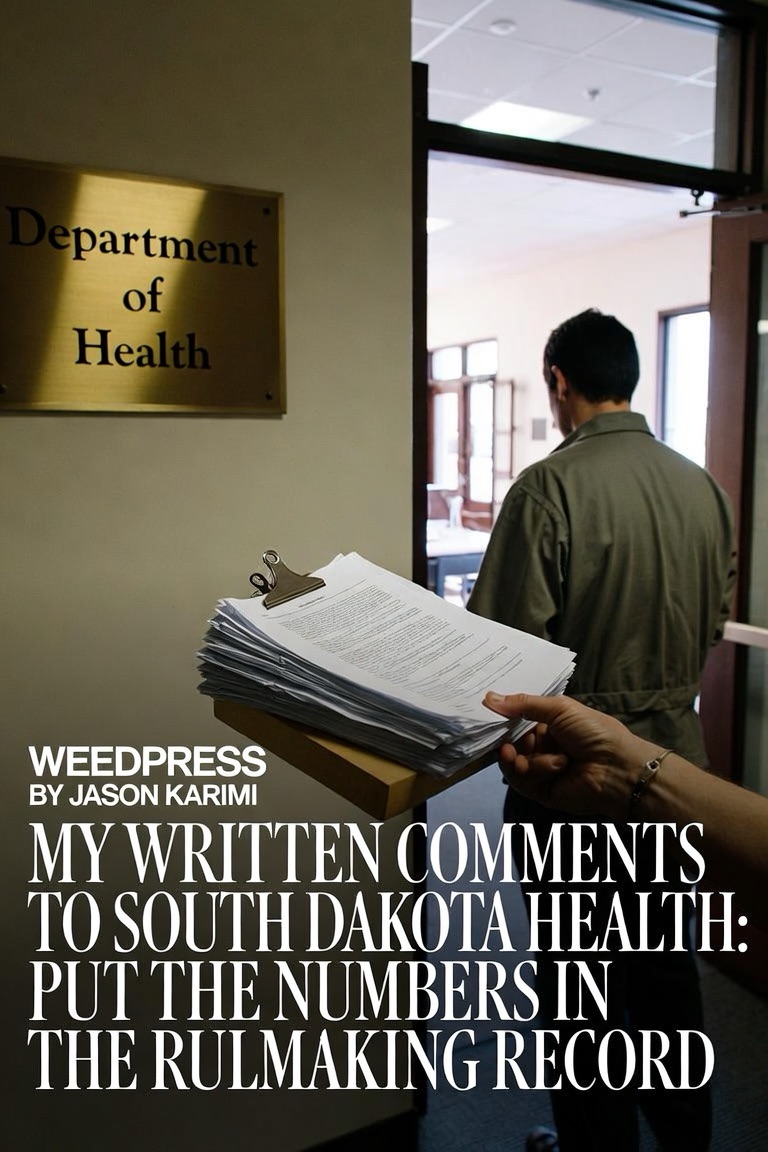
My Written Comments to South Dakota Health: Put the Numbers in the Rulemaking Record
September 10, 2026Whitney BrunnerMedical Cannabis Program AdministratorSouth Dakota Department of Health600 East Capitol AvenuePierre, SD 57501MCQuestions@state.sd.us Re: Written comments on proposed amendments to S.D. Admin. R. art. 44:90Public hearing September 23, 2026; written comments due October 3, 2026 Dear Ms. Brunner: Please place this letter and the attached exhibits in the official written-comment record for…
-
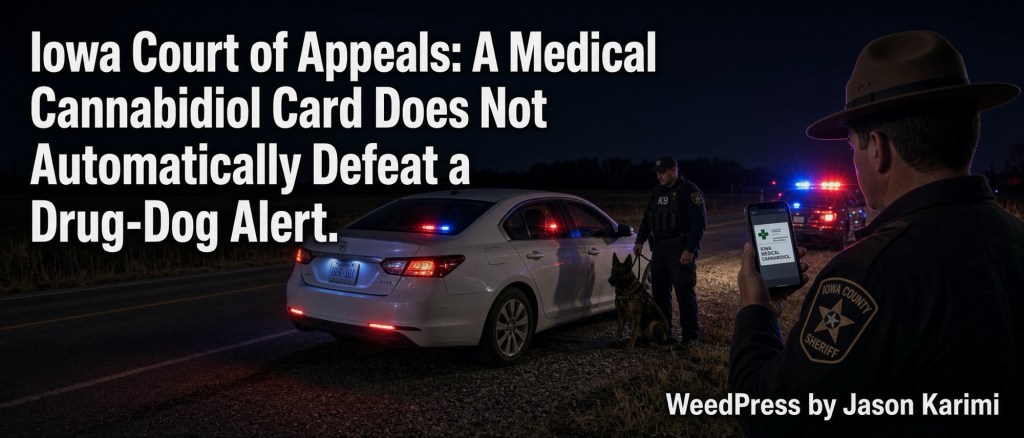
Iowa Court of Appeals: A Medical Cannabidiol Card Does Not Automatically Defeat a Drug-Dog Alert
Patients who carry a valid Iowa medical cannabidiol registration card often assume the card creates a meaningful shield during traffic stops. A new decision from the Iowa Court of Appeals shows the limits of that assumption. In State v. Leonard, the court held that officers had probable cause to search a vehicle after a drug…
-
Understanding High-Conflict Personalities: When You Become the Target of Blame
High-conflict personalities are individuals who consistently turn disagreements into prolonged, intense, and destructive battles. Unlike people who simply disagree or become emotional during conflict, high-conflict personalities tend to escalate disputes, externalize blame, and struggle to resolve conflict in a healthy or proportionate way.¹ Over the past several months, nearly a year straight now, I have…
-

New Approach South Dakota’s Damaged Credibility, Lies To Judges To Get Political Competitor Arrested: Court Transcripts
Transcript PDF of Mentele v Karimi court hearing round 4 in full: You folks out there can do what you want. As for me, I’m going to go back to focusing on federal exemption advocacy as I have since 2009, before Mentele told me to stop and then got me arrested for continuing advocating, by…
-
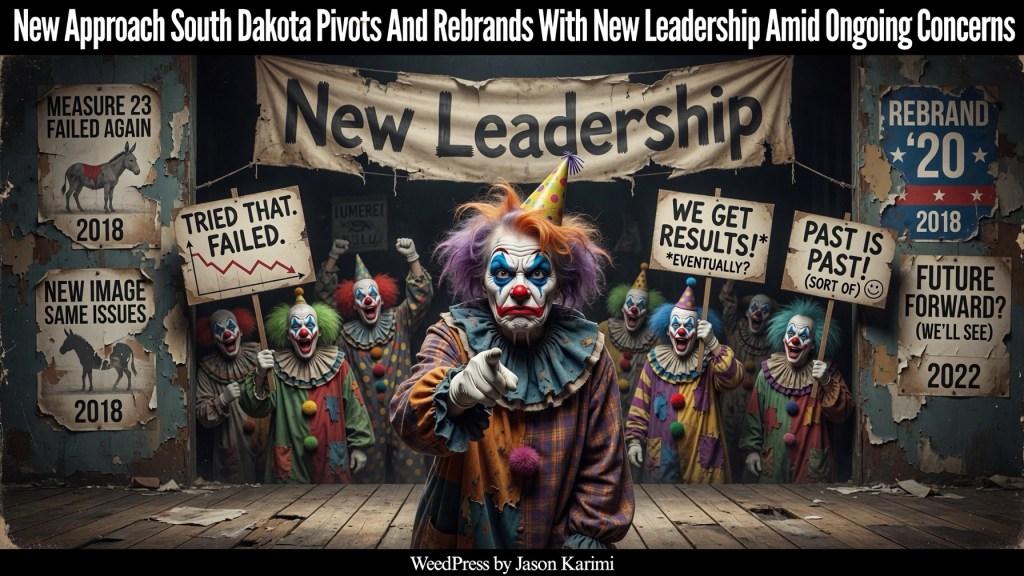
New Approach South Dakota Pivots And Rebrands With New Leadership Amid Ongoing Concerns
Following publication of this article, New Approach South Dakota publicly clarified that the anticipated leadership changes referenced in an earlier discussion concerned the Marijuana Policy Project, not New Approach South Dakota itself. New Approach states it is adding partners and expanding resources but will remain under its current leadership. Multiple conflicting statements in 2026 about…

