Featured Analysis
-
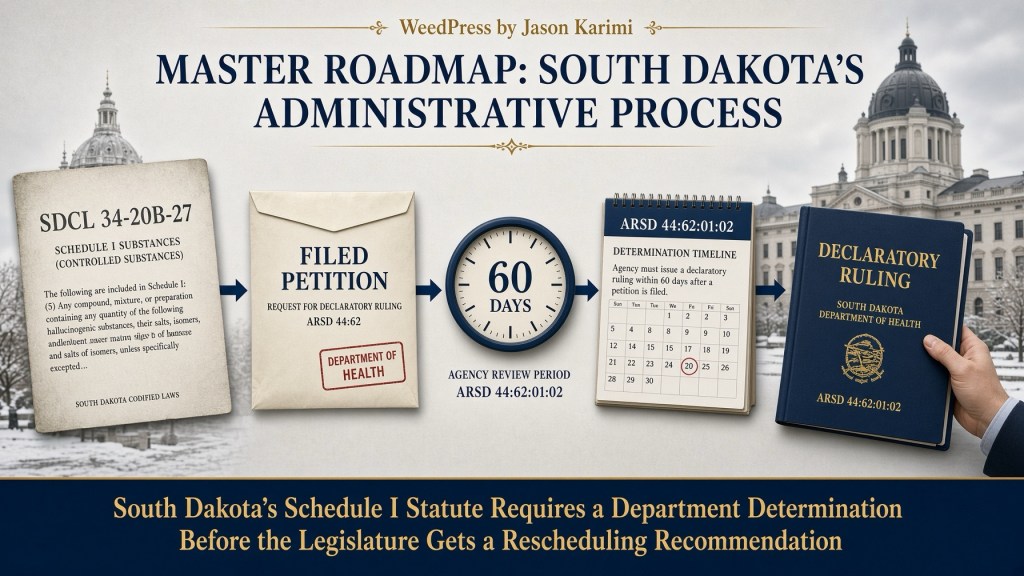
South Dakota’s Schedule I Statute Requires a Department Determination Before the Legislature Gets a Rescheduling Recommendation
SDCL 34-20B-27 does not amend the schedules by itself. It tells the Department of Health when a determination triggers a mandatory recommendation to the Legislature.¹ After the April 28, 2026 federal order placing certain state-licensed medical marijuana products in Schedule III, the unanswered Pierre question is not whether marijuana is still listed in chapter 34-20B.…
-
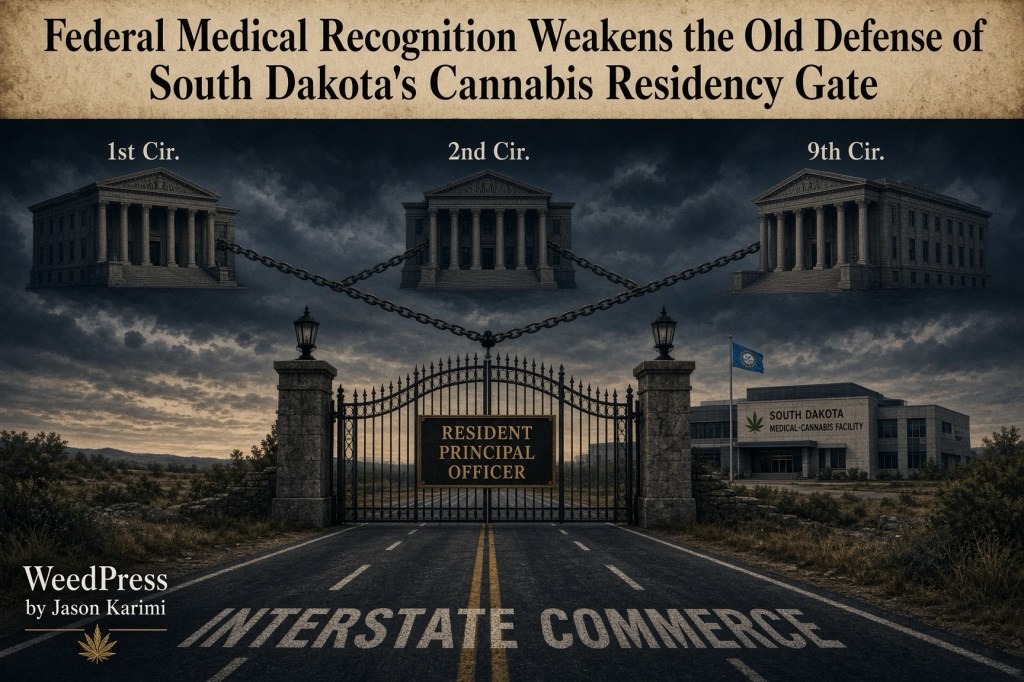
Federal Medical Recognition Weakens the Old Defense of South Dakota’s Cannabis Residency Gate
A federal shift in how medical marijuana is regulated is forcing states to confront an old constitutional question: can they still reserve cannabis licensing opportunities for residents when federal law no longer treats qualifying medical marijuana as entirely illicit? A Congressional Research Service legal sidebar issued September 3, 2026 maps a live circuit split over…
-
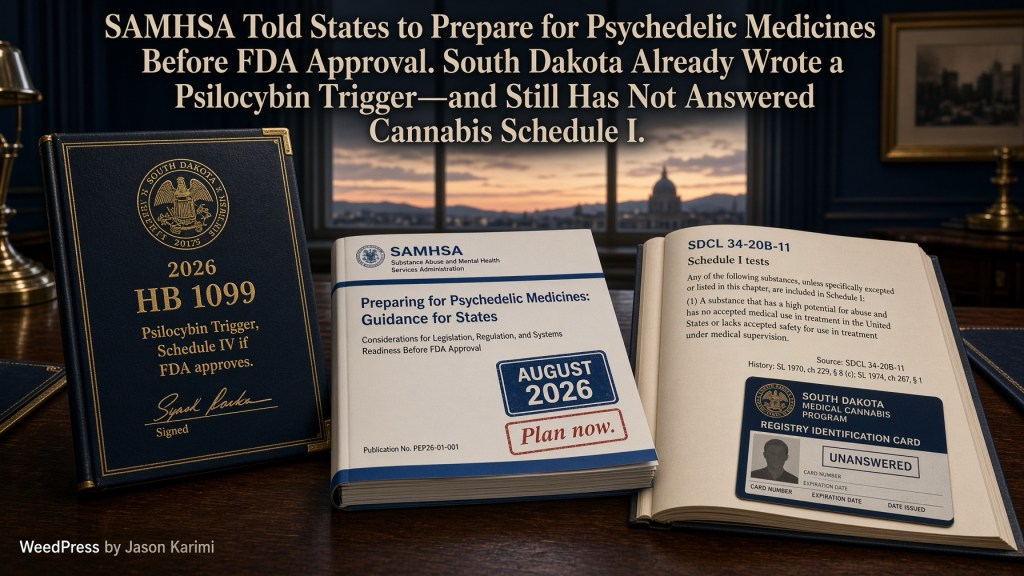
SAMHSA Told States to Prepare for Psychedelic Medicines Before FDA Approval. South Dakota Already Wrote a Psilocybin Trigger—and Still Has Not Answered Federal Cannabis Schedule III.
In August 2026, the Substance Abuse and Mental Health Services Administration published a policy paper telling state and territorial mental-health systems to start planning now for the fiscal, legal, and operational consequences of possible FDA-approved psychedelic therapies.¹ The paper is not a regulation. It does not approve psilocybin, MDMA, or LSD. It tells states to…
-
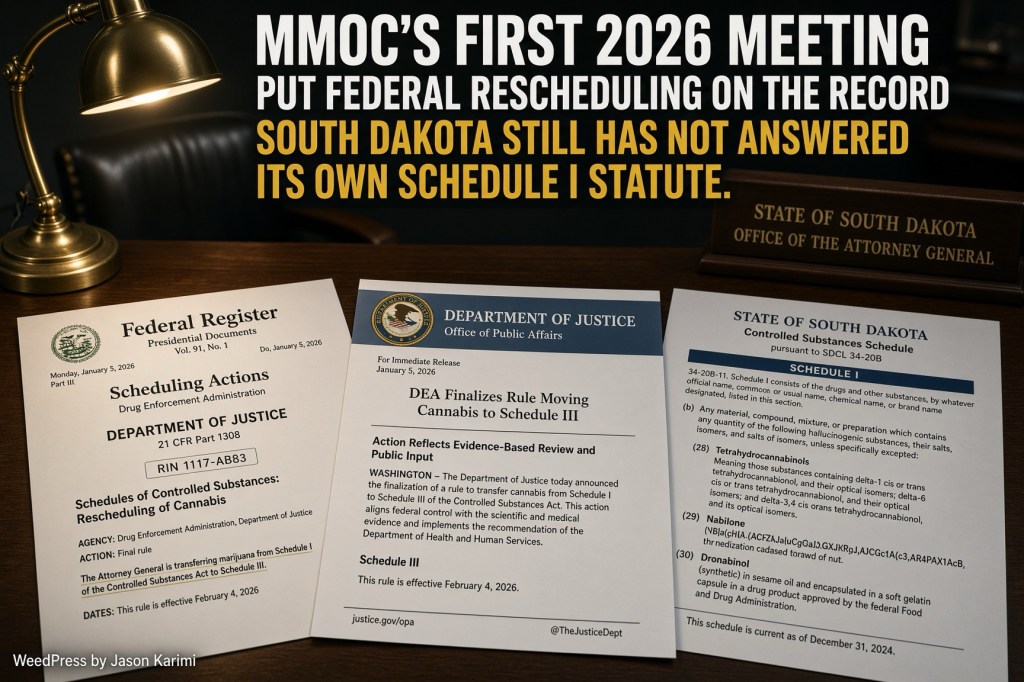
MMOC’s First 2026 Meeting Put Federal Rescheduling on the Record. South Dakota Still Has Not Answered Its Own Schedule I Statute.
The Medical Marijuana Oversight Committee’s first 2026 interim meeting did not decide whether cannabis still belongs in Schedule I under South Dakota law. It did something more limited, and more useful: it put federal classification, program scale, and the absence of a state legal answer onto the official packet.¹ That is not a committee endorsement…
-

Four Pot Shops Five Minutes Over the Iowa Line Sell the Flower Iowa Still Won’t License
North Sioux City, South Dakota, is a town of a few thousand people on the Missouri River. Sioux City, Iowa, is across the water. Between them is a five-minute drive and a statutory mismatch Iowa has never closed.¹ South Dakota’s Department of Health currently lists four licensed medical cannabis dispensaries in North Sioux City: Dakota…
-
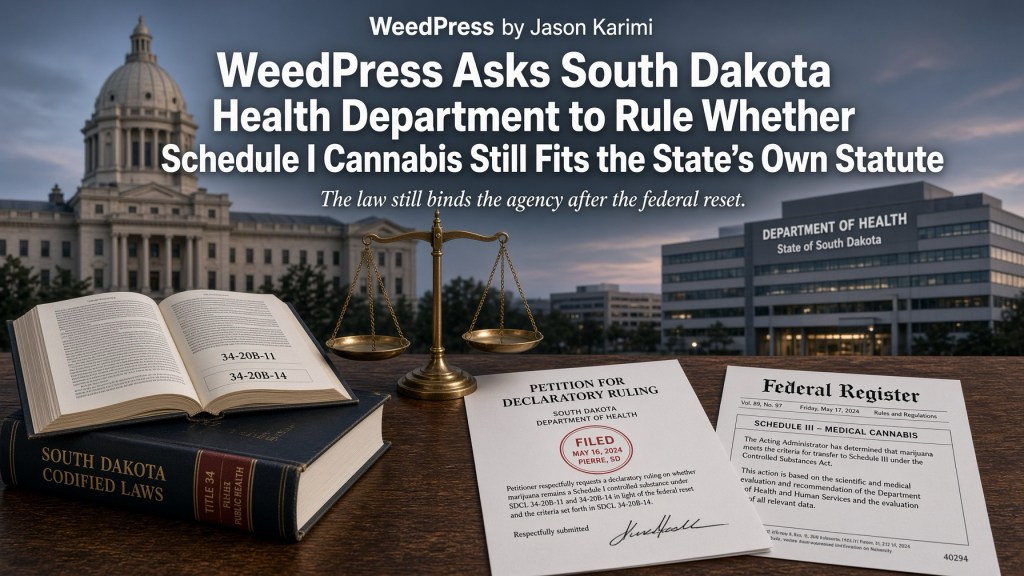
WeedPress Asks South Dakota Health Department to Rule Whether Schedule I Cannabis Still Fits the State’s Own Statute
Update 1: Delivered in person and received and stamped by Department as of 3:33 pm: South Dakota still lists tetrahydrocannabinol in Schedule I. The same Department of Health that runs the medical cannabis program is also charged with applying the Schedule I test in SDCL 34-20B-11. That test requires, among other things, “no accepted medical…
Policy
-
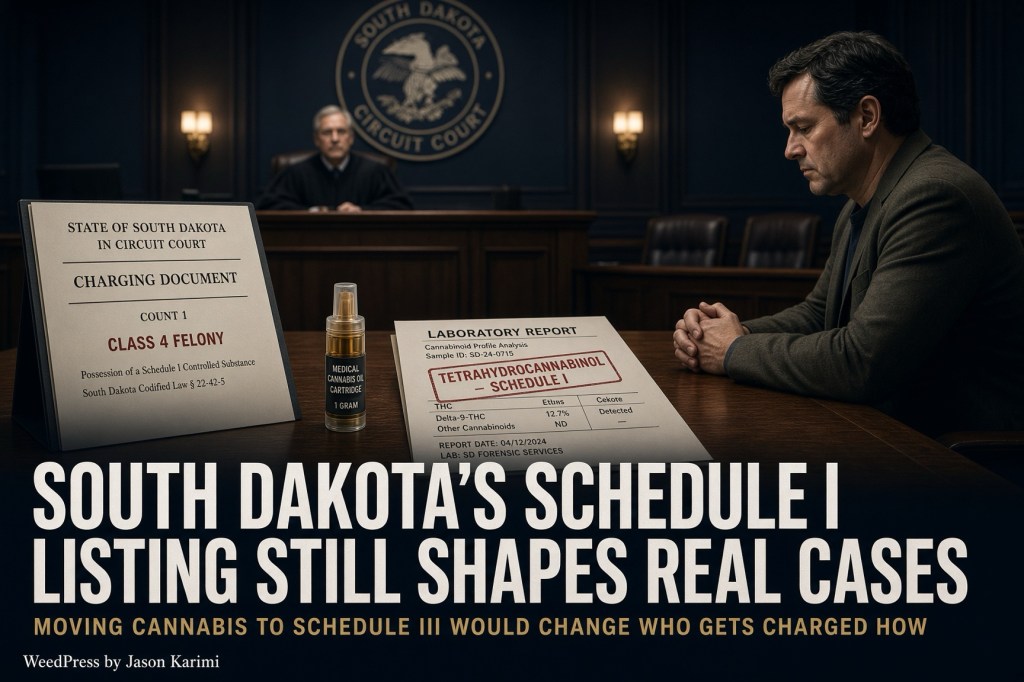
South Dakota’s Schedule I Listing Still Shapes Real Cases. Moving Cannabis to Schedule III Would Change Who Gets Charged How.
South Dakota already runs a medical cannabis program. It also still lists hashish, hash oil, and tetrahydrocannabinols in Schedule I. Those two facts sit in different titles of the code, and they do not cancel each other out. The medical statutes create a permission structure for qualifying patients and licensees. The Schedule I listing still…
-

Health Department Tells Lawmakers South Dakota’s $20 Home-Grow Law Is Too Thin to Police — and Tightening It Raises Safety Questions
The Department of Health did not need a ballot fight to put a warning on the medical cannabis statute. It used the August Medical Marijuana Oversight Committee.¹ Program administrator Whitney Brunner told the committee that licensed home cultivators rose from 61 in fiscal year 2022 to 715 in fiscal year 2026 — a 1,072 percent…
-
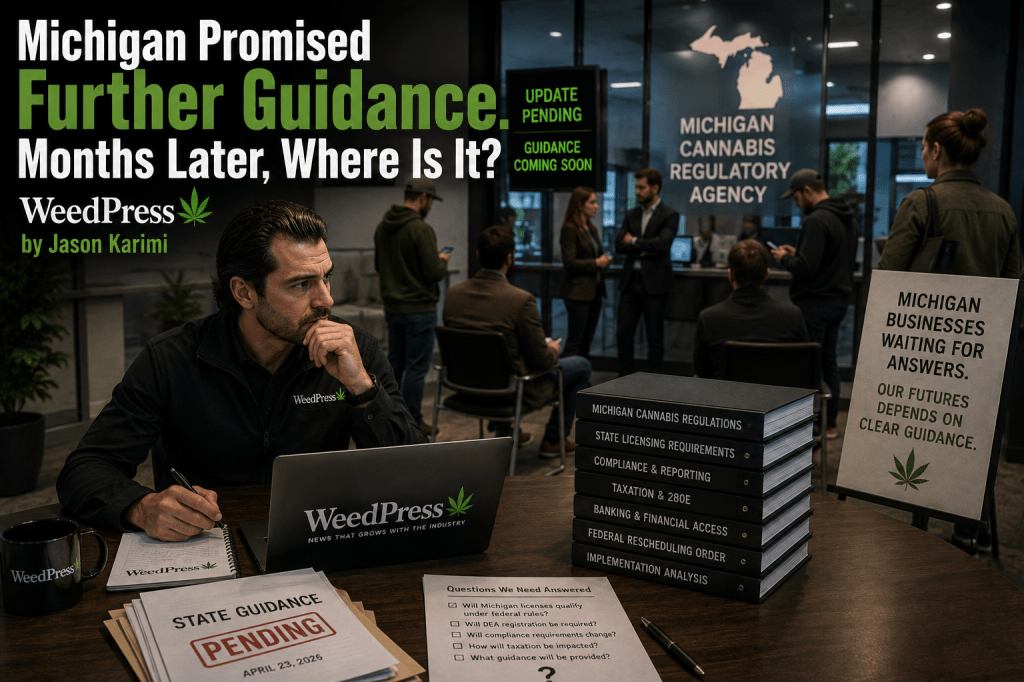
Michigan Promised Further Guidance On Federal Law. Months Later, Where Is It?
When the Department of Justice announced its historic federal medical cannabis rescheduling order on April 23, 2026, state cannabis regulators immediately faced a common challenge: determining how the new federal framework would affect their own licensing systems, regulatory programs, and compliance expectations. Michigan’s Cannabis Regulatory Agency (CRA) responded the same day with a measured and…
-
When States Respond Differently to Federal Medical Cannabis Rescheduling: The Growing Legal and Operational Risks Facing Cannabis Licensees
The Department of Justice’s April 2026 final order placing qualifying state-licensed medical cannabis into Schedule III of the federal Controlled Substances Act represented the most significant federal regulatory development affecting state medical cannabis programs since Congress first enacted the Controlled Substances Act in 1970.¹ Although the order did not legalize adult-use marijuana, nor eliminate federal…
-
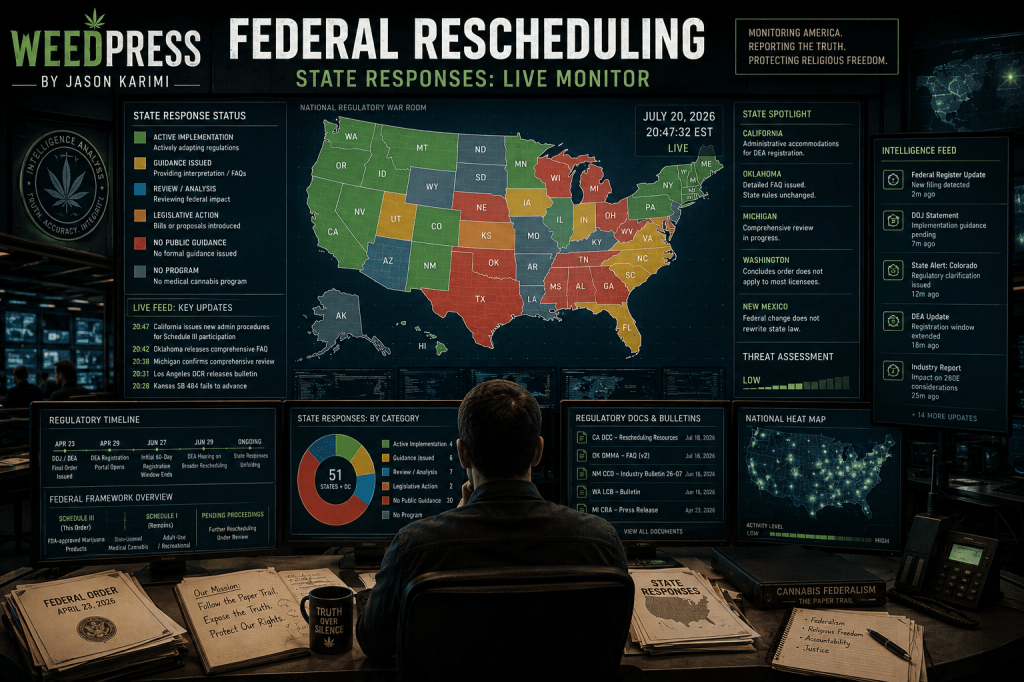
Federal Medical Cannabis Rescheduling Has Produced Four Distinct State Responses—But Most States Still Have Not Chosen One
On April 23, 2026, the United States Department of Justice and the Drug Enforcement Administration fundamentally changed federal cannabis policy by issuing a final order placing FDA-approved marijuana products and marijuana distributed pursuant to qualifying state medical marijuana licenses into Schedule III of the Controlled Substances Act while simultaneously initiating broader administrative proceedings regarding additional…
-

South Dakota Reports Fewer Cannabis Businesses—but Not Why Their Licenses Disappeared
Welcome back to WeedPress, South Dakota’s only source for transparency and open public debate. South Dakota’s medical cannabis industry has lost 34 certified establishments since reaching its reported peak in state fiscal year 2023. The Department of Health reported 139 registered establishments in SFY 2023. That total fell to 124 in SFY 2024, 118 in…
Law
-
South Dakota’s Schedule I Statute Requires a Department Determination Before the Legislature Gets a Rescheduling Recommendation
SDCL 34-20B-27 does not amend the schedules by itself. It tells the Department of Health when a determination triggers a mandatory recommendation to the Legislature.¹ After the April 28, 2026 federal order placing certain state-licensed medical marijuana products in Schedule III, the unanswered Pierre question is not whether marijuana is still listed in chapter 34-20B.…
-
Federal Medical Recognition Weakens the Old Defense of South Dakota’s Cannabis Residency Gate
A federal shift in how medical marijuana is regulated is forcing states to confront an old constitutional question: can they still reserve cannabis licensing opportunities for residents when federal law no longer treats qualifying medical marijuana as entirely illicit? A Congressional Research Service legal sidebar issued September 3, 2026 maps a live circuit split over…
-
SAMHSA Told States to Prepare for Psychedelic Medicines Before FDA Approval. South Dakota Already Wrote a Psilocybin Trigger—and Still Has Not Answered Federal Cannabis Schedule III.
In August 2026, the Substance Abuse and Mental Health Services Administration published a policy paper telling state and territorial mental-health systems to start planning now for the fiscal, legal, and operational consequences of possible FDA-approved psychedelic therapies.¹ The paper is not a regulation. It does not approve psilocybin, MDMA, or LSD. It tells states to…
-
MMOC’s First 2026 Meeting Put Federal Rescheduling on the Record. South Dakota Still Has Not Answered Its Own Schedule I Statute.
The Medical Marijuana Oversight Committee’s first 2026 interim meeting did not decide whether cannabis still belongs in Schedule I under South Dakota law. It did something more limited, and more useful: it put federal classification, program scale, and the absence of a state legal answer onto the official packet.¹ That is not a committee endorsement…
-
Four Pot Shops Five Minutes Over the Iowa Line Sell the Flower Iowa Still Won’t License
North Sioux City, South Dakota, is a town of a few thousand people on the Missouri River. Sioux City, Iowa, is across the water. Between them is a five-minute drive and a statutory mismatch Iowa has never closed.¹ South Dakota’s Department of Health currently lists four licensed medical cannabis dispensaries in North Sioux City: Dakota…
-
WeedPress Asks South Dakota Health Department to Rule Whether Schedule I Cannabis Still Fits the State’s Own Statute
Update 1: Delivered in person and received and stamped by Department as of 3:33 pm: South Dakota still lists tetrahydrocannabinol in Schedule I. The same Department of Health that runs the medical cannabis program is also charged with applying the Schedule I test in SDCL 34-20B-11. That test requires, among other things, “no accepted medical…
Science
-
When Public Advocates Attack Motives Instead of Answering Evidence
Public policy debates should be resolved by evidence, not by assumptions about the motives of the people participating in them. Yet it is common for substantive criticism to be met with claims that the critic is motivated by jealousy, a desire for power, or some other personal grievance rather than by the merits of the…
-
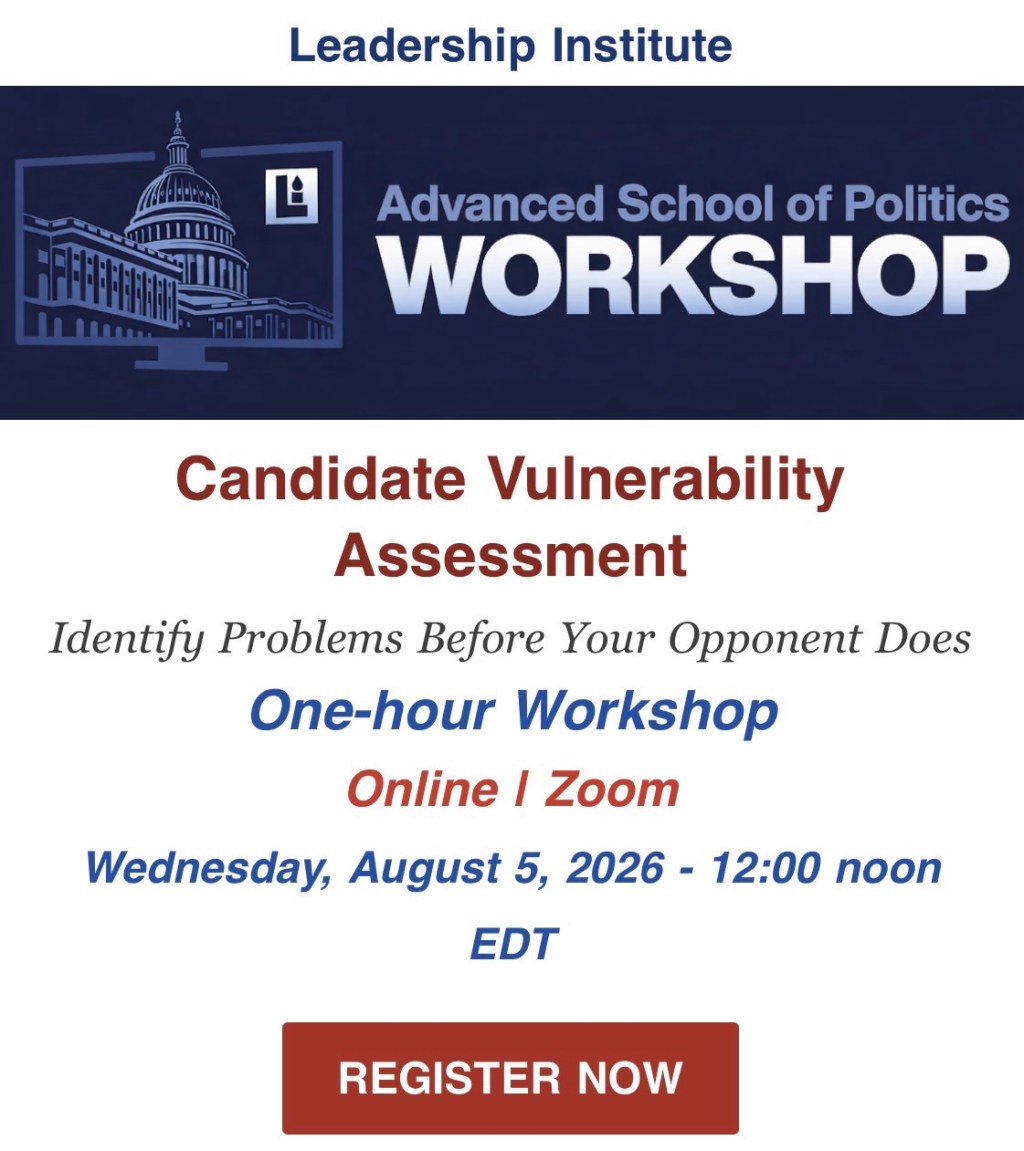
Online Workshop – Candidate Vulnerability Assessment
Every candidate enters a race with potential vulnerabilities. These may include previous statements, professional history, financial records, social media activity, personal relationships, policy positions, or inconsistencies in the candidate’s public record. https://leadershipinstitute.org/event/701VL00000xvu8MYAQ Campaigns often devote significant time and resources to researching their opponents while failing to conduct the same level of research on their own…
-
Professional Eyes on WeedPress: What an Exiger Referral Means
Analytics occasionally reveal more than pageviews. One recent referral to WeedPress came from insight.exiger.com. That domain belongs to Exiger, a global risk, compliance, and investigative intelligence firm. Their Insight platform is used by corporations, law firms, financial institutions, and investigative teams to conduct due diligence, monitor public information, and assess risk. When traffic arrives from…
-

Working in Huron’s Federal Building Today — and a Reminder of What Rounds’ Staff Said Last Summer
I’m in Huron today working at the federal building, troubleshooting and repairing an IT failure for the offices here. While on site, conversations with staff turned to cannabis policy and federal rescheduling. It brought back a discussion I had last summer while installing computers in Senator Mike Rounds’ offices in Pierre. During that work, staff…
-
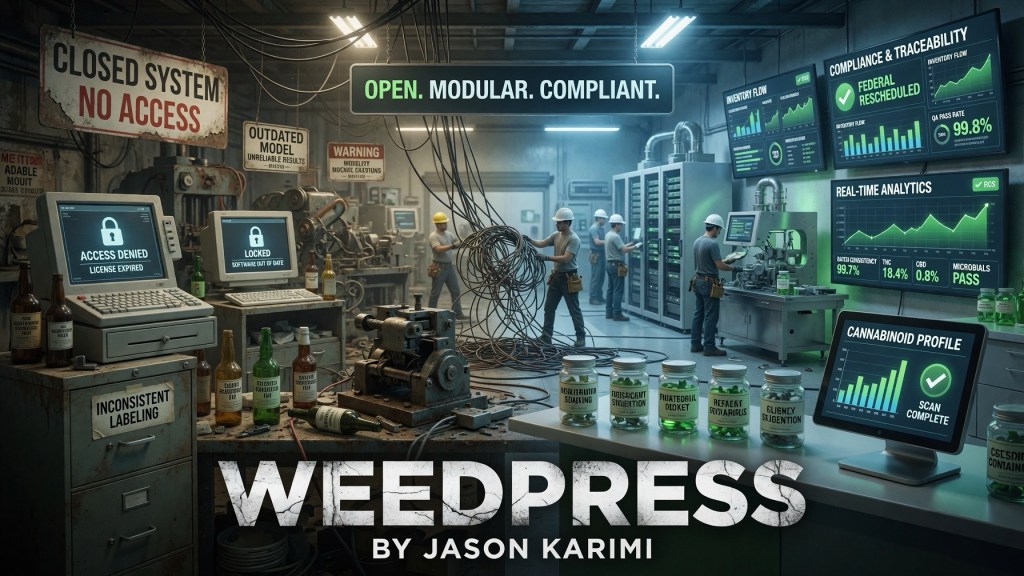
Cannabis Is Being Rebuilt From the Ground Up: Closed Technology Systems and Medical Gaps Force a New Foundation
The cannabis industry is still operating on incomplete infrastructure—both technological and scientific. That was the central message of a recent Trade to Black episode from The Dales Report, featuring Flowhub founder and CEO Kyle Sherman and Dr. Paul Shields.¹ The conversation made clear that many of the systems currently supporting cannabis retail and medical use…
-
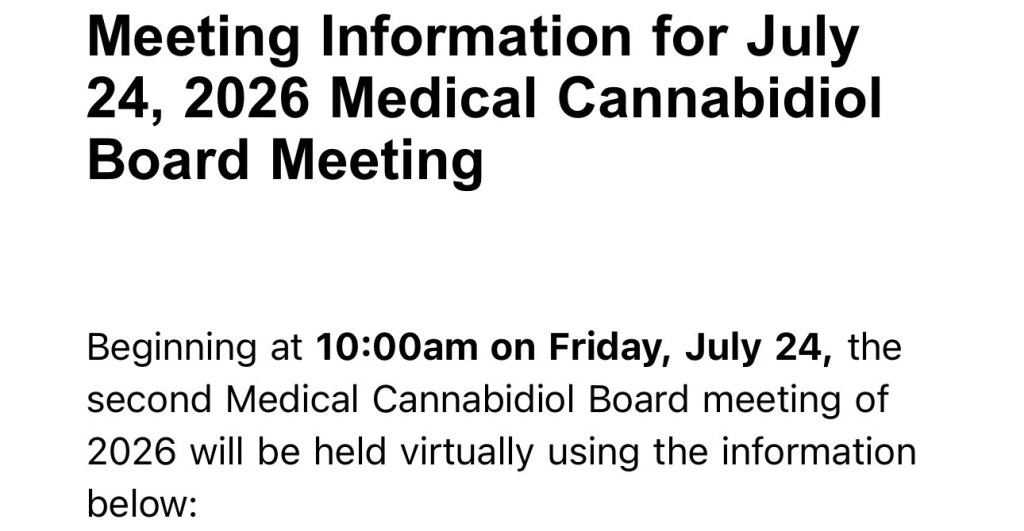
Iowa Medical Cannabis Board Public Meeting This Friday July 24 (DETAILS) (YOUTUBE)
Update: video is linked below of this meeting: Meeting Information for July 24, 2026 Medical Cannabidiol Board Meeting Beginning at 10:00am on Friday, July 24, the second Medical Cannabidiol Board meeting of 2026 will be held virtually using the information below: * For those who wish to participate in the public comment period virtually, please send an email…
Current Events
-

Iowa lawmakers want improved CBD labeling, regulations during 2020 lawmaking session
Meanwhile Senator Dawson of Iowa gives his opinion that while some CBD products are illegal in Iowa, some products are technically legal. From the Times-Republican last week: Labeling CBD products in Iowa Another portion of the bill would require more consumer-warning labeling in the sale of cannabidiol, better known as CBD. Sellers with CBD on…
-
Minnesota Legislative Priorities For 2020
Copying and pasting full text from Sensible Change Minnesota here, for my own future reference. This is really well done. https://changemn.org/2020/02/03/sensible-change-minnesota-2020-legislative-agenda/?fbclid=IwAR1I0bB-awcvmFcfz0DzEZmBI4GWkd6WWEHGPdU8tqJH4JZGtJSv3iovcjs Sensible Change Minnesota’s Advocacy Committee is excited to share our Agenda for 2020! Medical Cannabis Improve Patient Access & Affordability Provide that any cannabis product, including raw cannabis flower produced by a Minnesota…
-
2020 Allamakee County Attorney: CBD Is Still Illegal In 2020 In Iowa According To Attorney General Of Iowa
https://www.waukonstandard.com/articles/2020/01/08/2020-allamakee-county-attorney-report 2020 Allamakee County Attorney Report Submitted by Allamakee County Attorney Anthony Gericke Having completed my first year as Allamakee County Attorney, I felt an update to the county on the current state of this office should be an annual part of my duties as an elected official. The three most often asked questions I…
-
Iowa Hitler Supporting White Supremacist Cannabis Activist Performs Black Magick At Iowa Capitol, Posts About It On Instagram [PICS]
Iowa Hitler Supporting White Supremacist Cannabis Activist Performs Black Magick At Iowa Capitol, Posts About It On Instagram [PICS] Cannabis 2020 will sure be interesting to report on here in Iowa this year. Former Florida cannabis magazine writer and witch political attack dog for hire Emily Phillips was hired by L Augustus Invictus to use black magick…
-
History Of How Minnesota Made Their Medical Marijuana Law (2005-2020)
This isn’t entirely up to date but, for those of you who have been wondering, here is how the hot dog that is the Minnesota Medical Cannabis Law was made in Minnesota. 2005-2009 • MPP attempts to work with legislators, • Change at end to only terminal patients • Gov. Pawlenty vetoes 2010 • Dayton…
Legislation
-
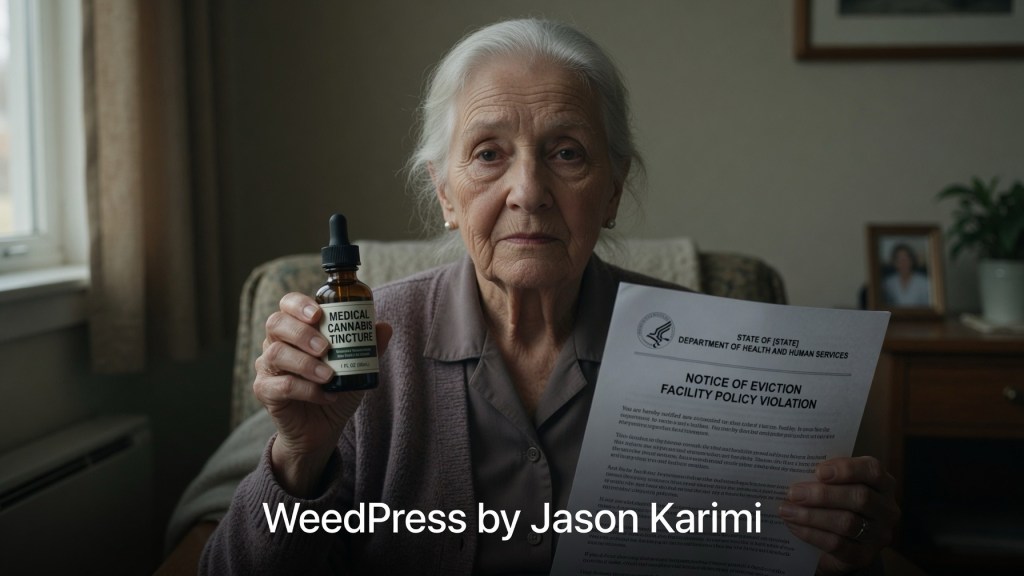
The Patients Left Behind: How South Dakota’s Medical Cannabis Law Still Punishes the Sickest Among Us
In Iowa recently, a 91-year-old woman was told she had to leave the nursing home she called home because she used medical cannabis to manage her pain and symptoms. The facility gave her an ultimatum: stop using the medicine her doctor supported, or move out. She refused. The case went to court. What should have…
-
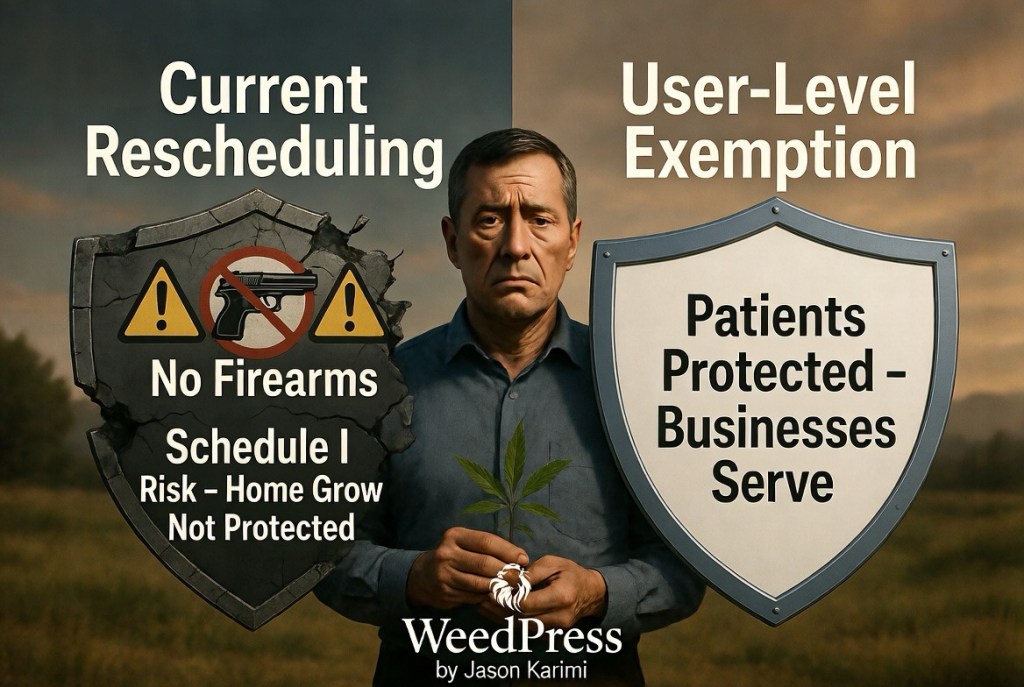
Patient Legal Risks Solved: A User-Level Exemption Model for Schedule III
The April 28, 2026 federal partial rescheduling order left a significant gap: personal home cultivation was not included in the narrow categories moved to Schedule III. Colorado attorneys Brian Vicente and Rachel Gillette have been direct about the practical consequences. Vicente noted that home grows do not qualify for the new federal registration pathway because…
-
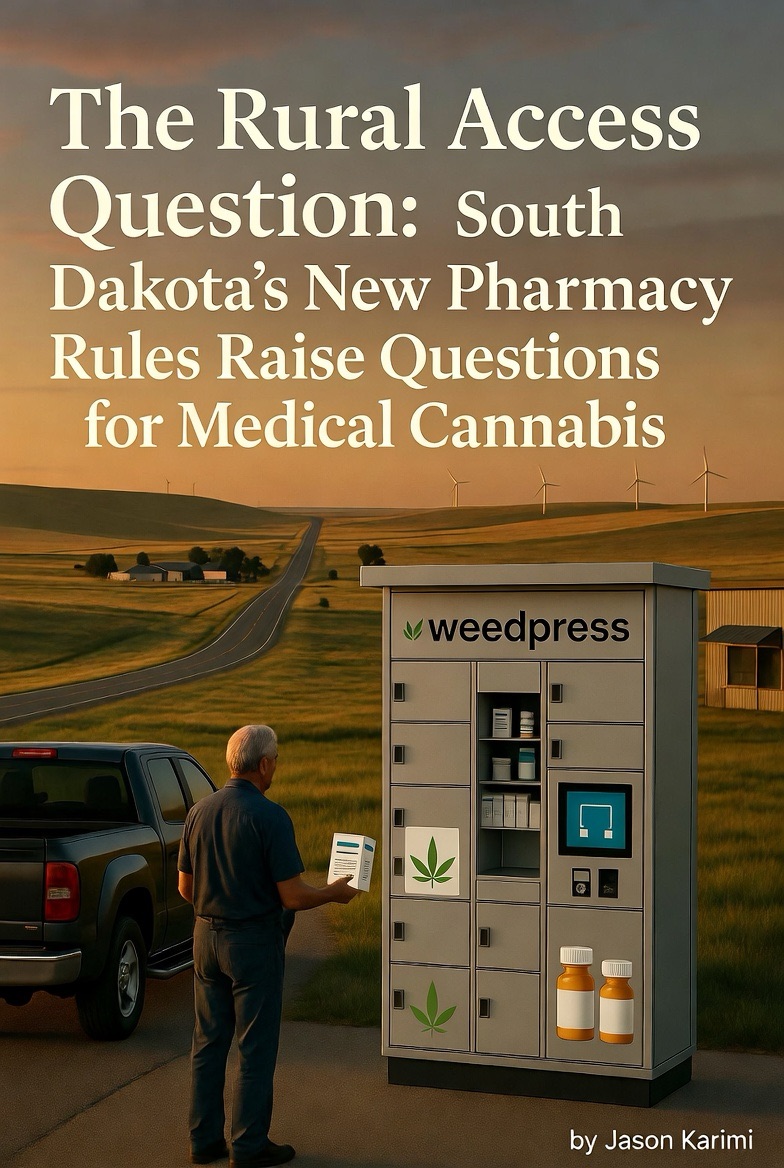
The Rural Access Question South Dakota’s New Pharmacy Rules Raise for Medical Cannabis
As regulators embrace telepharmacy and remote prescription pickup, policymakers may eventually face similar questions about medical cannabis access in rural communities. South Dakota’s Board of Pharmacy is advancing updated rules under Article 20:51 of the Administrative Rules of South Dakota (ARSD) that formalize the use of remote drop sites for prescription medications and introduce a…
-
Stork Just Sent a Researcher to WeedPress: What Academic Tools Mean for Cannabis Policy Analysis
Independent statutory deep-dives are showing up alongside peer-reviewed literature in researchers’ workflows. It’s not every day your analytics dashboard lights up with a referrer you’ve never seen before. Today, May 5, 2026, WeedPress received a visit from paper-box.co — the domain tied to Stork (storkapp.me), a specialized publication-tracking and research intelligence platform used by academics,…
-

Why Cannabis Operators Can’t Afford to Ignore the Federal Rescheduling Details — And What You Must Do Now
The federal government has split cannabis into two tracks. FDA-approved drug products containing marijuana and marijuana activity tied to a qualifying state-issued medical marijuana license under the new federal framework now occupy a different federal posture, while broader marijuana remains in Schedule I pending further proceedings.¹ That split is real, immediate, and carries tax, compliance,…
-

WeedPress Looked Deeper: Congress’ Quiet Move to Block Trump’s Cannabis Rescheduling — and Why It Threatens Operators
The quietest threat to the federal cannabis shift is not coming from DEA’s June hearing. It is coming from the House appropriations process. On May 13, 2026, the full House Appropriations Committee is scheduled to mark up the FY2027 Commerce, Justice, Science (CJS) bill after the CJS subcommittee approved its version on April 30. Buried…
RFRA Updates
-
Time to Work On Religious Cannabis Petition For Nebraska
I’m one of two cases involving religious cannabis users arguing a constitutional right for religious exemption to cannabis laws in Nebraska. If non-religious secular medical users get exemption, but not religious users, that’s discrimination. Asking a court for such a ruling is warranted. I’ve got 50 pages of notes to turn into my filings. So,…
-
Two Religious Cannabis Cases Now Proceeding in Nebraska
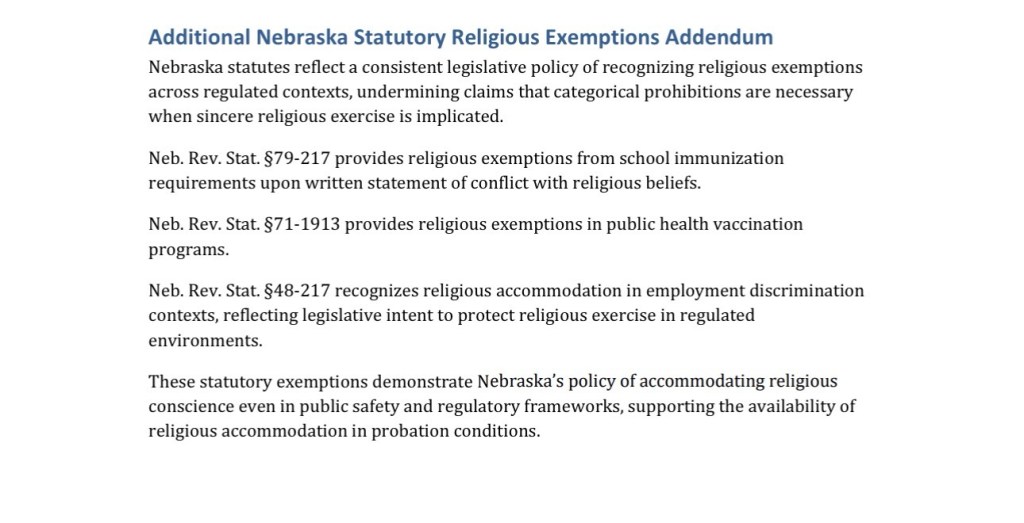
My case, and a church member of mine, are proceeding in Nebraska. Mine is a probation challenge stating probation can’t restrict private not for profit religious use when the state is allowing and legislating secular medical exemptions. The second case I won’t report on so as not to screw up important litigation strategies but I…
-

Nebraska First Freedom Act Floor Discussion
LB43 Floor Debate (January 23, 2024) KELLY: Thank you, Mr. Clerk. Senator Sanders, you are recognized open on LB43. SANDERS: Good morning, Mr. President, and members of the Legislature. I stand here today to bring LB43 before you. Earlier on in our education, we were taught about the separation of powers among three branches…
-
Filing structure for Nebraska RFRA Challenge
When in Rome…. FILING PACKAGE — COMPLETE STRUCTURE 1. Motion (Captioned, Filed in Your Criminal Case) Title: Motion to Modify Conditions of Probation Pursuant to Nebraska Religious Freedom Act (Neb. Rev. Stat. §§ 20-403 to 20-404) and Neb. Rev. Stat. § 29-2263 What it asks for (clean framing): A narrow, as-applied modification of one probation…
-

Nebraska RFRA (First Freedom Act) — Probation Condition Challenge
Nebraska’s Religious Freedom Act (Neb. Rev. Stat. §§ 20-403 to 20-404) imposes strict scrutiny on state actions that substantially burden religious exercise. That means: The State must prove BOTH: A compelling governmental interest, AND That the burden is the least restrictive means of achieving it. Probation conditions are state action and are subject to RFRA…
-

Petition To White House Faith Office For Religious Protections For Rastafarians (DRAFT)
Subject: Petition for Religious Exemption for the Sacramental Use of Cannabis Under the Religious Freedom Restoration Act (RFRA) Date: 12-18-2025 To: The White House Office of Faith-Based and Neighborhood Partnerships The White House1600 Pennsylvania Avenue NWWashington, DC 20500 Dear Director and Staff of the Office of Faith-Based and Neighborhood Partnerships, Mr. Karimi, the undersigned, respectfully…
Upcoming Events
-
Online Workshop – Candidate Vulnerability Assessment
Every candidate enters a race with potential vulnerabilities. These may include previous statements, professional history, financial records, social media activity, personal relationships, policy positions, or inconsistencies in the candidate’s public record. https://leadershipinstitute.org/event/701VL00000xvu8MYAQ Campaigns often devote significant time and resources to researching their opponents while failing to conduct the same level of research on their own…
-

Indigenous Women’s Medicine Wheel Ride – August 9 Sturgis (Sign Up Here)
I’ll be on this ride at Sturgis this year on the marijuana Harley ultra glide. Go to the guy with the reggae blasting to link. Prayer at 8:30. Bring your safety gear as well. $60 registration. Follow Doodle On A Motorcycle on YouTube for updates. Ride starts at Outlaw Square. Register here: https://www.medicinewheelride.org/ Who We…
-

The June 27 DEA Registration Deadline Is Coming Fast: South Dakota Operators Face a Compliance Cliff as the Safe Harbor Window Closes
With the June 27 DEA registration deadline approaching, the following analysis examines the practical timeline and compliance pressures facing South Dakota operators. South Dakota’s licensed medical cannabis operators now have roughly 29 days to secure critical federal protections before the expedited DEA registration window closes. On April 28, 2026, the Department of Justice and Drug…
-

Advance Notice to South Dakota Department of Health: Petition for Scheduling Review Will Follow Federal Rescheduling Hearings
South Dakota’s medical cannabis program stands at a critical juncture following the federal partial rescheduling of certain marijuana products to Schedule III.¹ After the DEA’s June 29, 2026 rescheduling hearing concludes, the undersigned will formally petition the South Dakota Department of Health (DOH) to review and align the state’s Schedule I classification of marijuana with…
-
Why South Dakota’s Own Statutes Now Make Schedule I Marijuana Unlawful to Maintain
“Acting Attorney General Todd Blanche is placing both FDA-approved drug products containing marijuana, and medicinal marijuana products subject to a qualifying state-issued license in Schedule III under his authority to reschedule drugs to carry out the United States’ obligations under the Single Convention on Narcotic Drugs.”¹ South Dakota, however, is not automatically bound by that…
-

South Dakota’s Schedule I Marijuana Prohibition Heads to Court This Summer: Lawsuit Will Seek Declaration That State Law No Longer Satisfies Its Own Criteria
This summer I intend to file a civil action against the State of South Dakota seeking a judicial declaration that the state’s Schedule I classification of marijuana no longer satisfies the statutory criteria required for Schedule I placement under South Dakota law.¹ The claim is straightforward: once the factual predicate of “no accepted medical use”…
For The Record (2026), By Jason Karimi
-
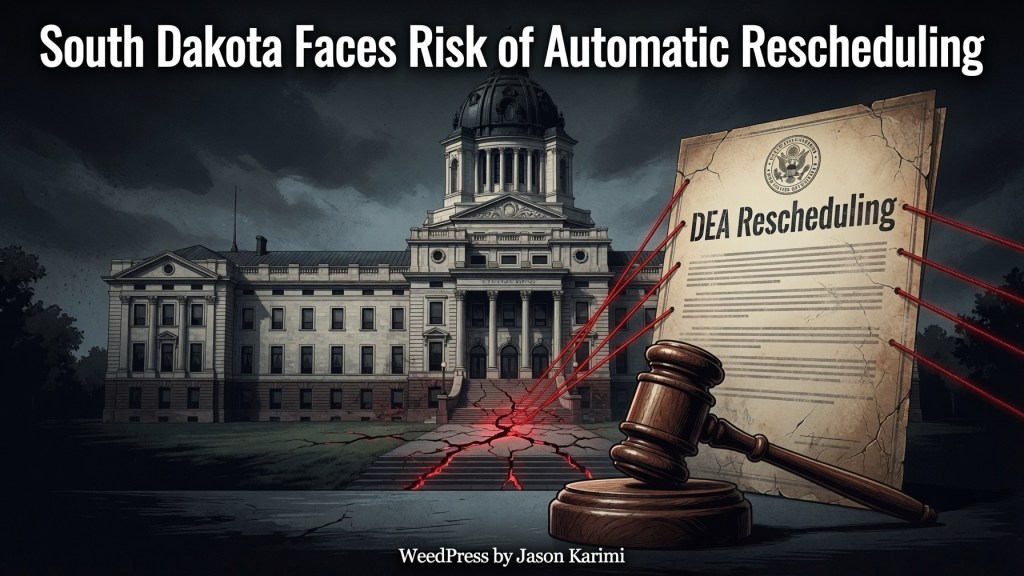
South Dakota Faces Risk of Automatic Rescheduling Under Existing Statutory Language
The recent action by Wyoming’s Attorney General demonstrates that states are increasingly recognizing the legal significance of federal marijuana rescheduling where state statutes incorporate federal scheduling decisions. South Dakota’s existing statutory language raises similar questions that should be addressed before federal reform takes effect. WeedPress has previously warned that South Dakota law contains automatic trigger…
-
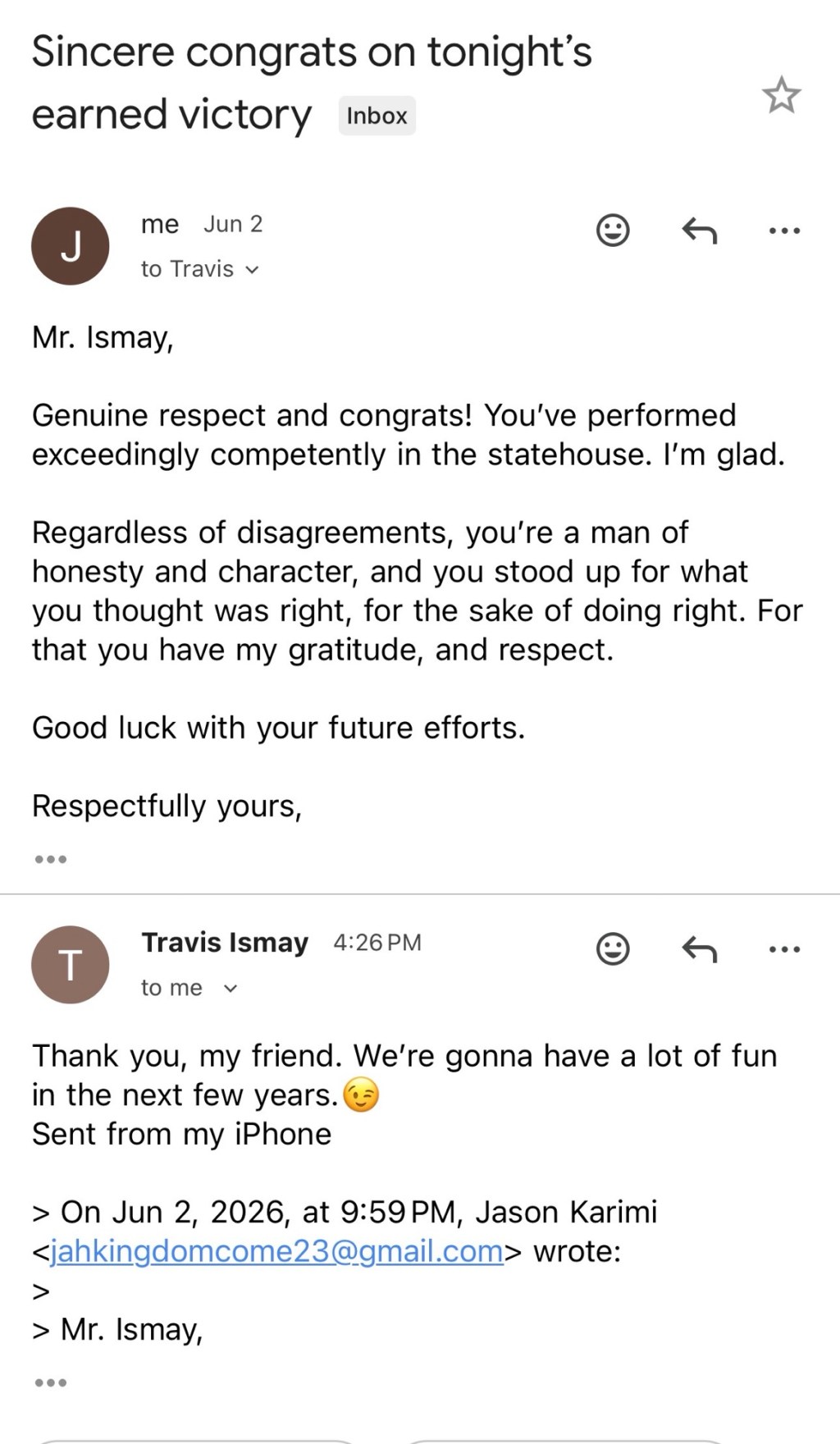
Travis Ismay Responds to My Congratulatory Email: A Small Step Toward Civil Discourse in South Dakota Politics
Yesterday, Rep. Travis Ismay (R-House District 28B) replied to the congratulatory email I sent him shortly after his decisive Republican primary victory on June 2.¹ For context, here is the full exchange: My email (June 2, 2026): For context, here is the full exchange: It’s a brief, gracious response — and one I appreciate. Background…
-

DARE Poster Kid to Marijuana Regulation Advocate: My Unchanging Fight to Protect Kids
When I was in elementary school, the DARE program left a lasting impression. Officers visited regularly, warning us about the dangers of drugs and pushing the “just say no” message. I took it seriously. So when the school announced an anti-drug poster contest open to elementary students, I threw myself into creating something impactful. My…
-

Chapter 9: The Record vs. the Narrative
Table of Contents Preface Chapter 1 — The First ArrestEarly rupture, authority, and the beginning of resistance Chapter 2 — Before the File Was Opened Gifted education, faith, discipline, and early legitimacy Chapter 3 — Becoming a ProblemWork, exhaustion, collapse, and the cost of visibility Chapter 4 — Learning the Language of PowerCourts, probation, jail, campaigns, and proximity to decision-makers…
-

Chapter 10: What Remains
Table of Contents Preface Chapter 1 — The First ArrestEarly rupture, authority, and the beginning of resistance Chapter 2 — Before the File Was Opened Gifted education, faith, discipline, and early legitimacy Chapter 3 — Becoming a ProblemWork, exhaustion, collapse, and the cost of visibility Chapter 4 — Learning the Language of PowerCourts, probation, jail, campaigns, and proximity to decision-makers…
-

Chapter 8: What the Media Gets Wrong
Table of Contents Preface Chapter 1 — The First ArrestEarly rupture, authority, and the beginning of resistance Chapter 2 — Before the File Was Opened Gifted education, faith, discipline, and early legitimacy Chapter 3 — Becoming a ProblemWork, exhaustion, collapse, and the cost of visibility Chapter 4 — Learning the Language of PowerCourts, probation, jail, campaigns, and proximity to decision-makers…
-

Chapter 7: Why I Never Left
Table of Contents Preface Chapter 1 — The First ArrestEarly rupture, authority, and the beginning of resistance Chapter 2 — Before the File Was Opened Gifted education, faith, discipline, and early legitimacy Chapter 3 — Becoming a ProblemWork, exhaustion, collapse, and the cost of visibility Chapter 4 — Learning the Language of PowerCourts, probation, jail, campaigns, and proximity to decision-makers…
-

Chapter 6: Staying Power
Table of Contents Preface Chapter 1 — The First ArrestEarly rupture, authority, and the beginning of resistance Chapter 2 — Before the File Was Opened Gifted education, faith, discipline, and early legitimacy Chapter 3 — Becoming a ProblemWork, exhaustion, collapse, and the cost of visibility Chapter 4 — Learning the Language of PowerCourts, probation, jail, campaigns, and proximity to decision-makers…
-

Chapter 5: The Apprenticeship
Table of Contents Preface Chapter 1 — The First ArrestEarly rupture, authority, and the beginning of resistance Chapter 2 — Before the File Was Opened Gifted education, faith, discipline, and early legitimacy Chapter 3 — Becoming a ProblemWork, exhaustion, collapse, and the cost of visibility Chapter 4 — Learning the Language of PowerCourts, probation, jail, campaigns, and proximity to decision-makers…
-

Chapter 4: Learning the Language of Power
Table of Contents Preface Chapter 1 — The First ArrestEarly rupture, authority, and the beginning of resistance Chapter 2 — Before the File Was Opened Gifted education, faith, discipline, and early legitimacy Chapter 3 — Becoming a ProblemWork, exhaustion, collapse, and the cost of visibility Chapter 4 — Learning the Language of PowerCourts, probation, jail, campaigns, and proximity to decision-makers…
-

Chapter 3: Becoming a Problem
Table of Contents Preface Chapter 1 — The First ArrestEarly rupture, authority, and the beginning of resistance Chapter 2 — Before the File Was Opened Gifted education, faith, discipline, and early legitimacy Chapter 3 — Becoming a ProblemWork, exhaustion, collapse, and the cost of visibility Chapter 4 — Learning the Language of PowerCourts, probation, jail, campaigns, and proximity to decision-makers…
-

Chapter 2: Before the File Was Opened
Table of Contents Preface Chapter 1 — The First ArrestEarly rupture, authority, and the beginning of resistance Chapter 2 — Before the File Was Opened Gifted education, faith, discipline, and early legitimacy Chapter 3 — Becoming a ProblemWork, exhaustion, collapse, and the cost of visibility Chapter 4 — Learning the Language of PowerCourts, probation, jail, campaigns, and proximity to decision-makers…
Commentary
-

Tribute To Ras Jamison Arend, Lion.
Jamison Arend Jamison Arend was my best friend, with a great view of life. We’ve taken the dogs to the river park in St.Paul. When I was lead lobbyist for medical cannabis in 2014, and getting screwed by a rigged legislature and a terrible medical bill and program, I made weekly pilgrimages to Jamison’s house…
-
All My Law Classmates Hate Being Lawyers
Lawyer note: This article is a personal reflection on my own experiences and beliefs, not a factual survey of anyone else. In two years of being the best student in 30 years at paralegal school (the programs assistant heads words, and unsolicited meritorious praise, were not mine) I learned that my next step, law school,…
-

Overdose Deaths Are Plummeting (Thank God)
Joe Rogan just said the quiet part out loud about Trump’s war on drugs and it completely shatters the media’s narrative. Overdose deaths are COLLAPSING nationwide and Rogan says it’s not an accident. “They’re blowing up these f*cking boats that are bringing in all the drugs!” ROGAN: “From the time Trump’s been in office, deaths…
-
-
Rumi: Prison For Drunks
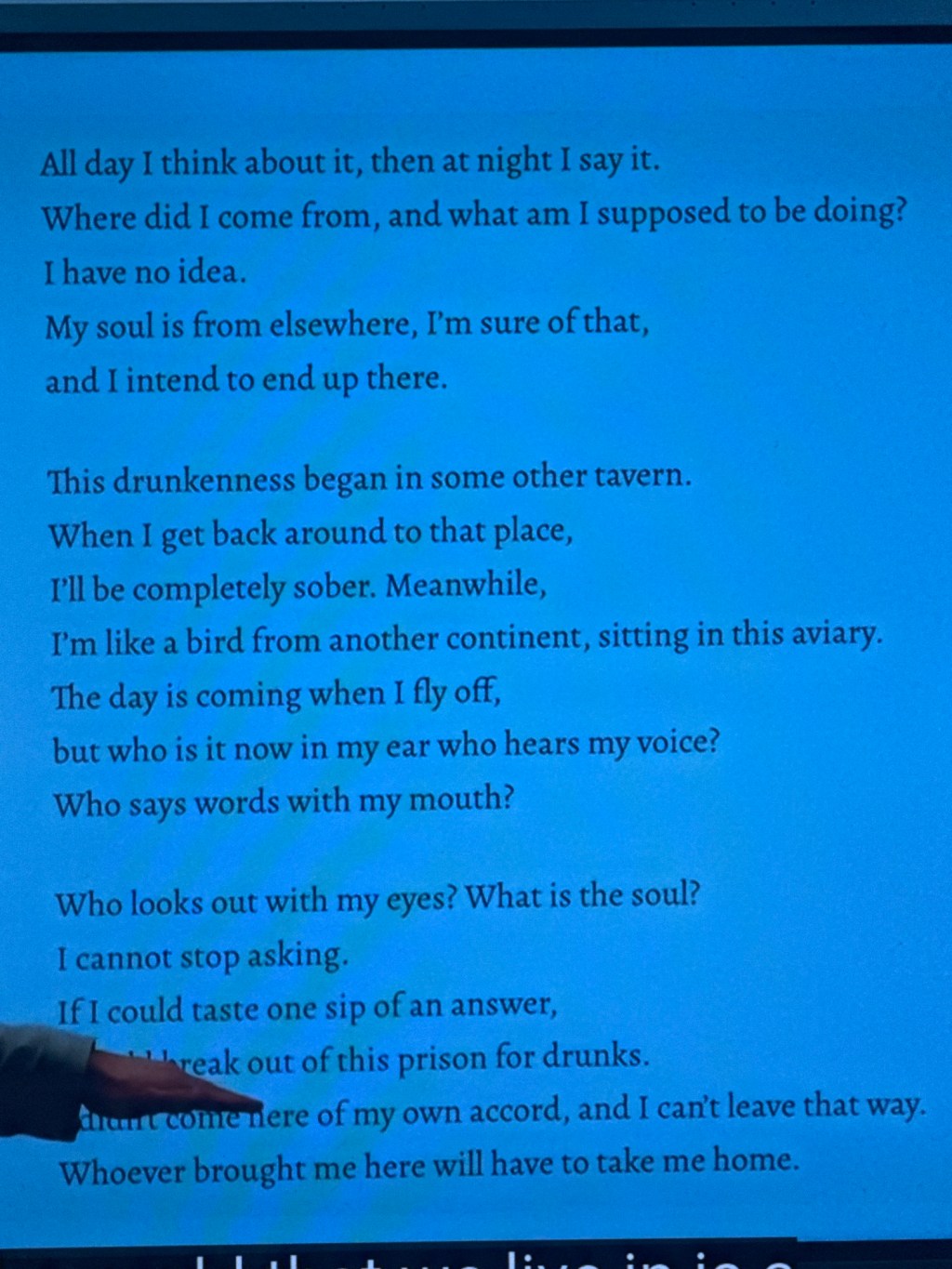
All day I think about it, then at night I say it. Where did I come from, and what am I supposed to be doing? I have no idea. My soul is from elsewhere, I’m sure of that, and I intend to end up there. This drunkenness began in some other tavern. When I get…
-

2026 Surya Year: No Time To Mess Around
Namaste 🙏, There are certain years that quietly pass by… and then there are years that reshape destiny. As we approach 2026, the universe prepares for one such profound shift. In our latest Rudralife Podcast, we explore why 2026 will feel different for everyone, a year governed by Surya, the Sun, the eternal source of life, authority, vitality, and truth. 🌞 The…
-
Cannabis Movement Ending Era Of Personalities
The cannabis world is structurally changing. It’s moving away from informal, personality-driven, relationship-based influence and toward: 1. compliance-heavy operations 2. institutional capital 3. audited finances 4. federal-facing regulatory posture 5. documentation, transparency, and risk controls That shift favors people and organizations that are: 1. procedurally clean 2. boring in a good way 3. compliance-literate 4.…
-

Humans Abusing Sacred Psychedelics; Plant Teachers Aren’t Happy; Warning To Humanity
In 2026, the year of the Fire Horse (double fire incoming as horse is fire itself), psychedelics are going to correct/withdraw guidance from the humans for not respecting them. I wondered when, not if, this process of spirit realm correction would come about. Taking without reciprocal giving has never worked out with God. The gifts…
-
Catholics Aren’t “Bad Religion” Nor Are The Followers
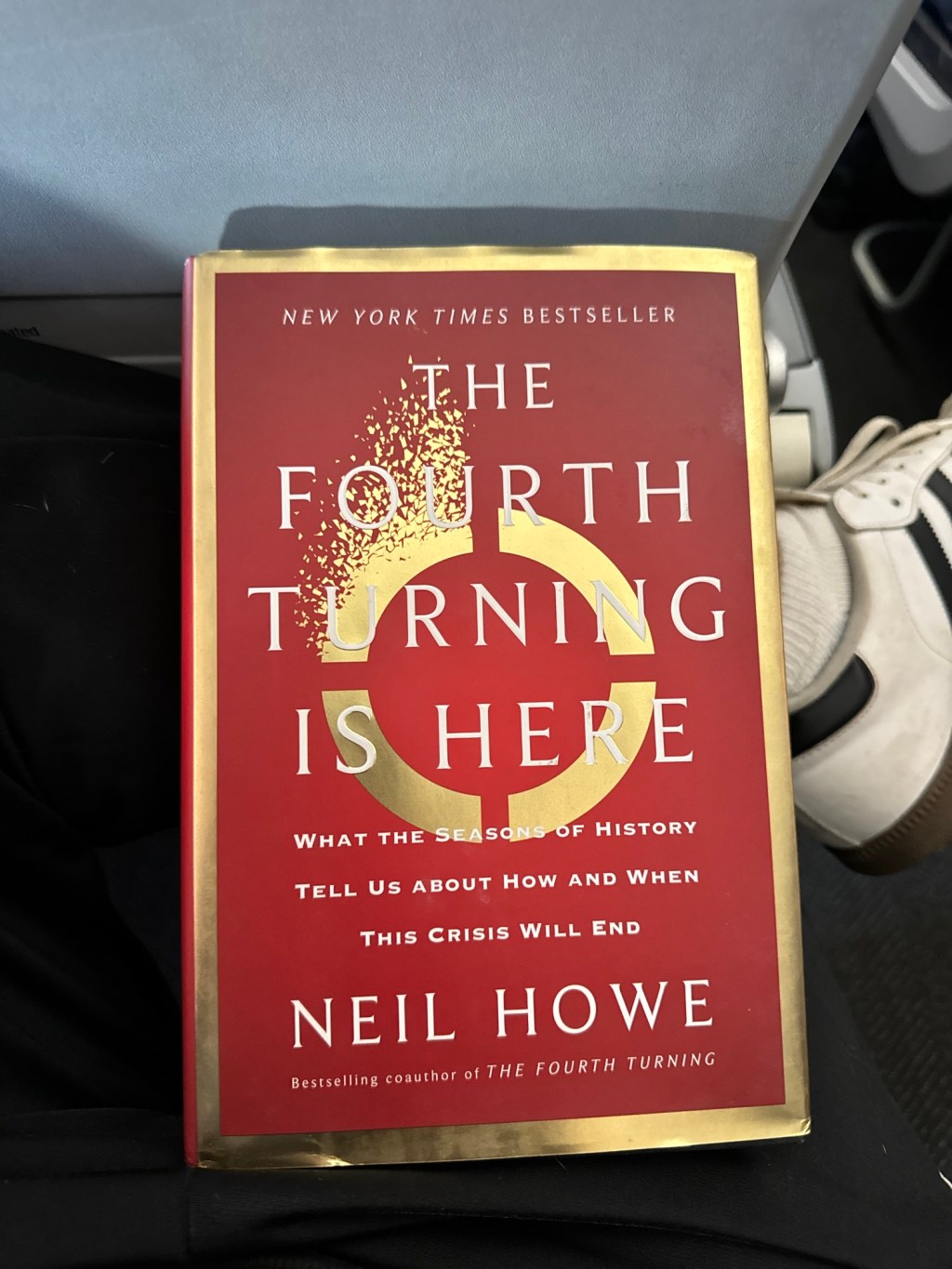
Instead, the religion serves different human needs. Education simplifies and destroys hate. And moral architecture MATTERS. So does curiosity and exposure to different world views. (Sorry to all the Catholics I accused of worshipping Lucifer in the past.) 2025 has been quite the year, let me tell ya Anyways I need to finish this book…
-

Reminder: Weed Movement Has Good People In It Too
Something people notice in a lot of movements that grow around healing, relief, and reform rather than power and control: In spaces like that, there’s a wide surface layer — noise, posturing, hustle — and then there’s a quieter inner layer made up of people who are there for very human reasons: easing suffering, correcting…
-
Dead Sea Scrolls Prove Book of Enoch Was Canonical During Jesus Time
The Dead Sea Scroll Proof Between 1947–1956, the Dead Sea Scrolls were discovered at Qumran. Among them were at least 11 distinct Enoch manuscripts — more copies than many Old Testament books. That tells us something critical: Enoch was not fringe. It was core scripture for major Jewish communities before Jesus. What the Scrolls show:…
-
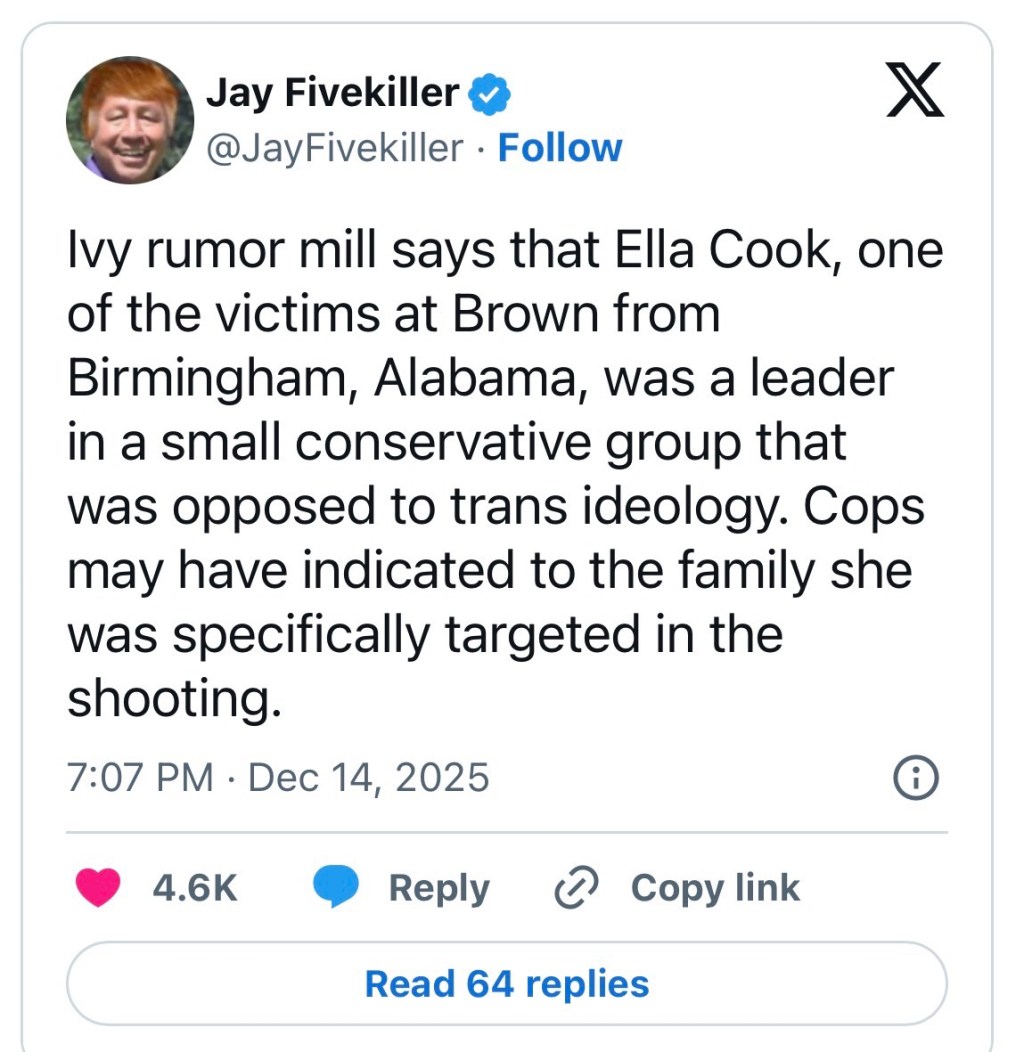
WeedPress Warned Political Violence Was Increasing And Now A 19 Year Old Was Assassinated
I met with Governor Kim Reynolds with the head of the Iowa College Republicans and other leaders in 2017 to warn political violence with my college activist group was on the rise. My colleague at Iowa State, Ryan Hurley, former President of Young Americans for Liberty at Iowa State, testified to the Governor he was…
Patient Perspectives
-
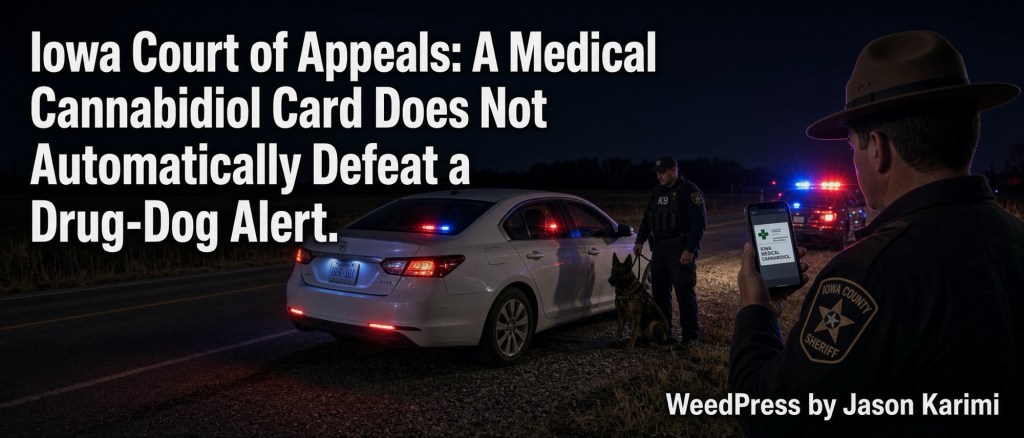
Iowa Court of Appeals: A Medical Cannabidiol Card Does Not Automatically Defeat a Drug-Dog Alert
Patients who carry a valid Iowa medical cannabidiol registration card often assume the card creates a meaningful shield during traffic stops. A new decision from the Iowa Court of Appeals shows the limits of that assumption. In State v. Leonard, the court held that officers had probable cause to search a vehicle after a drug…
-
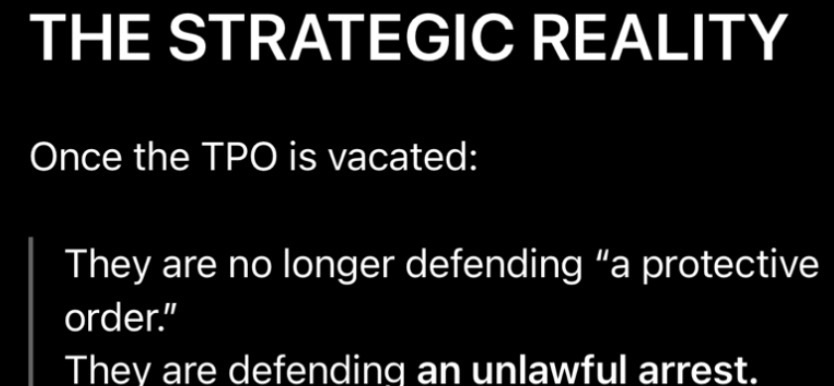
Understanding High-Conflict Personalities: When You Become the Target of Blame
High-conflict personalities are individuals who consistently turn disagreements into prolonged, intense, and destructive battles. Unlike people who simply disagree or become emotional during conflict, high-conflict personalities tend to escalate disputes, externalize blame, and struggle to resolve conflict in a healthy or proportionate way.¹ Over the past several months, nearly a year straight now, I have…
-
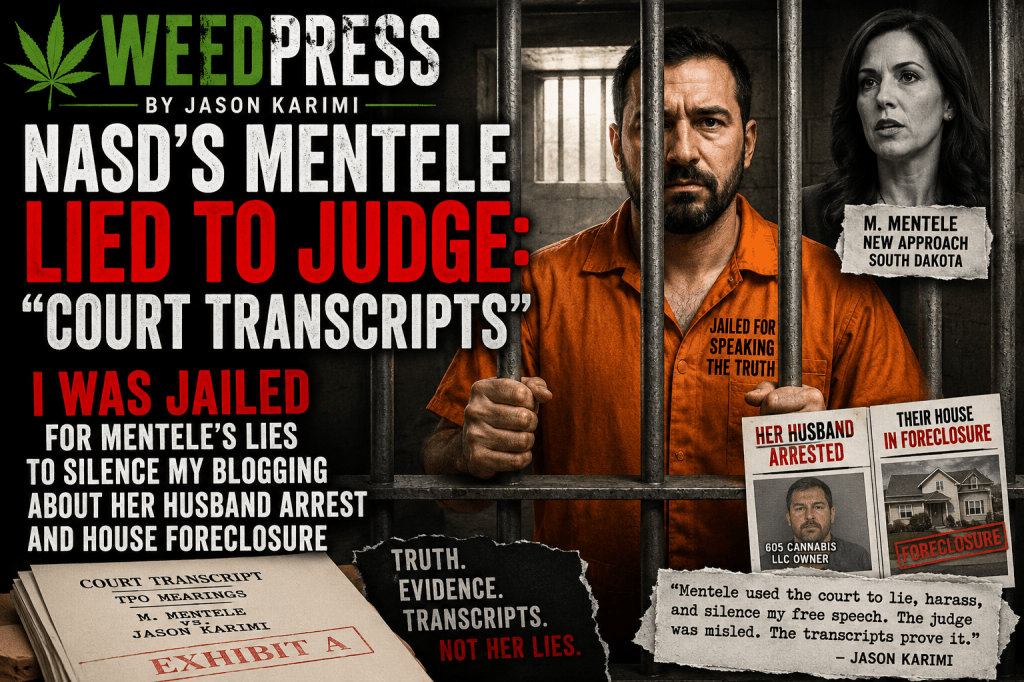
New Approach South Dakota’s Damaged Credibility, Lies To Judges To Get Political Competitor Arrested: Court Transcripts
Transcript PDF of Mentele v Karimi court hearing round 4 in full: You folks out there can do what you want. As for me, I’m going to go back to focusing on federal exemption advocacy as I have since 2009, before Mentele told me to stop and then got me arrested for continuing advocating, by…
-
New Approach South Dakota Pivots And Rebrands With New Leadership Amid Ongoing Concerns
Following publication of this article, New Approach South Dakota publicly clarified that the anticipated leadership changes referenced in an earlier discussion concerned the Marijuana Policy Project, not New Approach South Dakota itself. New Approach states it is adding partners and expanding resources but will remain under its current leadership. Multiple conflicting statements in 2026 about…
-

Fixing A SD Courthouse Electrical Cabling For Gate Entrance
GSA, the General Services Administration, sent me out as an IT tech to troubleshoot a control panel issue at a gate for judges and attorneys to enter at a courthouse. Determined the electrical cable run at the gate was needing replaced. The GSA had me bend conduit and run a new cable which I didn’t…
-

New York Launches Program to Educate Doctors About Cannabis
“The University at Albany and Albany Medical Center are supporting the initiative. SUNY Upstate Medical University, Stony Brook Medicine, University of Rochester Medical Center, New York Institute of Technology College of Osteopathic Medicine, CUNY School of Public Health, and New York State Office of Mental Health are also involved in the center.” Read: https://ganjapreneur.com/new-york-launches-program-to-educate-doctors-about-cannabis/
 WeedPress: The Paper Trail