Featured Analysis
-

605 Cannabis LLC Products Pulled From Shelves At 9 Fed Up Dispensaries In South Dakota.
Details soon. But the business arm of the far-left radical New Approach South Dakota lobbyist loser group has gotten caught being dishonest in the business world and is losing an estimated 50% of statewide product sales distribution channels. This group is too stupid to realize they’re hurting marijuana advocacy politically in South Dakota with their…
-

New Approach South Dakota Leadership Faces Down $800,000 Unpaid Rent Allegation, Foreclosure, and Domestic Assault Case
Reports state that the for-profit company associated with far-left radicals at New Approach South Dakota is approximately $800,000 behind on rent at its cultivation facility.¹ No public court filing or Department of Health document currently confirms that amount.² What is on the public record is a set of personal legal matters involving New Approach South…
-

WeedPress Requests Five Years of MMOC Communications with Outside Groups
WeedPress has submitted an open records request to the Legislative Research Council for communications and participation involving outside individuals and organizations in the Medical Marijuana Oversight Committee from October 19, 2021, through October 19, 2026.¹ The request seeks records concerning the Committee’s official business under SDCL § 34-20G-93, including emails, letters, text messages, attachments, speaker…
-
South Dakota Bishops Call Recreational Marijuana Use Intrinsically Evil. What Does Catholic Teaching Say About Legalization?
Does Catholic teaching necessarily condemn the legalization of a regulated adult-use market, or does it condemn the underlying non-therapeutic use while leaving room for different judgments about public policy? On October 16, 2026, Bishops Donald E. DeGrood of Sioux Falls and Scott E. Bullock of Rapid City issued a joint statement supporting Amendment L, a proposed…
-
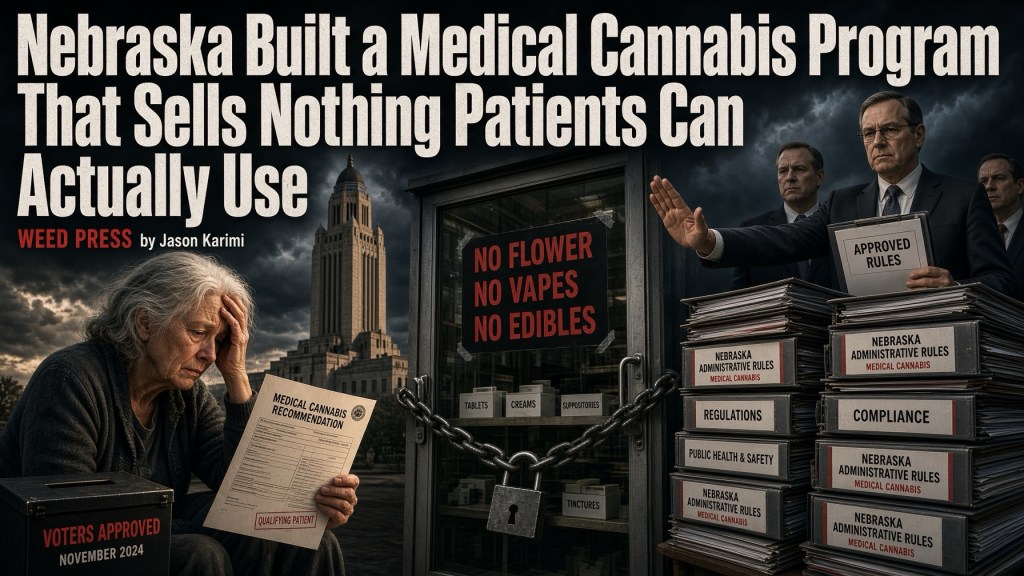
Nebraska Built a Medical Cannabis Program That Sells Nothing Patients Can Actually Use
Nebraska voters approved a medical cannabis law that lets qualified patients possess up to five ounces. The Nebraska Medical Cannabis Commission then adopted permanent rules that ban several familiar forms of medical cannabis, including flower, vaping products, and infused foods, while the regulated supply chain remains incomplete.¹ Under the permanent rules approved by the Attorney…
-
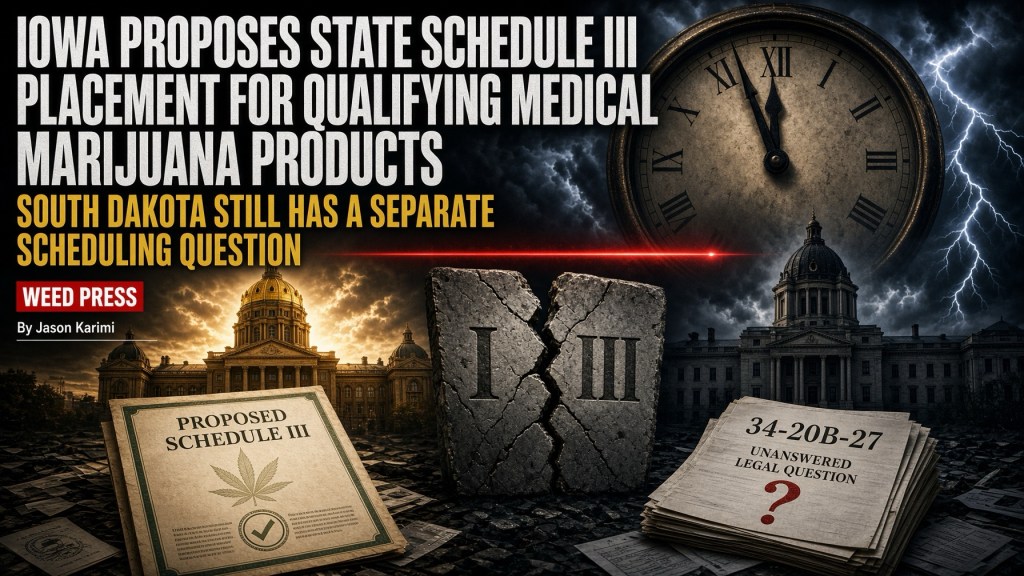
Iowa Proposes State Schedule III Placement for Qualifying Medical Marijuana Products. South Dakota Still Has a Separate Scheduling Question.
Iowa’s Board of Pharmacy is proposing to temporarily place certain medical marijuana products in Schedule III under the Iowa Controlled Substances Act, following the federal government’s April 28 rescheduling order.¹ The proposal, published September 30 as Regulatory Analysis RA 26-323, would add qualifying marijuana, marijuana extracts, and naturally derived delta-9-tetrahydrocannabinols to Iowa’s Schedule III when…
Policy
-
MMOC Agenda For October 13 2026 Meeting Includes Federal Rescheduling Discussion By AG Office
The discussion continues. Federal and international law matters. All of us need to work together to make the state regulate and implement its own program and laws and not be lead by the Feds without state input. To register to speak during public comment, go here: Register at https://sdlegislature.gov/testify/307903. The form is on the October…
-
Authorized Partnerships: Lay Participation in Administrative Process and the South Dakota Cannabis File
A July 2026 working paper by Anthony M. Bertelli treats lay participation in administration as more than a courtesy window on a proposed rule.¹ The claim is institutional, not sentimental. Carefully designed participation, he argues, can function as an “authorized partnership”: a legally structured encounter in which ordinary people help keep public administration tied to…
-
South Dakota’s Medical Marijuana Oversight Committee Meets October 13.
The South Dakota Legislature’s public schedule now lists a meeting of the Medical Marijuana Oversight Committee for Tuesday, October 13, 2026, at 11:00 a.m. in Room 362 at the State Capitol in Pierre.¹ For weeks the committee page showed the 2026 roster and the August materials and nothing else.² The date is now on the…
-
The Advantage Is Not Knowing More. It Is Knowing What to Do Next.
How mistakes, limited resources, and administrative law taught me to turn public information into decisions. There was a time when I thought the advantage was knowing something other people did not know. I do not think that anymore, after 17 obsessed years studying cannabis law and admin law as best as I can as often…
-
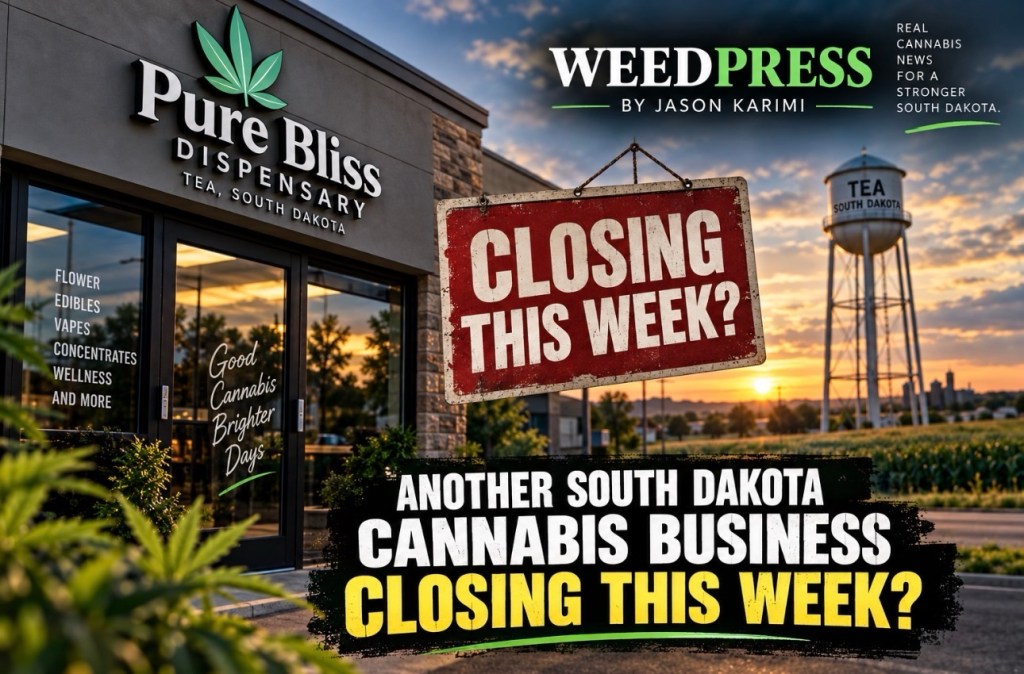
Pure Bliss Planned for Medical, Recreational and Expansion. Now Its Tea Dispensary Is Reportedly Closing.
Update 1: Pure Bliss confirmed via phone at the store on 9-27-26 is their last day and they are closing the dispensary permanently. A Reddit tip says the store will close September 27 while Pure Bliss Farms keeps growing. The closure is not yet confirmed—but the company’s original business plan raises a larger question about…
-
South Dakota Wants to Rewrite Its Corrective-Action Rule. The Fine Can Still Come With It.
The first article counted the amendments. This one reads the two enforcement sections together. South Dakota’s Department of Health is proposing to replace the first-offense dollar amounts for two categories of medical-cannabis violations with corrective-action plans.¹ That sounds straightforward until the Department’s proposed enforcement provisions are read together. Proposed § 44:90:12:11 says a first Category…
Law
-
605 Cannabis LLC Products Pulled From Shelves At 9 Fed Up Dispensaries In South Dakota.
Details soon. But the business arm of the far-left radical New Approach South Dakota lobbyist loser group has gotten caught being dishonest in the business world and is losing an estimated 50% of statewide product sales distribution channels. This group is too stupid to realize they’re hurting marijuana advocacy politically in South Dakota with their…
-
New Approach South Dakota Leadership Faces Down $800,000 Unpaid Rent Allegation, Foreclosure, and Domestic Assault Case
Reports state that the for-profit company associated with far-left radicals at New Approach South Dakota is approximately $800,000 behind on rent at its cultivation facility.¹ No public court filing or Department of Health document currently confirms that amount.² What is on the public record is a set of personal legal matters involving New Approach South…
-
WeedPress Requests Five Years of MMOC Communications with Outside Groups
WeedPress has submitted an open records request to the Legislative Research Council for communications and participation involving outside individuals and organizations in the Medical Marijuana Oversight Committee from October 19, 2021, through October 19, 2026.¹ The request seeks records concerning the Committee’s official business under SDCL § 34-20G-93, including emails, letters, text messages, attachments, speaker…
-
South Dakota Bishops Call Recreational Marijuana Use Intrinsically Evil. What Does Catholic Teaching Say About Legalization?
Does Catholic teaching necessarily condemn the legalization of a regulated adult-use market, or does it condemn the underlying non-therapeutic use while leaving room for different judgments about public policy? On October 16, 2026, Bishops Donald E. DeGrood of Sioux Falls and Scott E. Bullock of Rapid City issued a joint statement supporting Amendment L, a proposed…
-
Nebraska Built a Medical Cannabis Program That Sells Nothing Patients Can Actually Use
Nebraska voters approved a medical cannabis law that lets qualified patients possess up to five ounces. The Nebraska Medical Cannabis Commission then adopted permanent rules that ban several familiar forms of medical cannabis, including flower, vaping products, and infused foods, while the regulated supply chain remains incomplete.¹ Under the permanent rules approved by the Attorney…
-
Iowa Proposes State Schedule III Placement for Qualifying Medical Marijuana Products. South Dakota Still Has a Separate Scheduling Question.
Iowa’s Board of Pharmacy is proposing to temporarily place certain medical marijuana products in Schedule III under the Iowa Controlled Substances Act, following the federal government’s April 28 rescheduling order.¹ The proposal, published September 30 as Regulatory Analysis RA 26-323, would add qualifying marijuana, marijuana extracts, and naturally derived delta-9-tetrahydrocannabinols to Iowa’s Schedule III when…
Science
-
Davenport’s Two Bridges Lead Iowans To Legal Cannabis Selling Towns In Nearby Illinois. How That Might Effect Cannabis Use Rates.
From the Quad-City Times — Moline approves developing zoning regulations for cannabis businesses: “Alderman Dick Potter, 4th Ward, said the legalization of cannabis is long overdue.” It’s a boring article where councilmen dicker and worry about social costs of freedom and liberty from a completely uninformed and blatantly oblivious point of view. Interesting point…
-
Iowa Public Radio: Some Pregnant Women Use Weed For Morning Sickness But…
…FDA Cautions Against It (click link for Iowa Public Radio story on cannabis use by pregnant women). Studies show more women in the US are using cannabis during pregnancy. In 2009, when I was first becoming an activist, the Iowa Board of Pharmacy heard testimony on medical cannabis users in Jamaica who were pregnant. The…
-
November 1st Iowa Cannabis Board Meeting Has Flower On Agenda, PTSD, More
Below is the agenda for the November 1st 2019 medical cannabidiol board hearing. For more info on the medical cannabidiol advisory board click here. There are links to the left of the page and are all worth reading if you’re new to this. Agenda for November 1st meeting has vaped flower, PTSD, opioid disorder, Alzheimer’s,…
-
New York Times: Legal CBD Can Get You Arrested As Drug Tests Think It’s Marijuana. Solution?
New York Times headline says: CBD or THC? Common Drug Test Can’t Tell the Difference Solution? Legalize it. Doesn’t take a scientist.
-
Corticobasal Degeneration Patients Now Legalized For Iowa’s Restrictive Racist Cannabis Law This October 16th
Read the notice from the Iowa Medical Cannabidiol Board about it here. Supporters of Iowa’s marijuana program are strongly encouraged to call and leave a message for the Board at (515)-725-2076, or send an email at medical.cannabidiol@idph.iowa.gov. Tell the Board that at the next upcoming meeting in November to vote to add PTSD to the list…
-
University of Illinois Hosting “Hemp Field Day” September 30th, $10 A Ticket
From The Hawkeye: ROSEVILLE, Ill. — University of Illinois Extension invites farmers considering hemp as a cash crop to CBD Hemp Field Day Sept. 30. The event will open with registration at 9:30 a.m. at American Hemp Research in Roseville, Illinois. Attendees will learn about hemp production from someone who has been in the…
Current Events
-
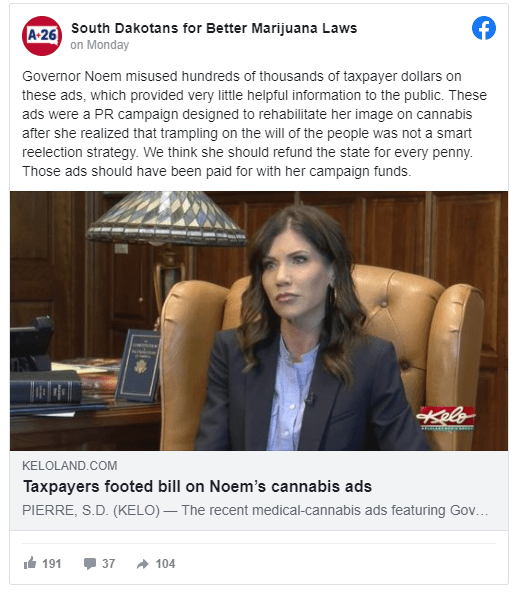
Taxpayers Billed Huge Money For Governor’s Marijuana Advertisements — While Failing To Produce Image Rehab
South Dakotans for Better Marijuana Laws (click here to follow them on Facebook) campaign director Matthew Schweich has taken aim at Governor Noem’s expensive marijuana advertisements that bilked taxpayers out of unnecessary dollars. Governor Noem, who was responsible for opposing a voter-approved legalization program in South Dakota while accusing marijuana users of being “not smart,”…
-

Indubious – He Who Has The Ears
Lyrics to this song weren’t on the internet, so, here they are. “When you change yourself that’s the destruction of the system” Full time that we stomp out the fear. No matter what they say, The high vibe works and wisdom come to sanctify my day Well it may get hard oh it may get…
-
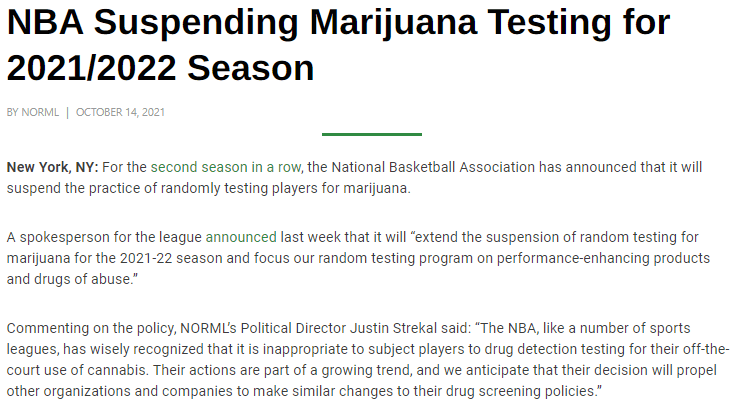
NBA Suspending Marijuana Testing for 2021/2022 Season (by NORML)
One of my main motivations for founding and creating WeedPress — help yourself and follow WeedPress on Facebook — as an alternative news resource was that I was an Iowa soccer referee. I was told that I was a candidate for the top ten slots in the state in fall 2013, and put on a…
-
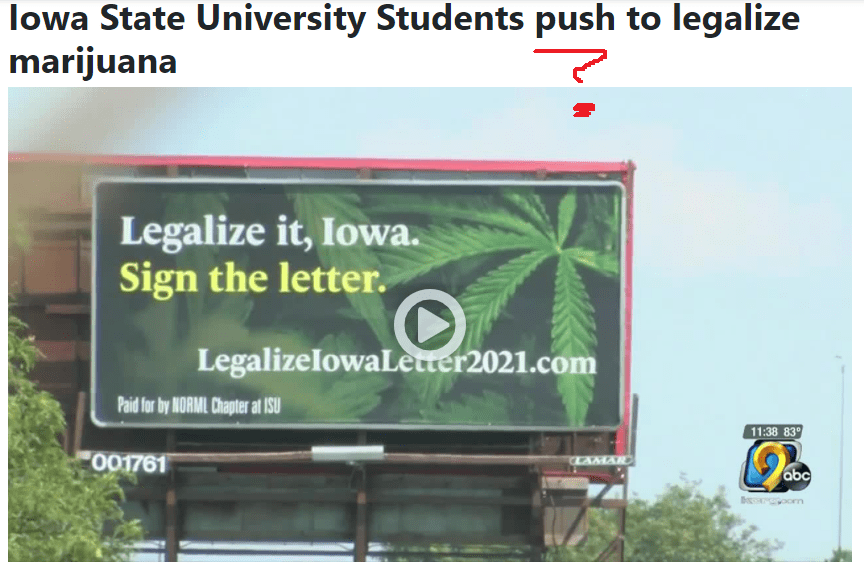
Iowa Marijuana Advocates Thrown Under Bus By Mainstream Media After Purchasing Marijuana Billboard Ad. Why?
Sign the petition to legalize marijuana in Iowa: https://www.legalizeiowaletter2021.com/ I was sort of hurt by a pair of media headlines from mainstream Iowa media organizations who covered a really well done effort by the college chapter at Iowa State University NORML. These kids put up their own money to purchase a billboard in downtown Des…
-
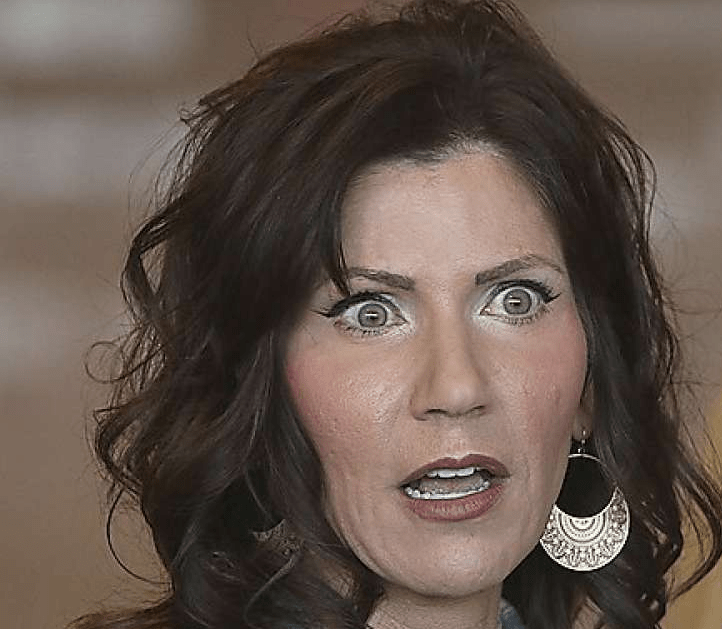
Anti-Marijuana Governor Caught In Extramarital Affair With Former Trump Campaign Manager Corey Lewandowski
Anti-marijuana Republican Kristi Noem — who hates everything marijuana — has been caught allegedly having sex outside of her marriage. If credible, these allegations will tank the anti-marijuana governor’s chances of holding federal office in the near future. As of Thursday, September 30th, Noem’s resistance to legalizing marijuana is still a developing story. More news…
-

Letter To US Senator Chuck Grassley: Help Iowa Gain Federal Cannabis Approval!
Weed All About It! Iowans for Medical Marijuana has written a letter to US Senator Charles Grassley requesting help in their ongoing efforts to gain an exemption from federal law for Iowa patients who choose to use medical marijuana. Here’s the letter:
Legislation
-
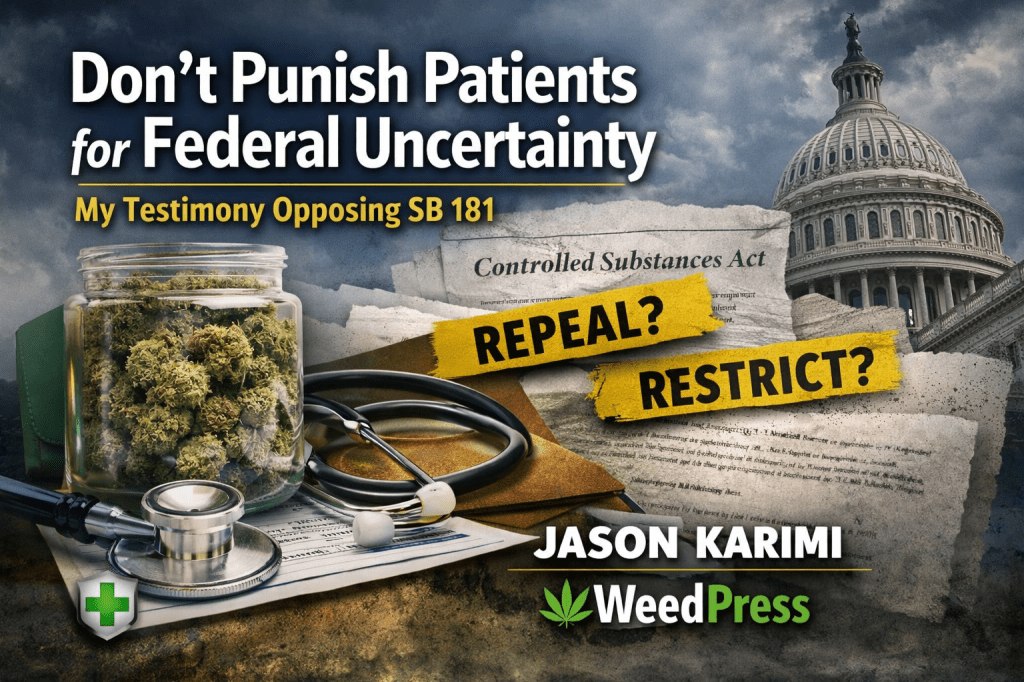
Don’t Punish Patients for Federal Uncertainty: My Testimony Opposing SB 181
Don’t Punish Patients for Federal Uncertainty: My Testimony Opposing SB 181 By Jason Karimi | WeedPress March 6, 2026 Video record: https://youtu.be/3u0VY7OIvlI South Dakota Senate Health & Human Services Committee — February 11, 2026 On February 11, 2026, I spoke twice to the South Dakota Senate Health & Human Services Committee to oppose two bills…
-
HB 1065, A Bill To Felonize Medical Cardholders, Defeated 4-3
Senator Smith prior to the bill being defeated said: “This is another form of medicine. While it’s not a prescription it’s a permit to have it.” Then why is cannabis classified as Schedule I? Minnesota has it scheduled Schedule III. Why the conflicting laws in South Dakota?
-
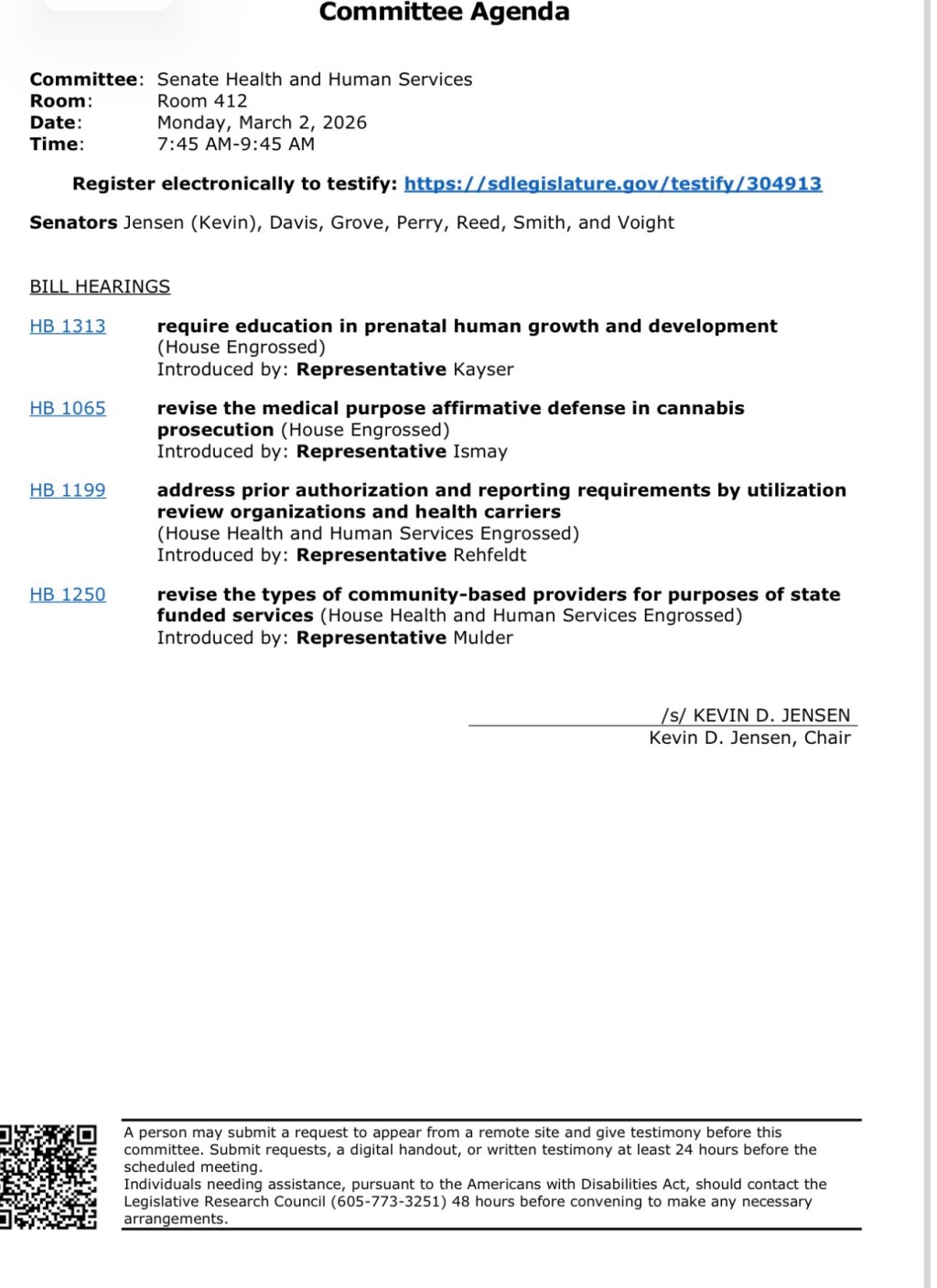
South Dakota Hearing on HB 1065: Medical Cannabis “Affirmative Defense” Change — 7:45 a.m. Monday (Capitol Room 412)
South Dakota Hearing on HB 1065: Medical Cannabis “Affirmative Defense” Change — 7:45 a.m. Monday (Capitol Room 412) By Jason Karimi | WeedPress March 2 2026 Public comment is welcome. The Senate Health & Human Services Committee meets Monday, March 2, 2026, at 7:45 a.m. in Capitol Room 412, and HB 1065 (revising the medical-purpose…
-
Medical Cannabis in South Dakota Has Entered a Political Vulnerability Phase
Medical Cannabis in South Dakota Has Entered a Political Vulnerability Phase By Jason Karimi | WeedPress February 18, 2026 After passing the House 53–13 on February 17 and receiving its first reading in the Senate on February 18, HB 1065, which rolls back medical cannabis protections in South Dakota, has already done more than advance procedurally. It has…
-
From Diagnosis to Discipline: Building Primary Leverage in South Dakota’s Medical Cannabis Politics
From Diagnosis to Discipline: Building Primary Leverage in South Dakota’s Medical Cannabis Politics By Jason Karimi | WeedPress February 16, 2026 HB 1065 advancing is a test for the medical cannabis movement in South Dakota. If a restriction bill can clear committee 8–3 and advance toward the House floor with minimal electoral anxiety, the movement…
-
WeedPress Is Mapping the Battlefield While Others Debate the Map
WeedPress Is Mapping the Battlefield While Others Debate the Map WeedPress Policy SeriesBy Jason Karimi ⸻ There are two kinds of publications in contentious policy environments. Some debate what the terrain should look like. Others study what the terrain actually is. WeedPress was built to do the second. While many cannabis commentators remain focused on…
RFRA Updates
-

Iowa Found a Religious Cannabis Claim Sincere — Then Denied the Injunction Because Hemp Already Sells THC
A Polk County judge found Carl Olsen’s religious cannabis claim sincere but held that Iowa’s legal hemp market meant he had not shown that marijuana enforcement substantially burdened the particular religious exercise he presented.¹ The September 10, 2026 order in Olsen v. State of Iowa is not a ruling that sacramental cannabis is unprotected. It…
-

Nebraska First Freedom Act RFRA Appeal: Notes On General Language In Judicial Opinions
Türkiye Halk Bankası / Illinois v. Lidster: general language in an opinion is about the case then in front of the Court, not every later fact pattern. He is telling you not to treat a sentence from O Centro or a church case as a machine that prints a win for a lone probationer in…
-
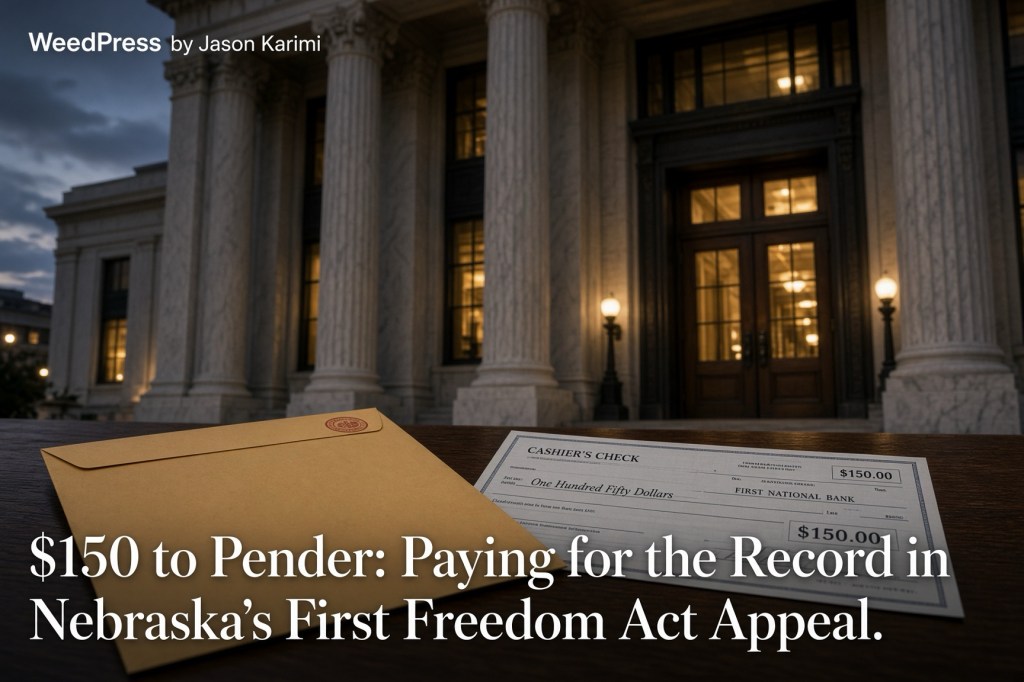
$150: Paying for the Record in Nebraska’s First Freedom Act Appeal
On Wednesday, August 26, 2026, I mailed a $150 cashier’s check to the Thurston County District Court at P.O. Box 216, Pender, Nebraska 68047. The check covers the estimated cost of the Bill of Exceptions for the April 8, 2026 evidentiary hearing on my request to modify a probation condition under Nebraska’s First Freedom Act.¹…
-

Court Said I Didn’t Prove My Religion Because I Didn’t Testify. I’m Appealing Under Nebraska’s Religious “First Freedom Act”
Today I filed a Notice of Appeal in Thurston County District Court challenging the July 1, 2026 Order that denied my motion to modify a probation condition under the Nebraska First Freedom Act. The motion I filed sought a narrowly tailored religious accommodation allowing sacramental cannabis use consistent with my practice of the Rastafari faith.…
-

Nebraska RFRA Appeal Argument, July 21, 2026
ARGUMENT I. The District Court Erred by Treating Defendant’s Personal Testimony as Effectively Indispensable to Establishing Sincerity Under the Nebraska First Freedom Act. The district court denied Defendant’s motion on the ground that he failed to establish a “sincerely held religious belief.” The court reasoned as follows: “There was no direct evidence of Defendant’s sincerely…
-
Clarifying the Burden of Proof on Religious Sincerity Under RFRA and the Nebraska First Freedom Act
This submission addresses the proper burden of proof regarding religious sincerity under the Religious Freedom Restoration Act (“RFRA”), 42 U.S.C. § 2000bb-1, and the Nebraska First Freedom Act, Neb. Rev. Stat. § 20-1701 et seq., in the context of a probation modification request seeking a religious exemption for the sacramental use of cannabis. Legal Standard:…
Upcoming Events
-
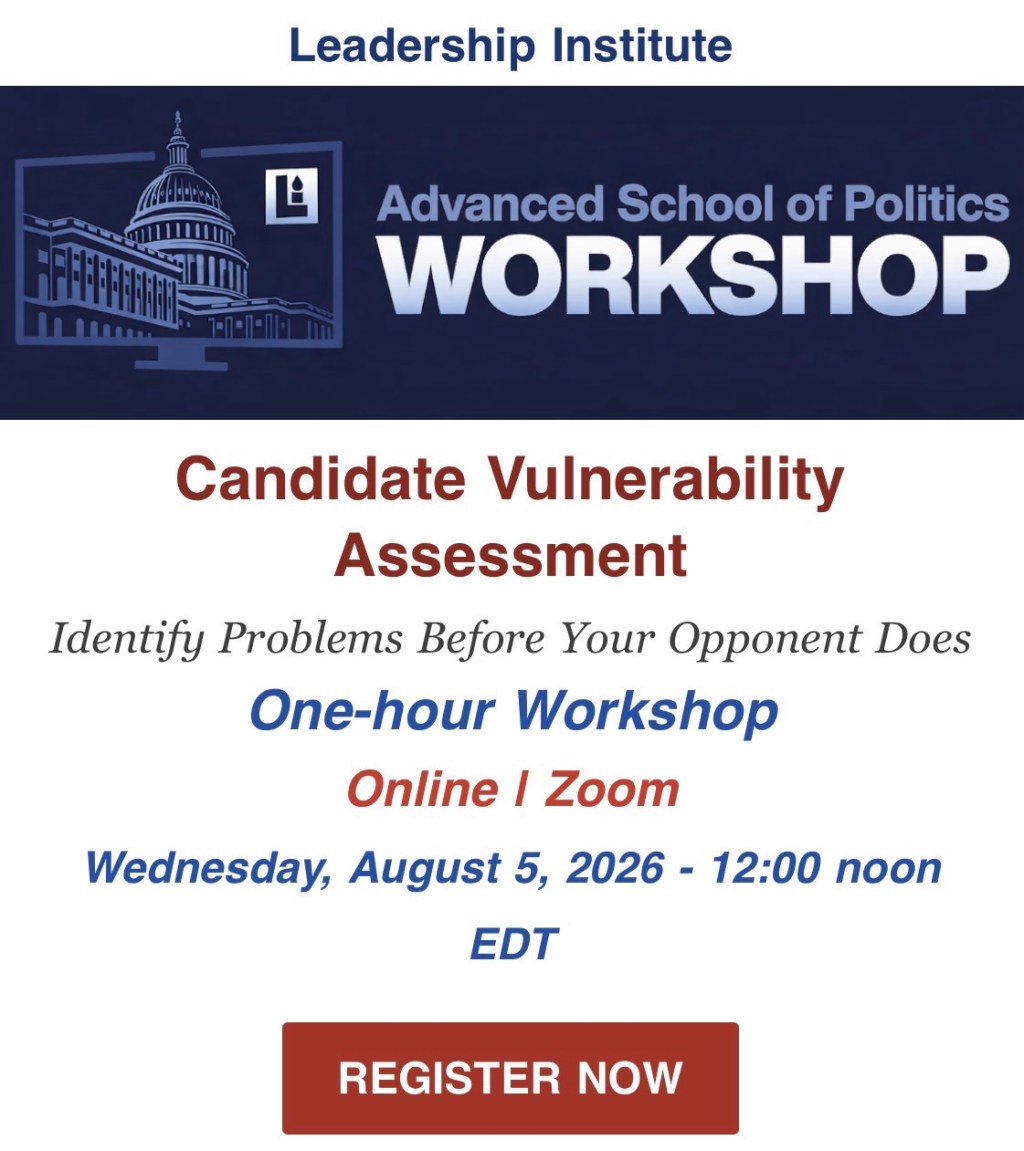
Online Workshop – Candidate Vulnerability Assessment
Every candidate enters a race with potential vulnerabilities. These may include previous statements, professional history, financial records, social media activity, personal relationships, policy positions, or inconsistencies in the candidate’s public record. https://leadershipinstitute.org/event/701VL00000xvu8MYAQ Campaigns often devote significant time and resources to researching their opponents while failing to conduct the same level of research on their own…
-

Indigenous Women’s Medicine Wheel Ride – August 9 Sturgis (Sign Up Here)
I’ll be on this ride at Sturgis this year on the marijuana Harley ultra glide. Go to the guy with the reggae blasting to link. Prayer at 8:30. Bring your safety gear as well. $60 registration. Follow Doodle On A Motorcycle on YouTube for updates. Ride starts at Outlaw Square. Register here: https://www.medicinewheelride.org/ Who We…
-

The June 27 DEA Registration Deadline Is Coming Fast: South Dakota Operators Face a Compliance Cliff as the Safe Harbor Window Closes
With the June 27 DEA registration deadline approaching, the following analysis examines the practical timeline and compliance pressures facing South Dakota operators. South Dakota’s licensed medical cannabis operators now have roughly 29 days to secure critical federal protections before the expedited DEA registration window closes. On April 28, 2026, the Department of Justice and Drug…
-

Advance Notice to South Dakota Department of Health: Petition for Scheduling Review Will Follow Federal Rescheduling Hearings
South Dakota’s medical cannabis program stands at a critical juncture following the federal partial rescheduling of certain marijuana products to Schedule III.¹ After the DEA’s June 29, 2026 rescheduling hearing concludes, the undersigned will formally petition the South Dakota Department of Health (DOH) to review and align the state’s Schedule I classification of marijuana with…
-
Why South Dakota’s Own Statutes Now Make Schedule I Marijuana Unlawful to Maintain
“Acting Attorney General Todd Blanche is placing both FDA-approved drug products containing marijuana, and medicinal marijuana products subject to a qualifying state-issued license in Schedule III under his authority to reschedule drugs to carry out the United States’ obligations under the Single Convention on Narcotic Drugs.”¹ South Dakota, however, is not automatically bound by that…
-

South Dakota’s Schedule I Marijuana Prohibition Heads to Court This Summer: Lawsuit Will Seek Declaration That State Law No Longer Satisfies Its Own Criteria
This summer I intend to file a civil action against the State of South Dakota seeking a judicial declaration that the state’s Schedule I classification of marijuana no longer satisfies the statutory criteria required for Schedule I placement under South Dakota law.¹ The claim is straightforward: once the factual predicate of “no accepted medical use”…
For The Record (2026), By Jason Karimi
-
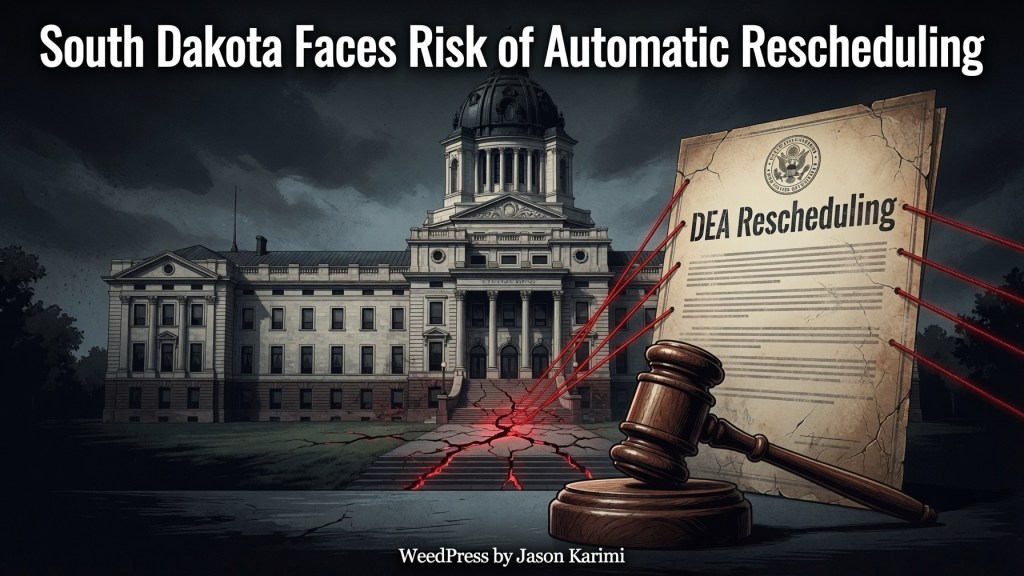
South Dakota Faces Risk of Automatic Rescheduling Under Existing Statutory Language
The recent action by Wyoming’s Attorney General demonstrates that states are increasingly recognizing the legal significance of federal marijuana rescheduling where state statutes incorporate federal scheduling decisions. South Dakota’s existing statutory language raises similar questions that should be addressed before federal reform takes effect. WeedPress has previously warned that South Dakota law contains automatic trigger…
-
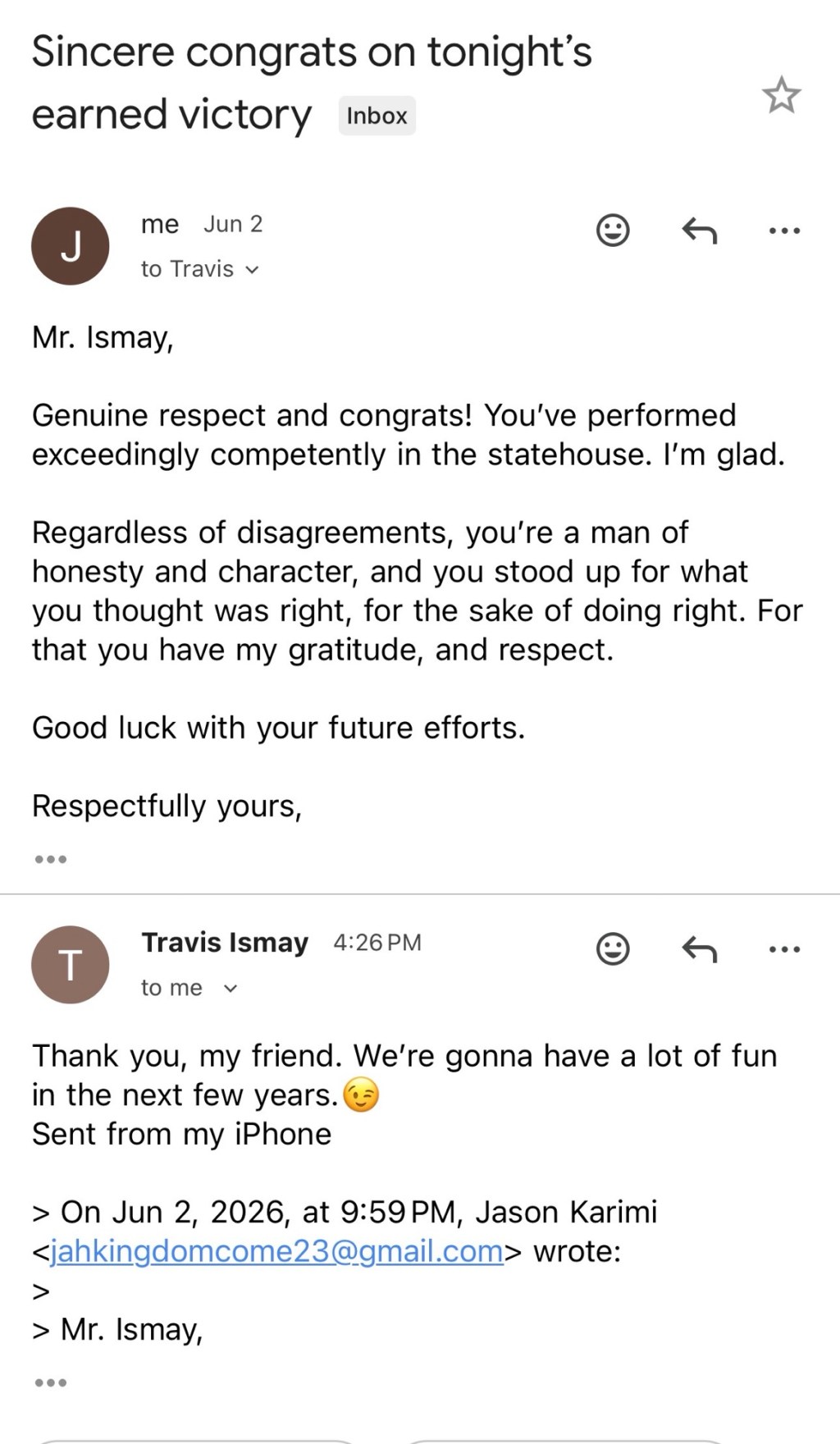
Travis Ismay Responds to My Congratulatory Email: A Small Step Toward Civil Discourse in South Dakota Politics
Yesterday, Rep. Travis Ismay (R-House District 28B) replied to the congratulatory email I sent him shortly after his decisive Republican primary victory on June 2.¹ For context, here is the full exchange: My email (June 2, 2026): For context, here is the full exchange: It’s a brief, gracious response — and one I appreciate. Background…
-
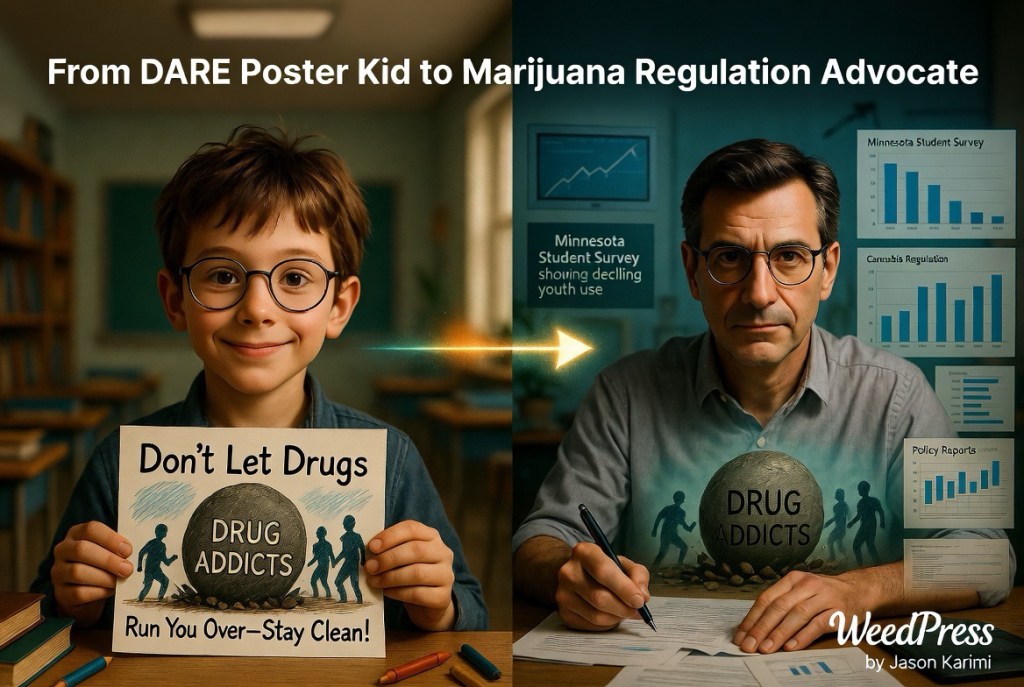
DARE Poster Kid to Marijuana Regulation Advocate: My Unchanging Fight to Protect Kids
When I was in elementary school, the DARE program left a lasting impression. Officers visited regularly, warning us about the dangers of drugs and pushing the “just say no” message. I took it seriously. So when the school announced an anti-drug poster contest open to elementary students, I threw myself into creating something impactful. My…
-

Chapter 10: What Remains
Table of Contents Preface Chapter 1 — The First ArrestEarly rupture, authority, and the beginning of resistance Chapter 2 — Before the File Was Opened Gifted education, faith, discipline, and early legitimacy Chapter 3 — Becoming a ProblemWork, exhaustion, collapse, and the cost of visibility Chapter 4 — Learning the Language of PowerCourts, probation, jail, campaigns, and proximity to decision-makers…
-

Chapter 9: The Record vs. the Narrative
Table of Contents Preface Chapter 1 — The First ArrestEarly rupture, authority, and the beginning of resistance Chapter 2 — Before the File Was Opened Gifted education, faith, discipline, and early legitimacy Chapter 3 — Becoming a ProblemWork, exhaustion, collapse, and the cost of visibility Chapter 4 — Learning the Language of PowerCourts, probation, jail, campaigns, and proximity to decision-makers…
-

Chapter 8: What the Media Gets Wrong
Table of Contents Preface Chapter 1 — The First ArrestEarly rupture, authority, and the beginning of resistance Chapter 2 — Before the File Was Opened Gifted education, faith, discipline, and early legitimacy Chapter 3 — Becoming a ProblemWork, exhaustion, collapse, and the cost of visibility Chapter 4 — Learning the Language of PowerCourts, probation, jail, campaigns, and proximity to decision-makers…
-

Chapter 7: Why I Never Left
Table of Contents Preface Chapter 1 — The First ArrestEarly rupture, authority, and the beginning of resistance Chapter 2 — Before the File Was Opened Gifted education, faith, discipline, and early legitimacy Chapter 3 — Becoming a ProblemWork, exhaustion, collapse, and the cost of visibility Chapter 4 — Learning the Language of PowerCourts, probation, jail, campaigns, and proximity to decision-makers…
-

Chapter 6: Staying Power
Table of Contents Preface Chapter 1 — The First ArrestEarly rupture, authority, and the beginning of resistance Chapter 2 — Before the File Was Opened Gifted education, faith, discipline, and early legitimacy Chapter 3 — Becoming a ProblemWork, exhaustion, collapse, and the cost of visibility Chapter 4 — Learning the Language of PowerCourts, probation, jail, campaigns, and proximity to decision-makers…
-

Chapter 5: The Apprenticeship
Table of Contents Preface Chapter 1 — The First ArrestEarly rupture, authority, and the beginning of resistance Chapter 2 — Before the File Was Opened Gifted education, faith, discipline, and early legitimacy Chapter 3 — Becoming a ProblemWork, exhaustion, collapse, and the cost of visibility Chapter 4 — Learning the Language of PowerCourts, probation, jail, campaigns, and proximity to decision-makers…
-

Chapter 4: Learning the Language of Power
Table of Contents Preface Chapter 1 — The First ArrestEarly rupture, authority, and the beginning of resistance Chapter 2 — Before the File Was Opened Gifted education, faith, discipline, and early legitimacy Chapter 3 — Becoming a ProblemWork, exhaustion, collapse, and the cost of visibility Chapter 4 — Learning the Language of PowerCourts, probation, jail, campaigns, and proximity to decision-makers…
-

Chapter 3: Becoming a Problem
Table of Contents Preface Chapter 1 — The First ArrestEarly rupture, authority, and the beginning of resistance Chapter 2 — Before the File Was Opened Gifted education, faith, discipline, and early legitimacy Chapter 3 — Becoming a ProblemWork, exhaustion, collapse, and the cost of visibility Chapter 4 — Learning the Language of PowerCourts, probation, jail, campaigns, and proximity to decision-makers…
-

Chapter 2: Before the File Was Opened
Table of Contents Preface Chapter 1 — The First ArrestEarly rupture, authority, and the beginning of resistance Chapter 2 — Before the File Was Opened Gifted education, faith, discipline, and early legitimacy Chapter 3 — Becoming a ProblemWork, exhaustion, collapse, and the cost of visibility Chapter 4 — Learning the Language of PowerCourts, probation, jail, campaigns, and proximity to decision-makers…
Commentary
-
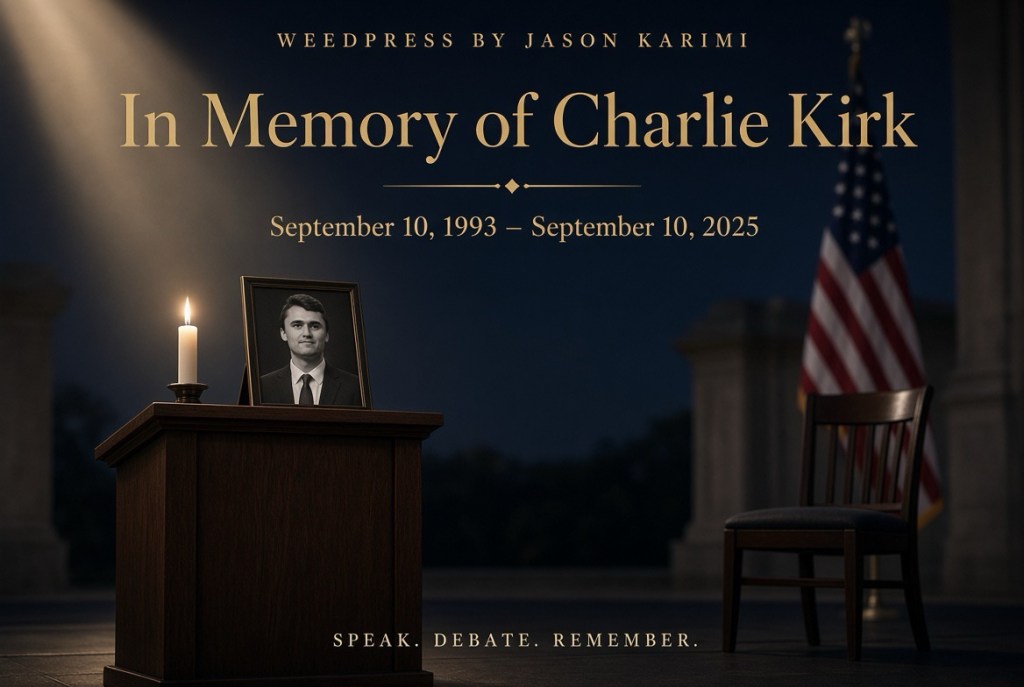
What Did Charlie Kirk Teach Americans?
On the one year anniversary when peaceful, polite, kind, remarkably respectful public dialogue assassinated Charlie Kirk’s service to humanity, a new resolve: stop explaining to an indifferent and uninterested public, and just file paperwork. Put up and shut up saves energy. Some people cannot be reasoned with. Some are emotional wack jobs. I used to…
-
The Dunning–Kruger Effect Is Not a Meme. It Is a Warning About Who Gets to Talk With Certainty
The popular version of the Dunning–Kruger effect is a punchline: stupid people are loud, smart people are humble. That is not what the research says, and it is a sloppy way to run a public argument. The actual claim is narrower and more useful. In domains that require skill, the same gaps that produce bad…
-
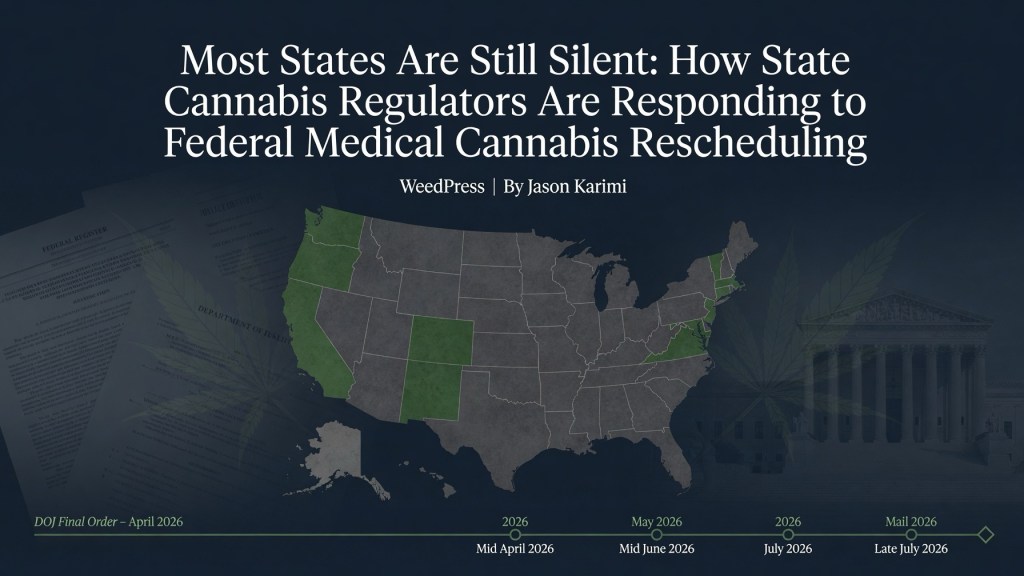
Most States Are Still Silent: How State Cannabis Regulators Are Responding to Federal Medical Cannabis Rescheduling
Three months after the Department of Justice issued its final order placing qualifying state-licensed medical cannabis into Schedule III, state cannabis regulators remain far from unified. A review of official guidance issued through late July 2026 reveals a fragmented national response: only a handful of agencies have formally interpreted the federal change, while most have…
-
Online Workshop – Candidate Vulnerability Assessment
Every candidate enters a race with potential vulnerabilities. These may include previous statements, professional history, financial records, social media activity, personal relationships, policy positions, or inconsistencies in the candidate’s public record. https://leadershipinstitute.org/event/701VL00000xvu8MYAQ Campaigns often devote significant time and resources to researching their opponents while failing to conduct the same level of research on their own…
-

The July 28 Runoff Is Small Enough for Cannabis Voters to Matter. Here’s the Math, South Dakota.
The Republican gubernatorial runoff is July 28. Toby Doeden faces incumbent Larry Rhoden. For people who care about the stability of South Dakota’s medical cannabis program, the question is straightforward: does a modest, targeted vote actually matter in this race? The numbers say yes — but only if the expectations stay realistic. What the June…
-
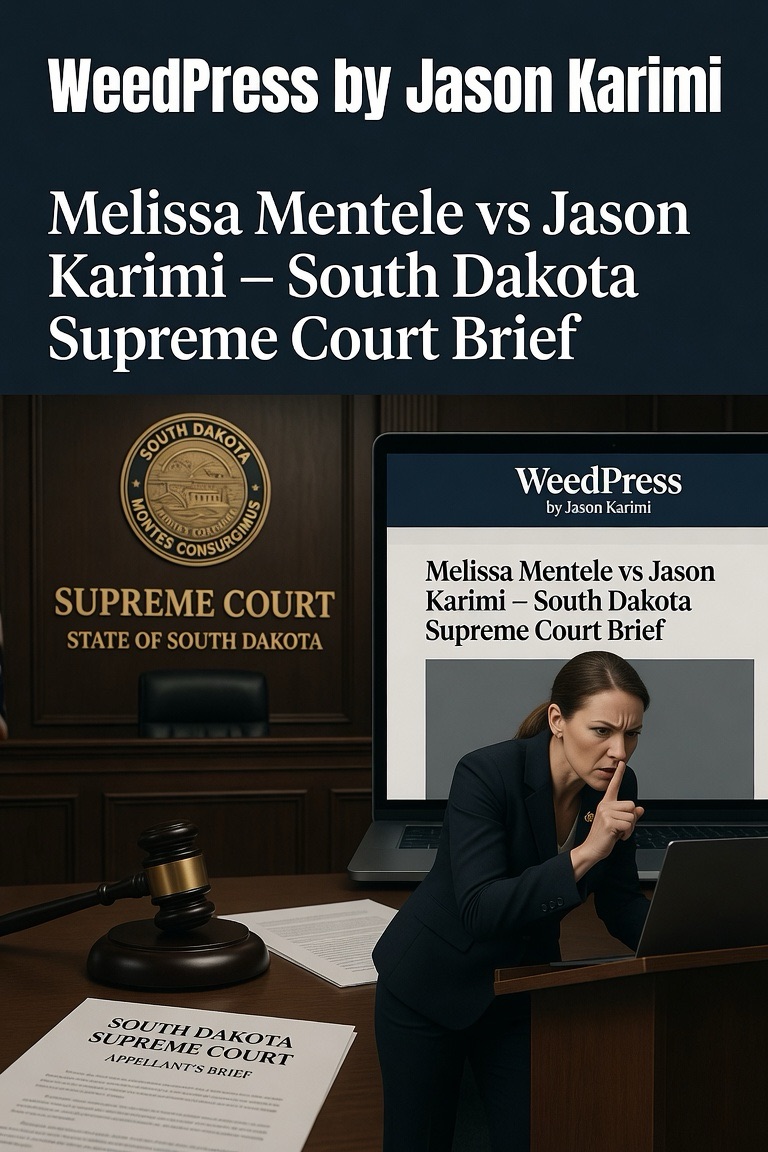
High-Conflict Personalities and Covert Sadism: Overlapping Patterns of Persistent Targeting
Understanding patterns of prolonged personal conflict requires more than one analytical lens. Two frameworks that frequently intersect are the high-conflict personality model and the concept of covert sadism described by former FBI agent Joe Navarro.¹ When examined side by side, these frameworks reveal significant overlap in how certain individuals escalate disputes, externalize blame, and sustain…
-
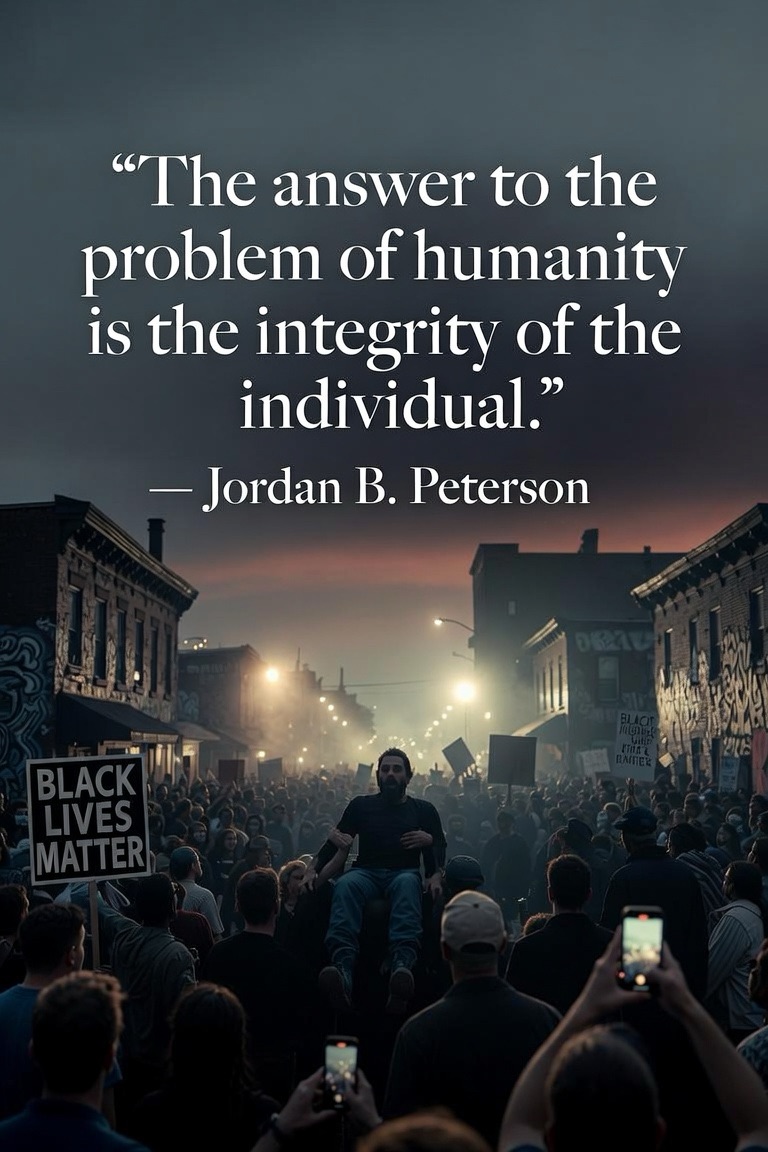
The Integrity of the Individual: Jordan Peterson’s Diagnosis of Societal Collapse and the Policy Failures That Turned a Minneapolis Arrest into Preventable Tragedy
In a lecture examining the psychology of those who embrace solitude as a forge for original thought and voluntary responsibility, Jordan B. Peterson returns to a recurring theme that cuts through every domain of human organization: “The answer to the problem of humanity is the integrity of the individual. That’s the answer. So states that…
-

Holy Shit. Was I Wrong? Homegrown May Be Federally Legal Now After All?
Just woke up to this idea: this section… …found here: https://www.ecfr.gov/current/title-21/chapter-II/part-1301/subject-group-ECFR0f5a129834f0129/section-1301.13#p-1301.13(k)(5) …may legally allow homegrown to be included under federal law after all. WeedPress previously warned homegrown may be illegal and to watch that closely: An absolute legend of the cannabis movement has filed with DEA to rule on the homegrown issue. No organization or…
-
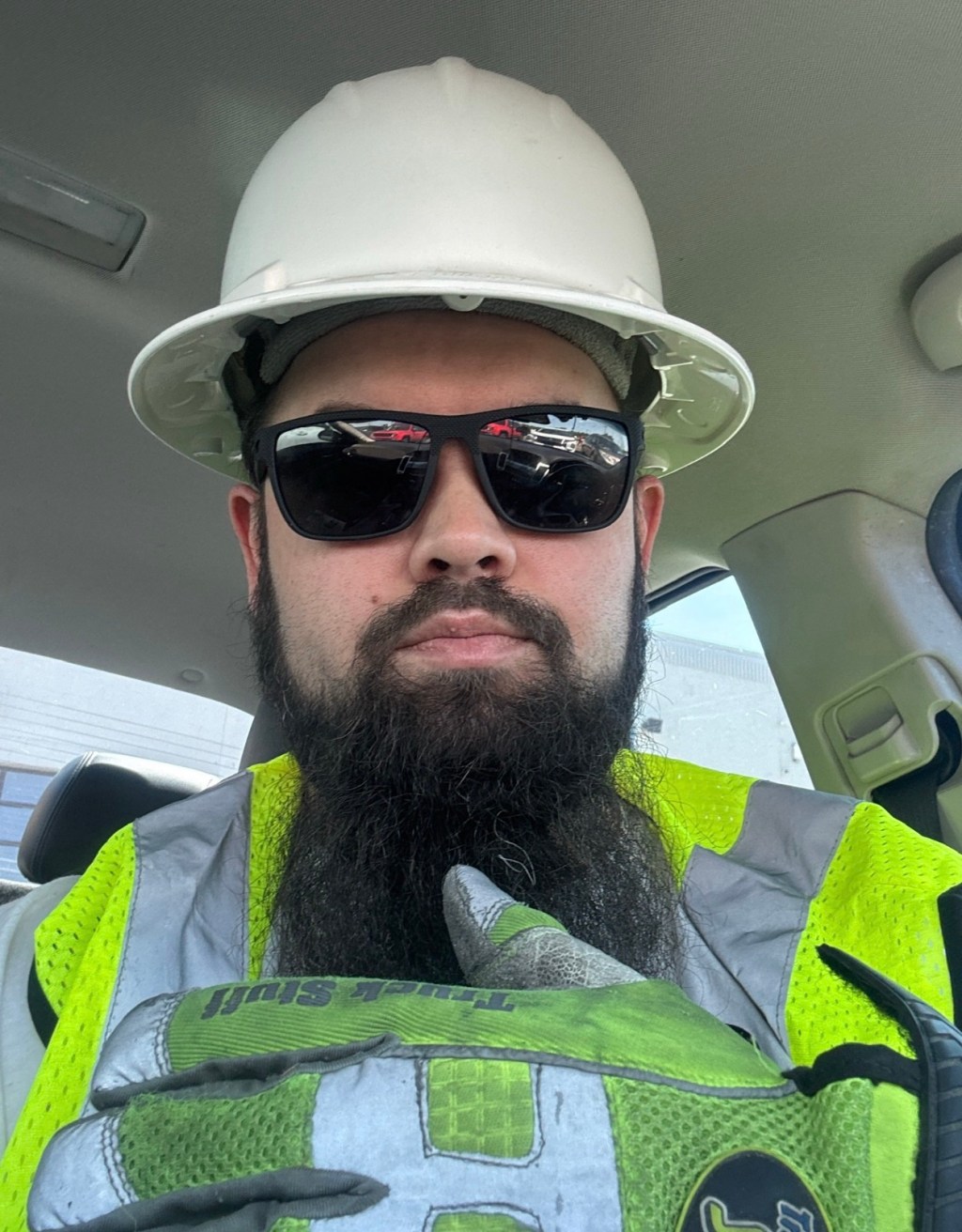
Fixing A SD Courthouse Electrical Cabling For Gate Entrance
GSA, the General Services Administration, sent me out as an IT tech to troubleshoot a control panel issue at a gate for judges and attorneys to enter at a courthouse. Determined the electrical cable run at the gate was needing replaced. The GSA had me bend conduit and run a new cable which I didn’t…
-
Watch DEA Rescheduling Hearing Updates Here All Week
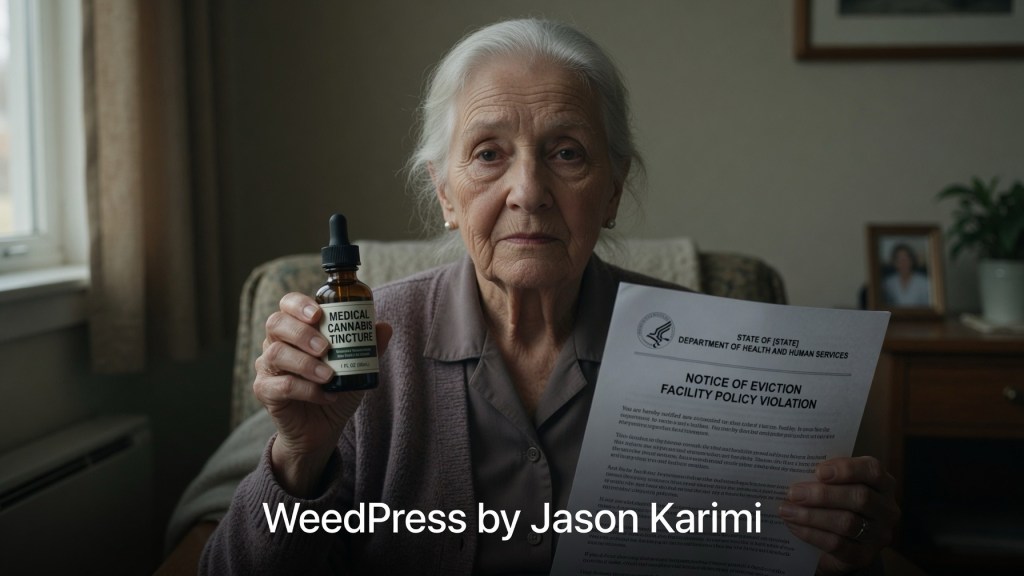
The Dales Report is covering the daily play by plays for the DEA hearings on cannabis as a valid medicine: Get the patients off the battlefield, especially those in South Dakota nursing homes being discriminated against, or those in Iowa nursing homes in court this month fighting eviction over medical cannabis use, and THEN cry…
-

The Watchman’s Hour: 1 AM Reflections on Seventeen Years of Federal Exemption Vigilance
https://iowacapitaldispatch.com/2026/06/04/nursing-home-takes-regulators-to-court-over-residents-eviction/ Lately I wake up almost every night around 1 AM and stay awake for hours. Not from anxiety or restlessness in the ordinary sense, but with a clear, alert presence. The house is quiet. The world outside is sleeping. And my mind turns, as it has for years, to the intricate architecture of federal…
-

The Beautiful Game as Peacemaker: How the World Cup Is Revealing America’s Greatness to the World
In 2014, I was in Indiana at a national recruiting tournament for U.S. Soccer. I spent the week meeting MLS coaches and refereeing some of the best young players in the country. Between games I sat in a giant, air-conditioned referee tent with catered organic food and a massive screen tuned to the World Cup.…
Patient Perspectives
-
Can You Lose Child Custody for Medical Marijuana in South Dakota? What the Law Actually Says
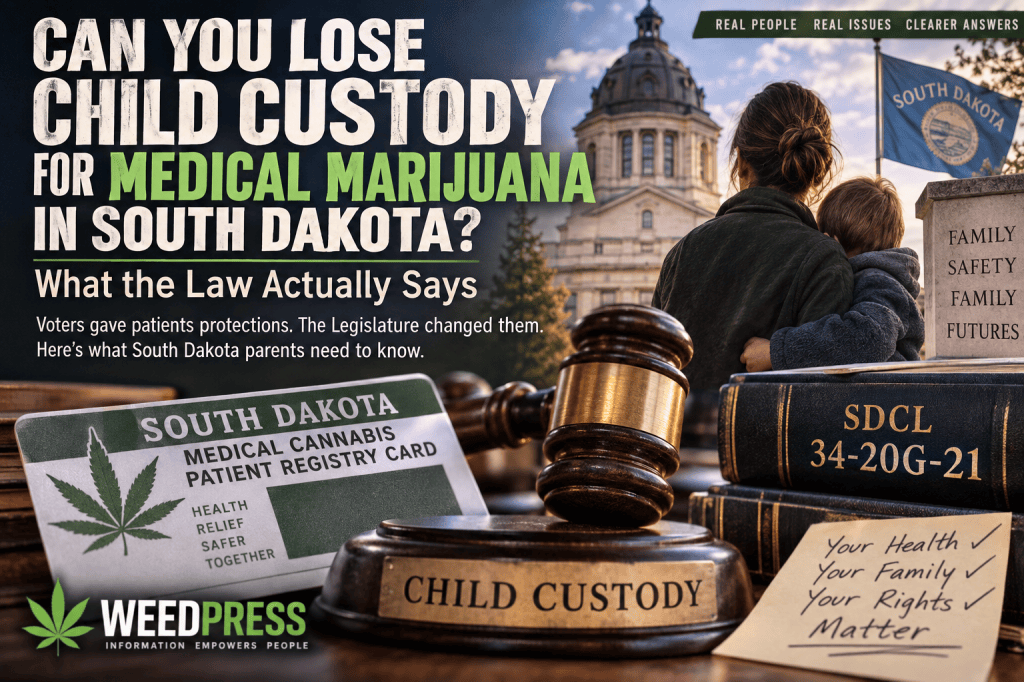
Can a medical marijuana card be used against you in a South Dakota child custody case? South Dakota law specifically protects medical cannabis patients—but the Legislature changed an important protection that voters originally approved. By Jason Karimi | WeedPress A South Dakota medical cannabis patient recently asked a question on Reddit that many parents may…
-
My Written Comments to South Dakota Health: Put the Numbers in the Rulemaking Record
September 10, 2026Whitney BrunnerMedical Cannabis Program AdministratorSouth Dakota Department of Health600 East Capitol AvenuePierre, SD 57501MCQuestions@state.sd.us Re: Written comments on proposed amendments to S.D. Admin. R. art. 44:90Public hearing September 23, 2026; written comments due October 3, 2026 Dear Ms. Brunner: Please place this letter and the attached exhibits in the official written-comment record for…
-
Iowa Court of Appeals: A Medical Cannabidiol Card Does Not Automatically Defeat a Drug-Dog Alert
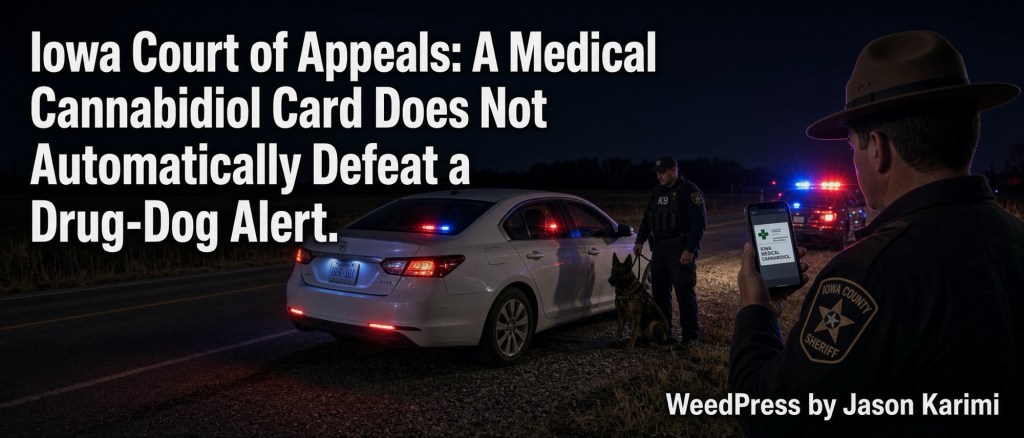
Patients who carry a valid Iowa medical cannabidiol registration card often assume the card creates a meaningful shield during traffic stops. A new decision from the Iowa Court of Appeals shows the limits of that assumption. In State v. Leonard, the court held that officers had probable cause to search a vehicle after a drug…
-
Understanding High-Conflict Personalities: When You Become the Target of Blame
High-conflict personalities are individuals who consistently turn disagreements into prolonged, intense, and destructive battles. Unlike people who simply disagree or become emotional during conflict, high-conflict personalities tend to escalate disputes, externalize blame, and struggle to resolve conflict in a healthy or proportionate way.¹ Over the past several months, nearly a year straight now, I have…
-
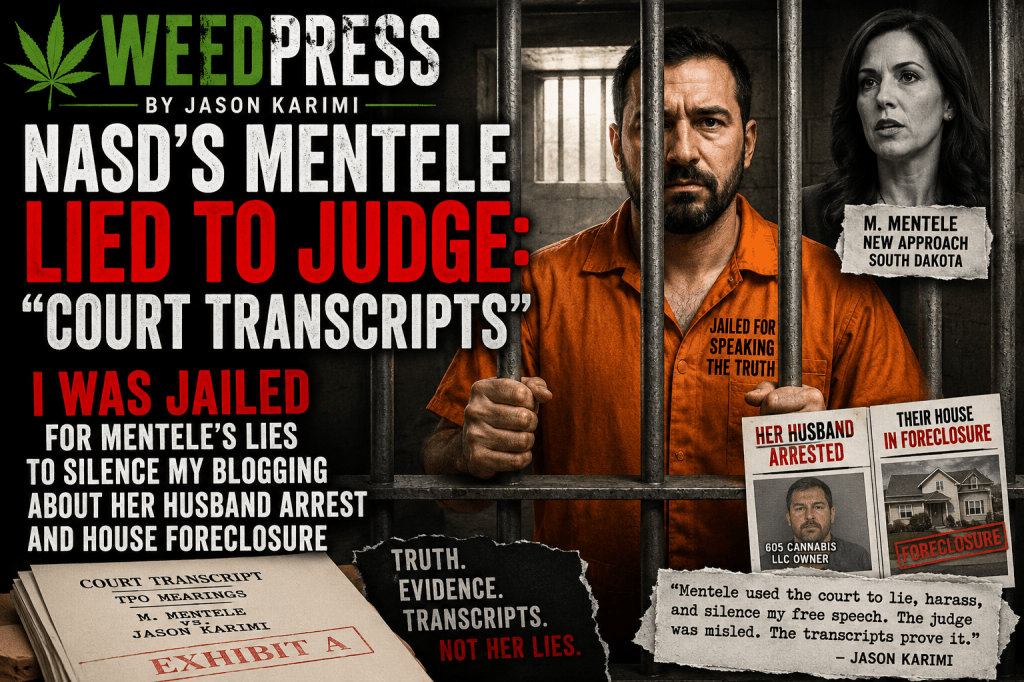
New Approach South Dakota’s Damaged Credibility, Lies To Judges To Get Political Competitor Arrested: Court Transcripts
Transcript PDF of Mentele v Karimi court hearing round 4 in full: You folks out there can do what you want. As for me, I’m going to go back to focusing on federal exemption advocacy as I have since 2009, before Mentele told me to stop and then got me arrested for continuing advocating, by…
-
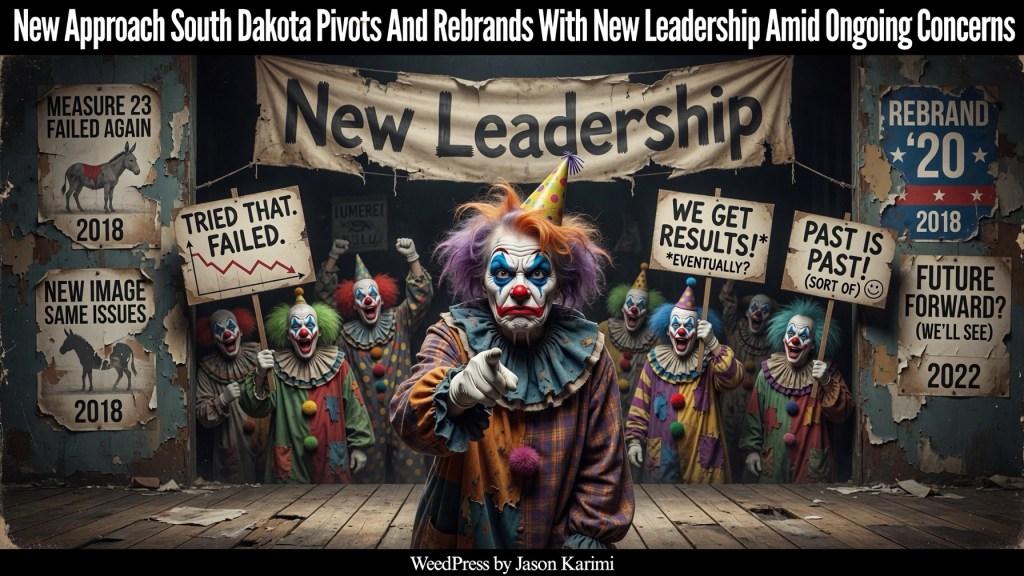
New Approach South Dakota Pivots And Rebrands With New Leadership Amid Ongoing Concerns
Following publication of this article, New Approach South Dakota publicly clarified that the anticipated leadership changes referenced in an earlier discussion concerned the Marijuana Policy Project, not New Approach South Dakota itself. New Approach states it is adding partners and expanding resources but will remain under its current leadership. Multiple conflicting statements in 2026 about…

